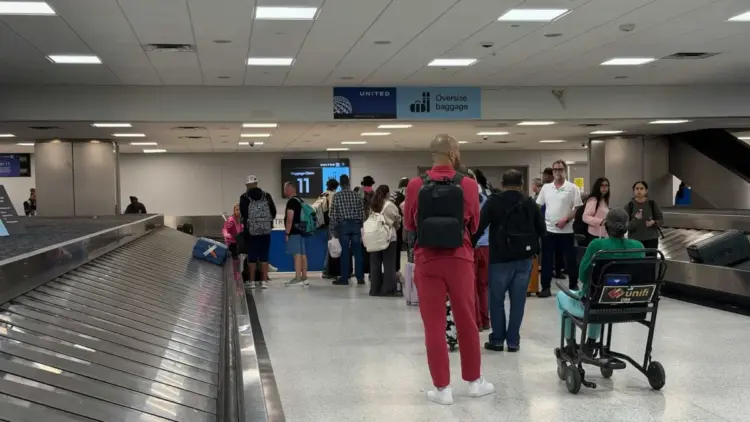
For wheelchair users, boarding a commercial aircraft is too often the beginning of a high-stakes gamble where the primary cargo at risk is not a fragile piece of luggage, but their independence, mobility, and safety. Early this year, a routine flight on American Airlines starkly illustrated this ongoing crisis when baggage handlers bypassed standard protocol and manually hoisted a heavy power wheelchair directly from a belt loader rather than utilizing a proper wheelchair lift. The outcome was entirely predictable: the 400-pound apparatus was simply too heavy for the crew to manage safely, resulting in an awkward, jarring drop onto the pavement below.
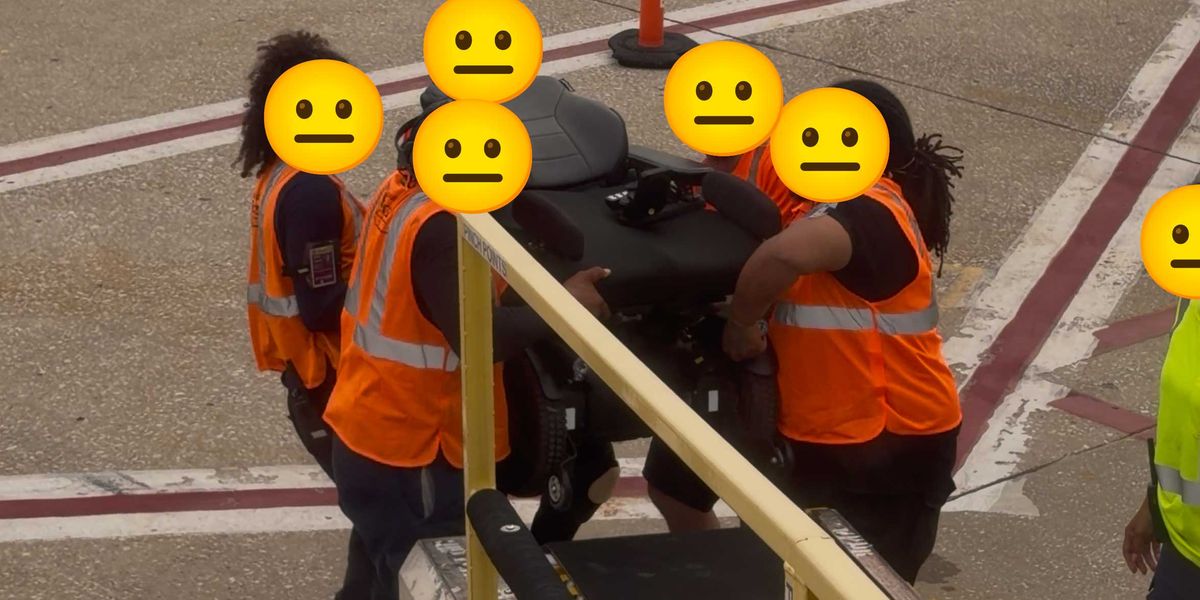
Observing the careless mishandling from an airplane window, the passenger could only suspect the worst. While the visible damage initially appeared minor—a broken piece of plastic trim, a bent headlight, and an unsettling, low-level noise emanating from the drive wheel—looks are rarely indicative of a power wheelchair’s internal structural integrity.

What followed was an exhausting, months-long ordeal that exposes a glaring flaw in how major air carriers and local service providers handle complex medical equipment damage. A local wheelchair repair technician was initially dispatched to the home to diagnose the issue. Concluding that the noise stemmed from a bent drive wheel, the technician ordered and installed a replacement part a couple of weeks later. Yet, the persistent mechanical noise remained. A subsequent technician diagnosed a damaged motor, leading to another round of ordering, waiting, and installation. Still, the noise persisted.
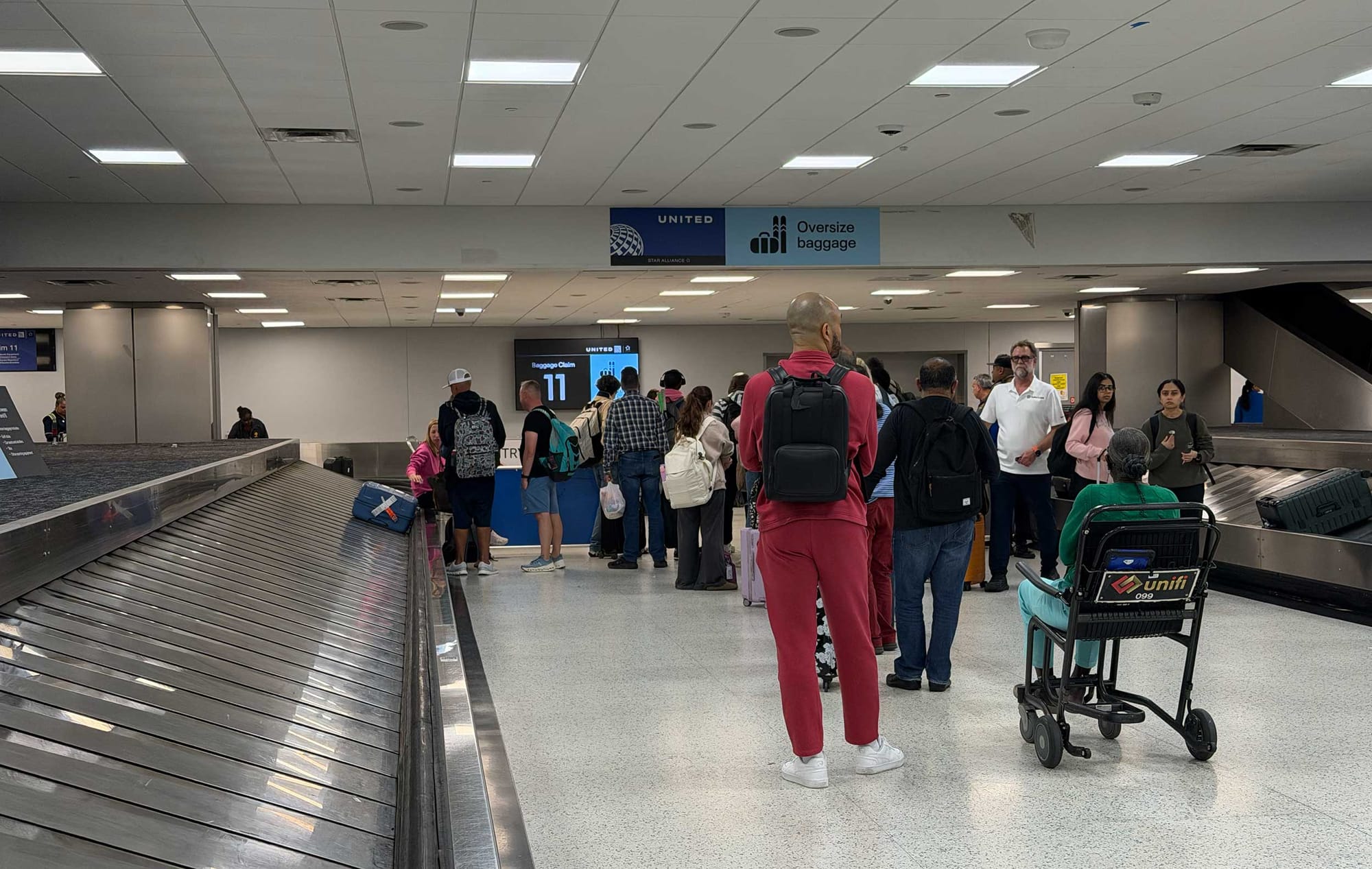
Before this initial issue could be properly resolved, the wheelchair was subjected to further mishandling—this time, twice in quick succession by United Airlines. During these incidents, the chair was dropped with even greater force, resulting in a visibly bent armrest, a torn seat cushion, and an increasingly louder, more alarming grinding noise originating from the undercarriage.

A revolving door of local technicians filtered through the home. Mechanics replaced everything from motors and wheels to casters and shocks, yet the fundamental problem went unaddressed and the underlying noise never disappeared. Weeks of personal time were sacrificed across more than ten separate repair appointments, yielding zero tangible results. On the verge of abandoning the frustrating process entirely, a final, last-ditch effort was made to bypass third-party local repairmen and have the wheelchair’s manufacturer conduct a comprehensive evaluation.
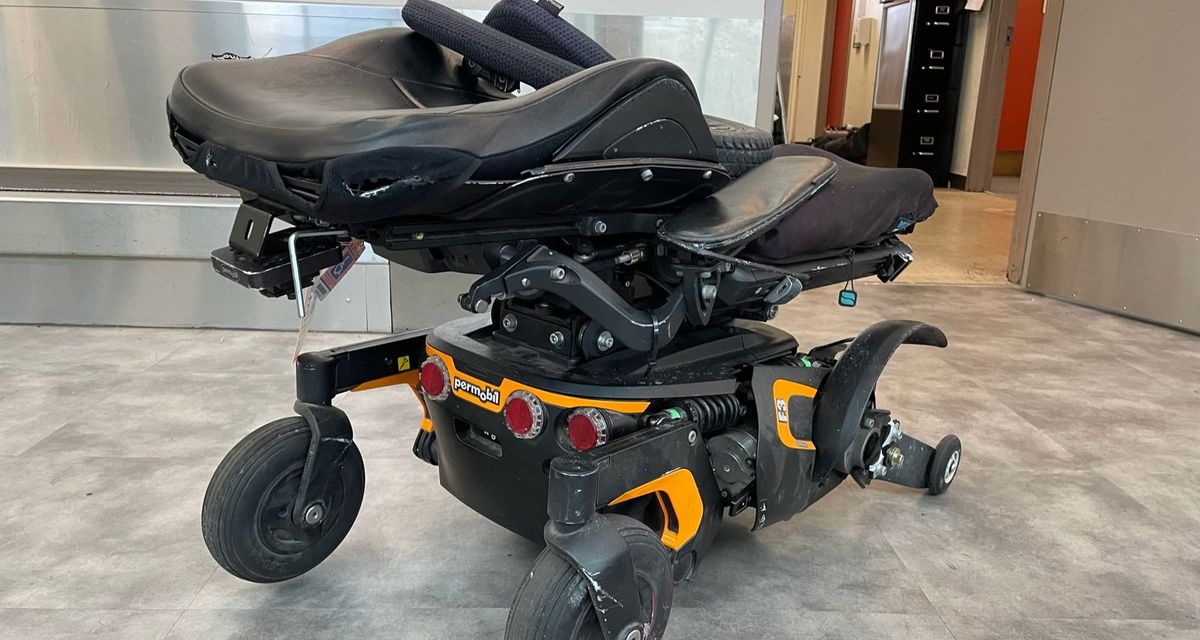
The intervention of a manufacturer representative from Permobil finally brought clarity to the situation. As an expert intimately familiar with the complex engineering of the equipment, the representative quickly determined that the wheelchair’s structural frame had sustained severe, irreparable damage during the drops. The verdict delivered by the manufacturer was definitive and sobering: once a motorized wheelchair of that caliber has been dropped or structurally compromised, the manufacturer can no longer certify that it is safe to use.
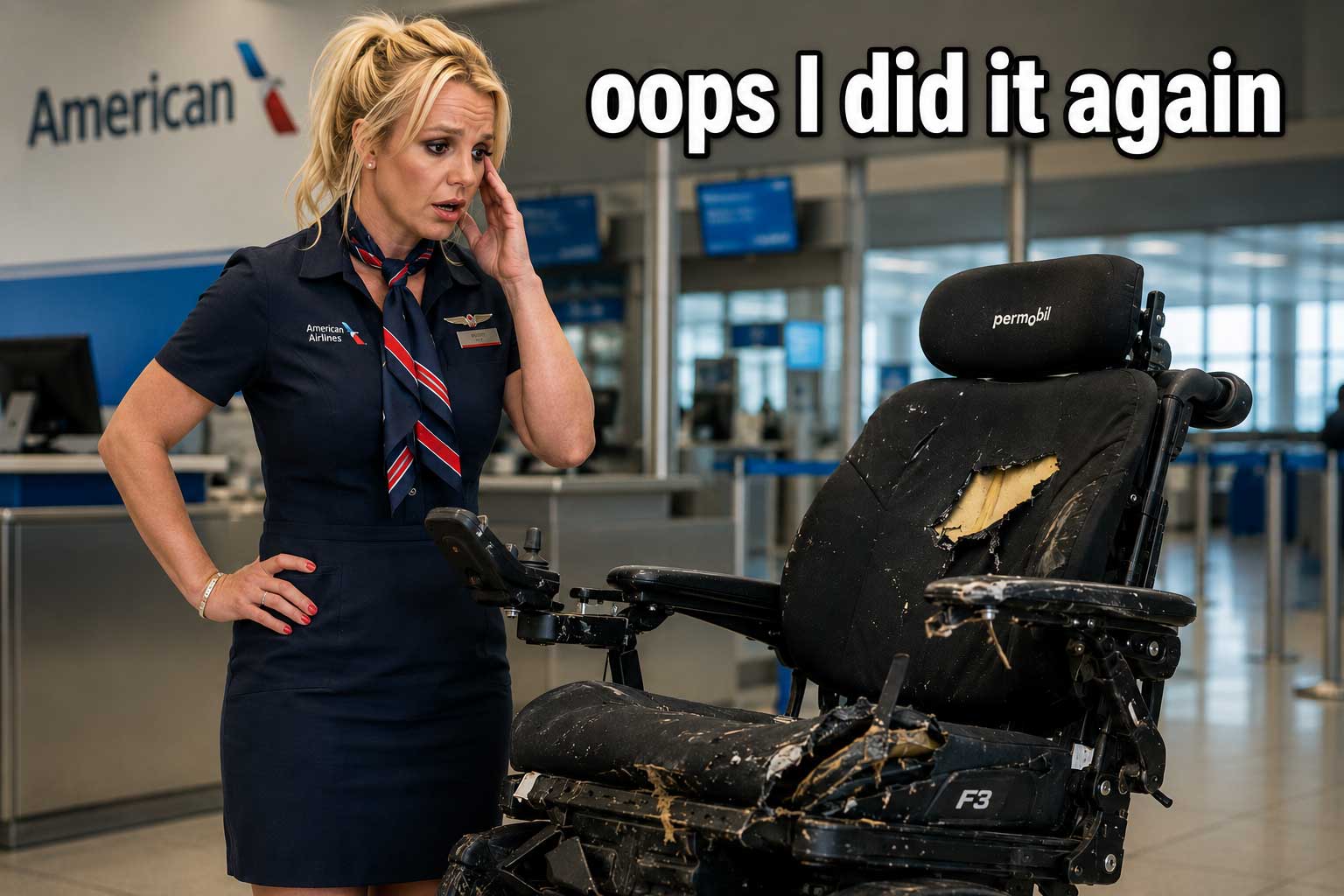
That official declaration proved to be the necessary threshold for airline accountability. Armed with the manufacturer’s safety warning, United Airlines finally approved a replacement wheelchair. With this latest resolution, the passenger reached a grim milestone: having a high-end power wheelchair completely destroyed and subsequently replaced by each of the major three U.S. carriers—once by Delta Air Lines, multiple times by American Airlines, and now by United Airlines.

The root of the problem extends far beyond mere carelessness on the tarmac. Local wheelchair repair technicians, while competent in routine maintenance, typically possess little to no specialized experience in identifying structural frame damage in sophisticated, heavy-duty mobility devices. Their day-to-day operations center on domestic service calls—changing tires, installing standard batteries, and swapping out minor modular parts for equipment used exclusively within homes and local communities. They rarely encounter devices subjected to the rigorous, high-frequency loading and unloading cycles of commercial aviation, where hundreds of flights a year test the limits of sensitive machinery.
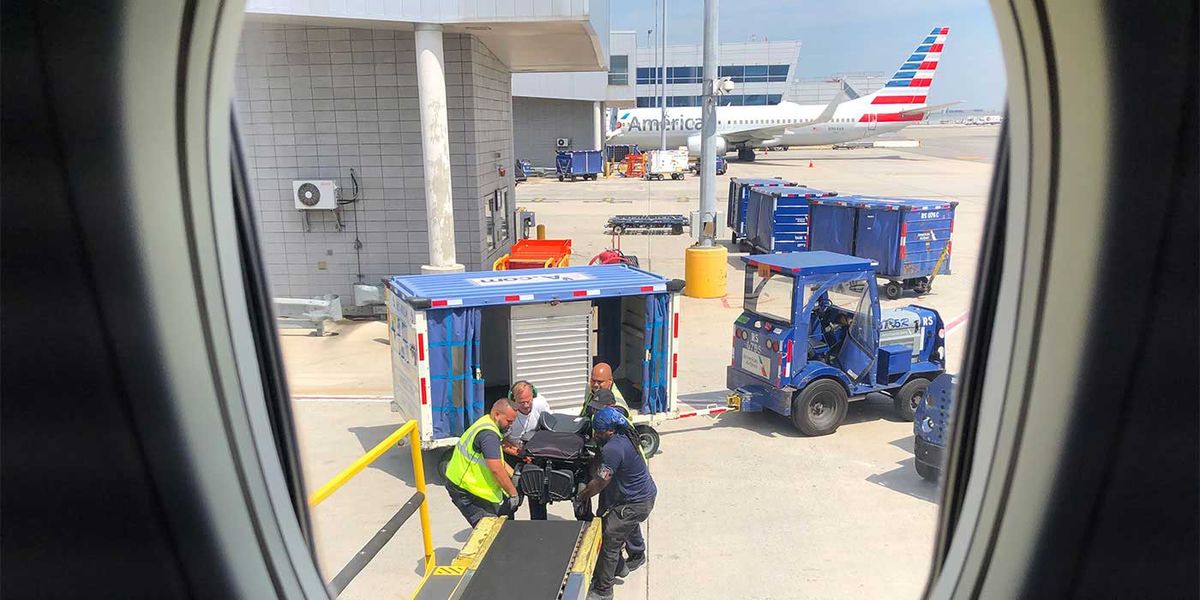
When these local technicians responded to the service calls, they reacted logically to the symptoms they could hear and see, attempting to fix isolated components. But because the foundational frame was compromised from the initial drops on the tarmac, those repair efforts were destined to fail. The structural damage was fundamentally unrepairable from the start, turning every subsequent repair appointment into an exercise in futility.

The harsh reality is that commercial airlines inflict types of structural trauma on wheelchairs that would be completely impossible in any normal home environment. A 400-pound power wheelchair is never hoisted off its wheels or dropped from loading heights anywhere except under the purported "care" of airline baggage operations. Recognizing this reality changes the playbook for future incidents; rather than relying on standard local repair networks that lack the specialized diagnostic training for structural frames, passengers must immediately call upon manufacturer representatives who possess the precise expertise required to identify and document catastrophic, irreparable damage.
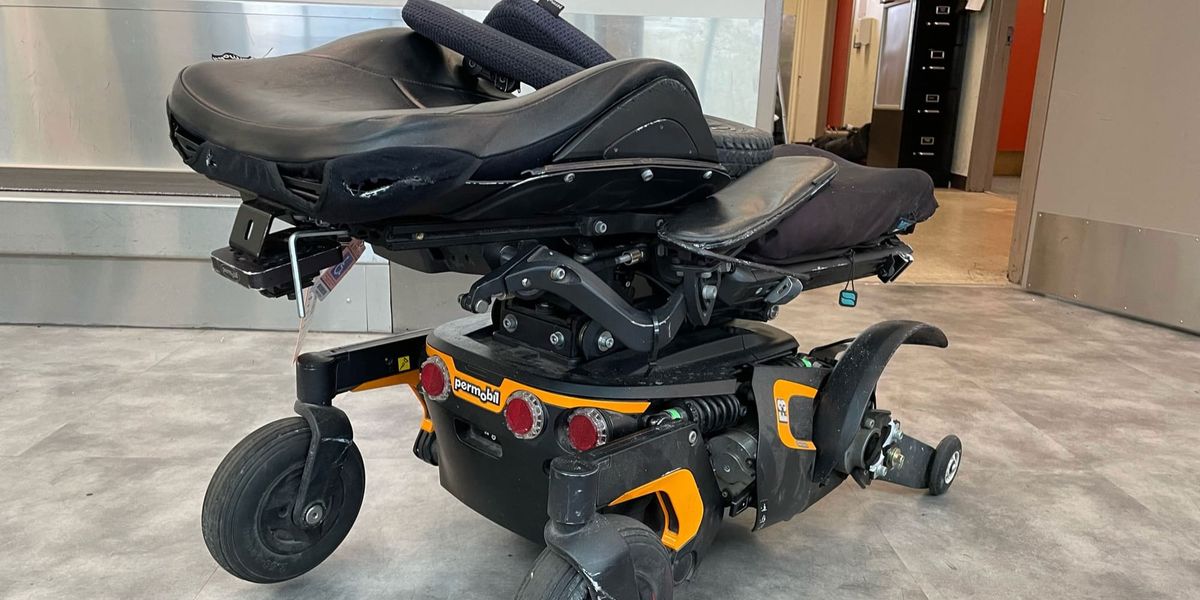
This harsh cycle of travel and destruction was underscored just last month, when the newly delivered replacement wheelchair took its first series of flights—a routine round-trip journey from St. Louis to Dallas operated by American Airlines. While the outbound leg proceeded without incident, the return flight delivered a familiar blow. Upon retrieval, the brand-new wheelchair exhibited unmistakable signs of mishandling, accompanied by loud, concerning squeaking noises radiating from the seating system and central pillar. For frequent flyers who rely on assistive mobility devices, it is a disheartening reminder that despite ongoing advocacy, regulatory oversight, and public scrutiny, the journey toward reliable, damage-free air travel for disabled passengers remains an uphill battle.