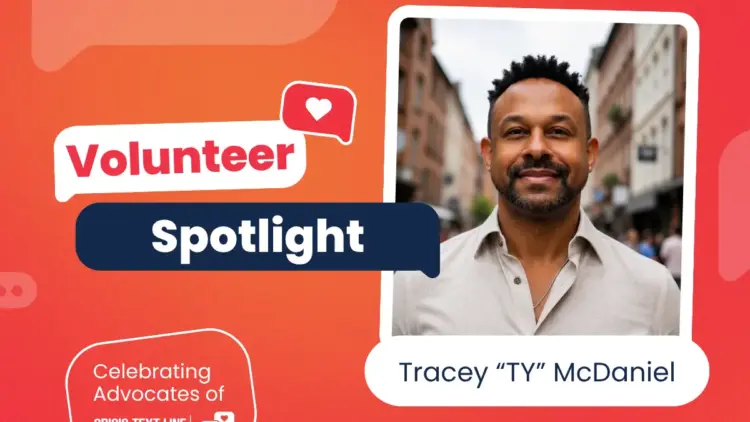
Behind every text message sent to a crisis intervention service is a volunteer who chose to show up, listen, and offer a steady hand in the dark. For the Crisis Text Line community, these advocates form the backbone of a lifeline operating around the clock. In an ongoing series celebrating these dedicated individuals, this month’s volunteer spotlight focuses on Tracey “TY” McDaniel. His journey into crisis intervention began with a deeply personal promise to a grieving friend and has since blossomed into a broader mission to reshape how society approaches mental health, vulnerability, and the simple act of asking for help.
From a Promise to a Purpose
TY McDaniel’s introduction to the world of crisis support was forged through profound sorrow. After a dear friend experienced the unimaginable loss of her son to suicide, McDaniel made a solemn pact to support her in any way he could. That commitment eventually directed him toward Crisis Text Line, transforming a personal pledge of solidarity into active, community-based intervention.
For McDaniel, the work is intensely personal, rooted in a reality he knows all too well. Having been touched by suicide more than once in his own life, the weight of those experiences never truly leaves him. Recognizing the urgent need to make a tangible difference, he stepped forward to ensure that others navigating their darkest hours would not have to walk alone. In his view, the time and emotional energy invested in listening to someone in crisis are always worth it if they can help turn the tide even slightly.
Demystifying the Role of a Crisis Counselor
Many people who consider volunteering with crisis intervention organizations hesitate because they fear they lack the formal clinical training required to "fix" someone’s life. However, McDaniel emphasizes that the reality of being a volunteer Crisis Counselor is far different from common misconceptions.
Volunteers are not expected to act as licensed therapists or possess ready-made answers to complex human struggles. More often than not, individuals reaching out to a crisis text service are not looking for a magical solution; rather, they are searching for a nonjudgmental ear, a safe shoulder to lean on, and a perspective that can pierce through isolation. By offering empathy and a steady presence, a volunteer serves as a beacon of light at the end of a tunnel, reminding the person on the other end of the screen that they are valued and heard.
Cultivating Empathy in the Workplace and Beyond
The impact of volunteering extends far beyond the confines of a computer screen or a late-night shift. For McDaniel, the daily practice of holding space for strangers has fundamentally shaped his approach to leadership in his professional life. As a manager and team leader, mental health and emotional awareness remain constantly at the forefront of his priorities.
Incorporating these values into his workplace, McDaniel implements weekly check-ins with his direct reports. These conversations are designed to look beyond professional deliverables and give employees a genuine platform to discuss how they are coping personally. Through this routine, he has learned a simple yet profound truth: taking a moment to ask someone how they are doing, and truly listening to the answer, has the power to shift the trajectory of an individual’s day.
Remembering the Ones Who Need a Voice
Among the hundreds of interactions volunteers handle, certain moments leave an indelible mark. McDaniel recalls a poignant conversation that took place at the start of a school year with a student who reached out while experiencing severe bullying. Having navigated the pain of being bullied during his own school years, McDaniel immediately recognized the all-consuming isolation the student felt.
Drawing on his own past, he took a deep breath and focused entirely on establishing a secure, judgment-free space where the young person felt validated. After listening patiently, McDaniel encouraged the student to confide in a teacher or a school administrator, gently reinforcing that there was no reason to feel embarrassed or ashamed. That interaction remains vivid in his memory because it underscored a universal truth: in moments of intense distress, having someone firmly in your corner can change everything.
The Growing Pressures of Modern Life
Reflecting on the broader landscape of mental health, McDaniel does not mince words about the realities of contemporary society. Modern life presents an endless stream of stressors across homes, schools, and workplaces, making genuine disconnection and mental recovery increasingly difficult. With constant demands on personal energy and the pervasive influence of social media on self-perception, individuals are frequently pushed toward overwhelming isolation and hopelessness.
This relentless pressure highlights the vital importance of accessible crisis intervention. Providing a judgment-free space where a struggling individual can pause and decompress offers a vital lifeline. Knowing that someone is on the other side, listening without conditions, is often enough to help a person weather an acute moment of distress and envision a path forward.
Encouraging Future Volunteers
For prospective volunteers who feel held back by self-doubt or a lack of specialized experience, McDaniel offers a reassuring message: compassion and a genuine desire to help cannot be manufactured, but specific skills can be taught. Crisis Text Line provides comprehensive training to equip volunteers with the tools necessary to handle diverse situations successfully. Ultimately, success as a crisis counselor relies less on having all the answers and more on the willingness to listen, learn, and stand beside someone in need.
Normalizing the Call for Help
Concluding his reflections, McDaniel returns to a central message regarding the state of mental wellness today. Emphasizing that mental health is just as critical as physical health, he advocates for a cultural shift that normalizes reaching out.
Society must move toward a place where saying "I’m not okay" is recognized as an act of profound strength rather than a weakness. No one should ever have to shoulder their heaviest burdens in isolation.
For anyone currently navigating a difficult season and seeking a confidential outlet, support remains available around the clock. Individuals can connect with a live volunteer Crisis Counselor by texting CONNECT to 741741, accessing free, confidential support 24 hours a day, 7 days a week.