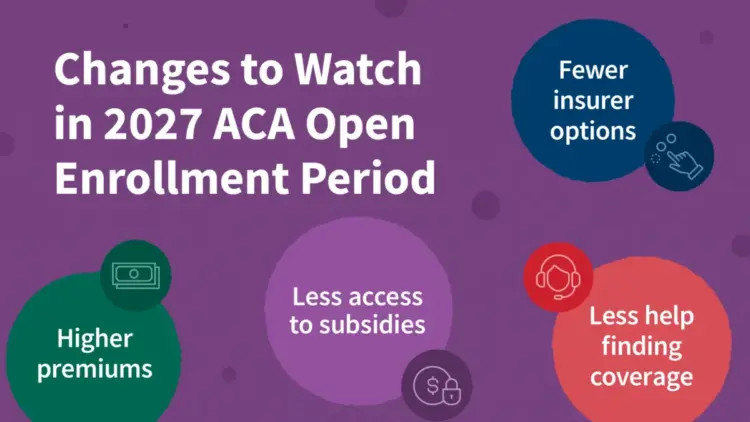
The Affordable Care Act (ACA) Marketplace open enrollment period for the 2027 benefit year officially gets underway on November 1, 2026, in the majority of states, arriving amid a turbulent landscape of legislative overhauls, shifting regulatory frameworks, and escalating costs. The upcoming enrollment cycle follows a tumultuous preceding year marked by the expiration of enhanced premium tax credits, the implementation of provisions stemming from the 2025 federal budget reconciliation law colloquially known as the "One Big Beautiful Bill Act," and a series of administrative regulations enacted by the Trump administration that have fundamentally altered the mechanics of Marketplace coverage. As consumers prepare to evaluate their health insurance options for 2027, policymakers, insurers, and enrollees alike are bracing for continued transformation across the individual health insurance market.
1. Premiums are going up by double-digits, but most people get a subsidy.
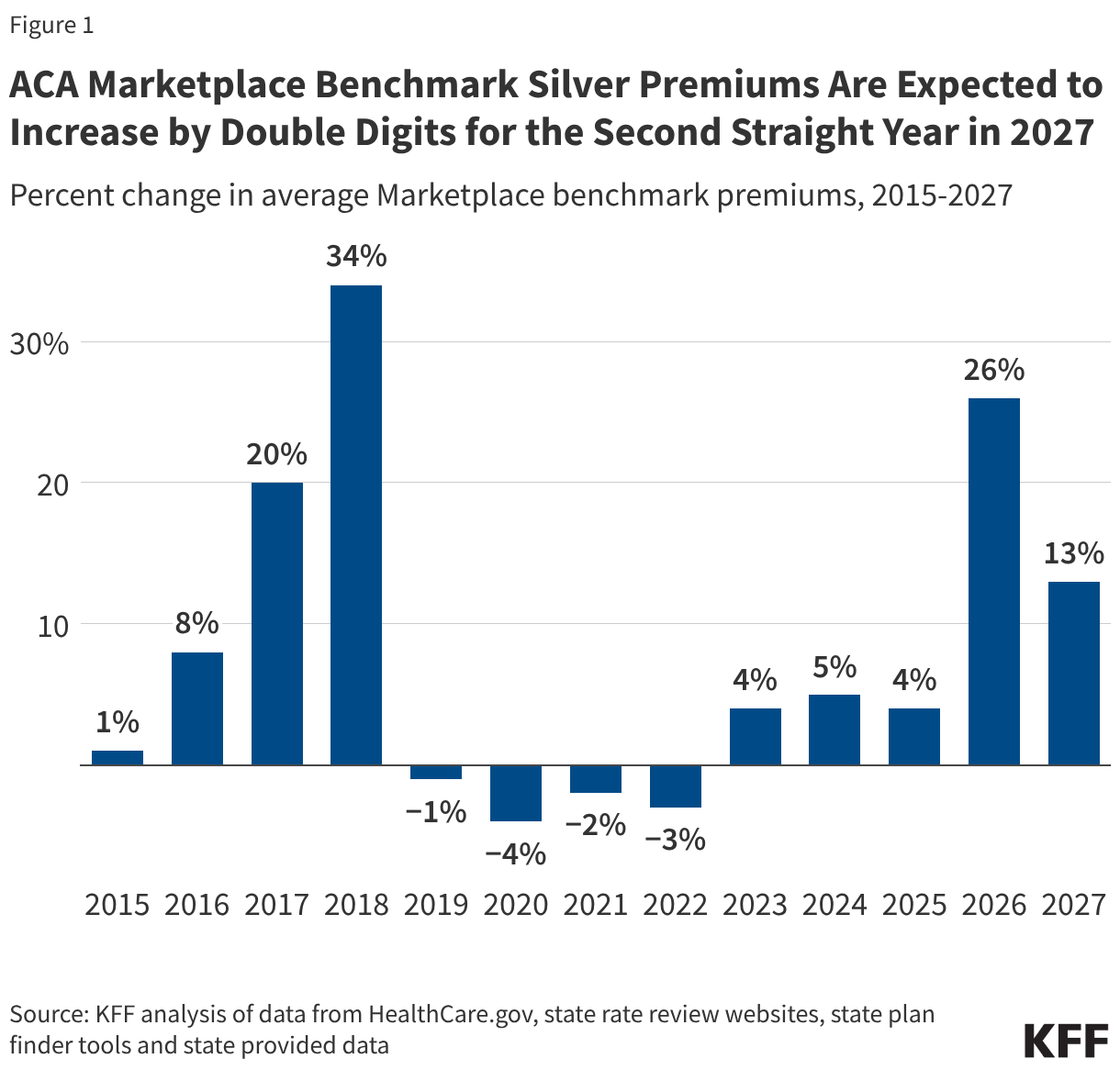
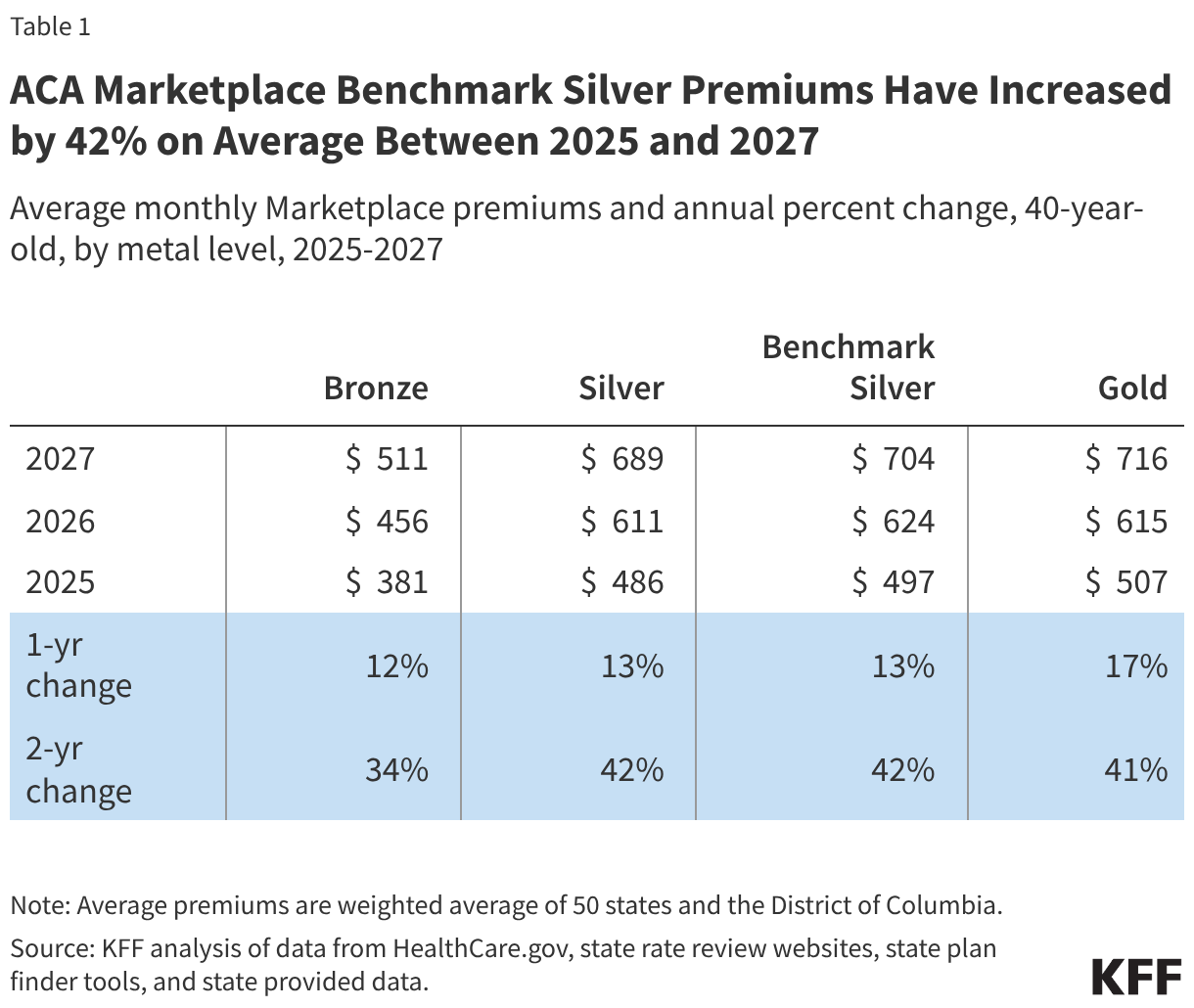
Consumers shopping for coverage will face a second consecutive year of sharp, double-digit increases in benchmark premiums. While health insurance carriers initially proposed a median premium increase of 15% for 2027, finalized benchmark silver plan premiums reflect an average increase of 13%. This upward pressure follows an even steeper 26% jump in average benchmark premiums from 2025 to 2026. A regional divide persists in how these hikes are manifesting: states utilizing the federal HealthCare.gov platform are seeing an average benchmark premium increase of 11%, whereas states that operate their own independent enrollment exchanges are experiencing an average increase of 16%. In comparison, between 2025 and 2026, HealthCare.gov states endured a staggering 30% surge, while state-based marketplaces saw a roughly 17% rise.
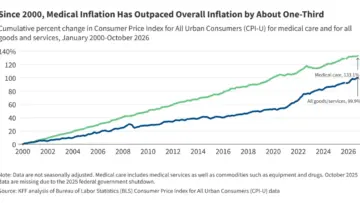
Insurers attribute these climbing rates primarily to an acceleration in the underlying cost of medical care—a trend rippling across the broader health sector, including employer-sponsored health plans. Furthermore, carriers continue to grapple with the structural fallout from the expiration of enhanced premium tax credits, which has precipitated notable shifts in the composition of the insurance risk pool. Analyses of insurer filings indicate that risk pool alterations added roughly four percentage points to average premiums in 2026, with a comparable upward impact anticipated for 2027.
While the majority of Marketplace enrollees rely on subsidies that significantly cushion the blow of these rate hikes, consumers with household incomes exceeding 400% of the federal poverty level (FPL) will bear the brunt of the financial impact. Because they no longer qualify for premium tax credits, these individuals must shoulder the full cost of their coverage. Following consecutive years of steep increases, these financial barriers threaten to drive healthier participants out of the market entirely, potentially degrading the risk pool further and fueling a self-reinforcing cycle of rising premiums.
2. Marketplace enrollment is declining following the expiration of enhanced premium tax credits, and may continue to fall for other reasons.
The rollback of enhanced federal subsidies has already triggered a measurable contraction in Marketplace participation. During the 2026 Open Enrollment Period, total plan selections dropped by 1.2 million compared to the previous year. By February 2026, effectuated enrollment—representing individuals who successfully paid their premiums and maintained active coverage—fell by 12%, translating to a loss of 2.6 million people and bringing total enrollment down to 19.2 million. Broader individual market data, which encompasses both Marketplace plans and policies acquired directly through insurers or brokers, reveal an even steeper downward trajectory, plunging 18% by June 2026 from 25.2 million to 20.5 million—a net loss of over 4.6 million enrollees.
Looking ahead to 2027, industry stakeholders project that the market will continue to contract as the long-term effects of expired tax credits settle in. Many households that managed to retain coverage through 2026 may find themselves priced out as cumulative costs mount. In addition to premium pressures, ongoing anti-fraud measures and tightening eligibility standards for specific immigrant populations are expected to further depress enrollment counts. Updated projections from the Congressional Budget Office (CBO) estimate that total ACA Marketplace participation will drop from a peak of 22.4 million in 2025 down to 13.1 million by 2027.
3. Insurer exits outnumber new entrants.
The shrinking pool of insured individuals and lingering uncertainties surrounding the risk pool have prompted a contraction in carrier participation. Insurer exits are outpacing new market entrants for the 2027 plan year, reducing consumer choice in numerous regions. As of late October 2026, 11 carriers had announced plans to withdraw from at least one state’s individual market, while only seven new carriers signaled intentions to enter a new state.
These departures vary significantly by geographic location, but certain regions will experience a stark thinning of carrier options, provider networks, and plan tiers. Cigna, for instance, has announced its complete withdrawal from the individual market across all 11 states where it currently maintains a presence. Such corporate exits risk stifling market competition and causing coverage disruptions for current enrollees who must scramble to find alternative plans.
4. Some state-based Exchanges have backfilled lost enhanced federal tax credits.
In the absence of federal action to restore enhanced premium tax credits, several states operating their own health insurance exchanges have stepped in with state-funded subsidy programs to shield residents from the worst of the cost increases. New Mexico led these efforts in 2026 by fully replacing the lapsed federal assistance, a move that successfully bucked national trends by driving Marketplace enrollment growth during the 2026 open enrollment cycle. The state has committed to maintaining its financial backing for 2027.
Other states are expanding or modifying more limited assistance frameworks for the upcoming plan year. Covered California, for example, is continuing its state-funded premium relief while broadening the program to partially offset lost enhanced credits for households earning between 165% and 200% of the federal poverty level, expanding beyond its previous threshold of 138% to 165% FPL. Meanwhile, established programs in states like New Jersey remain active, and jurisdictions such as Rhode Island and Virginia have introduced brand-new, state-specific subsidy initiatives for the 2027 plan year. While these localized efforts provide vital relief, the availability and generosity of such programs vary widely depending on geography and household income.
5. Recent federal actions to address fraud may affect enrollment counts and make it more difficult for enrollees needing brokers’ services in 2027.
Aggressive federal initiatives designed to root out fraudulent broker practices and improper enrollments are reshaping the administrative landscape of the upcoming open enrollment cycle. In September 2026, the Department of Health and Human Services (HHS) announced the cancellation of coverage for approximately 760,000 individuals identified as "phantom" enrollees—consumers who were allegedly signed up for plans by agents or brokers without their explicit knowledge or consent. CMS flagged roughly 1.2 million accounts featuring zero premium payments and missing or unverified Social Security numbers or immigration documents, ultimately canceling policies where insurers could establish no contact or verified claims. While intended to curb abuse, reports indicate that the strict criteria may have mistakenly ensnared legitimate enrollees, some of whom have fought to have their coverage reinstated.
Concurrently, HHS is enforcing rigorous new standards of conduct for agents, brokers, and web-brokers to combat deceptive marketing strategies. Under updated payment parameters, intermediaries are barred from offering cash rebates or cash equivalents to entice consumers, making false promises regarding zero-dollar premiums, or misrepresenting enrollment deadlines. Furthermore, federal regulators enacted a temporary moratorium in September 2026 halting the registration of new agents and brokers on the federal platform through February 2027—a move CMS estimates blocked approximately 19,000 new registrations. Combined with previous reductions in funding for the ACA Navigator program, these overlapping restrictions threaten to leave consumers with significantly fewer resources and hands-on assistance when navigating the enrollment process.
6. Some lawfully present immigrants will no longer qualify for subsidized Marketplace coverage in 2027.
While lawfully present immigrants—including lawful permanent residents, individuals on valid work visas, and specific humanitarian categories like refugees and asylees—retain their general eligibility to purchase ACA Marketplace plans, access to financial assistance is narrowing. Undocumented immigrants remain entirely ineligible to participate in the Marketplace, even at full cost. However, provisions embedded within the 2025 budget reconciliation law restrict eligibility for premium tax credits to only select groups of lawfully present immigrants.
Consequently, humanitarian categories such as refugees, asylees, and survivors of human trafficking can still purchase coverage but are entirely cut off from premium tax credits. Stripped of financial support, many individuals within these vulnerable populations will find coverage financially out of reach and are expected to drop their policies. The CBO projects that this single policy change will push approximately one million individuals into the ranks of the uninsured over the coming decade.
7. Enrollees will face the elimination of repayment limits.
A significant shift taking effect in the 2026 tax year—with its practical consequences hitting consumers during the 2027 enrollment cycle—is the complete elimination of statutory limits that previously capped how much Marketplace enrollees had to repay in excess premium tax credits. Enrolled taxpayers whose annual incomes end up higher than initially projected during the year will no longer benefit from historical repayment caps when filing their taxes in early 2027.
This lack of a safety net means unexpected income fluctuations could result in surprisingly large tax penalties. Experts emphasize that accurate income estimation and proactive mid-year reporting of life and earnings changes will be paramount for households hovering near critical income thresholds governing tax credits and cost-sharing reductions (CSRs). While some consumers may leverage contributions to tax-advantaged vehicles like traditional individual retirement accounts or health savings accounts to lower their modified adjusted gross income, these strategies require liquid capital and, in the case of HSAs, specific high-deductible health plan enrollment.
8. Consumers who are denied or removed from Medicaid coverage for not meeting work requirements will also be ineligible for premium tax credits.
The regulatory convergence between Medicaid and the ACA Marketplace is undergoing a major structural shift. Beginning in 2027, states enforcing Medicaid work requirements will bar individuals who lose or are denied Medicaid coverage solely due to non-compliance with these work mandates from simultaneously accessing subsidized Marketplace plans. Previously, individuals disenrolled from Medicaid could seamlessly transition to the Marketplace provided they met standard income and residency criteria.
When the budget reconciliation law was enacted, Georgia was the sole state actively enforcing Medicaid work requirements. However, federal rules now mandate that 43 states and the District of Columbia implement similar work mandates by January 1, 2027. This exclusion targets adults in Medicaid expansion states and section 1115 waiver programs, potentially stranding workers who cycle in and out of employment, or those who fail to successfully navigate complex administrative reporting rules, without access to affordable health coverage until their broader eligibility status officially shifts.
9. Litigation has halted implementation of some Marketplace requirements for 2027.
Amid these sweeping policy adjustments, the legal status of several core administrative rules remains in flux due to ongoing federal litigation. Court challenges targeting two major regulatory packages—the 2025 program integrity rule and the HHS Notice of Benefit and Payment Parameters for 2027—have successfully paused the implementation of numerous structural requirements.
Four major legal proceedings are currently moving through the federal court system, including City of Columbus et al. v. Kennedy and California et al. v. Kennedy, which challenge both the integrity rule and the subsequent payment parameters. As judges weigh the merits of these cases, preliminary injunctions and administrative stays have left specific regulatory provisions frozen, creating a complex and uncertain operational environment for state exchanges, insurers, and consumers alike as the 2027 open enrollment period commences.