Readers of the Wheelchair Travel Newsletter will find a brief pause in the regular publication schedule this week as founder John Morris concludes leading group tours across Europe. Upon his return, Morris is slated to announce an all-new Summer 2027 tour, bringing fresh travel opportunities to the community. In the interim, recent communications from the travel platform have turned toward an equally cherished pastime for transit-heavy itineraries: reading.
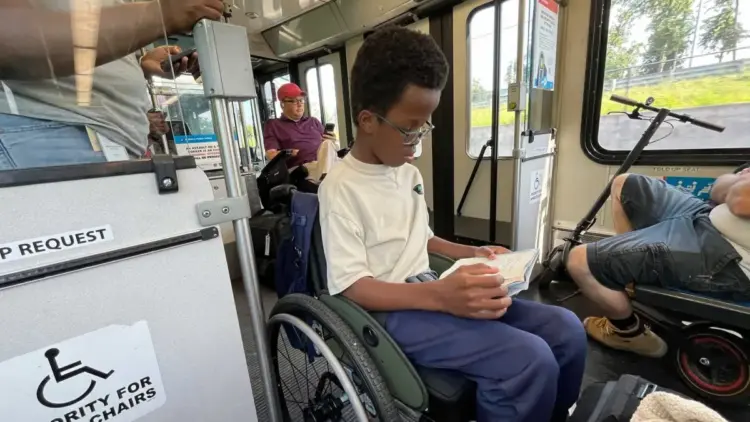
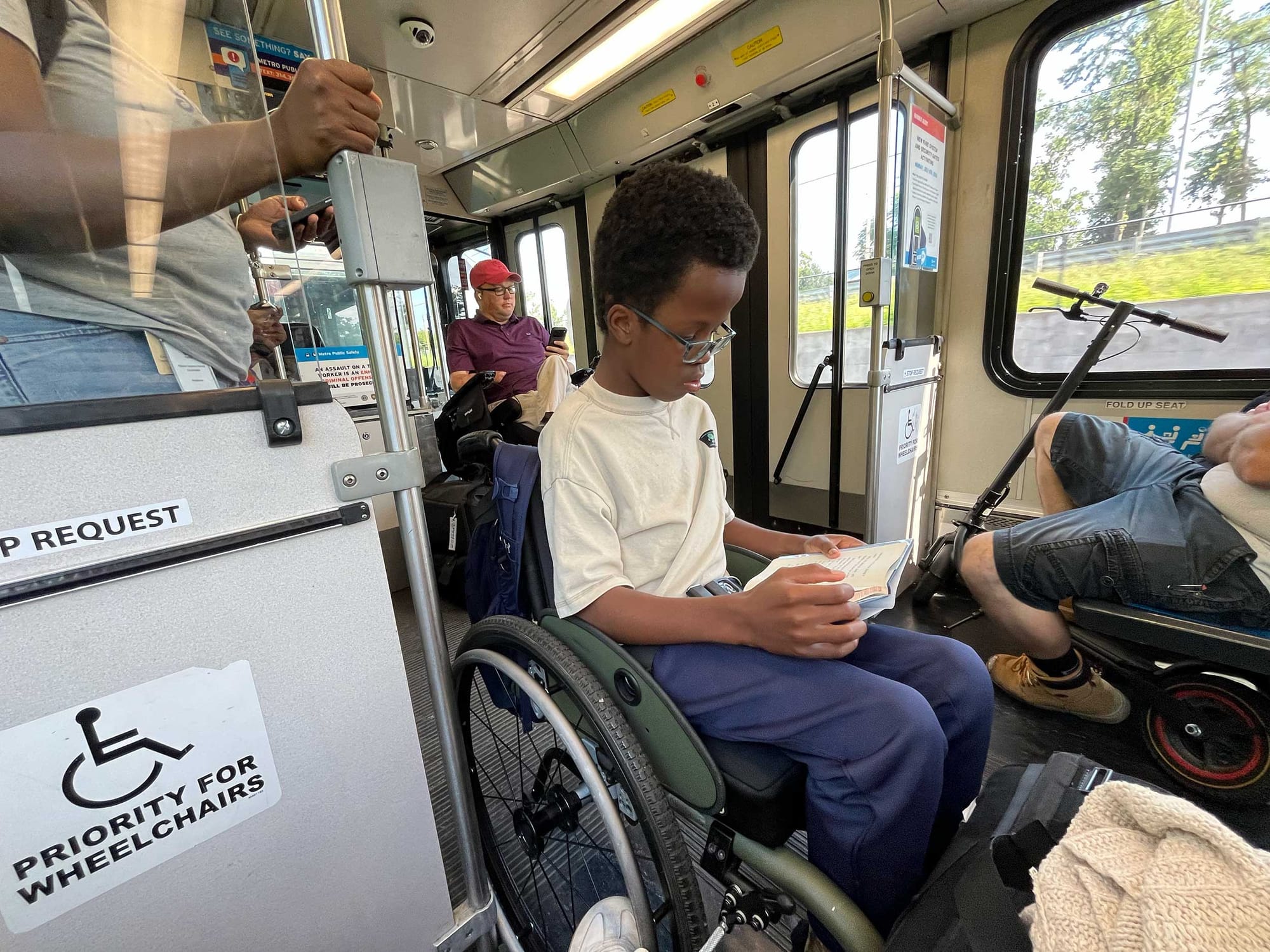
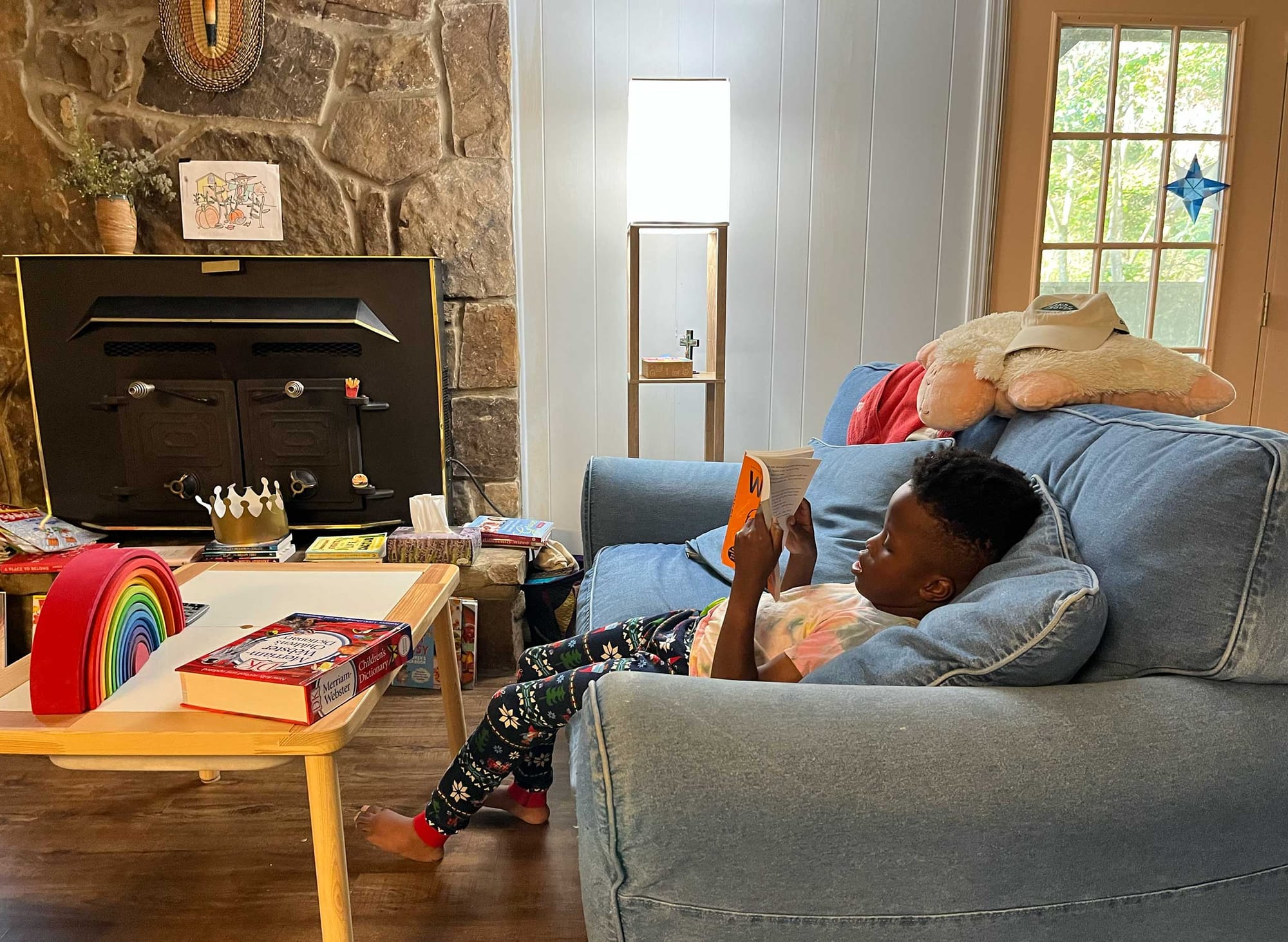
Whether enduring long hours on trains, waiting anxiously at boarding gates, or managing unexpected air travel delays, travellers frequently turn to books as a reliable remedy for transit downtime. A forthcoming article dedicated to family-friendly travel and boredom busters highlights literature as a cornerstone activity for the household. As a family that reads nearly every night—with membership in a close-knit book group spanning close to five years—the appreciation for literature runs deep.
This passion for the printed word found a striking new home base following a relocation to St. Louis, where the family secured library cards at the grand and historic Saint Louis Central Library. Described as possessing all the architectural gravitas one hopes for when surrounded by volumes of history and fiction, the landmark features inscriptions carved into its exterior stone. Among them is a quote by Andrew Carnegie: “I choose free libraries as the best agencies for improving the masses of the people because they only help those who help themselves. They never pauperize. A taste for reading drives our lower tastes.”
Inspired by the new surroundings and a longstanding desire to introduce audiences to impactful stories, the platform has compiled a curated reading list. Sifting through hundreds of titles read over the years, the selection distills the family’s top four recommendations across three distinct age groups, focusing primarily on disability literature—commonly referred to in the literary community as "disability-lit."
Early Childhood Picture Books
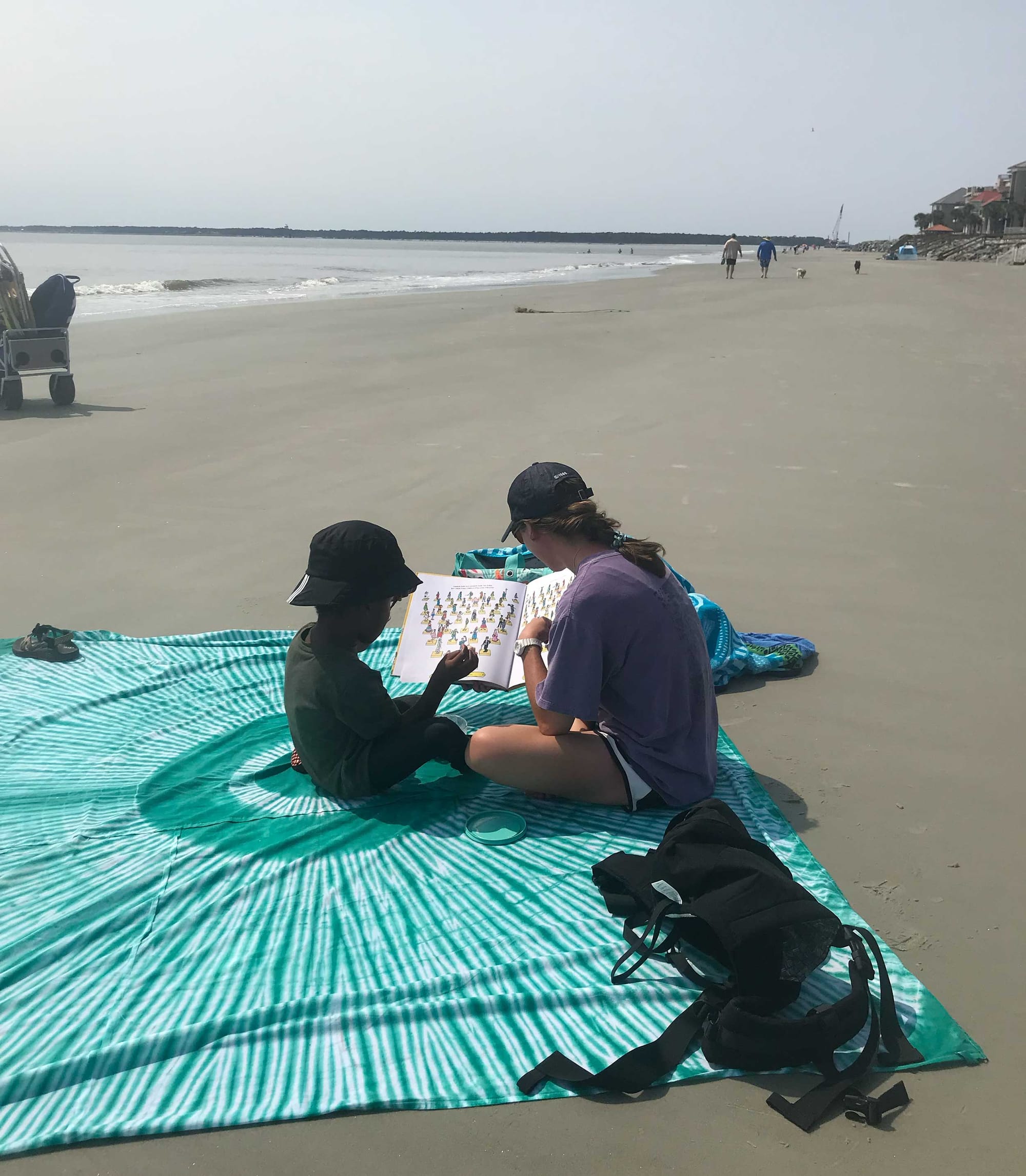
Introducing complex concepts of identity and accessibility to young minds often begins with picture books. Four titles stand out for their ability to serve as both "windows" into alternative perspectives and "mirrors" reflecting lived experiences, filling a historical void in children’s literature for disabled youth.
James Catchpole’s What Happened To You?, released to U.S. audiences in 2023, addresses the unspoken social dynamics and ingrained ableism frequently encountered by disabled children. Through the experiences of the main character, Joe, the book articulates everyday interactions with a clarity that many families find validating, offering a vocabulary to discuss social barriers that previously went unnamed.

Marilyn Singer’s Best Day Ever, illustrated by Leah Nixon, approaches disability representation through a lighthearted lens. The story centers on an upbeat puppy devoted to a young boy who happens to use a wheelchair, integrating disability naturally into the narrative without framing the entire plot around it.
Jordan Scott’s award-winning I Talk Like a River provides an authentic exploration of speech differences. Following a boy who draws a parallel between his stutter and the flow of a river with the help of his father, the book utilizes poetic prose and striking illustrations to resonate across generations, encouraging joint reading between parents and children.
Rounding out the early childhood category is Annette Bay Pimentel’s All the Way to the Top, an illustrated biography chronicling the childhood of disability rights activist Jennifer Keelan-Chaffins. By detailing Keelan-Chaffins’ participation in the historic Capitol Crawl, the book introduces young readers to disability history through the lens of a peer, emphasizing that children can actively contribute to a more accessible world.
Middle Grade Novels
As children transition into middle-grade readers, chapter books offer deeper explorations of character, adversity, and social dynamics. Several titles have earned permanent, well-worn places on family bookshelves through repeated readings.
Dusti Bowling’s Insignificant Events in the Life of a Cactus follows Aven, a protagonist born without arms who relocates with her family to a new state. Featuring humor, mystery, and a supporting cast that includes a friend with Tourette Syndrome, the novel explores a disability as a central yet non-defining trait of a rich, character-driven story.
Similarly, Rob Harrell’s Wink draws on the author’s own childhood experiences with a rare form of eye cancer. The protagonist, Ross, navigates a middle school diagnosis while leaning into humor, music, and the universal challenge of feeling like an outsider.
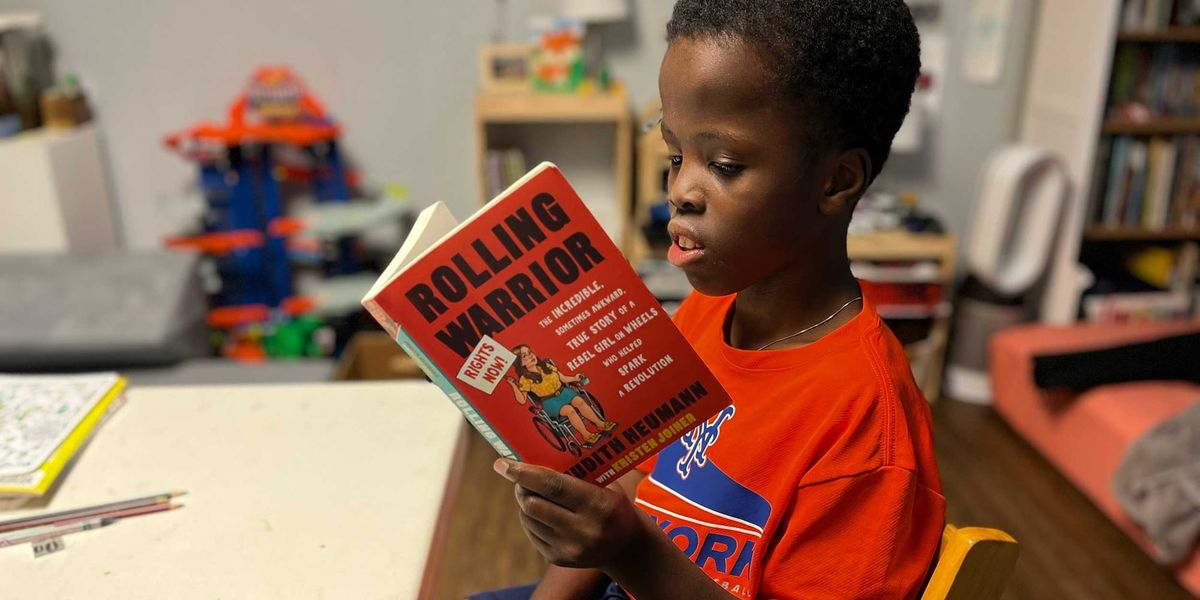
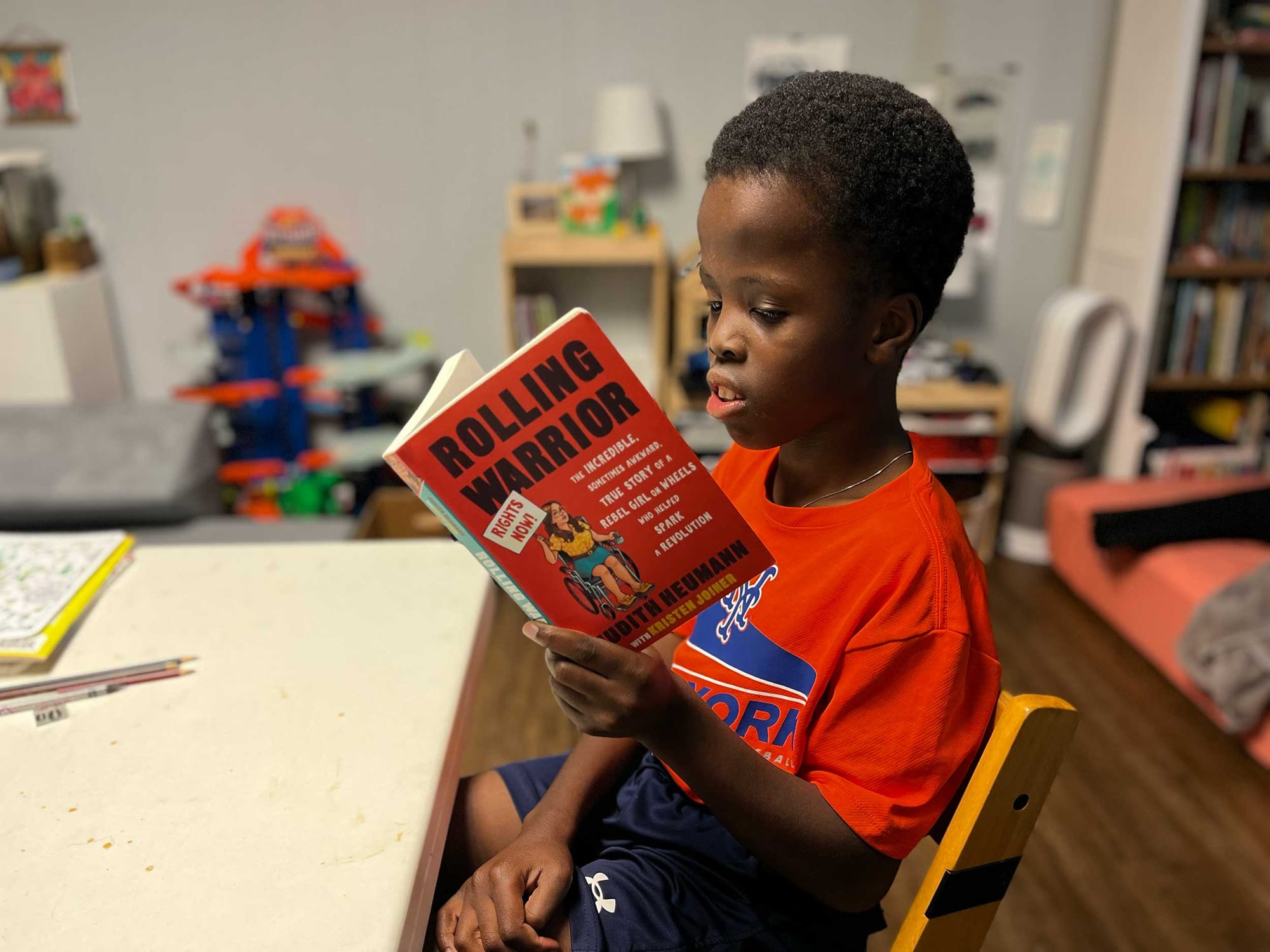
The adaptation of Judith Heumann and Kristen Joiner’s Rolling Warrior brings disability history directly to younger readers. Subtitled The Incredible, Sometimes Awkward, True Story of a Rebel Girl on Wheels Who Helped Spark a Revolution, the memoir introduces children to the persistence required to dismantle systemic barriers, bridging personal narrative with the broader disability rights movement.
Cerrie Burnell’s I Am Not a Label broadens this historical and cultural scope by profiling more than 30 disabled artists, thinkers, and activists. The collection counters restrictive societal expectations by offering diverse role models and expanding the imaginative horizons of its readers.
Titles for Young Adults and Adults
For mature readers, memoirs and essays offer nuanced reflections on identity, societal structures, and the human experience from disabled authors who refuse to gloss over reality.
Rebekah Taussig’s Sitting Pretty presents a series of insightful essays unpacking disability both personally and within the broader context of modern society. The work challenges readers to reexamine their own perceptions with a blend of unflinching honesty and enduring hope.
Ariel Henley’s A Face for Picasso delivers a raw and poignant account of growing up with Crouzon Syndrome, a condition characterized by the premature fusion of cranial bones. The memoir tackles questions of beauty, identity, and societal appearance standards with bold transparency.
Judith Heumann’s comprehensive memoir, Being Heumann: An Unrepentant Memoir of a Disability Rights Activist, co-written with Kristen Joiner, chronicles the life of a central figure in the American disability rights movement. From organizing the historic 504 Sit-In and advocating for the passage of the Americans with Disabilities Act to advising the U.S. State Department under the Obama administration, Heumann provides an inside account of major legislative milestones.
Haben Girma’s Haben: The Deafblind Woman who Conquered Harvard Law shares the author’s journey of adaptation and advocacy. Rather than framing her achievements simply as overcoming a personal deficit, Girma highlights the necessity of navigating a world that often fails to accommodate diverse needs, framing disability as a catalyst for innovation.
As community members explore these titles through local institutions like the Saint Louis Central Library, travelers are also reminded to inquire about supplementary library card benefits. Public libraries across the United States frequently extend perks beyond book lending, occasionally offering free or discounted admission to regional museums and cultural attractions.