As educators continually seek innovative ways to support the holistic development of children and adolescents, a growing movement in classrooms is turning to a surprisingly simple medium: daily quotes. While inspirational phrases have long adorned school walls as passive decor, educators are increasingly utilizing carefully selected statements as active instructional tools to cultivate and strengthen executive functioning skills among students of all ages.
Executive functioning encompasses the complex set of neurological processes that govern how individuals plan, focus, remember instructions, manage multiple tasks successfully, and regulate their behavior. Experts note that these cognitive abilities are vital not only for academic achievement in subjects ranging from mathematics to literature, but also for lifelong success outside the classroom setting. Because young people possess actively developing minds, researchers and educators emphasize that targeting executive functioning skills during formative school years can lay a durable foundation for future independence and problem-solving.
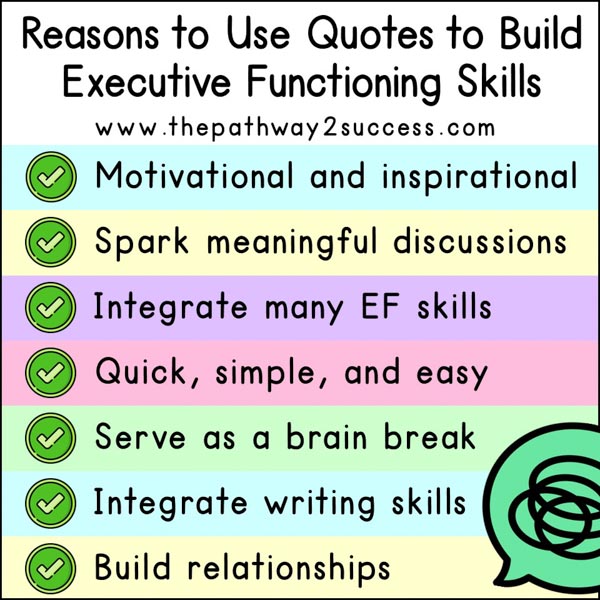
The approach integrates the analysis of targeted quotations into daily routines, transforming a brief reading exercise into a deep cognitive and emotional engagement. Rather than merely presenting a pleasant thought, teachers are utilizing statements designed to provoke critical thinking and prompt learners to draw direct parallels to their own daily lives, academic challenges, and personal growth.
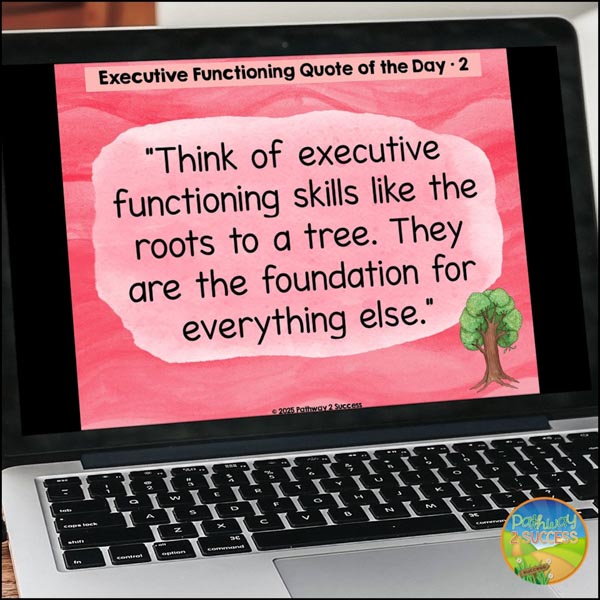
At the heart of this instructional strategy is the understanding that executive functioning skills operate as the underlying architecture for nearly every conscious action a student takes. Educators describe these cognitive processes metaphorically as the roots of a tree, serving as the essential bedrock that supports everything else a student attempts, whether initiating a difficult homework assignment, maintaining attention during a classroom discussion, or working through an unexpected obstacle. By framing these mental processes in relatable terms, teachers help students grasp why developing skills such as time management, organization, and self-control is fundamentally important to their personal autonomy.
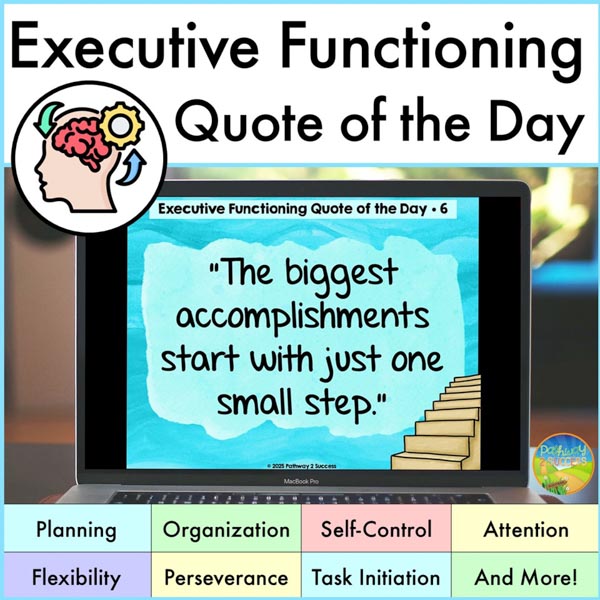
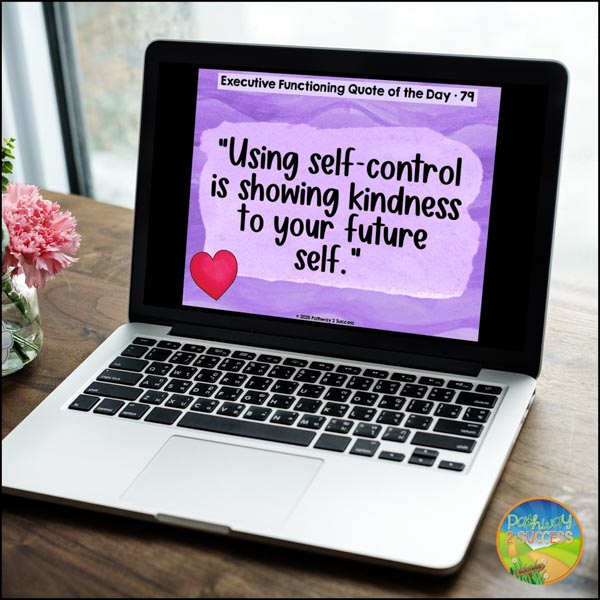
Central components of executive functioning targeted through this method include self-control, which is frequently reframed for students as an act of consideration for one’s future self. When a student chooses to organize a binder or study ahead of an exam despite a lack of immediate enthusiasm, they are exercising a form of self-kindness that yields long-term benefits. Discussions centered around this concept encourage learners to evaluate their choices through the lens of personal investment and foresight.
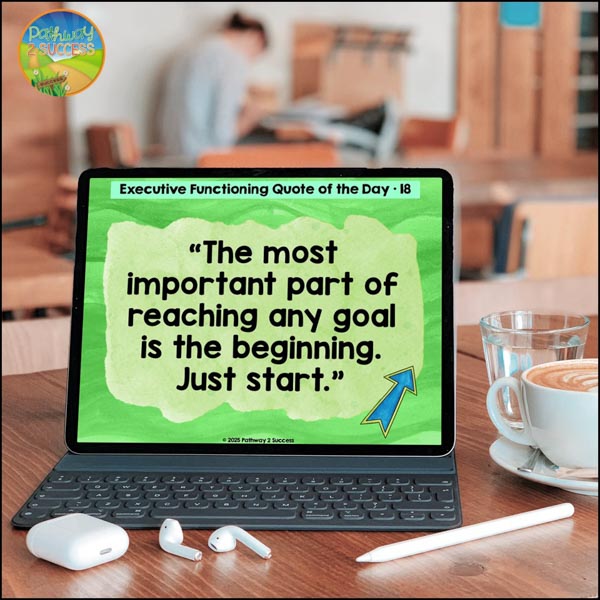
Another critical area addressed through quote analysis is task initiation—the often daunting ability to take the first step toward completing an assignment or reaching a goal. Educators point out that getting started is frequently the most significant hurdle for struggling learners, and exploring quotes centered on momentum helps students identify practical strategies to overcome hesitation and build steady progress.
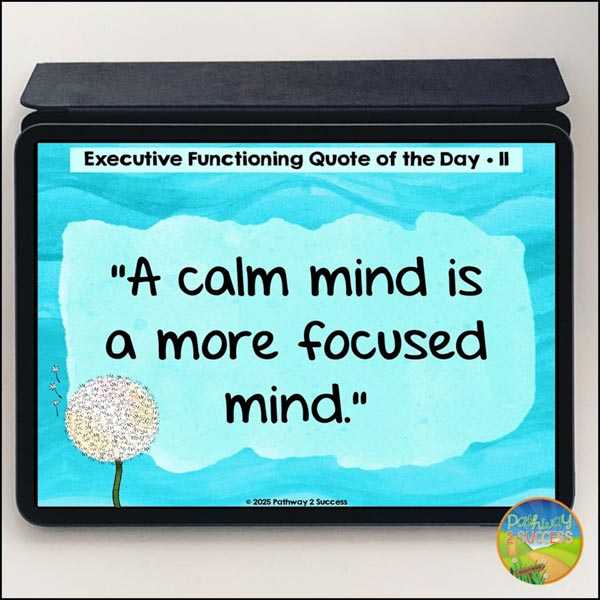
Attention and emotional regulation are similarly intertwined within this framework. Educational discussions often highlight the connection between emotional tranquility and cognitive focus, reinforcing the idea that cultivating a calm mind directly enhances a student’s capacity to process information and execute complex tasks efficiently. By exploring how relaxation strategies support concentration, students learn to recognize their own internal states and apply calming techniques when feeling overwhelmed.
Perseverance and flexibility round out the core competencies frequently explored through daily classroom dialogue. Perseverance teaches students the value of persistence in the face of academic and personal difficulties, encouraging a mindset that simply values keeping going when challenges arise. Meanwhile, cognitive flexibility empowers learners to recognize that complex problems often have multiple viable solutions, fostering adaptive thinking, perspective-taking, and effective problem-solving when initial plans encounter roadblocks.
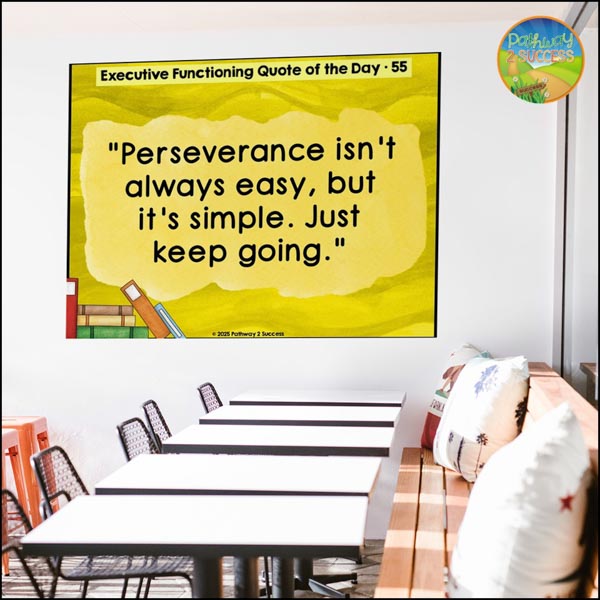
To support these classroom initiatives, educators have begun incorporating structured resources, such as yearlong collections of daily quotes accompanied by guided discussion questions and targeted skill frameworks. These tools are designed to streamline the integration of executive functioning instruction into everyday schedules, offering teachers flexible options to spark meaningful conversations without disrupting traditional curricula.
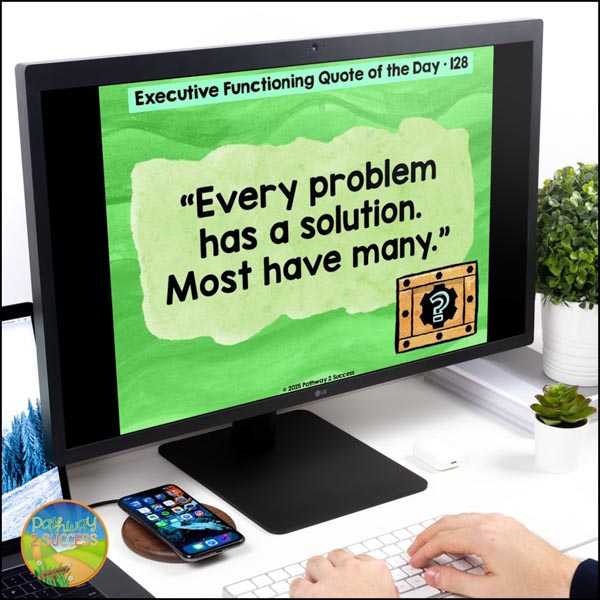
As schools continue to adapt to the diverse cognitive and emotional needs of modern students, the integration of thoughtful dialogue around foundational life skills offers a promising pathway toward enhanced student engagement and resilience. By intentionally weaving these discussions into the daily school rhythm, educators are providing students with the cognitive vocabulary and mental frameworks necessary to navigate both academic challenges and the complexities of daily life.