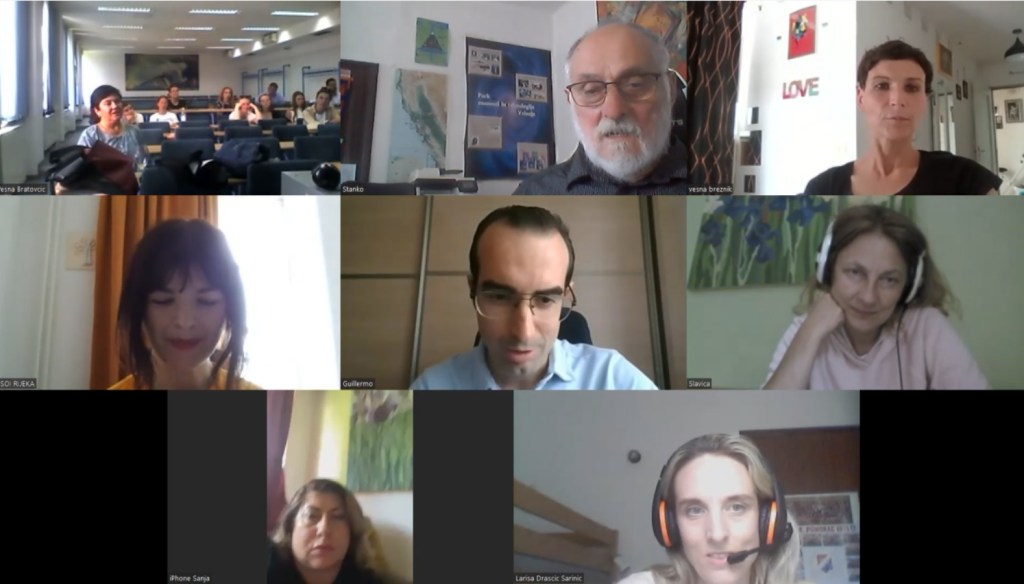
The evolving landscape of modern healthcare and social inclusion took center stage during a recent international academic gathering. Titled “Holistic approach to health — a trend in the 21st century,” the symposium was hosted virtually via Zoom, bringing together academics, researchers, students, and institutional representatives from across Europe to discuss progressive methodologies in patient and community wellbeing.
The online event was organized under the leadership of Professor Vesna Bratovčić, Vice-Rector at the University of Tuzla. Dr. Bratovčić brought together a diverse international community of thinkers and practitioners dedicated to redefining how health, wellness, and physical ability are approached in contemporary society. A notable contingent of guest students from Munich, Germany, participated in the virtual conference, gaining valuable exposure to cutting-edge tools and methodologies developed through various collaborative international projects. The curriculum of the symposium placed a special emphasis on persons with disabilities, exploring how modern holistic frameworks can be tailored to meet their unique physical, psychological, and social needs.
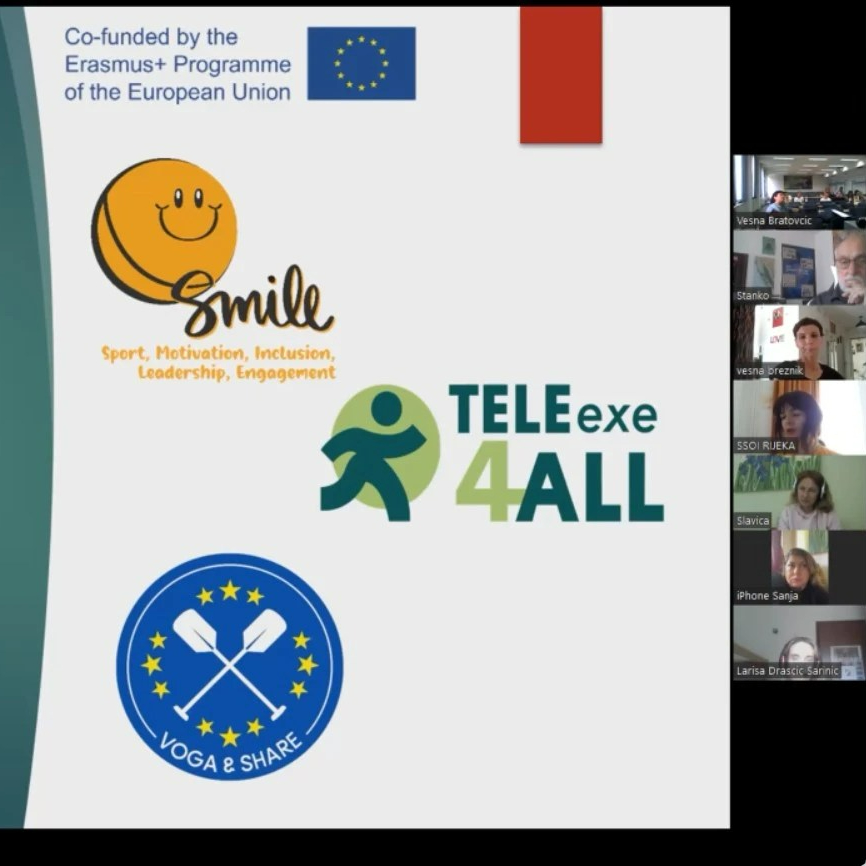
The symposium served as a collaborative platform for representatives of partner organizations from Croatia, Spain, and Slovenia. These delegations shared comprehensive research findings, practical insights, and empirical data gathered from ongoing cross-border initiatives. The discussions highlighted the urgent need to bridge the gap between traditional medical models and holistic wellness practices, emphasizing that physical health, mental wellbeing, and social integration are deeply interconnected.
A central highlight of the academic gathering was the presentation of the #SMILE initiative, an innovative project co-funded by the European Union’s #ErasmusPlus program. The project was showcased as a benchmark of good practice by the Croatian partner organization, the Rijeka sports association for persons with disabilities.
The #SMILE acronym stands for Sport, Motivation, Inclusion, Leadership, and Engagement. This ambitious framework seeks to analyze and reshape the dynamic relationship between athletic participation and social inclusion through an innovative lens. By facilitating international participation in sporting activities specifically tailored for individuals with intellectual disabilities and mental health challenges, the project challenges traditional perceptions of what people with diverse abilities can achieve.
Organizers and presenters at the symposium emphasized that the SMILE initiative does much more than simply promote physical fitness. It actively contributes to increasing the societal integration of people with intellectual disabilities, fostering a deep-seated perception that European Union rights belong equally to them. During the event, discussions underscored how fundamental EU rights—such as the freedom of movement and residence for European citizens—must be practically guaranteed for individuals with disabilities. The initiative champions the core European commitment to ensuring that persons with disabilities possess the same real, enforceable right to freedom of movement as any other citizen.
This philosophy was effectively translated from theory into practice earlier this year. In April 2023, the SMILE initiative organized a landmark international sporting event designed to provide participants with intellectual disabilities a tangible experience of free movement and residence across borders. By bringing athletes together in an international sporting environment, the event demonstrated how policy, sport, and human rights can successfully intersect to dismantle barriers and foster a truly inclusive European society.
The symposium concluded with renewed commitments from the participating universities, associations, and student groups from Tuzla, Munich, Croatia, Spain, and Slovenia to continue their collaborative efforts. By integrating holistic health principles with inclusive sports programs, the organizers and participants hope to inspire broader institutional changes and set a new standard for accessibility and wellbeing across the continent in the 21st century.