The great outdoors has long been celebrated for its physical and mental health benefits, but educators and researchers are increasingly looking at nature through a cognitive lens. Being outside—whether in a sprawling national park, a neighborhood green space, or just outside a school building—offers a deeply motivating and engaging environment that can significantly aid in the development of executive functioning skills in children and teenagers.
Executive functioning refers to the foundational, brain-based abilities that individuals utilize to plan, organize, initiate, and successfully complete tasks. These cognitive processes encompass a wide range of individual skills, including sustained attention, working memory, cognitive flexibility, self-control, and metacognition. People rely on these core capabilities in virtually every aspect of daily life. They are critical for acquiring new academic concepts, building solid educational foundations, and fostering healthy interpersonal relationships. Furthermore, strong executive functioning is essential for personal well-being, helping individuals navigate daily stressors and perform at their best.
While these cognitive skills can be cultivated through various indoor methods, proponents of outdoor education argue that nature acts as an ideal environment to naturally boost attention, self-regulation, and mental flexibility. Research underscores the profound impact that the natural world has on human biology and psychology. Studies indicate that spending as little as 20 minutes outdoors can significantly reduce stress hormones. Broader demographic research involving tens of thousands of participants has shown that individuals who spend at least two hours a week immersed in nature are substantially more likely to report positive overall well-being. Comprehensive scientific literature reviews further link nature exposure to improved mental health, better sleep patterns, enhanced cognitive function, and increased attention spans, alongside opportunities for physical activity and social connection.
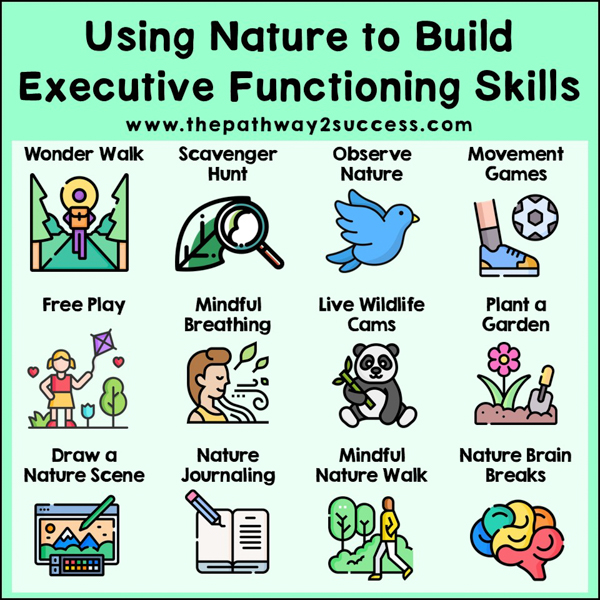
Given these documented benefits, educators, parents, and youth advocates are exploring a wide array of nature-based activities designed to intentionally stimulate these cognitive pathways. Rather than relying solely on traditional classroom instruction, incorporating the environment into skill-building exercises allows young people to experience the restorative effects of the outdoors while actively developing cognitive control.
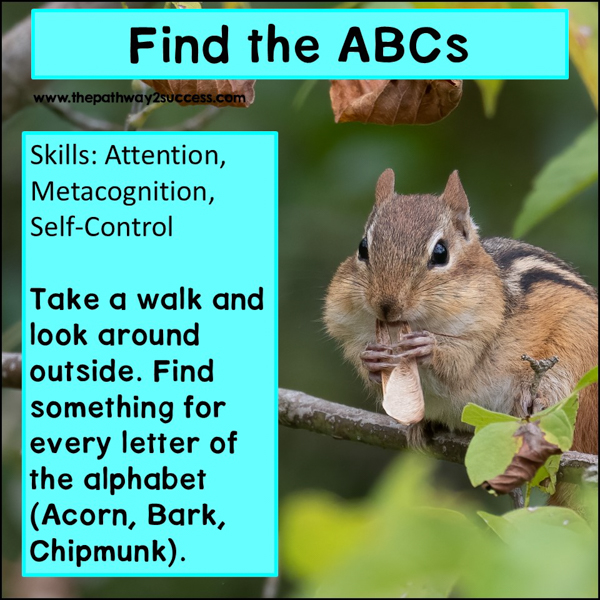
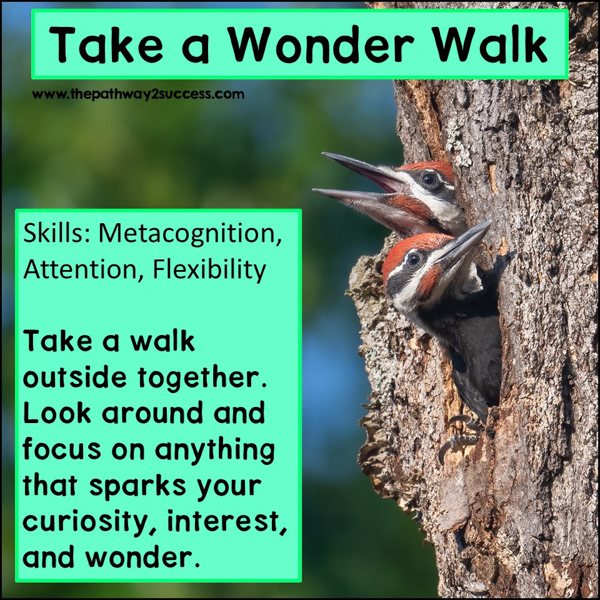
One approach gaining traction is the "Wonder Walk," an outdoor excursion designed to foster metacognition, sustained attention, cognitive flexibility, and intrinsic motivation. During these walks, participants give deliberate focus to elements of the environment that spark their curiosity and wonder. By articulating what captures their interest—such as pondering why the sky is blue or how animals communicate—children and teenagers engage in deep questioning and critical thinking that can later be expanded through structured research.
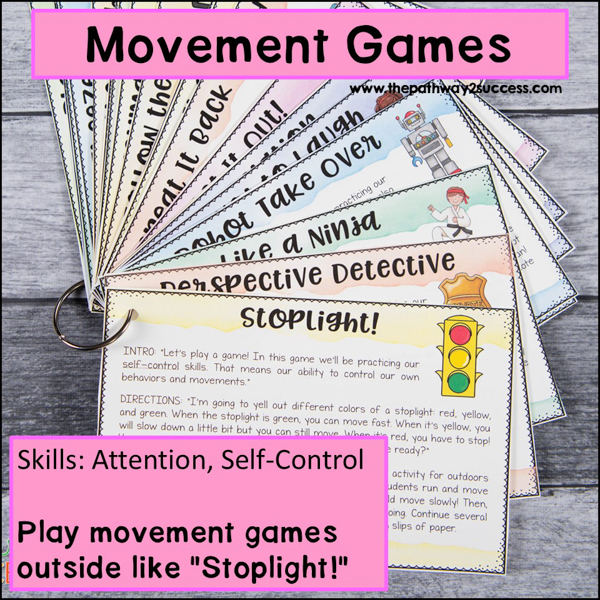
Similarly, observational games like searching for the alphabet in the natural environment help young learners practice targeted attention and self-control. By identifying natural objects corresponding to sequential letters—from air and acorns to overhead airplanes—participants learn the mechanism of directing their focus toward a specific objective, acknowledging distractions, and successfully returning to the task at hand. This hands-on application of attention control mirrors the mental filtering required in academic settings.
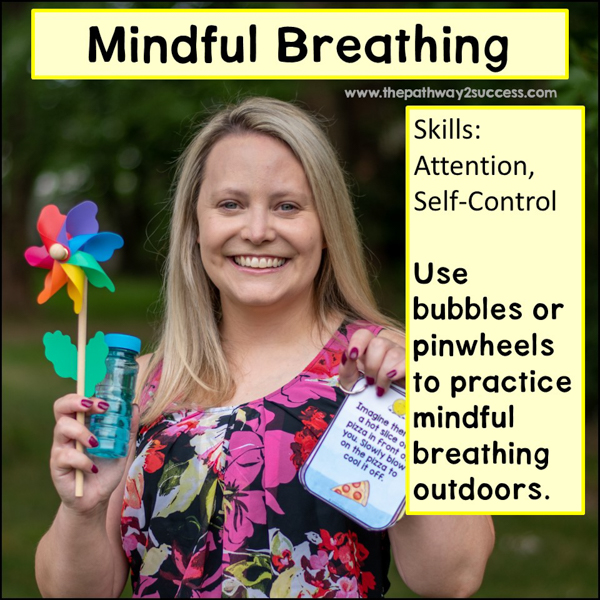
Self-regulation and emotional grounding are also heavily emphasized through outdoor mindfulness practices. Engaging in deep breathing exercises while surrounded by nature helps youth build internal calm and self-control. Activities such as slow breathing while utilizing props like bubbles or pinwheels, or practicing themed breathing techniques that reflect seasonal wildlife, provide tangible strategies that children can deploy whenever they require enhanced focus and emotional regulation. These practices can be supplemented with portable mindfulness cards, making the strategies easily transferable to various environments.
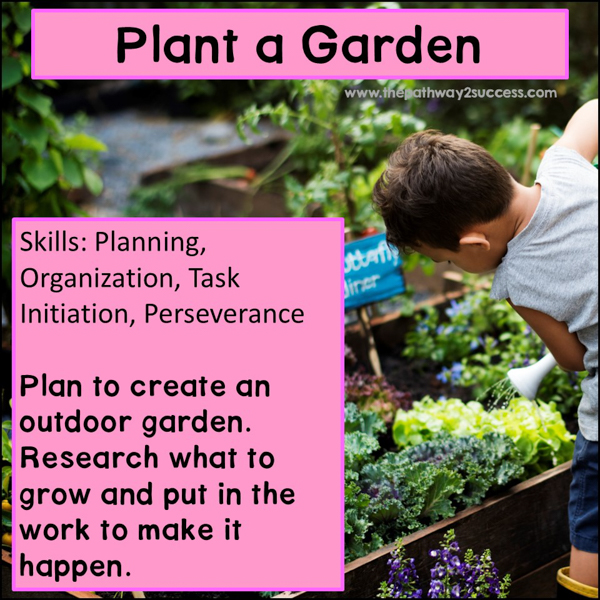
Beyond immediate attentional exercises, larger collaborative projects like planning and planting a garden offer robust training in long-term executive functions, such as planning, organization, and task initiation. The preparatory phase requires young participants to research suitable plant varieties, determine appropriate growing strategies, and list required materials like soil, seeds, and tools. This upfront organizational work translates directly into project-based perseverance as they navigate the sustained time and effort required to maintain a growing garden.
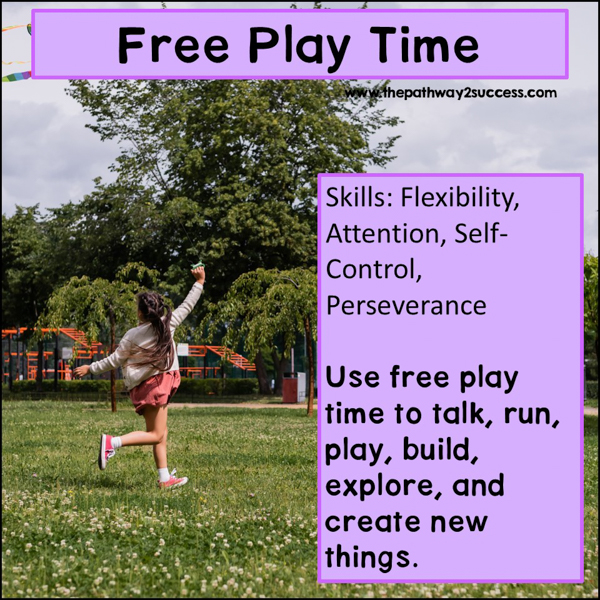
Unstructured free play in natural settings provides another critical avenue for developing flexibility, attention, self-control, and time management. In an increasingly scheduled world, dedicated time for free play allows young people to independently explore, navigate social dynamics, solve emergent challenges, and build resilience without direct adult intervention. When guidance is helpful, simple prompts to explore or build encourage children to manage their time and adapt to changing outdoor conditions.
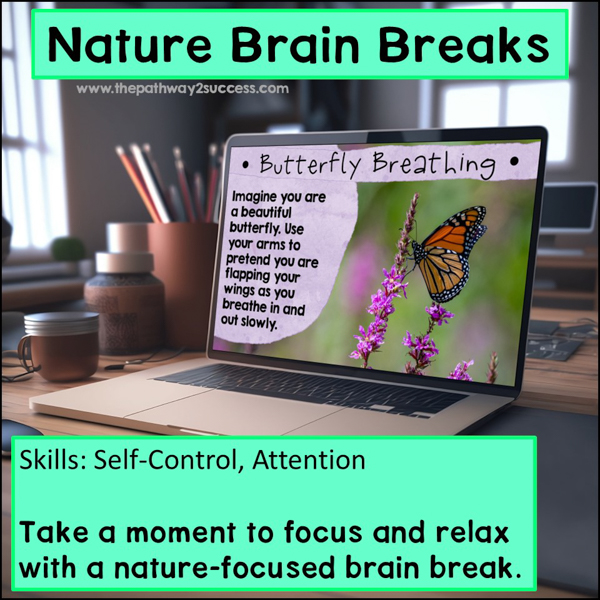
To maintain cognitive engagement throughout the day, educators often integrate nature-focused brain breaks. These brief pauses remind learners that cognitive abilities naturally require periods of rest to replenish. Whether stepping outside for a short observation period or engaging in a guided visualization exercise mimicking a hawk flying over a landscape, these breaks support emotional self-regulation and renewed focus.
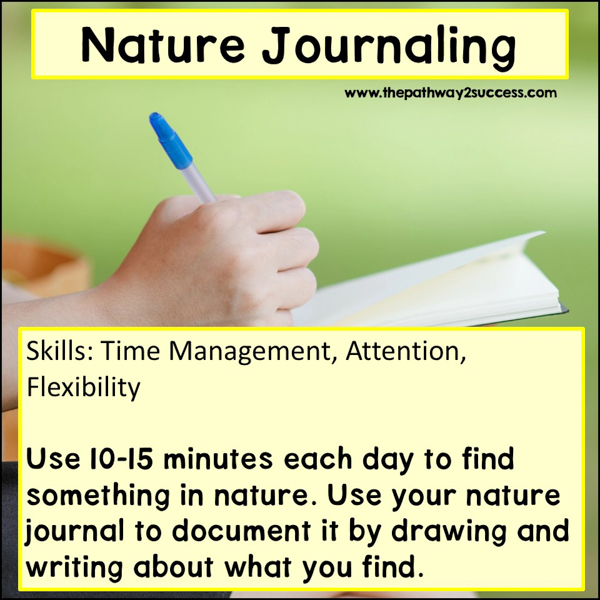
Mindful nature walks further reinforce these benefits by encouraging participants to intentionally slow down and engage all five senses. By taking the time to notice sights, sounds, smells, and textures, and subsequently reflecting on their observations, young people strengthen their self-regulation and observational capacities. This practice of slow, deliberate attention is mirrored in nature journaling, where daily documentation through drawing and writing encourages time management and creative flexibility.
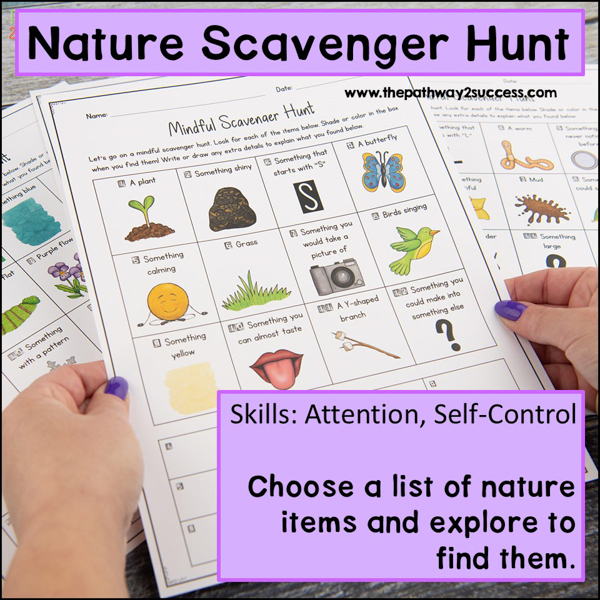
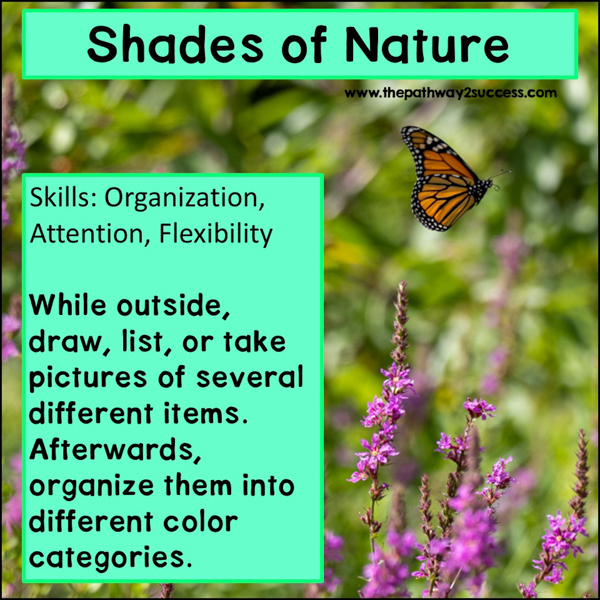
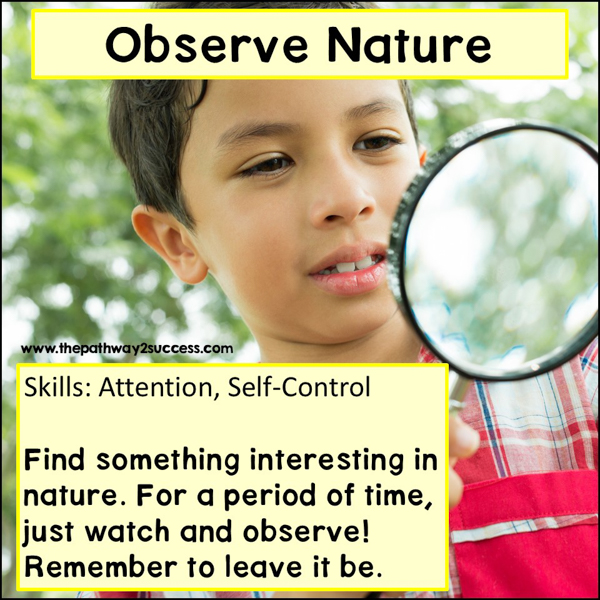
Structured observational activities, such as nature scavenger hunts and color-sorting exercises using clipboards, actively activate background knowledge and organizational skills. By searching for specific items or categorizing natural finds by color, participants practice systematic observation and mental categorization. Similarly, simply sitting quietly to watch an insect or a changing landscape builds sustained attention and self-control by encouraging patience and a respect for natural processes.
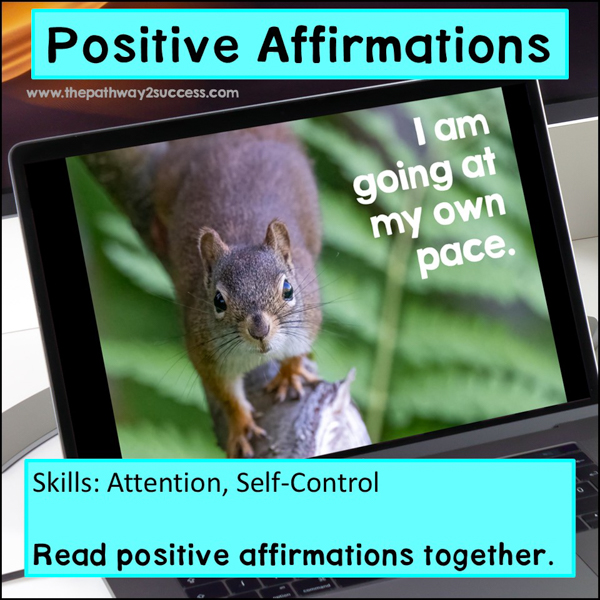
Supportive internal dialogue is another vital component of task initiation and emotional coping. Engaging with positive affirmations, particularly those themed around nature and wildlife, helps youth build the self-confidence necessary to tackle challenging assignments and regulate their emotions effectively.
When physical access to the outdoors is limited, educators and caregivers frequently utilize live wildlife cameras to bridge the gap. Observing species such as ospreys, bald eggs, or zoo animals through continuous video feeds allows young people to monitor ecological changes and animal behaviors over extended periods, fostering attention and cognitive flexibility from indoors.
Community-oriented activities, such as organizing a clean-up of a local park or green space, introduce practical organization, task initiation, and time management while simultaneously instilling civic responsibility and empathy. By collaborating on a shared environmental goal, participants experience the direct relationship between structured planning and community impact.
Finally, integrating creative arts with the natural environment—such as sketching a flowing river or painting a forest path—requires a synthesis of attention, visual planning, and organizational foresight. By committing a natural scene to memory and translating it onto paper, young learners engage multiple executive functioning systems simultaneously, bridging analytical thought with creative expression as they continue to monitor and adapt to the changing world around them.