In the modern classroom and everyday life, children and adolescents face an unprecedented array of distractions, academic pressures, and fast-paced environments. Helping students navigate these challenges requires more than just traditional instruction; it demands the cultivation of critical executive functioning skills. Among the most vital of these is self-monitoring, an evidence-based approach that empowers kids and teens to manage their behaviors, sharpen their attention, and successfully meet their goals.
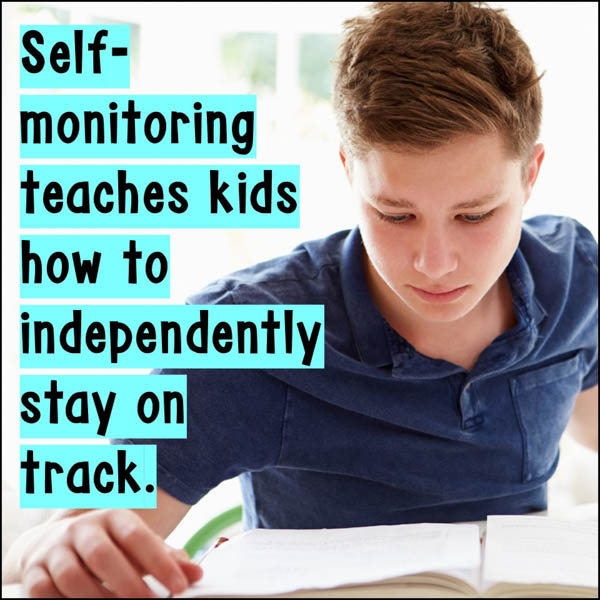
Educational experts emphasize that the core concept of self-monitoring is remarkably straightforward. By paying active attention to their actions in the moment, young people can learn to realign their current behavior with their intended objectives. For learners of all ages, developing the capacity to self-monitor serves as a foundational key to long-term academic and personal success. Without this vital skill, students can easily lose sight of their assignments, stray off course, and struggle to reach their full potential.
Understanding the Mechanics of Self-Monitoring
At its core, self-monitoring is the process of pausing to check in with oneself to ensure that progress remains aligned with established goals. Strong self-monitoring skills act as an internal compass, keeping students focused by directing their efforts toward productive outcomes. When individuals fail to monitor their own behavior, they frequently lose track of tasks, resulting in missed deadlines and incomplete work. Consequently, educators view self-monitoring not only as an essential academic competency required in the classroom but also as a fundamental life skill necessary for navigating all facets of the human experience.
Self-monitoring manifests in numerous everyday scenarios. Individuals rely on it to maintain attention during conversations, ensuring active engagement while someone shares a story. In academic settings, students use self-monitoring to push through rigorous assignments, resist distractions, and beat deadlines. Examples of this skill in action range from maintaining focus during independent reading time to sustaining attention during complex group projects.
Crucially, experts stress that self-monitoring is not an innate trait that some children possess and others lack; rather, it is an ability that can be systematically learned and strengthened over time through consistent practice. Just as physical muscles grow stronger with exercise, a child’s capacity for self-monitoring can be developed. While maintaining focus on difficult or unappealing tasks is inherently challenging for anyone, intentional classroom strategies can help students make better choices, foster greater independence, and ultimately feel their absolute best.
Cultivating Metacognition and an Inner Thinking Voice
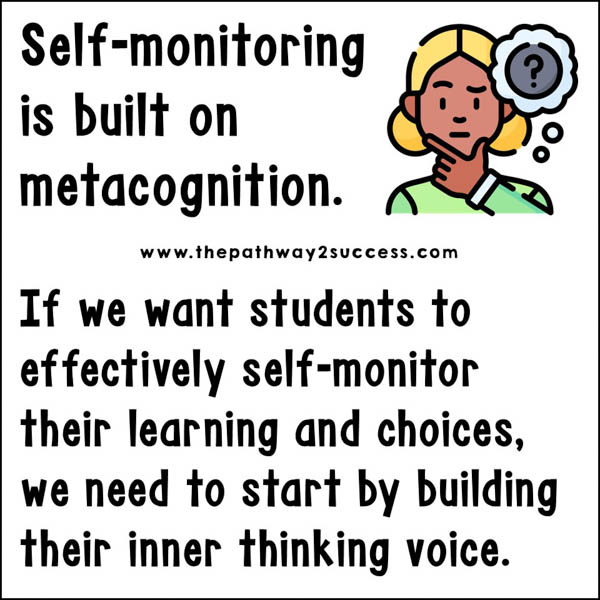
The foundation of effective self-monitoring rests upon metacognition—the ability to think about one’s own thinking. To build this vital capability, educators encourage the development of an inner thinking voice through structured strategy discussions held before, during, and after classroom tasks.
Following the completion of an assignment, teachers frequently lead classroom conversations to evaluate the learning process. For example, after a collaborative math activity, students might discuss how maintaining focus became increasingly difficult as the problems grew more complex. Similarly, during reading periods, a student might reflect on how boredom with a particular book caused their attention to drift. These discussions provide invaluable opportunities for students to recognize challenges in the exact moment they occur and collaborate on strategies to work through them constructively.
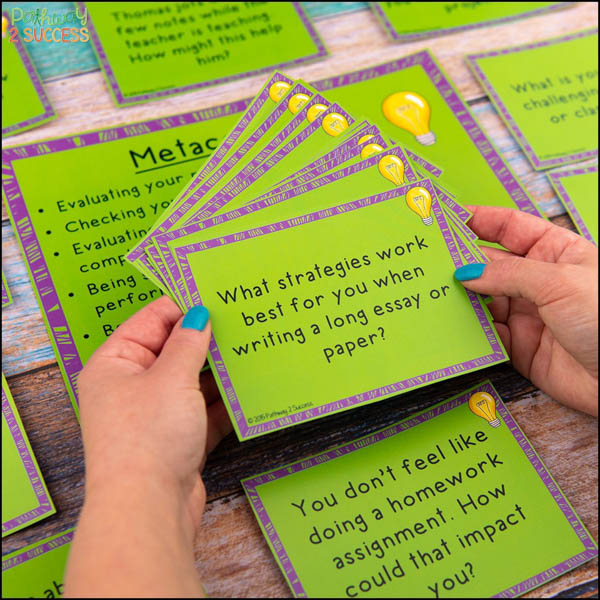
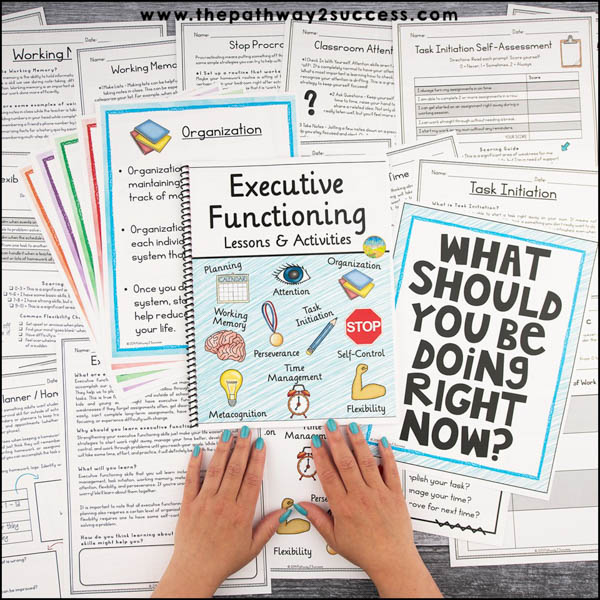
By integrating reflective conversations into the daily routine, students learn to anticipate obstacles and evaluate their progress from start to finish. Discussions centered around daily reflections help synthesize what has been learned, while specialized executive functioning discussion cards offer a seamless way to weave metacognitive practice into brief transitions between activities.
Establishing Clear Objectives and Intentional Pauses
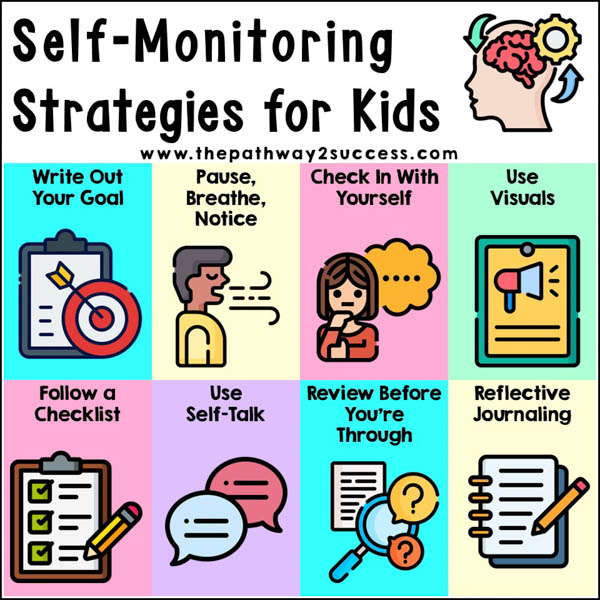
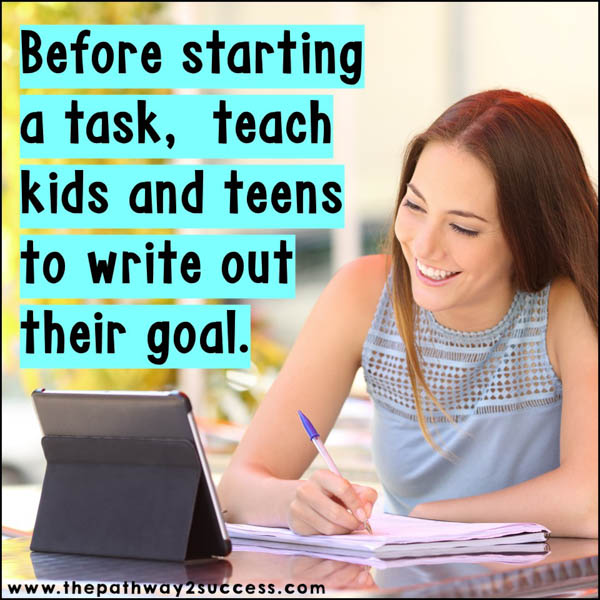
Before a student can successfully monitor their progress, they must first clearly identify their destination. Educators often have kids and teens write down their specific objectives on index cards or sticky notes before beginning a working session. A student sitting down for a study hall, for instance, might write out a direct reminder of their task, such as reading a specific chapter of an English novel. This physical manifestation of a goal serves as an ongoing reminder of the task at hand while fostering a sense of personal ownership over their behavior.
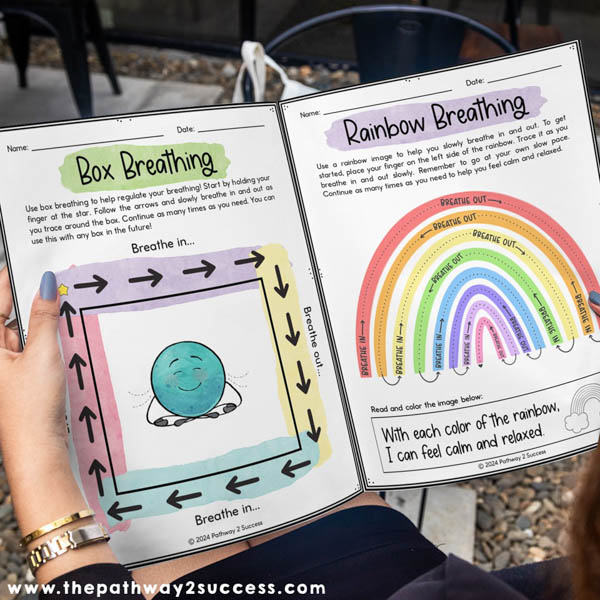
Alongside goal-setting, teaching children to pause, breathe, and notice their current state is vital. Living in a fast-paced culture makes pausing exceptionally difficult, but simple deep-breathing routines offer a practical remedy. By sitting comfortably, breathing slowly, and paying attention to the physical sensation of the breath, students learn the art of the intentional pause. This breathwork acts as a behavioral framework that makes checking in with oneself possible. Furthermore, mindful breathing is recognized as an evidence-based strategy that supports emotional regulation, stress management, and sustained focus across multiple age groups.
Periodic Check-Ins and the Power of Self-Talk
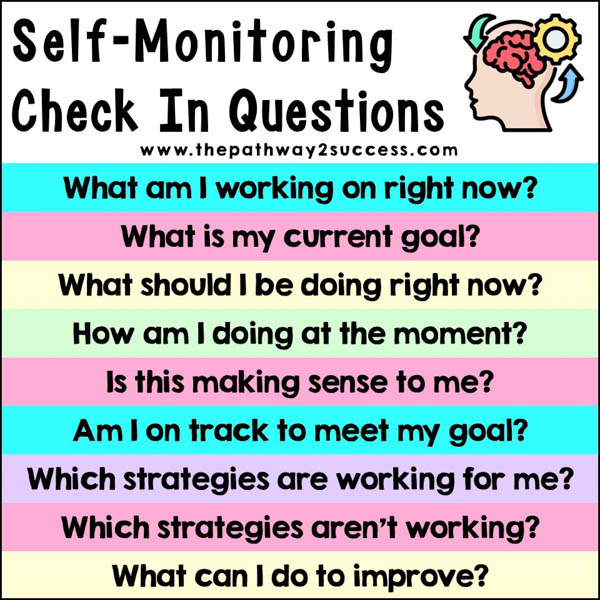
As students work, prompting them to perform structured check-ins encourages the inward focus required for effective self-monitoring. Educators can guide this process by introducing chimes or brief intervals during testing or independent work, prompting learners to pause halfway through and assess their trajectory. By asking targeted questions about their current progress, students learn to evaluate whether their current approach is working and make necessary adjustments in real time.
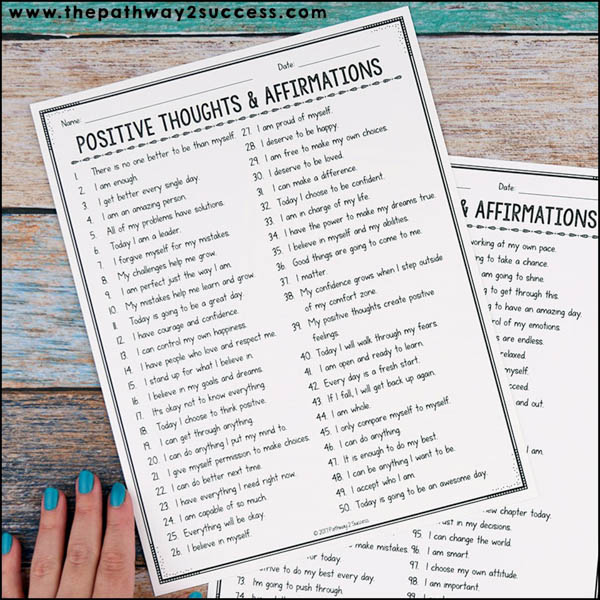
Complementing these check-ins is the deliberate use of positive self-talk. The phrases and words individuals repeat internally significantly impact their confidence, emotional regulation, and resilience. When paired with self-monitoring, positive affirmations help students encourage themselves through difficult moments, manage frustration, and remain committed to their original objectives.
Utilizing Visuals, Checklists, and Behavioral Supports
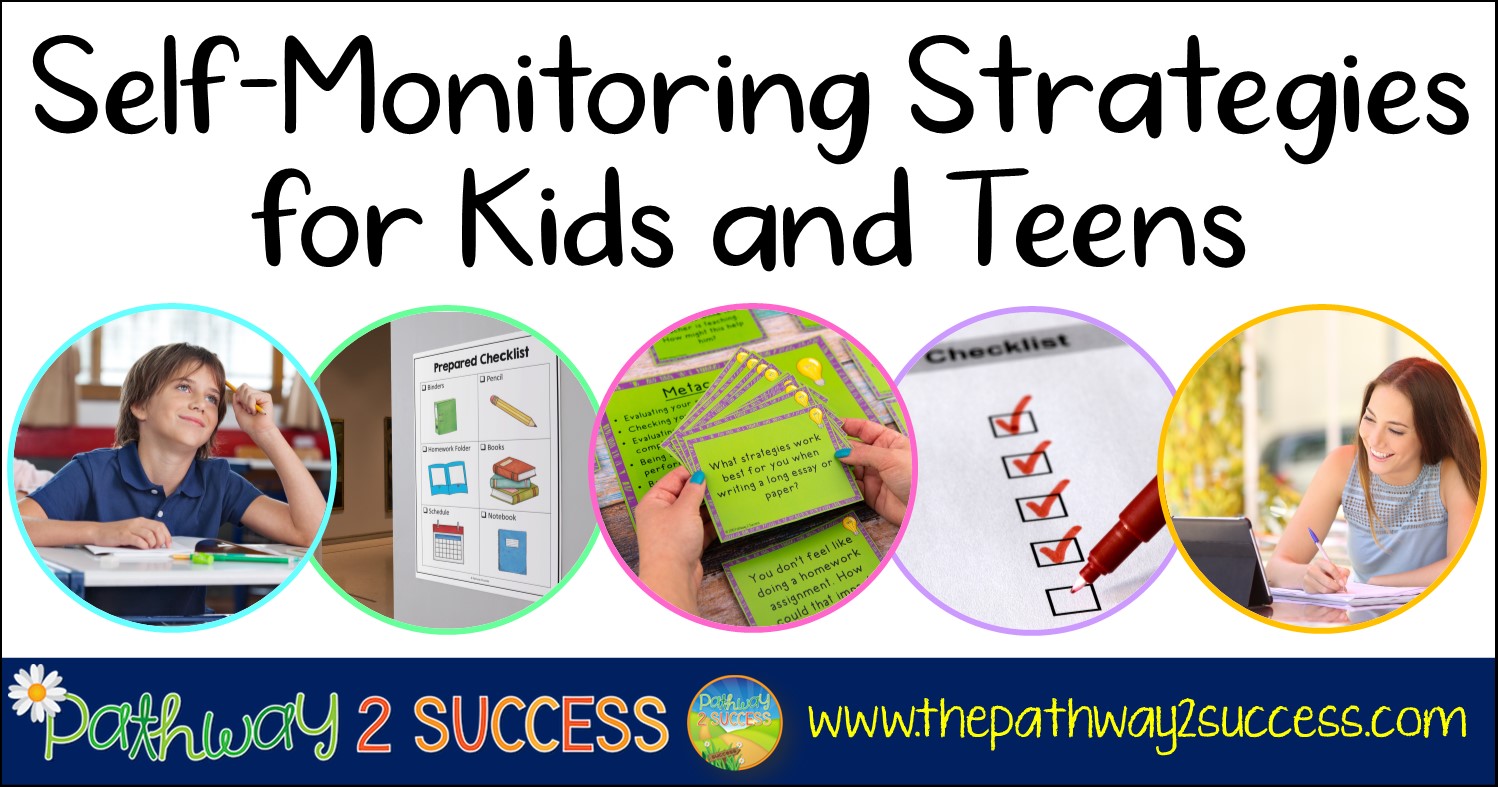
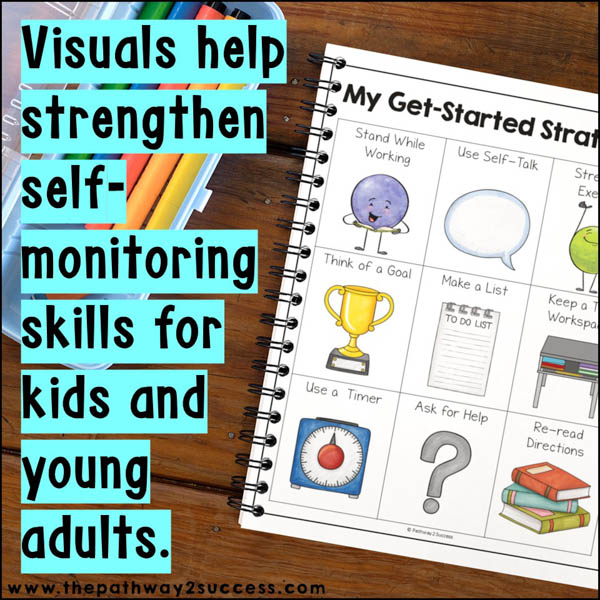
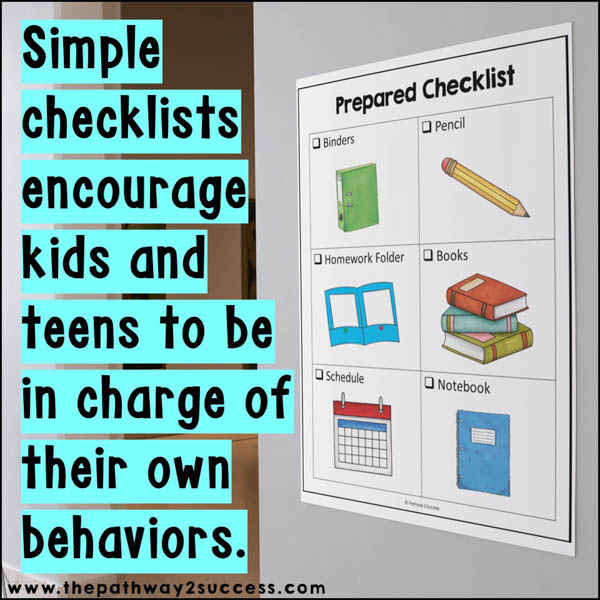
To reinforce these cognitive strategies, many classrooms rely heavily on visual supports and structured tools. Visual reminders can prompt a distracted student to check their progress, refocus their attention, or transition smoothly between tasks. Checklists for multi-step activities offer another customizable option that promotes independence, allowing students to check off completed steps and track their journey toward a finished product.
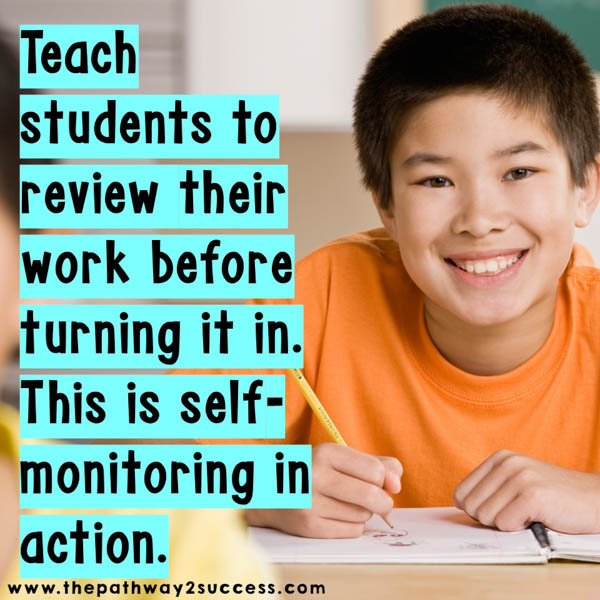
Additional structural supports, such as tally charts and timed work sessions, provide concrete ways for students to measure target behaviors. Tallying completed math problems or setting a short timer for independent writing encourages intense, short-term focus while building endurance over time. Furthermore, instilling the habit of reviewing work thoroughly before submission ensures that students consistently put their best effort forward.
Point sheets and regular brain-boosting breaks round out a comprehensive approach to executive functioning development. Point sheets offer immediate feedback on specific behavioral goals broken down into manageable time blocks, allowing students who struggled in the first half of a class to recalibrate and make different choices in the second half. Simultaneously, strategic brain breaks keep the mind fresh, providing natural intervals to pause, reflect, and prepare for the remainder of the school day. Through reflective journaling and the continuous strengthening of related executive functioning skills like self-awareness and cognitive flexibility, students build a robust framework for lifelong self-regulation and success.