As the winter season settles in and schools approach the critical periods immediately before and after extended holiday breaks, educators, parents, and youth specialists are increasingly turning their attention to a foundational aspect of childhood development: self-regulation. Defined as the ability to effectively manage thoughts, feelings, and behaviors, self-regulation is the vital mechanism that allows children and young adults to navigate everyday emotions, maintain focus on complex tasks, and foster positive social connections with their peers.
While these skills are essential throughout the entire calendar year, child development advocates
emphasize that self-regulation strategies become significantly more critical during the winter months. The combination of disrupted daily routines, a substantial increase in indoor confinement, and the underlying potential for holiday-related stress can heavily tax the coping mechanisms of children and adolescents. Without adequate support, these environmental and seasonal pressures often manifest as behavioral challenges, emotional dysregulation, and diminished classroom focus.
To counter these seasonal hurdles, professionals across educational and domestic settings are advocating for proactive, engaging approaches that integrate self-regulation training directly into daily routines. Rather than treating emotional control as a rigid discipline, experts stress that practicing these competencies can and should be an enjoyable experience. A comprehensive framework of ten distinct, interactive activities has emerged as a resource for adults seeking to help kids and teens build resilience, focus, and calm during the coldest months of the year.
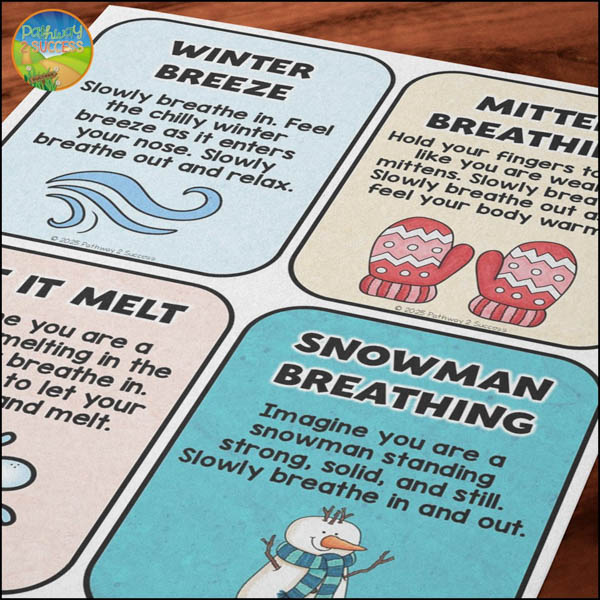
At the core of many seasonal interventions are specialized winter breathing exercises. By introducing children to mindful breathing, educators provide a practical mechanism to help them hit the psychological pause button. Instead of reacting immediately to emotional impulses or environmental stressors, children learn to anchor their attention on the rhythm of their inhales and exhales. This intentional focus activates the parasympathetic nervous system, the physiological mechanism responsible for true rest, relaxation, and recovery. Extensive scientific research underscores that mindful breathing reliably supports emotional regulation, sharpens cognitive focus, and cultivates an overarching sense of physiological calm.
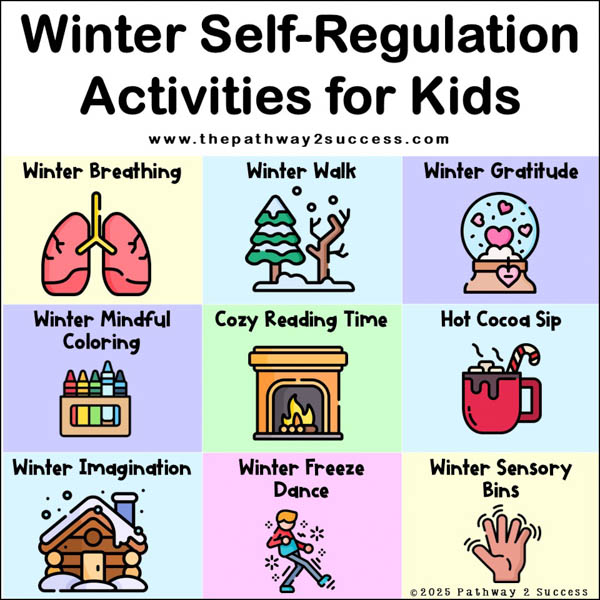
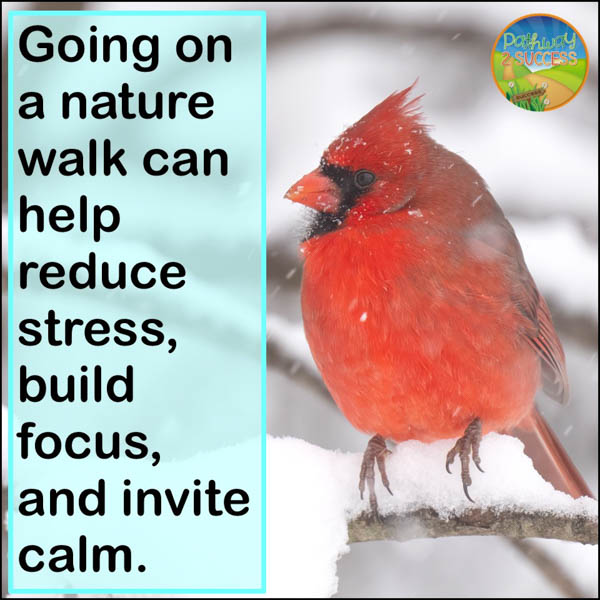
Complementing indoor breathing exercises, outdoor nature walks offer a dynamic avenue for sensory engagement and stress reduction. Despite the colder weather, structured exploration walks encourage children to actively notice their immediate surroundings through sight, sound, feel, and smell. Whether observing a hawk soaring against a crisp winter sky or feeling a chilly breeze, participants engage in active mindfulness. Following these excursions, reflective writing or group discussions allow students to process their observations. Research consistently demonstrates that spending time in natural environments lowers stress, bolsters sustained attention, and enhances overall mood. Furthermore, venturing outdoors guarantees essential physical activity and exposure to natural daylight, commodities that are frequently in short supply during winter.
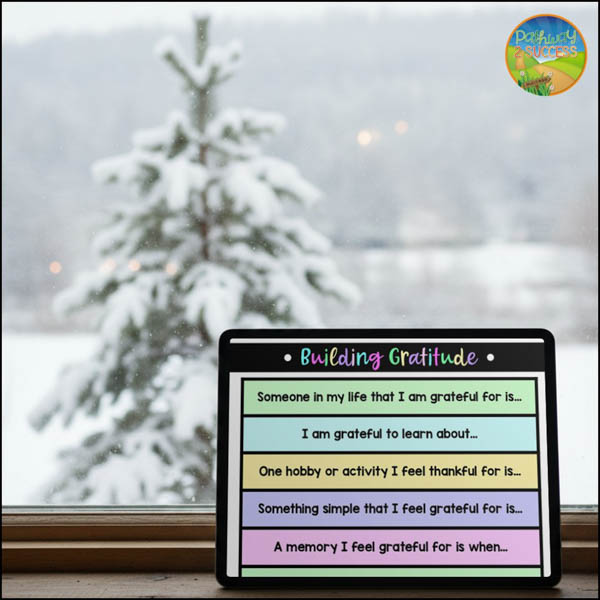
The seasonal shift also provides a natural backdrop for cultivating gratitude. By prompting children to reflect on what they appreciate during the winter months—ranging from hot cocoa and family gatherings to the warmth of winter sunshine—adults can help restructure cognitive focus toward positive experiences. Utilizing gratitude sentence starters or journaling activities encourages children to move beyond superficial observations and articulate deeper emotional connections. Scientific literature indicates that intentional gratitude practices yield measurable psychological benefits, including reduced stress, improved mood, greater personal resilience, enhanced sleep quality, and an overall elevation in daily well-being.
For children who require structured creative outlets, mindful winter coloring serves as an evidence-based tool for stress reduction and anxiety mitigation. Unlike traditional meditation that demands physical stillness, coloring allows for gentle movement while encouraging participants to slow their breathing and focus on the present moment. The objective is detached from artistic perfection; instead, the process prioritizes relaxation and self-expression, often utilizing pages featuring positive self-talk phrases that reinforce emotional resilience.
Similarly, fostering cozy reading environments through silent reading periods or group read-alouds promotes profound relaxation and social connection. Immersing young minds in a compelling narrative provides a healthy psychological buffer against daily stressors. Clinical studies have shown that reading effectively lowers physiological stress levels, relieves muscle tension, enhances emotional empathy, and supports long-term mental well-being. When educators utilize read-aloud sessions, the shared experience additionally fosters co-regulation and interpersonal bonding within the group.
Tactile engagement through winter-themed sensory bins introduces another hands-on methodology for emotional grounding. By filling large containers with safe, winter-inspired materials, adults create environments where children can explore textures that stimulate mindfulness and calm. This tactile play not only encourages focus but also directly supports the refinement of fine motor skills, narrative storytelling, and innate curiosity.
Culinary mindfulness offers yet another avenue for emotional regulation through the simple act of a hot cocoa sip. Transforming a winter treat into a mindful exercise involves encouraging children to consciously engage their senses: holding the warm mug, inhaling the sweet aroma, and slowly tasting the beverage with deliberate pauses between sips. This process quiets the mind and leverages the physiological comfort of warm beverages to relax muscles and soothe the central nervous system. When hot cocoa is unavailable, this grounding technique can be easily adapted to any food or drink.
To foster mental clarity and internal relaxation, winter imagination and visualization exercises invite children to close their eyes and mentally construct calming seasonal landscapes. Guided by sensory prompts regarding sights, sounds, and feelings, young participants learn to shift their physiological state into deep relaxation by focusing on peaceful mental imagery. This cognitive shift trains the brain to intentionally access calm states when external pressures mount.
Creative expression through winter crafts similarly engages fine motor skills while providing a structured, calming outlet. Whether following specific directions or exercising creative freedom, children practice sustained attention, sequential multi-step problem-solving, and emotional regulation when artistic outcomes do not go entirely as planned.

Finally, auditory and movement-based strategies leverage the universal power of music and play. Playing gentle, winter-themed instrumental music during transitions or independent work creates a tranquil atmosphere that triggers relaxation responses. To channel physical energy productively, activities like the winter freeze dance allow children to combine movement with self-control. By requiring participants to instantly freeze upon hearing specific winter vocabulary words, the game reinforces listening comprehension, body awareness, and the rapid shifting between physical action and stillness.
As educators and families continue to look for effective ways to support youth through the challenges of the winter season, these diverse, research-backed strategies offer a comprehensive toolkit for fostering emotional health, self-control, and enduring resilience.