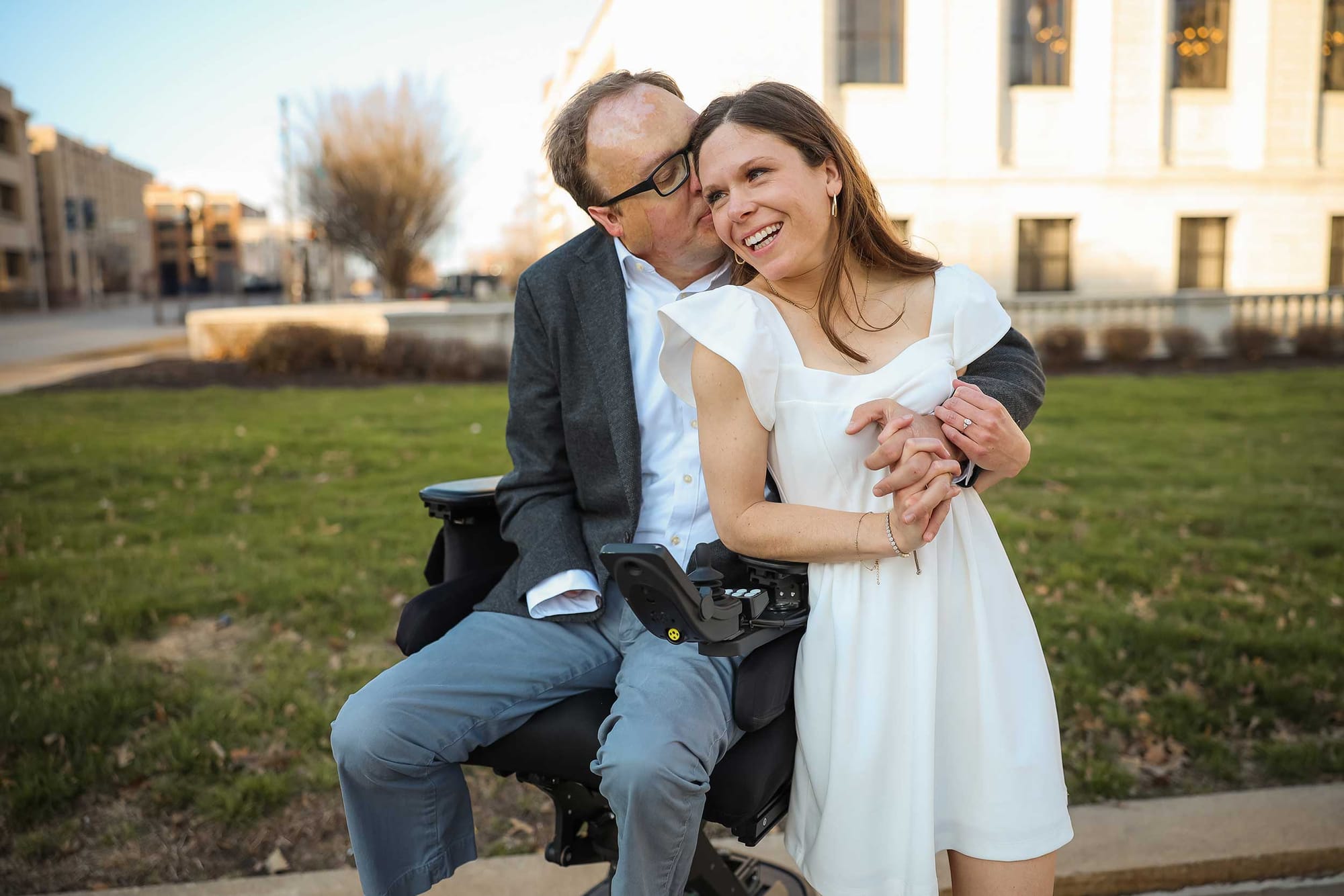
The lingering stare is a familiar prelude. Usually, it comes with a downturned pout, a sympathetic tilt of the head, and an all-too-familiar inspirational affirmation meant to validate the existence of someone with a disability. For Stevie Morris, who is already well-acquainted with the disability experience through her son, Robert, these interactions are practically second nature. But even with years of lived experience, the comment that disrupted a quiet breakfast on her second date with her now-fiancé, John, managed to catch her entirely off guard.
The scene unfolded in Knoxville, Tennessee, where John and Stevie were enjoying breakfast before a planned visit to the Knoxville Museum of Art. Though their first in-person date had taken place only the night before, their relationship was built on a foundation of a deep, pre-existing friendship and a long-distance romance that had long moved past introductory pleasantries. They were basking in the simple joy of uninterrupted quality time when a restaurant staff member abruptly intervened.
Filled with visible amazement, the employee expressed astonishment that John was capable of managing his own meal and navigating the breakfast serving station to fetch his own juice. Then came the remark that rendered Stevie speechless: “He doesn’t even have a whole body!” she exclaimed, marveling at a basic act of daily independence with a level of invasive specificity that left no room for polite small talk.
Caught entirely off guard by the sheer absurdity of the comment, Stevie could not formulate an immediate reply. She stifled a growing grin, offered a curt nod of the head, and briskly walked out of the restaurant, barely making it past the front door before dissolving into a fit of laughter—the first of many such giggle-fits John would come to witness throughout their relationship.
Finding humor in the absolute absurdity of public ignorance has become a cornerstone of how John and Stevie navigate the world together. While this coping mechanism occasionally draws an eye-roll from Robert, the couple recognizes it as typical teenage angst, knowing full well that their shared laughter provides a healthy outlet for managing everyday microaggressions.
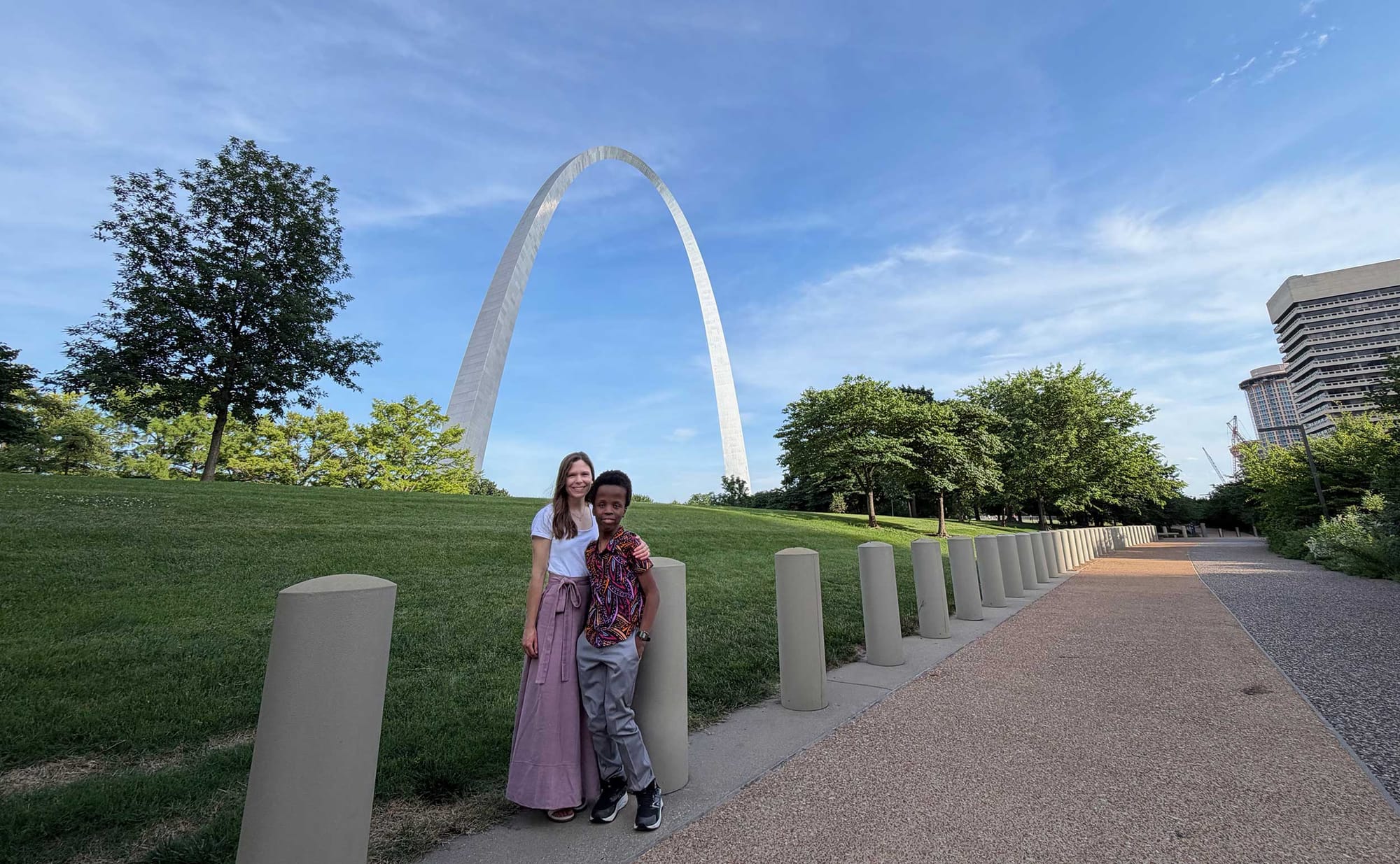
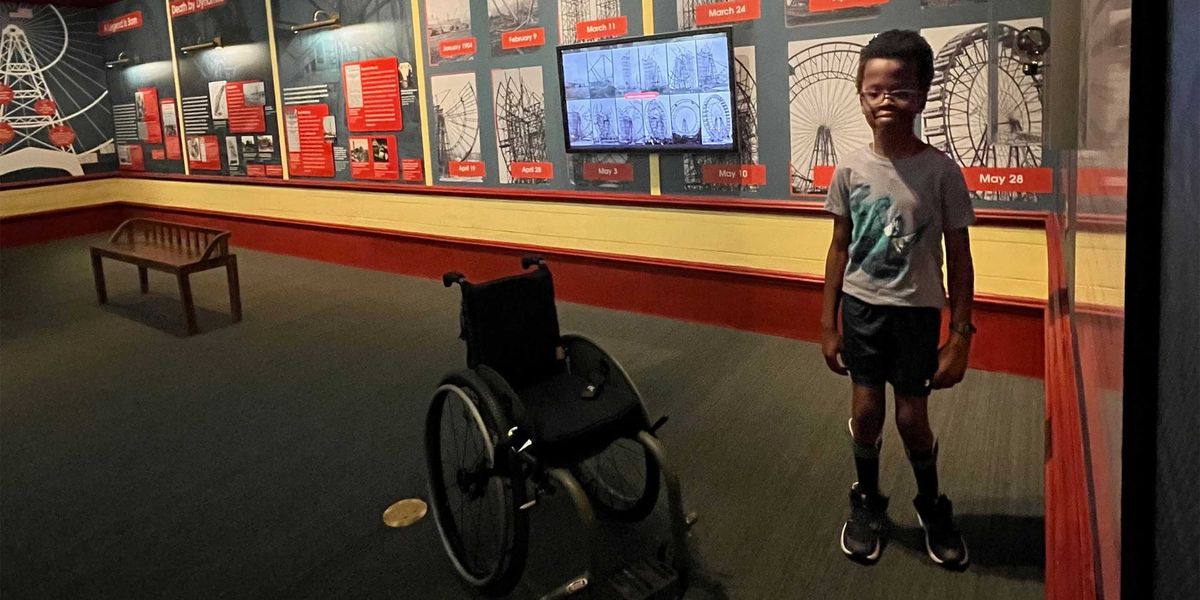
The interaction, however, prompted deep reflection for Stevie, who frequently considers how she would have reacted if Robert had been present, or how she expects Robert himself to respond to similar situations. Teaching a teenager to recognize and respond to ableism is a complex, nuanced mental task that runs counter to many of the unspoken social rules individuals unconsciously adopt to function smoothly in society. Uncovering these hidden biases and guiding Robert through them has become one of the most recurring and vital conversations in their household.
Society conditions people to believe it is rude to ignore others, yet Stevie has taught Robert that walking away is an entirely acceptable response when faced with intrusive, infantilizing, or invasive comments. Similarly, people are routinely taught to automatically submit to authority figures without question. However, both John and Robert model a different approach, prioritizing their personal needs and carefully evaluating whether claims to authority are legitimate.
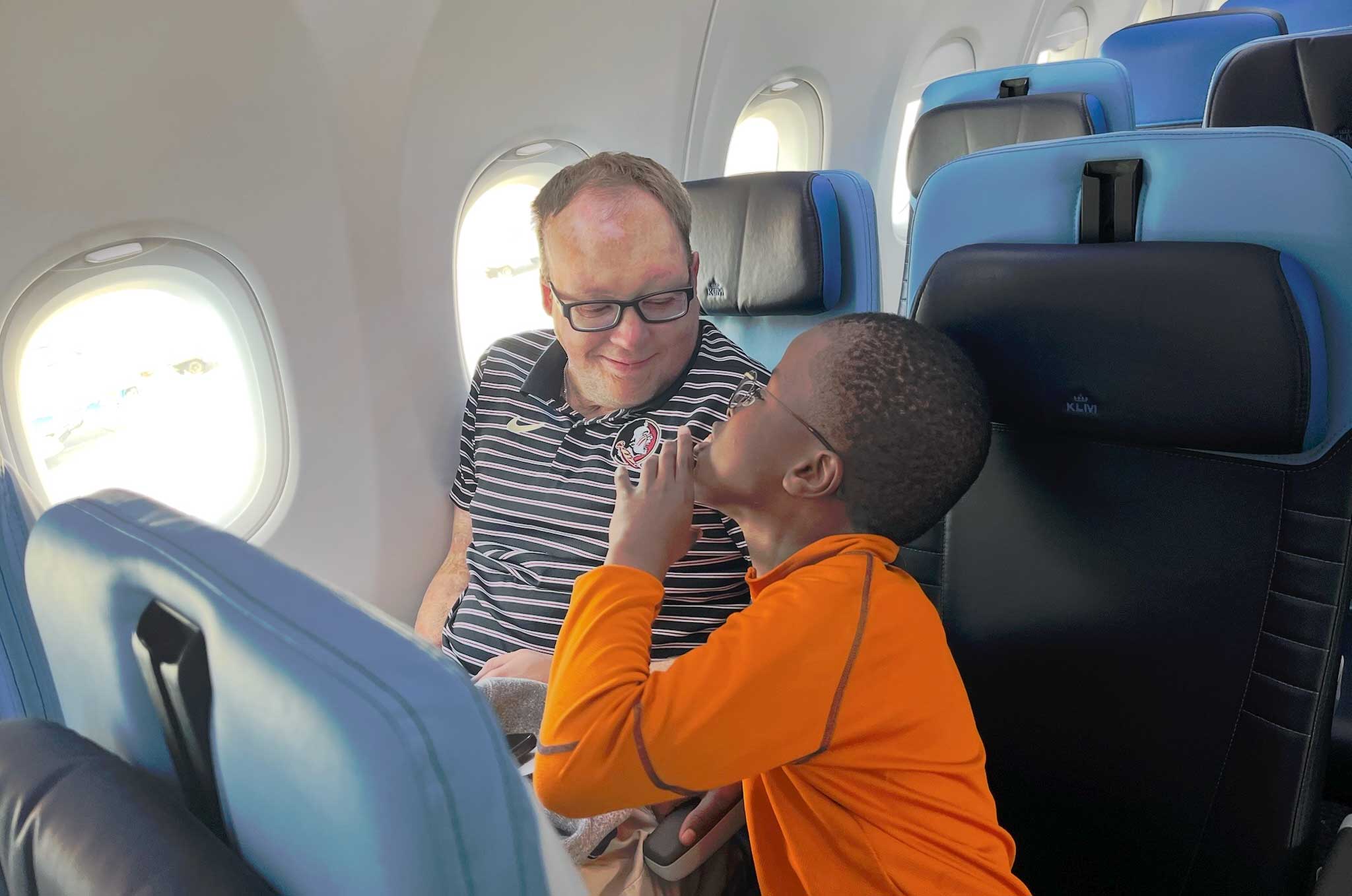
This dynamic is especially visible during air travel. When airline wheelchair assistance staff demand that John and Robert exit an airplane before their personal wheelchairs have been returned to the jetbridge—a common and stressful violation of accessibility standards—they rightfully decline to comply. John has written extensively on the subject, challenging the authority of gate agents and assistance staff who attempt to rush or compromise the independence of disabled passengers.
Public expectations around disability often include a demand for personal explanations regarding mobility aids and accommodations. To combat this invasive curiosity, the family relies on rehearsed boundaries, utilizing firm responses such as declining to share personal medical information. A polite "thank you" is also the socially expected reaction whenever help is offered, but Stevie has explicitly told Robert that he is under no obligation to express gratitude—and is entirely free to pull away without a glance—if a stranger attempts to grab his wheelchair without permission. Stevie has explored this societal conditioning deeply in her own writing, examining the problematic expectation that disabled individuals must constantly display profound gratitude simply for receiving equal access and basic accommodations.

Honesty is a core value within their home, with one notable exception: inventing wildly theatrical, entirely fabricated tales to explain how John or Robert acquired their disabilities. When faced with intrusive "What happened to you?" questions from strangers, John has famously attributed his leg amputations to a shark attack, shutting down inappropriate inquiries with absurdist humor.
Critics might argue that it would be easier to adopt a uniform response strategy for Robert or to deny him the agency to speak for himself to avoid how he might be perceived by the public. But Stevie and John must weigh the long-term costs of such an approach. Molding a teenager who blindly follows social rules and fits neatly into an uncomfortable mold requires sacrificing a piece of his dignity. The alternative—raising a young man who occasionally ruffles feathers but remains resolutely true to himself and capable of fierce self-advocacy—makes the greater good glaringly obvious.
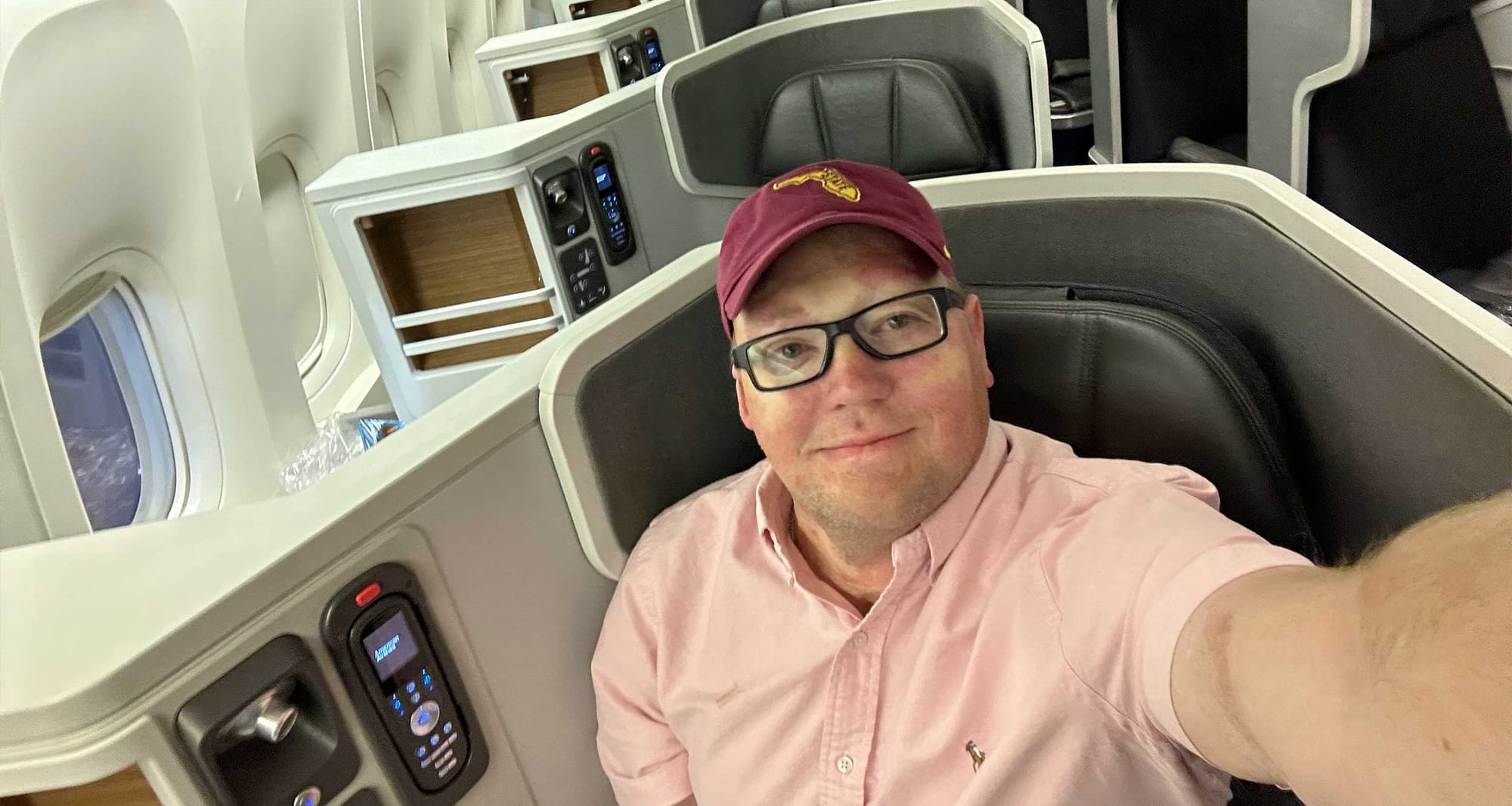
Even so, tackling a widespread social justice issue on a personal, day-to-day basis is inherently exhausting. To maintain her focus, Stevie relies on specific mental shifts. Chief among them is a change in perspective, viewing the ongoing work against ableism much like doing the laundry. There is never a final point where the task is permanently finished; the cycle simply continues, moving from dirty clothes to washing, drying, folding, and putting away. Sometimes the pile is ignored for days, while other times a full day is dedicated to catching up. Even then, the clothes currently worn will eventually need cleaning. Recognizing this cyclical reality rather than holding a rigid, checkbox mentality has given Stevie a more balanced viewpoint, freeing her from the pressure of measuring success by the completion of an impossible, never-ending task.
Equally important is the ongoing practice of discussing and rehearsing responses together. Stevie constantly asks Robert questions to process events as they happen, encouraging him to reflect on what worked, what failed, and how specific interactions made him feel. Because Robert’s responses and emotional needs evolve as he grows, the goal is not to find a single magic fix, but to engage in continuous, collaborative problem-solving. When recurring problems are identified, the family actively practices responses at home through role-playing and collaborative scenario planning. Whether simulating an airline staff member attempting to move a wheelchair without permission or preparing for intrusive public comments, this preparation helps reduce stress and builds confidence for high-pressure environments.

As a family that documents the realities of navigating the world through Wheelchair Travel, Stevie and John acknowledge that they still occasionally stumble, second-guessing whether they chose the best approach in the heat of the moment. The pressure to constantly evaluate social interactions remains high, particularly given that what constitutes an acceptable response to ableism can shift dramatically depending on factors such as age, race, gender, and the specific nature of a person’s disability. By combining advanced planning with a willingness to experiment with different strategies, they continue to foster Robert’s confidence, hoping their experiences can serve as a helpful springboard for others navigating similar challenges.