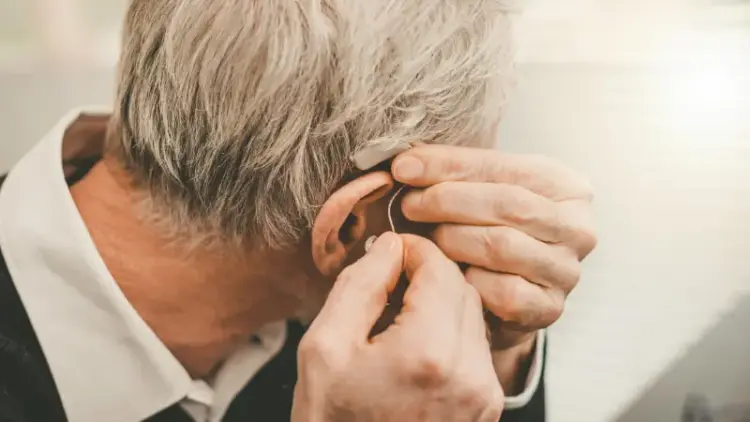
The delicate balance between public safety and everyday accessibility has long presented a formidable challenge for manufacturers of consumer electronics and medical devices. When new federal regulations take effect to protect vulnerable populations, the unintended consequences for seniors and individuals with physical disabilities can sometimes create significant hurdles. However, recent developments within the hearing health sector indicate that major manufacturers are actively listening to these concerns and adapting their designs to better serve the community.
Many members of the hearing loss community have consistently voiced the same vital perspective: while implementing safer battery packaging to protect curious children is an absolute necessity, these protective measures should not severely compromise usability for older adults. For individuals who rely daily on assistive listening technology, battling overly complicated or restrictive packaging can transform a routine maintenance task into a frustrating daily obstacle. Fortunately, some manufacturers have begun taking proactive steps to address this widespread issue, demonstrating that corporate responsiveness and consumer advocacy can successfully intersect.
At the annual American Academy of Audiology (AAA) convention, Energizer’s Rayovac brand showcased a new line of hearing aid battery packaging specifically engineered to be more senior-friendly. Although the updated design still requires cutting to access the cells, the modification clearly illustrates that manufacturers and major corporations respond meaningfully when their customers speak up about accessibility challenges. Representatives from the Hearing Loss Association of America (HLAA) who attended the convention observed firsthand how the updated packaging aims to bridge the gap between rigorous safety standards and practical, real-world usability.
Why Hearing Aid Battery Packaging Changed
The overarching shift toward child-resistant packaging for zinc-air button cell hearing aid batteries did not happen by chance. Instead, it became a strict legal requirement in March 2024. The primary goal behind this regulatory change was to prevent accidental ingestion by young children, whose curiosity frequently leads them to small, easily swallowed household objects. These new mandates were designed to meet federal safety requirements established by the Consumer Product Safety Commission under the legislative framework of Reese’s Law.
Reese’s Law introduced stringent mandates aimed at reducing the hazards associated with button cell and coin batteries, which can cause severe internal chemical burns and life-threatening injuries if swallowed by children. A key provision embedded within this legislation mandates that battery compartments containing replaceable button cell or coin batteries must be secured in a manner that necessitates the use of a tool or requires at least two independent and simultaneous hand movements to open. While these protective measures are undeniably critical for domestic child safety, the translation of these rules into product packaging created an unforeseen burden for the intended users of hearing aids.
Despite the noble intentions of Reese’s Law, many hearing aid users—particularly older adults and individuals living with specific medical conditions—struggle immensely with battery packaging designed to meet those rigorous anti-tamper requirements. Specifically, people managing conditions such as arthritis, hand tremors, neuropathy, low vision, or general age-related limitations in hand strength often find themselves unable to easily navigate complex packaging seals, thick plastic barriers, or intricate multi-step opening mechanisms. What is intended as a safeguard against child ingestion frequently becomes an exclusionary barrier for seniors who depend on their hearing aids to maintain social connections, safety, and overall quality of life.
What’s in the New Packaging
The unveiling of Rayovac’s redesigned packaging at the AAA convention offered a welcome glimpse into how manufacturers are attempting to resolve this ongoing accessibility dilemma. Observers from the hearing advocacy community noted that the updated packaging features thoughtful modifications designed to ease the physical strain of opening while maintaining compliance with baseline safety standards. Rather than relying on purely obscure or rigid barriers, the updated designs incorporate clearer visual instructions and structured layouts that guide the user through the opening process with greater ease.
This combination of baseline safety compliance, enhanced visual clarity, and iterative design refinement suggests that the industrial manufacturing sector is finally paying closer attention to real-life human experiences rather than merely checking regulatory compliance boxes. For years, advocates have argued that safety regulations must account for the accessibility needs of disabled and elderly populations. The emergence of senior-friendly iterations indicates a growing awareness that product safety and user-friendliness do not have to be mutually exclusive design goals.
Tool-Free Packaging is Easier to Use
The challenges posed by overly restrictive, tool-dependent packaging extend far beyond a minor, temporary inconvenience for users dealing with dexterity issues. When a person cannot easily access the power source required for their medical or assistive device, the real-world consequences can be severe. For instance, struggling with difficult packaging can lead to extended periods of hearing deprivation if the user simply gives up on changing their batteries in a timely manner. Furthermore, the physical frustration and strain involved in forcing open stubborn plastic containers can exacerbate joint pain, increase the risk of dropping and losing tiny batteries, or even cause accidental damage to the delicate hearing aid devices themselves.
The redesigned packaging introduced by Rayovac represents an intentional effort to address and mitigate most of these recurring usability complaints. By streamlining the physical interaction required to access the batteries, the design helps restore a sense of independence and dignity to older adults who might otherwise require daily assistance just to maintain their hearing technology.
HLAA representatives have celebrated this recent industrial advance as meaningful progress toward the ultimate objective: achieving robust child-resistant packaging that does not inadvertently restrict access for the millions of individuals who rely on these vital assistive devices every day. As the conversation surrounding consumer safety and accessibility continues to evolve, advocates and community members alike look forward to seeing industry manufacturers and federal regulators continue working collaboratively to refine these standards, ensuring that safety protocols protect children without isolating the seniors who need hearing assistance the most.