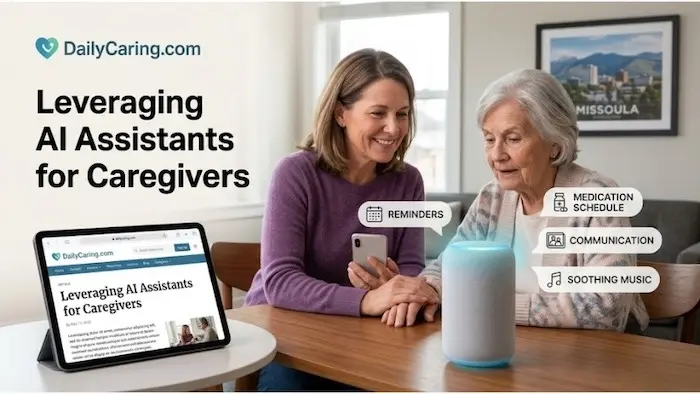
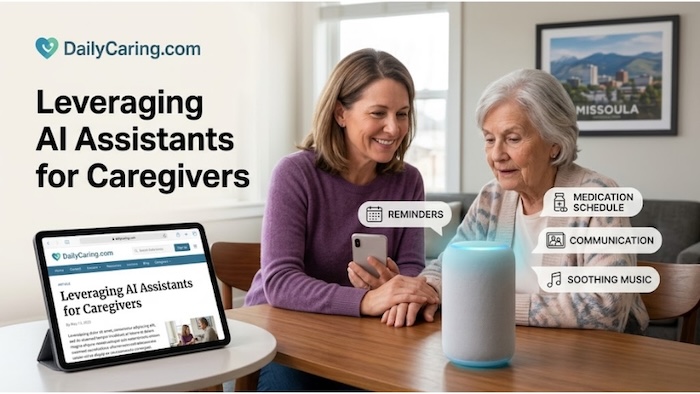
Being a family caregiver is widely recognized as an act of profound dedication, love, and sacrifice. Yet, behind the daily routine of managing medical appointments, administering medications, coordinating household chores, and offering continuous emotional support lies an invisible, often crushing weight: the caregiver’s mental load. As millions of families navigate the complexities of modern eldercare and support for aging loved ones, technology is beginning to offer a practical lifeline. Industry experts note that modern artificial intelligence assistants are emerging as powerful tools designed to help caregivers automate mundane tasks, organize day-to-day chaos, and reclaim precious moments to focus on meaningful human connection.
Authored by technology expert and healthcare advocate Chris Clark, recent insights from DailyCaring emphasize that introducing artificial intelligence to caregiving is not about replacing the essential human touch. Instead, these digital co-pilots are engineered to act as practical allies that streamline heavy administrative burdens, reduce decision fatigue, and help individuals thrive amidst demanding responsibilities. Understanding this invisible burden is considered the critical first step toward recognizing why tech-enabled solutions are rapidly reshaping the future of caregiving.
Understanding the Invisible Burden of the Caregiver’s Mental Load
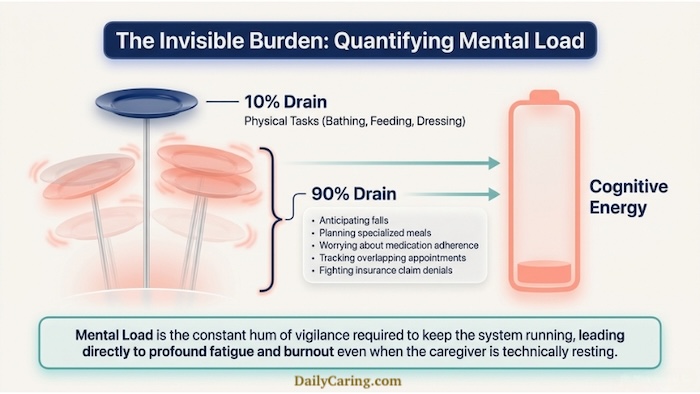
The mental load of caregiving extends far beyond the physical execution of tasks. Experts describe it as a constantly spinning set of plates in the human brain. Every plate represents a lingering worry or logistical consideration: whether a loved one took their prescribed medication, when the next physical therapy session is scheduled, which groceries need to be purchased, or how to coordinate insurance paperwork while managing personal and professional schedules.
This cognitive effort requires continuous remembering, planning, anticipating, and worrying, often persisting even when a caregiver is resting or away from active duties. Over time, this relentless mental strain erodes physical health, emotional resilience, and overall quality of life. Caregivers frequently report chronic fatigue, irritability, difficulty focusing, sleep disturbances, and heightened anxiety. When left unaddressed, this accumulation of stress frequently triggers full caregiver burnout, plunging individuals into a state of profound emotional, physical, and mental exhaustion. Recognizing these warning signs has made the search for innovative caregiver solutions a vital priority for families nationwide.

The Evolution of Artificial Intelligence in Family Caregiving
While technology once offered little more than basic programmable reminders, modern artificial intelligence has evolved significantly. Today’s AI assistants are sophisticated tools capable of learning daily routines, processing complex commands, integrating seamlessly with smart home infrastructure, and providing proactive suggestions. Rather than serving as static digital notepads, these systems are designed to anticipate needs and streamline complex processes, offering tangible relief to families managing multifaceted care regimens.
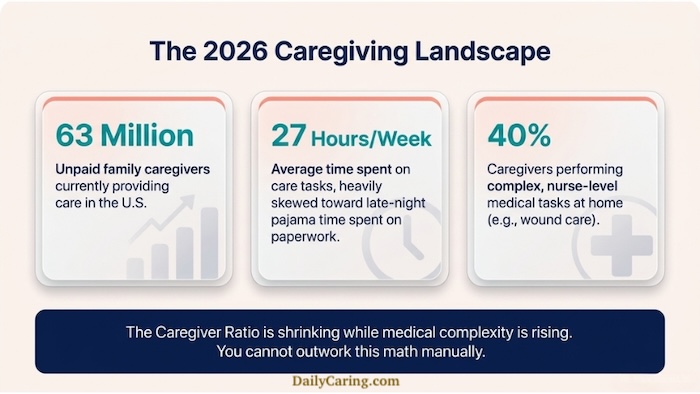
The core promise of these technologies centers on returning valuable time and mental space to the caregiver. By automating repetitive tasks, structuring scattered health information, and providing immediate access to resources, AI tools help bridge the growing gap in modern care infrastructure. Industry analysts point out that as the broader caregiving crisis persists, the integration of automation and artificial intelligence into everyday routines is becoming an inevitable shift for households managing long-term care.

Practical Applications and Real-World Tools for Caregivers
To understand how artificial intelligence functions in everyday scenarios, it is helpful to look at real-world applications currently utilized by families. Different tools target specific logistical and safety challenges, ranging from non-invasive monitoring to care coordination and administrative paperwork.
For families concerned about nighttime wandering or physical falls who wish to avoid intrusive video cameras, companies like Sensi.ai offer a specialized alternative. Utilizing small, audio-only care pods placed strategically around a residence, the system listens for specific anomalies such as heavy thuds, persistent coughing, signs of distress, or unusual nighttime bathroom trips. When an irregularity is detected, the AI immediately notifies the caregiver via a smartphone alert, preserving safety while respecting the older adult’s privacy and dignity.
Another prominent example is ElliQ, a proactive, AI-driven companion robot tailored specifically for older adults. Unlike standard voice assistants that remain passive until spoken to, ElliQ initiates interactions. It guides users through light physical exercises, engages in trivia games, initiates video calls with family members, and gently reminds individuals to stay hydrated or take medications. Simultaneously, a companion app updates family members on the older adult’s daily mood, sleep patterns, and activity levels, helping alleviate the guilt associated with not being physically present around the clock.
Coordination among informal support networks—such as friends, neighbors, and extended family members who frequently offer help without knowing specific needs—is addressed by platforms like ianacare. The application employs smart algorithms to help primary caregivers organize and delegate concrete tasks, ranging from grocery drop-offs and medical transportation to securing necessary respite breaks, thereby centralizing communication and eliminating the exhaustion of managing endless group messaging threads.
In addition to specialized care applications, general-purpose models such as ChatGPT and Google Gemini serve as valuable resources for drafting care plans, organizing medical notes, and preparing documentation. Experts emphasize a crucial privacy safeguard when utilizing public AI tools for administrative healthcare tasks: users must always anonymize sensitive data. Entering real names, birthdates, Social Security numbers, or specific Medicare details into public chat prompts should be avoided in favor of generic descriptions, such as referencing an aging parent by general age and condition, to protect personal health information.
Integrating New Technology and Looking Ahead
Navigating the initial learning curve of introducing new technology into an already demanding schedule can feel intimidating. Experts recommend identifying specific pain points—such as organization, communication, safety monitoring, or administrative planning—before selecting a tool. Evaluating solutions based on ease of use, data security, customization options, and device integration ensures that the chosen technology alleviates stress rather than adding to it.
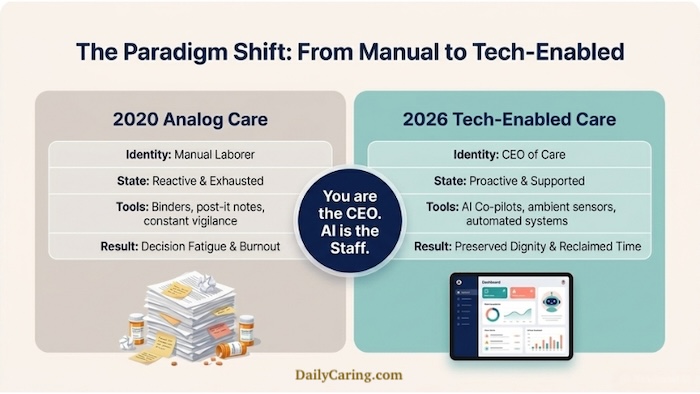
As the landscape of caregiving continues to evolve, the relationship between human caregivers and technology is expected to grow increasingly symbiotic. By allowing artificial intelligence to manage repetitive cognitive tasks and administrative burdens, families can redirect their energy toward the emotional and interpersonal aspects of care. Embracing these innovations represents a strategic approach to managing a demanding journey, offering much-needed support to those who dedicate their lives to caring for others.