
Editorial Note: Originally published on April 23, 2026, this analysis has been updated to present data on the number of HIV-exposed infants tested for HIV within the first months of life, rather than the number of HIV-positive infants with a diagnostic sample collected within the first 12 months of life.
Since the inauguration of the second Trump administration, the President’s Emergency Plan for AIDS Relief (PEPFAR)—the landmark U.S. global HIV/AIDS initiative widely credited with saving an estimated 26 million lives worldwide—has undergone sweeping changes and operational disruptions. These shifts are part of a broader, ongoing foreign aid review that has fundamentally altered the landscape of American global health diplomacy and program delivery.
Recent disruptions to the program have included a temporary stop-work order followed by strict limitations on which clinical and community services could continue, the cancellation of numerous longstanding PEPFAR awards, and a comprehensive reorganization of U.S. global health programs. Central to this reorganization is the launch of the "America First Global Health Strategy." This new framework is anchored by bilateral agreements negotiated directly with partner nations, a heightened focus on frontline commodities and essential health services, and a strategic pivot away from disease-specific vertical programming toward a more integrated healthcare delivery model.
While early modeling estimates and field surveys provided preliminary insights into the potential impacts of these disruptive policy changes, concrete programmatic data remained scarce for months. Historically, PEPFAR’s flagship data platform has served as a transparent public repository for financial and program-level results, including metrics gathered through the Monitoring, Evaluation, and Reporting (MER) system, which was established more than a decade ago. However, the data platform was abruptly taken offline in early 2025. When it was eventually restored, it omitted all program data from the entirety of Fiscal Year 2025, leaving public health experts, policymakers, and civil society organizations in the dark regarding the immediate fallout of the administration’s reforms.
That data blackout partially lifted when the U.S. State Department released Fiscal Year 2025 fourth-quarter MER data, covering the period from July 1 through September 30, 2025. This release marked the first official program-level data made available since the policy changes took effect the previous year. Data for the first three quarters of FY 2025 were not released. According to the State Department, this omission was driven by persistent reporting and implementation challenges stemming from the sweeping structural reforms.
To establish a baseline and provide a reliable snapshot of PEPFAR’s operational status following these transitions, researchers compared the FY 2025 fourth-quarter results against fourth-quarter results from the four preceding fiscal years across a targeted subset of MER indicators. Evaluating the same calendar period across multiple years helps account for seasonal variations and recurring reporting fluctuations. Nevertheless, this methodology does not capture the full scope of cumulative disruptions that may have occurred throughout the entire 2025 fiscal year.
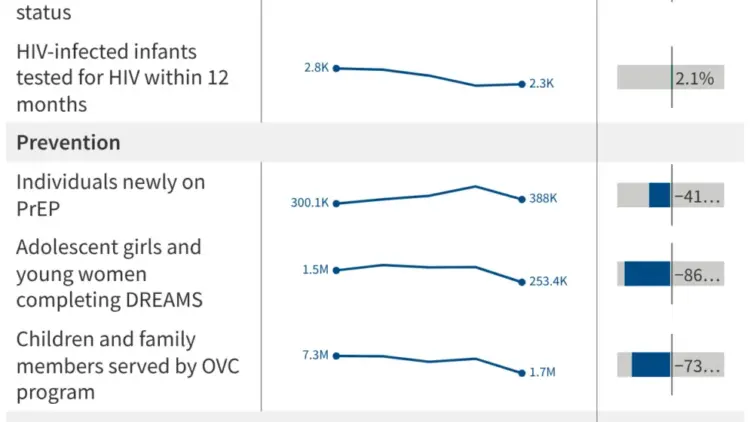
Although these datasets offer only a limited, snapshot view, they provide critical insights into how PEPFAR is performing in the wake of the Trump administration’s restructuring. Overall, the data reveal a complex and divergent picture. Progress noticeably declined in several key areas during the final quarter of FY 2025, particularly within prevention services. Interventions such as pre-exposure prophylaxis (PrEP) and the DREAMS initiative—a flagship program designed to reduce HIV vulnerability among adolescent girls and young women—experienced sharp reductions after being significantly scaled back by the administration. Public health advocates warn that diminished access to prevention could eventually fuel a resurgence in new HIV infections.
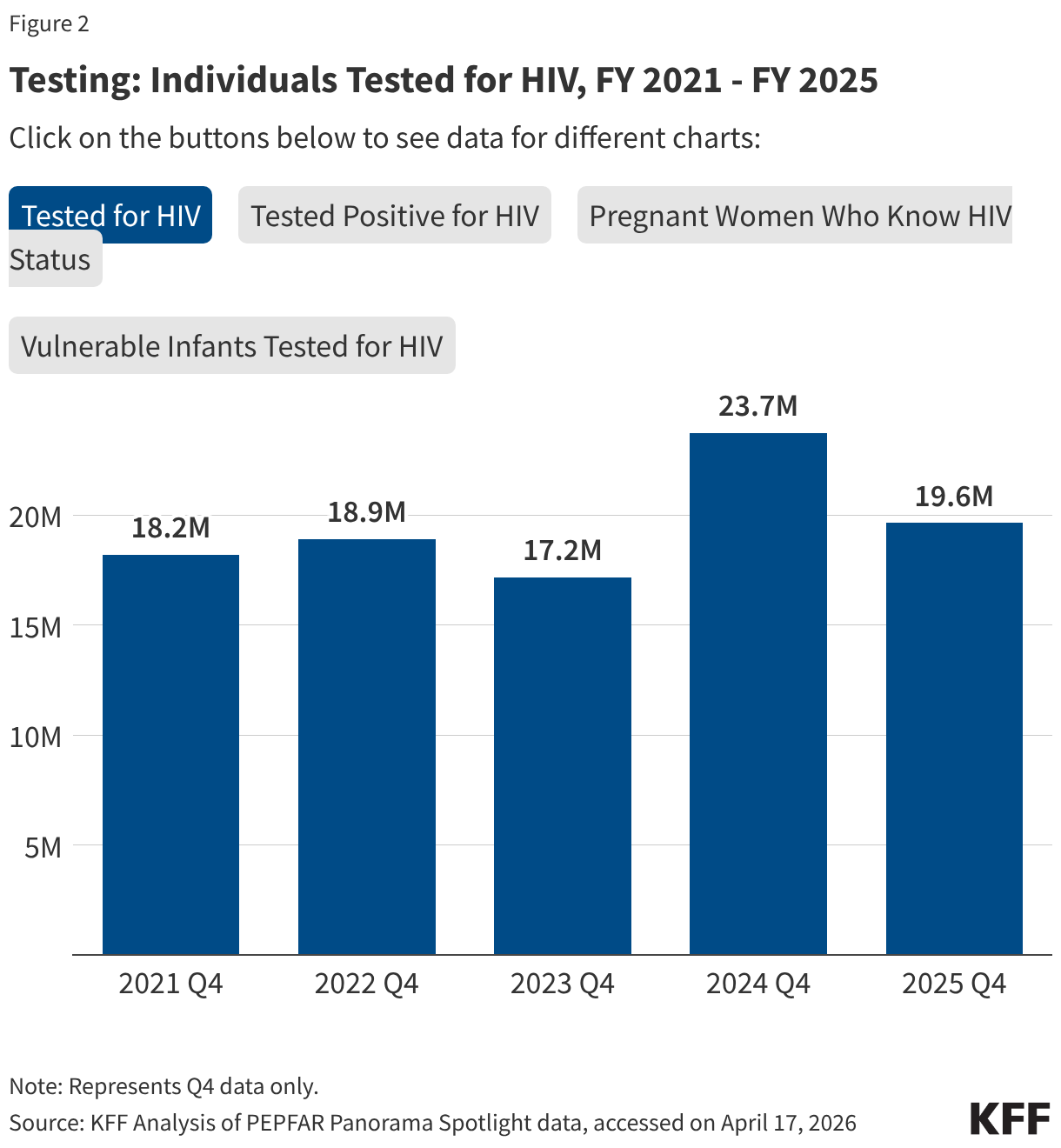
Furthermore, the data show a measurable drop in the number of individuals newly enrolled on antiretroviral therapy (ART), serving as a crucial indicator of declining early access to treatment. At the same time, other indicators remain ambiguous due to the lack of complete longitudinal data. For instance, both the total number of HIV tests conducted and the number of individuals testing positive for the virus declined. This trend could indicate a genuine drop in community transmission rates, or it may simply reflect reduced healthcare access and fewer opportunities for testing.
Conversely, other areas demonstrated remarkable resilience, with progress either maintained or moderately improved. The total number of people living with HIV who remained stably maintained on ART held steady, and the data showed an increase in patients receiving treatment for both HIV and tuberculosis (TB) concurrently.
Looking ahead, the future of transparent data monitoring and public reporting for PEPFAR remains uncertain. It is unclear whether the State Department will continue publishing regular data updates, especially as the U.S. shifts its global health strategy toward direct partnerships with country governments and moves away from vertical, disease-specific tracking. Without reliable and accessible data, independent experts caution that it will become increasingly difficult to evaluate the long-term implications, clinical outcomes, and human costs of these historic policy shifts.
Findings
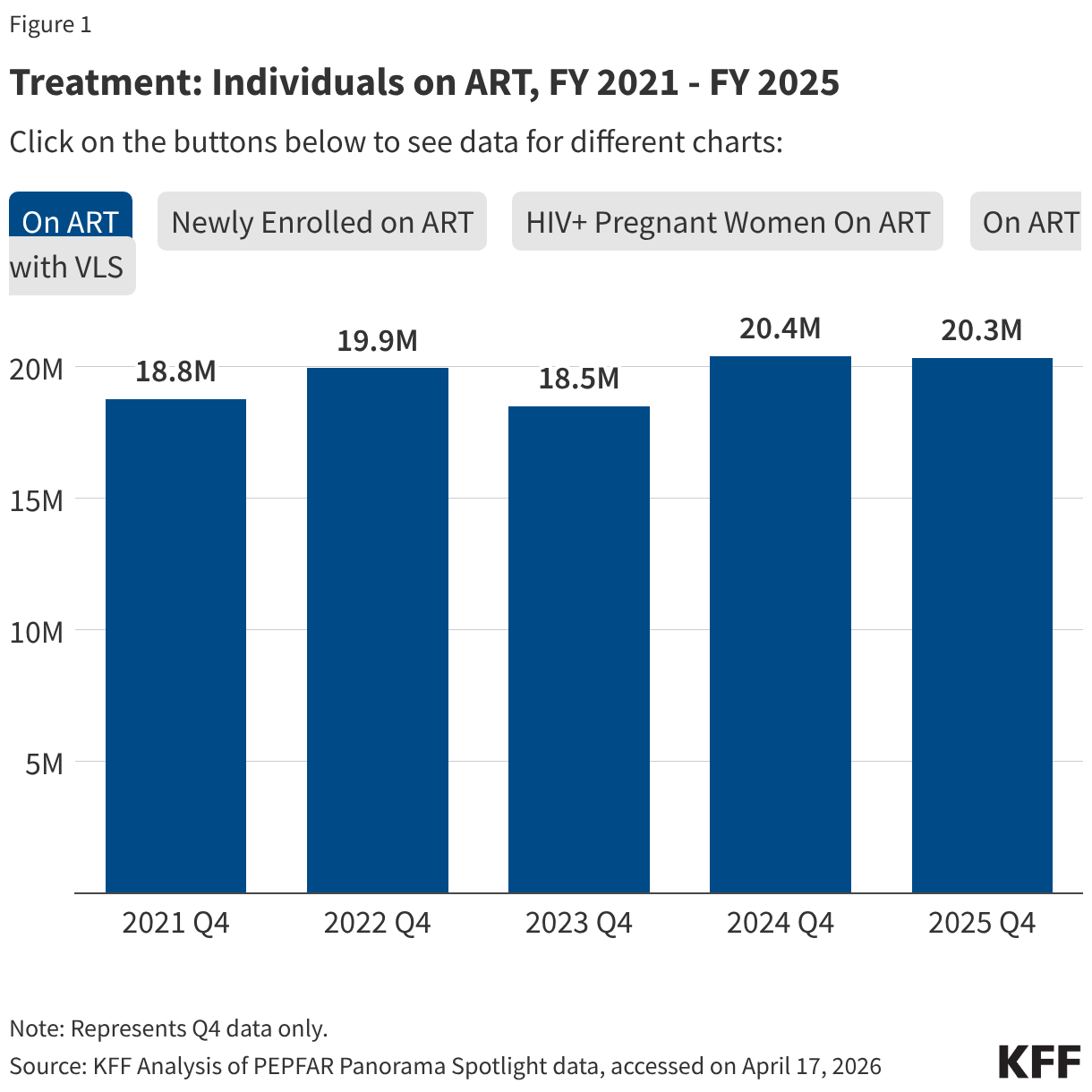
PEPFAR’s treatment results during the fourth quarter of fiscal year 2025 were notably mixed. While baseline treatment numbers, particularly the total count of individuals actively receiving antiretroviral therapy, remained relatively stable compared to previous years, new patient enrollments saw a distinct downward turn. The total volume of patients on ART held its ground, reflecting the continuity of care for millions who rely on the program to manage their condition. However, the number of individuals newly initiating treatment dropped, raising concerns about the program’s ability to reach undiagnosed individuals and bring them into care amidst ongoing administrative hurdles.
HIV testing and diagnostic outcomes similarly reflected a mixed trajectory during the final quarter of FY 2025 when weighed against the same period in FY 2024, continuing a pattern of fluctuating performance observed over the broader five-year review period. While routine screening in certain clinical settings persevered, the overall volume of individuals tested for the virus decreased, mirroring the broader contraction in prevention and outreach services.
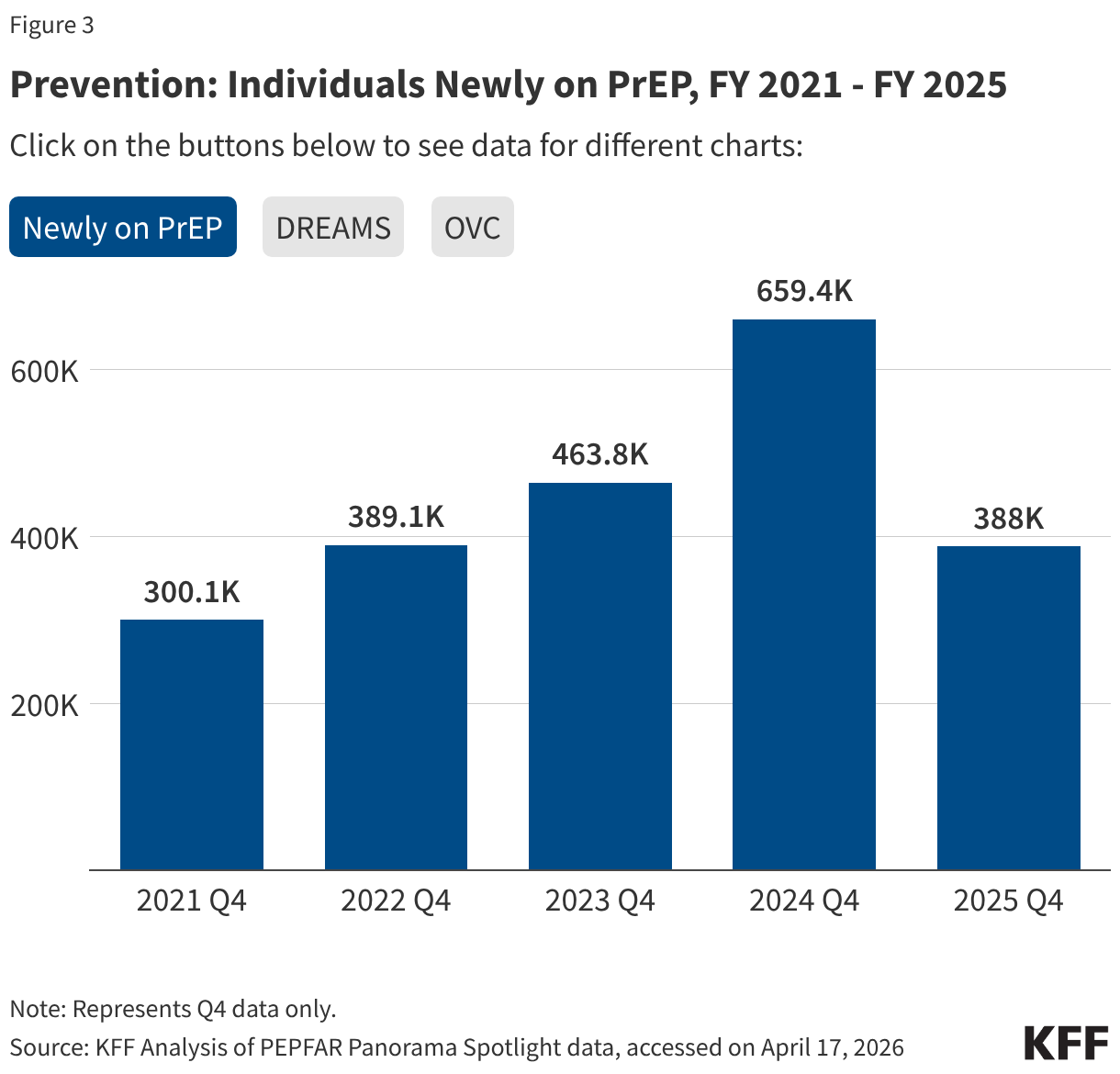
Key prevention components within PEPFAR suffered significant setbacks. Most notably, the number of individuals newly initiated on PrEP experienced a steep decline. The contraction in prevention funding and programmatic support also severely impacted initiatives tailored to vulnerable populations, including the DREAMS program and broader support services for orphans and vulnerable children (OVC), both of which saw reduced reach during the quarter.
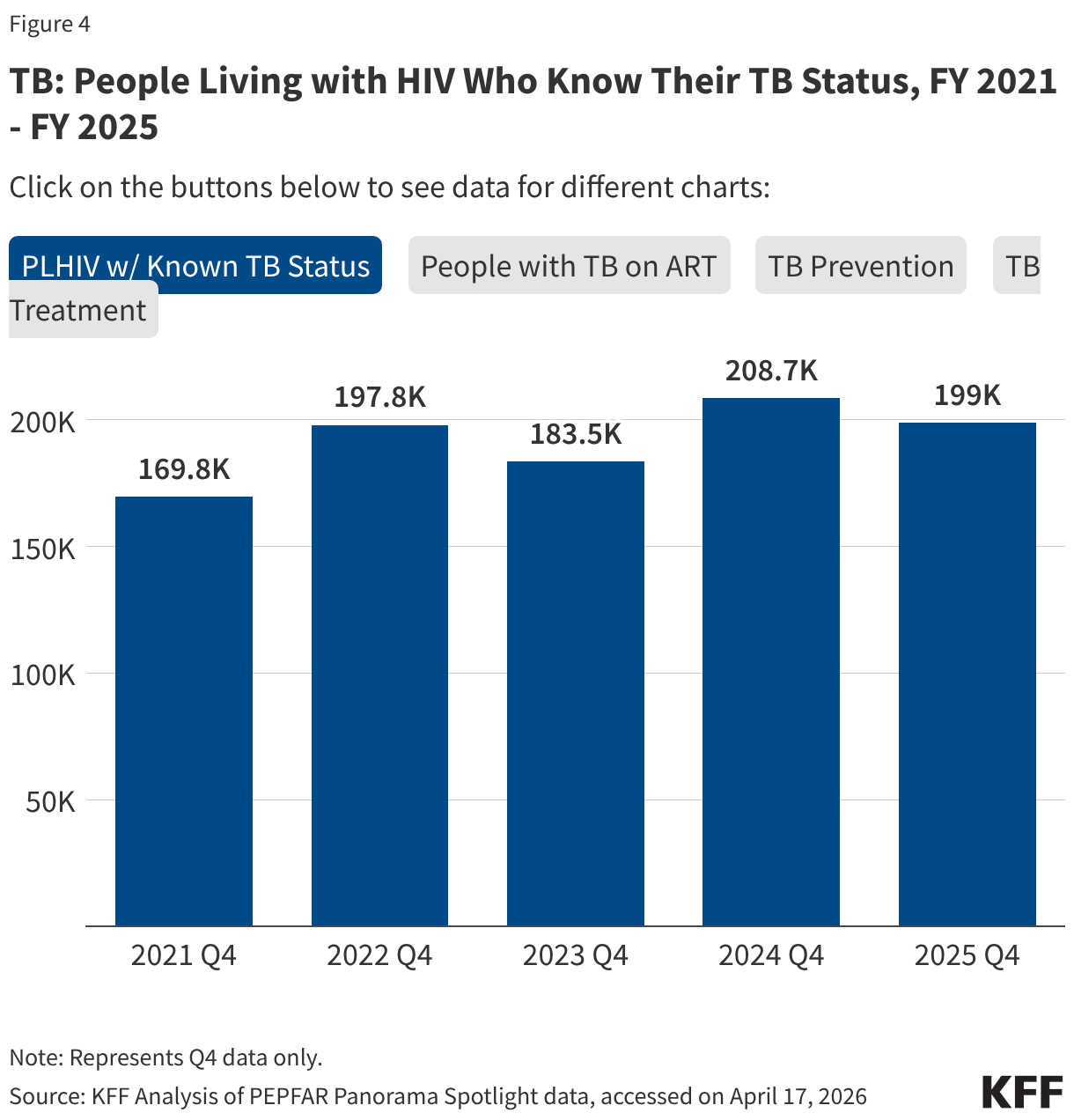
Despite these programmatic headwinds, PEPFAR maintained a strong focus on addressing the deadly intersection of HIV and tuberculosis. Co-infection remains one of the greatest clinical threats to individuals living with HIV, and the program’s performance in this arena was varied but robust in key areas. Data showed continued support for individuals living with HIV who were screened to determine their TB status, alongside sustained efforts to provide treatment for those dually diagnosed. Furthermore, many patients on ART successfully initiated TB preventive therapy, underscoring the resilience of integrated clinical service delivery even amidst sweeping administrative overhauls.
In addition to core HIV and TB services, PEPFAR has historically invested heavily in mitigating the elevated risk of cervical cancer among women living with HIV—a population facing disproportionately high vulnerability to oncogenic strains of human papillomavirus. The latest data reveal a widening gap in this continuum of care. While routine cervical cancer screening among women on ART declined during the fourth quarter, the proportion of women who screened positive and subsequently received necessary clinical treatment held steady. Treatments such as cryotherapy, thermocoagulation, and loop electrosurgical excision procedures (LEEP) remained accessible for those who successfully navigated the screening process, though fewer women reached that stage overall.
The findings are drawn from an analysis conducted by researchers from KFF and Boston University, utilizing MER datasets extracted from the PEPFAR Panorama Spotlight platform. The evaluation focused primarily on comparative shifts between the fourth quarter of FY 2024 and the fourth quarter of FY 2025 across all reporting partner nations. Analysts note that reporting requirements for several key performance indicators were quietly shifted from mandatory to optional status by the administration during fiscal year 2025. Consequently, sharp declines observed in specific data categories may reflect actual reductions in service delivery, or they may simply be an artifact of diminished reporting compliance by implementing partners who are no longer contractually required to track and submit those specific metrics.
As global health stakeholders analyze these figures, the debate over the future direction of U.S. foreign assistance intensifies. With the structural transition toward bilateral country ownership well underway, the international public health community continues to monitor whether essential life-saving services can be sustained without the rigorous federal oversight and transparent public reporting that defined PEPFAR for over two decades.



