For Carlos Murillo, living with a physical disability has never been a reason to downsize his dreams. The 32-year-old Illinois resident has spent his adult life demonstrating that life in a wheelchair can be defined by adventure, purpose, and limitless possibility. Born with spina bifida, a birth defect affecting the development of the spine, Murillo began using his first wheelchair at just three years old. Rather than allowing his mobility needs to define his boundaries, he has turned his 30s into a masterclass in pushing physical and mental limits.
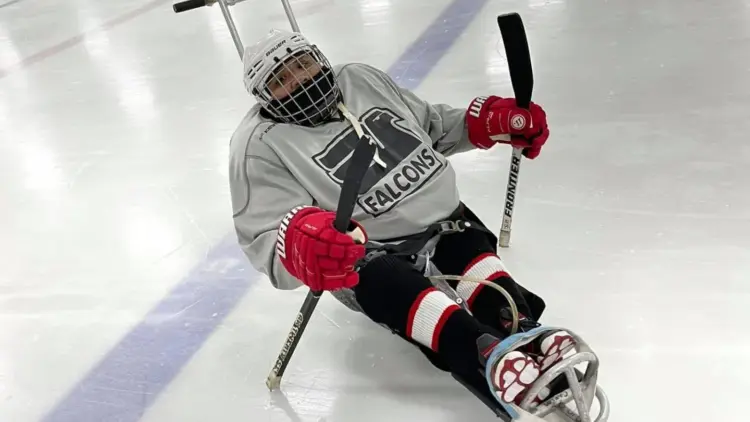
Over the years, Murillo has assembled an extraordinary resume of high-adrenaline accomplishments. He has gone zip-lining, waterskiing, kayaking, snow skiing, scuba diving, go-kart racing, sled hockey, wheelchair rugby, archery, horseback riding, and rock climbing. Yet, despite having checked off more thrill-seeking activities than most people attempt in a lifetime, Murillo remains steadfastly focused on what lies ahead.
His ongoing bucket list reflects a relentless appetite for new experiences, featuring NASCAR drive-alongs, supercar rides, adaptive paragliding, skydiving, parasailing, adaptive surfing, whitewater rafting, adaptive mountain biking, and extensive international travel. Simultaneously, Murillo has channeled his passion for spectating into a stadium-touring project, visiting sports venues across professional, collegiate, and minor leagues.
At the core of Murillo’s journey is a steadfast commitment to adaptive sports, accessible travel, and personal determination. Through his ongoing adventures, he continues to demonstrate how adaptive programs can unlock the world for athletes with disabilities, proving that courage and curiosity can overcome almost any obstacle.
Origin Story and Mindset
Murillo’s journey into the world of adaptive recreation began nearly two decades ago. In 2007, during an annual Christmas party organized by the Great Lakes Adaptive Sports Association (GLASA), he got his first taste of organized adaptive athletics through wheelchair basketball. That initial introduction opened the door to a vast community of adaptive sports organizations and fellow athletes, setting the foundation for his athletic pursuits.
However, the shift from participating in recreational sports to building an all-encompassing, mission-driven bucket list took shape much more recently. About two years ago, Murillo realized he had built up a long list of personal goals and dream experiences, but lacked a structured plan to execute them. Deciding that time was too valuable to waste, he formally launched his bucket list to hold himself accountable and convert broad ambitions into concrete plans.
That decision ushered in a transformative decade. Murillo notes that entering his 30s brought a renewed sense of purpose and exploration that far exceeded his experience in his 20s. Where others might see physical barriers, Murillo sees opportunities to grow, adapting a resilient mindset that leaves no room for regret. In his view, every setback or obstacle encountered along the way serves a purpose, firmly maintaining that he has no room for doubts or regrets—only lessons to learn from.
Adaptive Sports and Overcoming Physical Limits
Navigating the broad spectrum of adaptive sports requires adaptability, grit, and a willingness to step outside one’s comfort zone. Murillo’s accomplishments span land, air, and sea, ranging from the high-impact collision environment of wheelchair rugby to the peaceful depths of adaptive scuba diving.
Despite his extensive experience, certain accomplishments still managed to surprise him. When he first sought out zip-lining, Murillo assumed the sport was out of reach for wheelchair users due to a lack of accessible equipment and harness systems. Discovering that specialized adaptive zip-lining programs existed marked a major breakthrough in his adventure journey, showing him that accessibility had expanded far beyond conventional sports.
Each new sport brings its own distinct physical challenges and equipment learning curve. Murillo acknowledges that he does not rely on complex technical strategies when tackling a new discipline; instead, he approaches each activity through trial and error, getting the hang of the mechanics after a few attempts.
Of all the activities he has tackled, cycling proved to be the most physically demanding. Navigating inclines while manually pushing a handcycle presented an intense mechanical and aerobic struggle, proving that going uphill on a handbike requires exceptional upper-body power and mental discipline. Conversely, high-speed and water-based sports quickly became his favorites. Activities such as zip-lining, para-motoring, and waterskiing immediately captured his interest, offering a sense of momentum and freedom that kept him returning for more.
A critical factor in Murillo’s success has been the support network of specialized organizations across the Midwest and beyond. Groups such as GLASA, H2O Adaptive Sports, Diveheart, the Shirley Ryan AbilityLab, and Wisconsin Adaptive Ski play a vital role in making high-intensity recreation accessible. For a newcomer walking into one of these programs on day one, the experience is designed to be welcoming and community-focused. Interacting with fellow adaptive athletes and testing out customized gear helps demystify the sports, turning daunting challenges into shared social experiences.
The Bucket List: High-Speed Thrills and Future Ambitions
As Murillo checks off items from his list, his focus shifts to the next set of challenges. His current list is heavily leaning toward high-speed thrills, with NASCAR experiences and adaptive paragliding sitting near the top. For Murillo, the draw to these activities comes down to a fundamental motivation: the powerful adrenaline rush they provide.
Building and maintaining a bucket list requires continuous evaluation. When considering a new entry, Murillo weighs the practical pros and cons while assessing how appealing the activity looks from an execution standpoint. Once a goal is successfully accomplished, he relies on online research and creative brainstorming to identify the next challenge.
While Murillo approaches most ventures with confidence, he remains open about the varying levels of emotion that accompany different sports. He expresses genuine excitement for upcoming supercar rides, parasailing, and skydiving, but admits to feeling a natural sense of nerves when contemplating adaptive surfing and whitewater rafting. Navigating ocean waves or unpredictable river rapids in an adaptive rig introduces elements beyond an athlete’s direct control, presenting a unique psychological hurdle that he remains determined to face.
Sports Fandom and the Stadium Tour
Alongside his athletic pursuits, Murillo is an avid sports fan with an ambitious goal to visit as many stadiums and arenas as possible. His venue tour covers a wide range of professional and amateur leagues, including Major League Baseball (MLB), the National Hockey League (NHL), the National Basketball Association (NBA), the National Collegiate Athletic Association (NCAA), professional rugby, and the National Women’s Soccer League (NWSL).
His enthusiasm for stadium collecting stems from a simple love for live sports, but his itinerary features a distinct emphasis on Minor League Baseball parks. Venues in cities like Kenosha, Schaumburg, South Bend, Midland, and San Antonio appear frequently on his travel logs. This focus on minor league venues is driven by practical financial management; ticket prices at minor league parks are significantly more affordable than those in major media markets, and Murillo frequently reaches out directly to team front offices via email to inquire about complimentary tickets or adaptive seating options.
Evaluating accessibility across sports venues has given Murillo valuable insight into venue infrastructure. While accessibility standards can vary widely between modern arenas and older facilities, certain venues stand out for exceptional design. Murillo highlights Wintrust Field, home of the Schaumburg Boomers in Illinois, as an exemplary model of how venues can seamlessly integrate accessible seating, entryways, and amenities for fans with physical disabilities.
Accessible Travel and Navigating the World
Murillo’s athletic and sporting pursuits have required extensive travel across the United States and internationally. His travels have taken him across California, Texas, Florida, Michigan, Indiana, Minnesota, and Wisconsin, as well as into Canada and Mexico.
Traveling as a wheelchair user requires meticulous advance planning far beyond standard travel logistics. For Murillo, every trip demands detailed research into hotel accommodations, accessible ground transportation, and the physical layout of local destinations. Ensuring that roll-in showers, ramp access, and reliable transit are in place is essential before setting out on any itinerary.
Through his travel, Murillo has observed vast differences in how different regions handle accessibility infrastructure. Within the United States, states like Texas and California stood out favorably, offering modern accessibility standards and well-maintained public pathways. On the other hand, international destinations present unique structural challenges. Mexico, for example, proved particularly difficult to navigate due to historical cobblestone streets, uneven sidewalks, and limited curb cuts, which create constant physical obstacles for manual wheelchair users.
Based on his experiences, Murillo offers straightforward advice for those researching accessible travel: consumer resources often paint an overly optimistic picture, and travelers must remain mindful that not everything labeled as accessible truly meets wheelchair standards in practice. Despite these challenges, his advice to first-time wheelchair travelers is simple and direct: overcome fear, take the initiative, and embrace the journey.
Looking ahead, Murillo’s travel calendar remains full. His next major travel venture is an upcoming cruise itinerary that will take him through the waters of Honduras, the Bahamas, and Mexico, combining his love for maritime travel with new opportunities for international exploration.
Advocacy, Perspective, and Living Without Limits
Through his visibility in adaptive sports and accessible travel, Murillo has naturally stepped into the role of advocate for the broader disability community. His primary message centers on awareness—reminding individuals with disabilities that adaptive programs exist across almost every sporting discipline, provided one is willing to seek them out.
To individuals who have recently experienced a spinal injury or diagnosis and fear their adventurous days are behind them, Murillo’s message is clear: do not let fear prevent you from trying new things. He encourages newcomers to adopt an decisive approach to life’s challenges, urging them to step forward and embrace the experience.
Sustaining the physical and mental drive needed to constantly seek out new challenges requires strong personal motivation. Murillo credits his support system of adaptive coaches, alongside his own internal drive, for keeping him grounded when facing intimidating sports. For Murillo, giving up is simply not an option.
Looking back on his journey, the emotional impact of his achievements stands out just as clearly as the physical accomplishments. Experiences like zip-lining remain deeply meaningful, precisely because he once believed those opportunities were entirely out of reach. Reflecting on everything he has overcome since receiving his first wheelchair at age three, Murillo takes immense pride in the work he has put in, proving to himself and others that with dedication and effort, meaningful goals remain fully within reach.