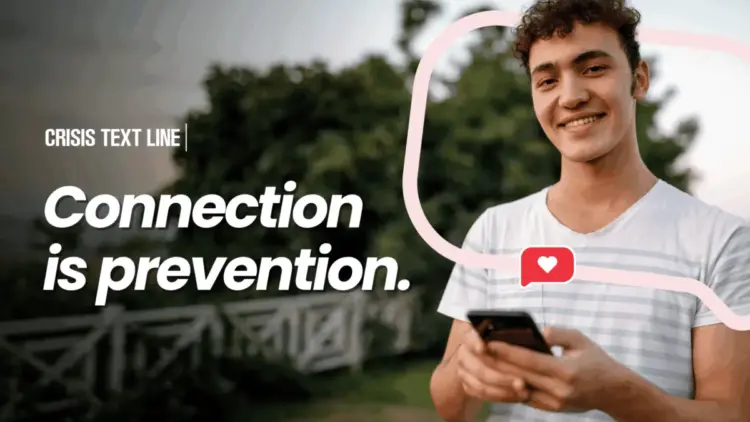
As communities across the United States mark National Suicide Prevention Month this September, organizations nationwide are ramping up efforts to address what public health advocates increasingly view as an urgent societal challenge. Central to this year’s national conversation is a straightforward yet profoundly impactful premise: human connection serves as a primary defense against mental health crises.
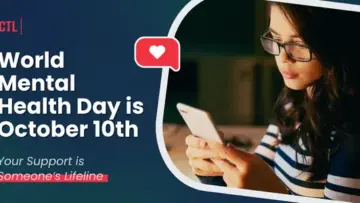
Crisis Text Line, a prominent nationwide provider of free, 24/7 mental health support, has centered its entire awareness initiative through World Mental Health Day on October 10th around the unifying theme that "Connection is Prevention." The organization’s latest campaign emphasizes that even brief moments of genuine human interaction can serve as the critical differentiator between an overwhelming, painful evening and a tragedy.
Public health experts and crisis responders stress that while formal institutional resources—such as hospitals, clinics, and professional therapists—are absolutely vital for saving lives, a vast majority of mental health intervention actually occurs much earlier. These pivotal moments happen in ordinary, everyday settings where an individual feels truly seen, heard, and valued rather than isolated or invisible.
For individuals experiencing immediate distress, crisis intervention services remain readily accessible. Anyone needing confidential mental health support can text the word CONNECT to 741741 to reach a live, highly trained volunteer Crisis Counselor. The service operates completely free of charge, around the clock, and maintains a strict policy of confidentiality and non-judgmental listening.
Understanding the Lifesaving Power of Social Connection
Decades of public health research into suicide risk factors consistently point to strong, dependable interpersonal relationships as a powerful protective factor. When people maintain secure bonds with family members, friends, or broader community networks, they are statistically less likely to reach a severe crisis point. Furthermore, if they do encounter profound emotional distress, individuals embedded in supportive networks are significantly more inclined to reach out for help.
Social connection fundamentally alters how a person manages hardship during turbulent
times. However, mental health advocates emphasize that combating isolation requires a nuanced understanding of what modern loneliness actually feels like. Loneliness is rarely confined to physical solitude; an individual can experience profound isolation while sitting in a crowded room or residing in a bustling household surrounded by people who do not truly understand them. It can manifest as a smartphone filled with countless contacts yet lacking a single trusted person to call during a moment of vulnerability.
For those navigating these feelings, public health agencies remind the public that such experiences are among the most common and treatable human conditions. No one has to shoulder emotional burdens entirely on their own, and accessible lifelines exist to bridge the gap between isolation and community.
Breaking Down Barriers to Reaching Out
One of the primary reasons friends, family members, and colleagues hesitate to check in on loved ones is an underlying fear of saying the wrong thing. Many people mistakenly believe they need specialized training or a perfect script to approach someone they suspect is struggling.
Mental health professionals consistently dispel this myth, noting that no complex formula is required to show you care. A simple, genuine message—such as letting someone know they have been on your mind and asking how they are holding up—can travel a remarkable distance.
Moreover, experts urge communities to expand their focus beyond individuals who explicitly ask for help. Many people experiencing severe emotional pain do not use direct language or explicitly mention thoughts of suicide. Instead, warning signs often manifest through subtle behavioral shifts, such as quietly withdrawing from group chats, canceling long-standing plans, or pulling away from social engagement.
Proactive support often relies on noticing these minor shifts and initiating contact regardless of uncertainty. Public health guidance suggests that it is always safer to reach out and potentially be mistaken than to remain silent and later wonder if intervention could have made a difference.
Raising Visibility Through Awareness Symbols
Throughout September, communities nationwide utilize specific visual symbols to spark vital conversations about mental health and suicide prevention. The officially recognized colors for Suicide Prevention Month are purple and teal. These hues frequently appear on awareness ribbons, digital graphics, and at community gatherings as a clear, visible signal that suicide is preventable and that confidential support is widely available.
Advocates encourage the public to wear or share these colors throughout the autumn months to help normalize discussions surrounding mental health. Increased visibility helps dismantle persistent social stigmas, ultimately opening doors to conversations that might otherwise never take place.
As Crisis Text Line and allied organizations continue their around-the-clock advocacy, they invite community members to support ongoing outreach efforts. Sustained financial contributions and volunteer engagement ensure that individuals facing their darkest moments never have to confront them alone.
Anyone requiring immediate support is encouraged to reach out to available resources. Texting CONNECT to 741741 connects individuals directly with a trained volunteer Crisis Counselor, providing a reliable lifeline that remains free, confidential, and accessible 24 hours a day, 7 days a week, without judgment.