As the landscape of American democracy continues to evolve, civil rights advocates and community organizations are setting their sights on a persistent disparity in civic participation: the voter turnout gap among individuals with disabilities. According to data highlighted by organizations like Developmental Pathways, if voters with disabilities cast their ballots at the same rate as their non-disabled peers, roughly two million additional voices would enter the democratic process, fundamentally shaping outcomes at local, state, and national levels.
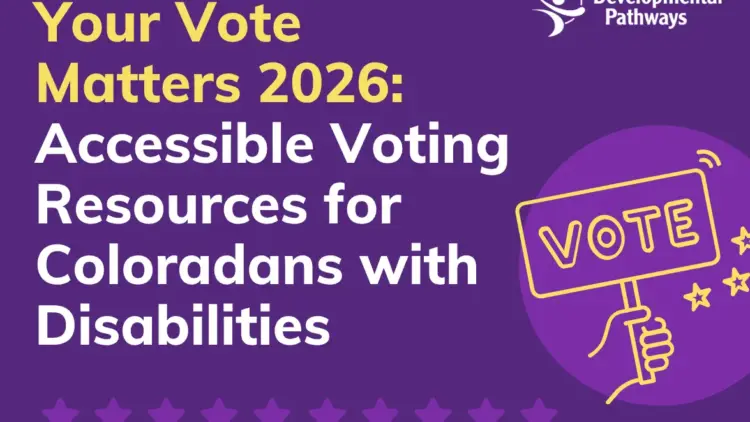
In Colorado, concerted efforts are underway to bridge this divide well ahead of the 2026 election cycle. Developmental Pathways, a prominent community organization dedicated to supporting individuals with intellectual and developmental disabilities, has launched a comprehensive initiative to ensure that every eligible citizen can fully exercise their fundamental right to vote. By providing vital educational resources, clarifying legal rights, and promoting accessible voting infrastructure, the organization aims to remove traditional barriers that have historically sidelined voters with disabilities.
At the core of this outreach is a clear message regarding foundational civil rights. In Colorado, the appointment of a guardian or any other legal decision-maker has no bearing on an individual’s constitutional right to cast a ballot. Any resident who is 18 years of age or older and meets the state’s basic eligibility requirements retains full autonomy to vote and make independent choices on their ballot. To reinforce this principle, community advocates frequently direct residents to official resources, such as the Colorado Secretary of State’s detailed eligibility guidelines and the specialized Voters with Disabilities Frequently Asked Questions page, which outline the accommodations and protections guaranteed under state and federal law.
Navigating the complexities of election law can sometimes present challenges, which is why specialized advocacy systems play a critical role in the state’s electoral ecosystem. Disability Justice Colorado, designated as the state’s official Protection and Advocacy System, stands ready to assist voters in understanding their rights, exploring accessible voting options, and filing formal complaints should any individual encounter barriers or rights violations during the voting process. This robust legal framework ensures that voters with disabilities are not only aware of what they are entitled to under the law but also possess the recourse needed to defend those entitlements.
Preparation remains one of the most effective tools for ensuring a smooth voting experience, and organizations are encouraging citizens to plan well in advance of election day. Practical tools, such as printable voting plan templates, help individuals outline their strategy for casting a ballot, whether they choose to vote by mail, drop off their ballot at a secure drop box, or vote in person. Colorado’s election infrastructure is designed with accessibility as a mandatory requirement, ensuring that every Voter Service and Polling Center meets rigorous standards to accommodate voters with diverse physical, sensory, and cognitive needs. Furthermore, transparency in the voting process is bolstered by digital tracking systems, such as the Secretary of State’s BallotTrax tool, which allows voters to monitor the progress of their mail-in ballots from the moment they are sent out to the final verification and counting stages.
Beyond the physical act of casting a ballot, understanding the contents of the ballot is recognized as a vital component of meaningful civic participation. Advocates emphasize that knowing what and who is on the ballot is just as important as showing up at the polls. Because voters are frequently faced with complex policy questions, constitutional amendments, and numerous candidate races, a wide array of civic and community organizations publish dedicated ballot guides. While these resources can range from strictly nonpartisan educational summaries to advocacy-oriented perspectives, voters are encouraged to consult trusted, transparent sources that align with their personal values and community interests.
As the 2026 election approaches, Developmental Pathways and allied organizations continue to compile and share curated ballot guides and informational resources to support informed decision-making across the state. With ongoing updates and a steadfast commitment to inclusivity, these efforts reflect a broader movement to ensure that Colorado’s democratic institutions truly reflect the diverse population they serve, bringing thousands of historically underrepresented voices firmly into the civic fold.