As the winter season sets in and holiday breaks approach, educators, parents, and youth leaders frequently notice a distinct shift in the atmosphere among children and young adults. The combination of changing daily routines, increased indoor confinement, and the natural excitement or stress of the holiday season can make emotional balance a challenge. In response to these seasonal behavioral shifts, experts and caregivers are emphasizing the importance of teaching self-regulation skills to help kids manage their thoughts, feelings, and behaviors.

Self-regulation is foundational for everyday functioning, enabling children to navigate minor frustrations, maintain focus on academic or creative tasks, and connect positively with peers and adults. While these skills are vital year-round, the disruptions surrounding winter breaks create an acute need for targeted support. Fortunately, child development advocates stress that practicing these coping strategies does not need to feel like a chore; rather, self-regulation can be effectively and enjoyably integrated into daily winter routines through imaginative and tactile activities.

To address this seasonal need, educators and specialists have outlined a series of engaging winter-themed exercises designed to foster calm, build resilience, and support mental well-being in children and teenagers.

At the core of many emotional management programs are mindful breathing exercises. By focusing deliberately on inhales and exhales, children can effectively hit the metaphorical pause button instead of reacting impulsively to immediate feelings. This practice engages the parasympathetic nervous system, which governs the body’s rest-and-digest functions. Research consistently supports the efficacy of mindful breathing in reducing physiological stress, enhancing concentration, and generating a lasting sense of inner calm that young people can draw upon whenever needed.

Physical environment also plays a crucial role in emotional regulation. Outdoor nature walks offer a practical way for kids to ground themselves by engaging their senses—noticing the crisp winter air, the texture of frozen ground, or the sight of wildlife. Spending time outdoors has been widely shown to lower stress hormones, improve attention spans, and elevate overall mood. When outdoor excursions are impractical due to inclement weather, similar cognitive benefits can be achieved through nature-themed brain breaks that bring elements of the natural world indoors.

In tandem with physical movement, intentional reflection practices such as winter gratitude exercises help rewire the brain to focus on positive experiences. By moving beyond general statements and identifying specific sources of appreciation—such as the warmth of a jacket on a freezing morning or quality time spent with family—children build psychological resilience. Studies indicate that regular gratitude practices contribute to improved sleep quality, reduced anxiety, and stronger emotional stability.

Creative outlets offer another accessible pathway to self-regulation, particularly for children who struggle with prolonged stillness. Mindful coloring sessions, for instance, utilize structured artistic tasks to lower anxiety levels without demanding absolute motion. Similarly, cozy reading sessions—whether through independent silent reading or shared classroom read-alouds—provide an immersive mental break from daily stressors while fostering a sense of shared calm and connection.

Tactile and sensory engagement provides further support for emotional control. Winter-themed sensory bins filled with various textures encourage curiosity, mindfulness, and the refinement of fine motor skills through hands-on play. In a similar vein, the simple act of sipping a warm drink like hot cocoa functions as mindfulness in action. The warmth of the mug and the deliberate pacing required to enjoy the beverage send soothing signals to the central nervous system, helping to relax tense muscles and quiet a busy mind.

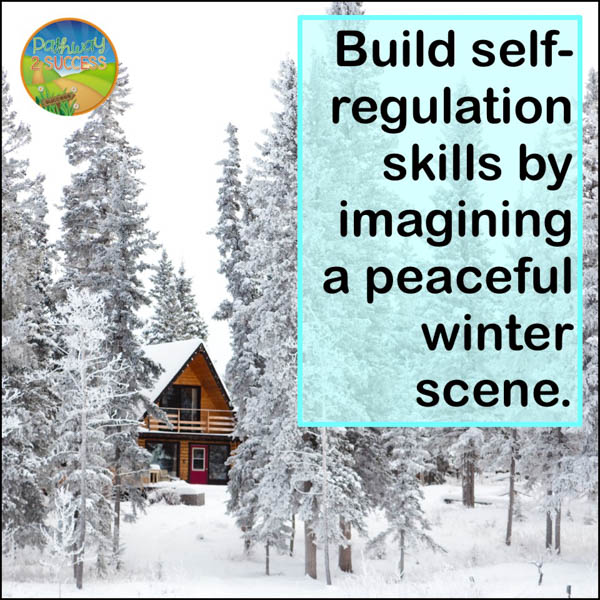
For children who benefit from imaginative exercises, guided winter visualizations invite participants to close their eyes and mentally explore serene, snow-covered landscapes. By engaging multiple senses through mental imagery, kids learn how to intentionally shift their physiological state from tension to relaxation. This technique is complemented by hands-on winter crafts, which require sustained attention to detail, fine motor control, and emotional resilience when projects do not go entirely as planned.

Auditory strategies are equally effective in shaping classroom and home environments. Playing gentle, winter-themed instrumental music during transitions or independent work periods creates an atmosphere conducive to focus and stress reduction. Building upon this, playful movement games like winter freeze dance allow children to practice impulse control dynamically, requiring them to balance high-energy physical activity with sudden stillness upon hearing specific seasonal cues.
As communities continue to look for practical ways to support youth through the challenges of the winter season, these diverse strategies highlight how creativity, mindfulness, and play can successfully intersect to strengthen essential life skills.