
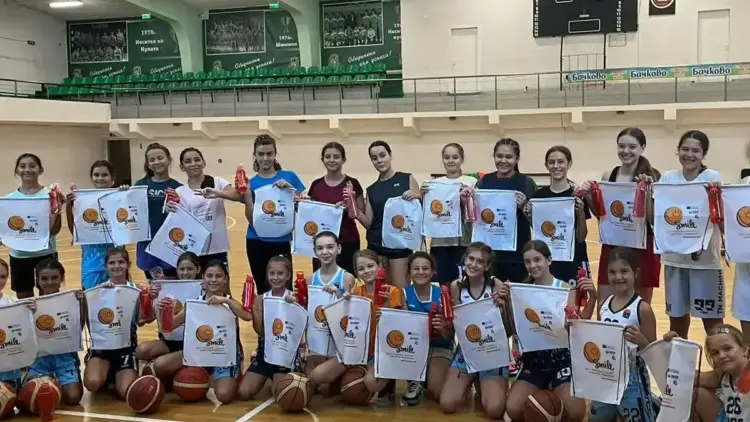
BOTEVGRAD, BULGARIA — From September 1st to September 6th, 2023, the multifunctional sports hall “Arena Botevgrad” in Botevgrad, Bulgaria, served as the vibrant backdrop for a series of specialized training activities organized in support of the #SMILE initiative. Standing for Sport, Motivation, Inclusion, Leadership, and Engagement, the #SMILE project is designed to tackle the complex relationship between athletics and social inclusion from a fresh and innovative perspective. By creating direct opportunities for individuals with intellectual disabilities to participate meaningfully in international sports activities, the initiative seeks to redefine how communities approach accessibility and athletic engagement.
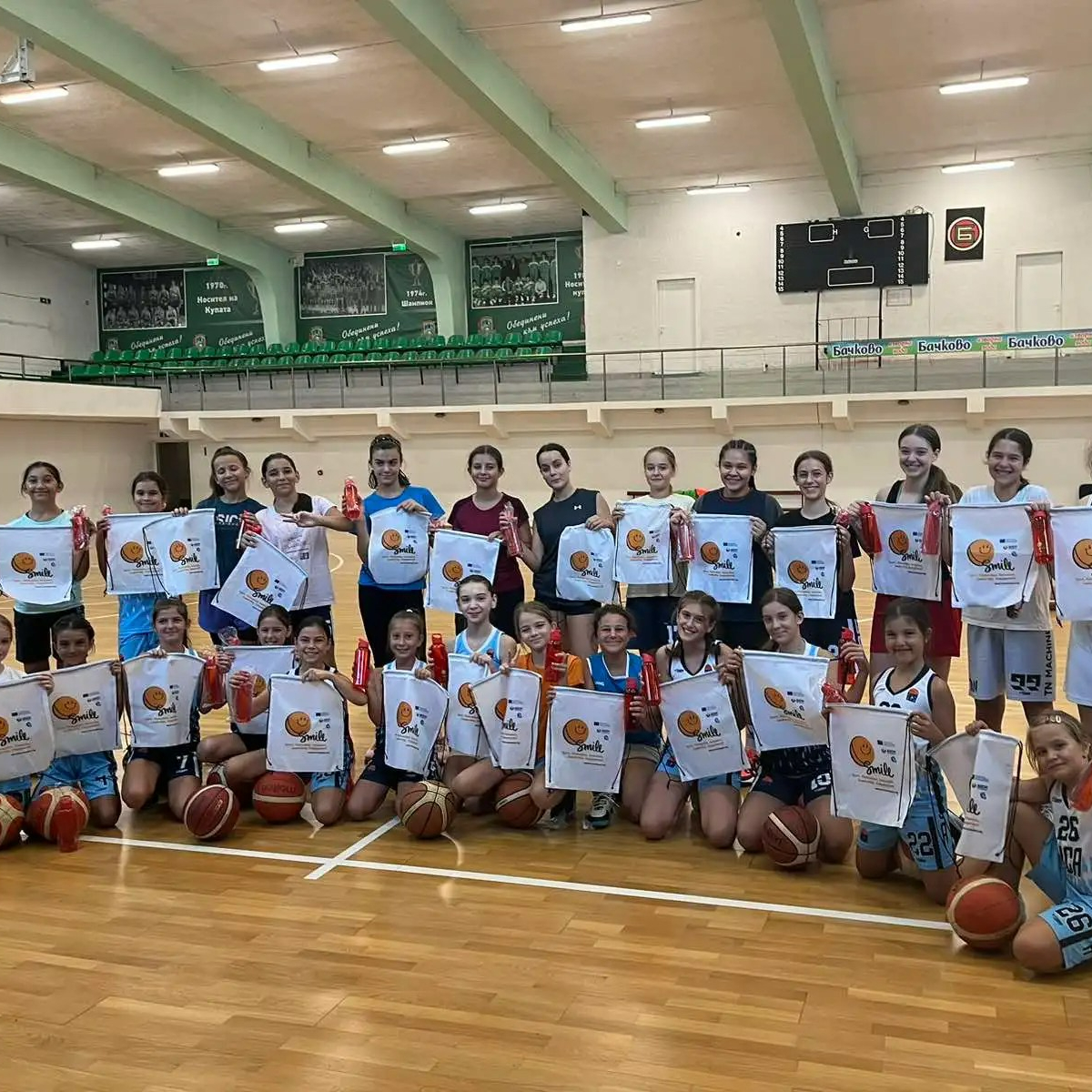
The staging of these training sessions at Arena Botevgrad marked a significant milestone for the project, bringing together participants, sports experts, and partner organizations dedicated to advancing social inclusion. The core mission of #SMILE centers on breaking down the systemic barriers that frequently leave individuals with intellectual disabilities on the sidelines of competitive and recreational sports. Through structured physical activity, collaborative exercises, and shared international experiences, the project works to demonstrate that the playing field can and should be a place of absolute equality.
To achieve these ambitious goals, the initiative has developed a comprehensive framework of outcomes and practical tools over the course of its implementation. Central to this framework is the #SMILE Good Practices Handbook, which serves as a vital resource for coaches, educators, and community leaders looking to implement inclusive sports programs. Authorized sports experts and organizations are encouraged to utilize the specialized tools developed within the project to foster welcoming environments for athletes of all abilities. Furthermore, the initiative culminated in a flagship international sports event that successfully united people with intellectual disabilities from both Bulgaria and Croatia, following rigorous preparatory training sessions conducted within each respective country.
The impact of the project is designed to be deeply personal for every participant involved. Through the various scheduled activities, the organizers aimed to provide individuals with intellectual disabilities the unique opportunity to discover the transformative power of sports as a direct tool for inclusion through firsthand experience. Participants were not merely observers or token attendees; they were active athletes, leaders, and engaged members of an international sporting community. This hands-on involvement is crucial for building self-confidence, improving physical health, and developing social skills that extend far beyond the boundaries of the sports hall.
Collaboration remains a cornerstone of the #SMILE initiative. Working alongside dedicated project partners, the team contributed to the creation and refinement of the Good Practices Handbook for the Inclusion of People with Intellectual Disabilities. This document captures valuable methodologies and lessons learned, ensuring that successful strategies can be shared across borders. By engaging in local-level training sessions tailored for individuals with intellectual disabilities, the project has worked to trigger a powerful ripple effect, inspiring communities to adopt inclusive practices long after the initial workshops conclude. Ultimately, this creates a sustainable mechanism for transferring good practices among project partners and local stakeholders alike.
The objectives of the #SMILE project are deeply intertwined with the broader horizontal priorities of the Erasmus+ program, which generously co-funds the initiative. Within the framework of Erasmus+, ensuring inclusion and diversity across all areas of education, training, youth, and sport is a paramount objective. This commitment represents the foundational philosophy of the #SMILE project itself—deliberately enabling the active participation of a demographic group that has historically found itself in an unequal position regarding international opportunities and athletic access.
In addition to championing diversity, the initiative aligns closely with the core Erasmus+ priority of promoting broader participation in sports and physical activity. Every workshop, training module, and collaborative event carried out under the umbrella of the SMILE project has been strategically aimed at the sustainable integration of people with intellectual disabilities into regular sports pathways. Whether at the local, national, or international level, the overarching aim is to embed inclusivity into the very fabric of sports culture, ensuring that athletic programs remain accessible to everyone regardless of their intellectual capabilities.
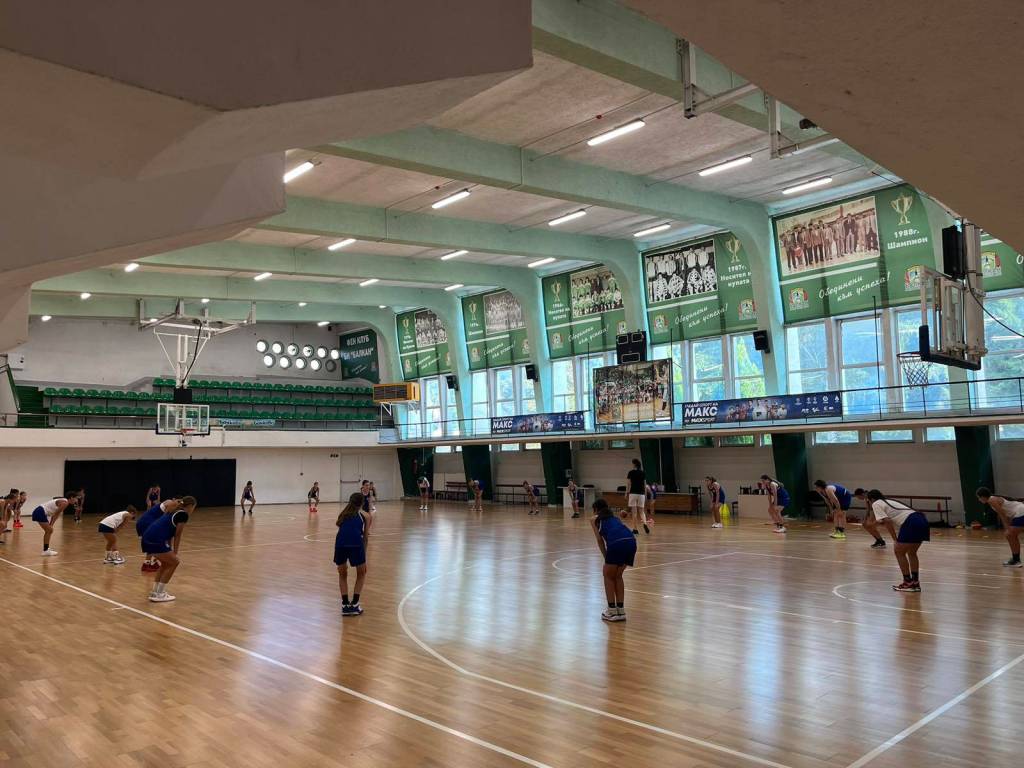
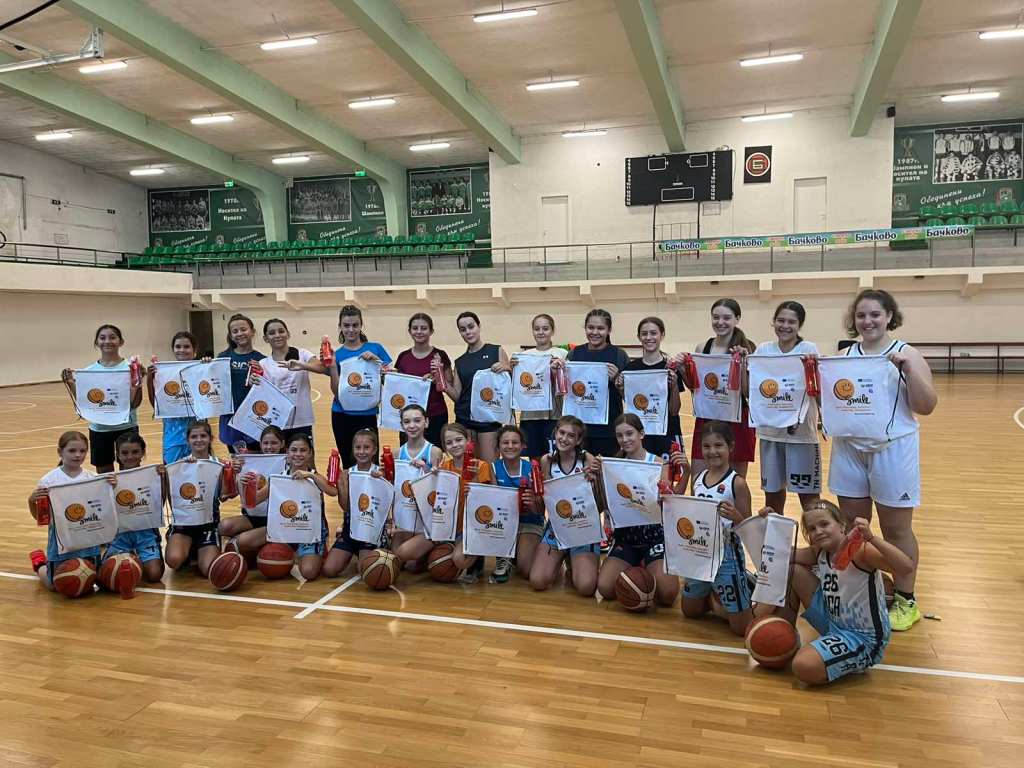
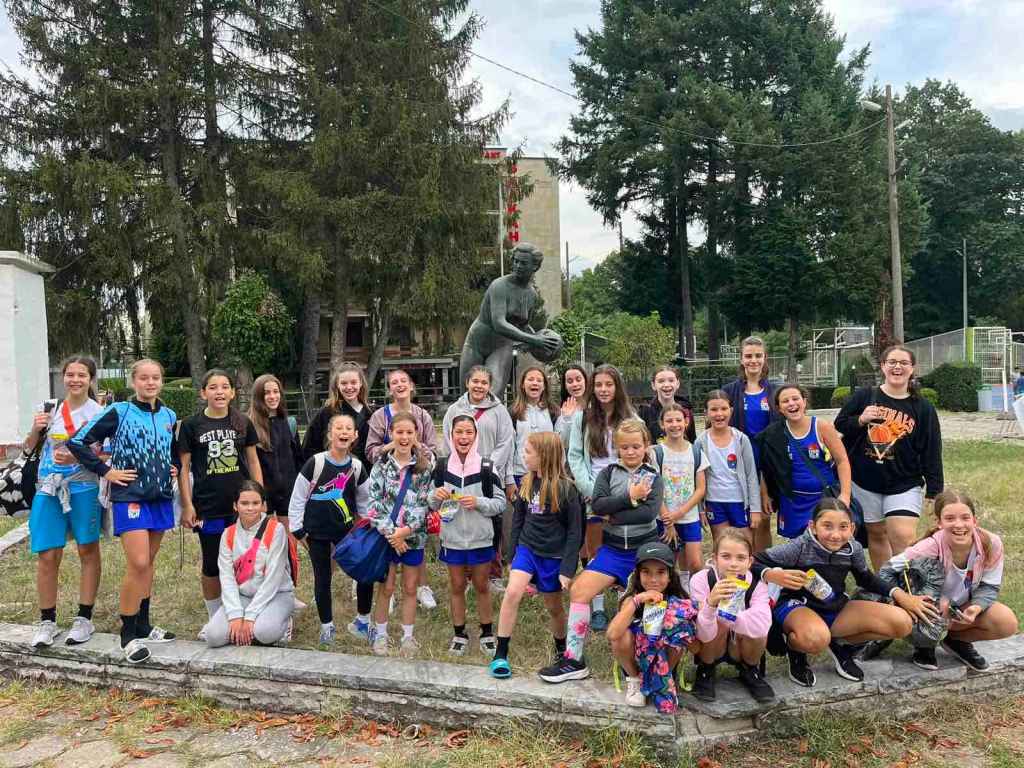
The energetic atmosphere at Arena Botevgrad during those early September days in 2023 highlighted the tangible success of these efforts. Photographs from the training camp capture participants fully immersed in basketball drills and team-building exercises, showcasing moments of focus, teamwork, and genuine joy. Coaches and mentors worked side-by-side with the athletes, demonstrating techniques and adapting drills to suit diverse needs while maintaining the competitive and spirited nature of the game. These visual records underscore the practical application of the #SMILE framework, proving that with the right support, resources, and encouragement, inclusive sports environments can thrive at the highest operational standards.
As the training activities in Botevgrad drew to a close, the momentum generated by the #SMILE initiative continued to resonate within the participating organizations and communities. By bridging the gap between local grassroots efforts and international cooperation, the project has established a robust model for future inclusive sports programming. The ongoing utilization of the Good Practices Handbook, combined with the lasting networks forged between Bulgarian and Croatia participants, ensures that the impact of the September camp will continue to open doors for athletes with intellectual disabilities for years to come.



