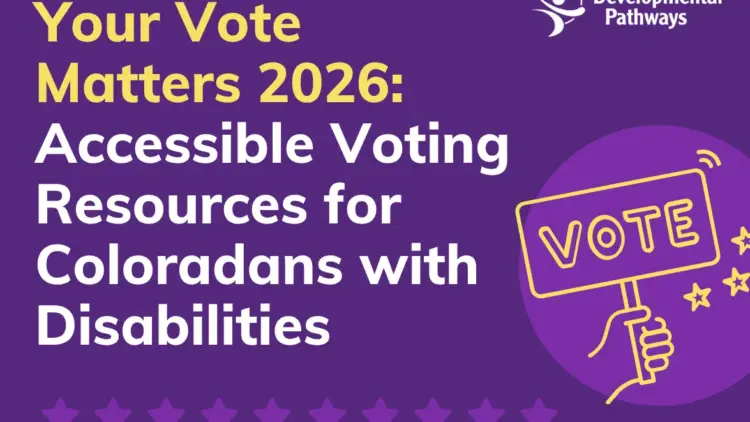
As the state of Colorado looks toward the upcoming 2026 election cycle, community organizations are intensifying their efforts to address a persistent and significant gap in civic participation. According to data highlighted by Developmental Pathways (DP) and drawn from a comprehensive Rutgers University report commissioned by the U.S. Election Assistance Commission (EAC), a profound opportunity exists to strengthen American democracy simply by ensuring equitable access to the ballot box. Federal research indicates that if voters with disabilities were to cast their ballots at the exact same rate as voters without disabilities, approximately two million additional voices would actively participate in shaping the political and social landscape of the nation.
To bridge this participation gap locally, Developmental Pathways has renewed its steadfast commitment to helping individuals with disabilities fully participate in all aspects of community life, with voting serving as a cornerstone of civic inclusion. The organization has rolled out a comprehensive set of informational resources designed specifically to support Colorado voters with disabilities as they prepare for the 2026 election. By providing clear guidance on fundamental legal rights, accessible voting methods, ballot tracking tools, and educational resources, the initiative aims to demystify the voting process and ensure that every eligible citizen can make their voice heard without facing unnecessary barriers.
Your Right to Vote
A central focus of the outreach effort is ensuring that individuals understand the legal protections guaranteeing their right to participate in elections. In the state of Colorado, having a designated guardian or utilizing another form of legal decision-making assistance does not strip an individual of their fundamental right to cast a ballot. Under Colorado law, any resident who is 18 years of age or older and meets the state’s basic eligibility requirements retains the absolute right to vote and make independent choices on their ballot. Comprehensive details regarding these foundational criteria, along with specialized information addressing common inquiries, can be found through the official resources provided by the Colorado Secretary of State’s eligibility guidelines and the dedicated Voters with Disabilities FAQ pages.
Navigating the complexities of election laws and ensuring that polling places remain fully compliant with accessibility mandates can sometimes present challenges. To assist voters who encounter obstacles or require advocacy, Disability Justice Colorado—operating as the state’s designated Protection and Advocacy System—stands ready to provide critical assistance. This organization helps residents fully comprehend their voting rights, explore the wide array of accessible voting options available across the state, and file formal complaints or seek remediation if their civil rights are violated during any phase of the electoral process.
Make a Plan to Vote
Translating the right to vote into actual civic participation often requires deliberate preparation. To assist voters in navigating the logistics of the 2026 election, Developmental Pathways has made practical planning tools available, including printable resources such as the "My Voting Plan" sheet, which is designed to help individuals organize their schedule, identify their preferred method of voting, and ensure all necessary steps are completed ahead of election deadlines.
Colorado’s decentralized and mail-in voting model offers multiple pathways for residents to cast their ballots securely and conveniently. Under state regulations, every Voter Service and Polling Center (VSPC) is legally required to be fully accessible to individuals with disabilities, offering specialized marking devices and physical accommodations to guarantee privacy and independence. Voters can choose to return their completed ballots through secure drop boxes, mail them in, or vote in person at an accessible polling location. Furthermore, transparency remains a priority throughout the process, allowing citizens to monitor the journey of their vote in real time by tracking their ballot online via the Secretary of State’s BallotTrax tool.
Understanding Your Ballot
Casting an informed vote is just as vital as the physical act of showing up at the polls or submitting a mail-in ballot. Understanding the nuances of candidate platforms, state ballot measures, and local policy propositions requires access to reliable, clear, and comprehensive information. Numerous civic, advocacy, and community organizations regularly publish voter and ballot guides to help the public navigate these choices. Because these publications vary widely in their perspectives—ranging from strictly nonpartisan analytical summaries to specialized advocacy viewpoints—voters are encouraged to seek out trusted, transparent sources that align with their personal values and community priorities.
To support voters in this endeavor, Developmental Pathways has compiled a curated collection of ballot guides and educational resources specifically tailored for the 2026 election cycle. Recognizing that comprehensive information is often released incrementally as candidates finalize their platforms and legal challenges to ballot measures are resolved, organizers have indicated that this collection will be updated continuously. Voters and community members are encouraged to check back frequently for the latest additions, ensuring they have access to the most up-to-date and reliable information possible as election day approaches.