As the winter season sets in and holiday breaks approach, educators, parents, and youth development specialists are increasingly focusing on strategies to help children and teenagers manage their emotions, attention, and behaviors. The transition periods surrounding winter breaks are widely recognized as times of heightened stress for young people, driven by disrupted daily routines, longer periods of indoor confinement, and the general buildup of seasonal excitement. To address these challenges, child development advocates are emphasizing the importance of self-regulation and highlighting creative, engaging ways for kids to practice these vital life skills.
Self-regulation is defined as the foundational ability to effectively manage thoughts, feelings, and actions. It is the core mechanism that allows children to navigate everyday emotions, maintain focus on tasks, and build positive relationships with peers and adults. While developing this capability is important year-round, experts note that the unique pressures of the winter months require intentional support systems. Shifts in schedules and the indoor environment often lead to emotional dysregulation, making proactive strategies essential for maintaining classroom focus and emotional well-being. Fortunately, professionals point out that practicing these critical skills does not have to feel like a chore; rather, self-regulation can be cultivated through interactive, enjoyable experiences tailored to the winter season.
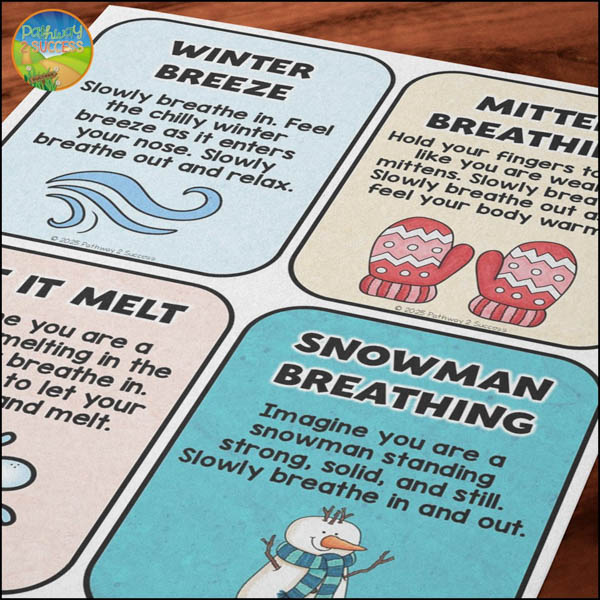
A primary approach gaining traction in schools and homes involves winter-themed mindful breathing exercises. Educators introduce these deep-breathing practices as a mental "pause button," teaching students that focusing on slow, deliberate inhales and exhales can help them step back from immediate emotional reactions or impulses. This foundational self-regulation exercise actively engages the parasympathetic nervous system—the biological mechanism responsible for true rest and relaxation. Extensive educational and psychological research demonstrates that incorporating mindful breathing into a child’s routine supports emotional regulation, enhances cognitive focus, and fosters a general sense of calm.
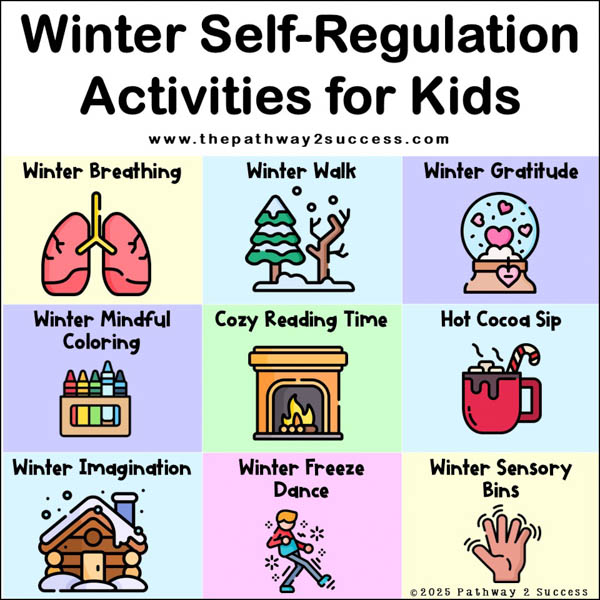
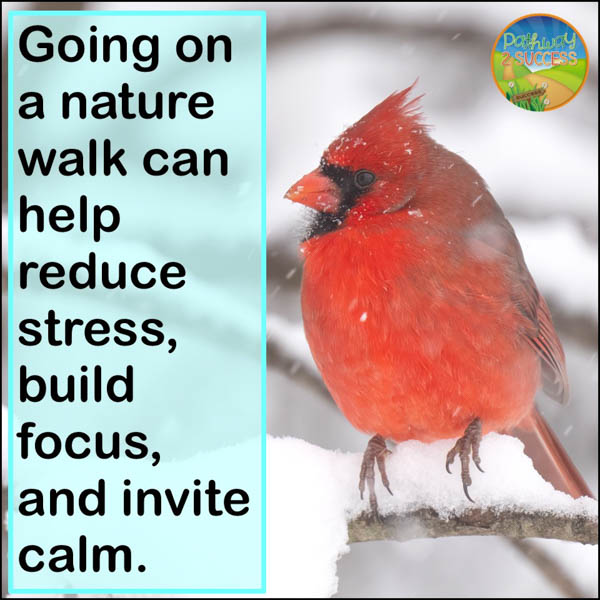
Beyond the classroom walls, outdoor nature walks provide another powerful avenue for cultivating mindfulness and self-regulation during the colder months. When weather permits, educators and parents are encouraging children to bundle up and head outside for sensory-focused explorations. These walks invite youth to actively notice their surroundings through all five senses, whether that involves observing a hawk soaring through the crisp winter air or feeling a chilly breeze. Researchers have long noted that spending time in natural environments helps reduce stress, strengthen attention spans, and improve overall mood. Furthermore, outdoor winter excursions promote physical activity and exposure to natural daylight, which are critical components of seasonal health and well-being.
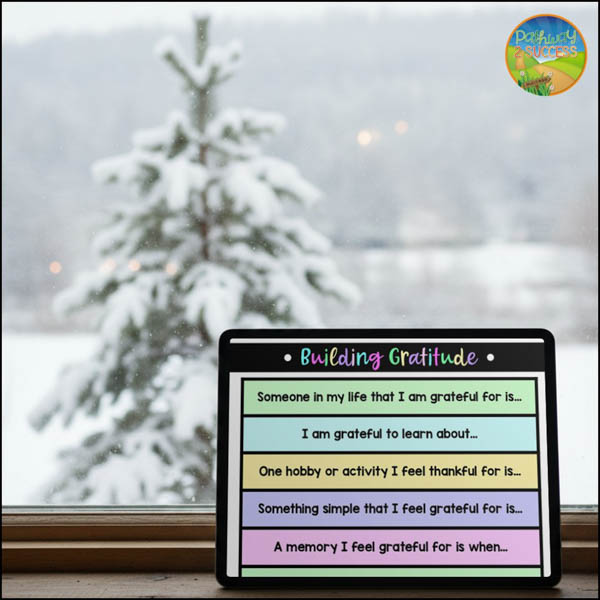
Gratitude reflection has also emerged as a powerful tool for shifting mindsets during the winter season. By carving out time for children to articulate what they are thankful for—ranging from warm seasonal beverages and family traditions to the feeling of winter sunshine—adults can help young people anchor their thoughts in positive experiences. Simple classroom discussions, sentence starters, and journal writing prompt students to dig deeper into their appreciation for daily comforts. According to behavioral science, regular gratitude practices help rewire the brain to focus on positive stimuli, yielding documented benefits such as reduced stress, enhanced resilience, improved sleep quality, and a stronger sense of overall well-being.
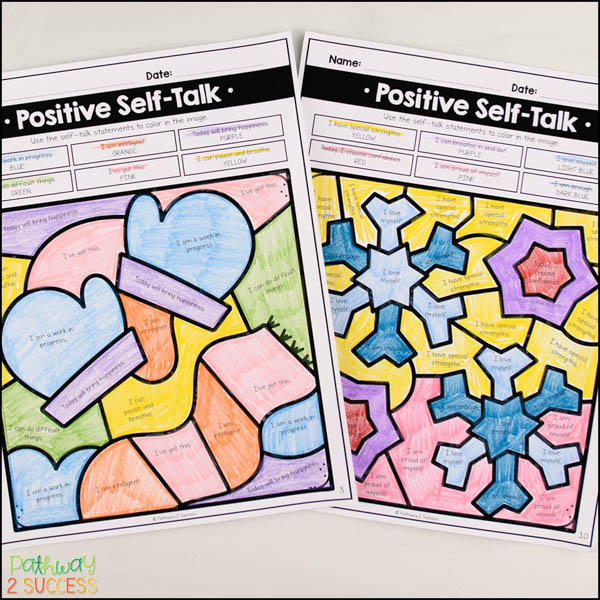
For children who benefit from creative and tactile outlets, educators are turning to mindful winter coloring activities. By distributing winter-themed coloring pages paired with positive self-talk phrases, adults provide young learners with a structured way to slow down, breathe, and focus. Unlike traditional meditation that requires physical stillness, mindful coloring accommodates children who need subtle movement, serving as an evidence-based strategy to alleviate anxiety and improve mood without creating performance pressure around artistic perfection.

Similarly, cozy reading time offers a dual benefit of relaxation and interpersonal connection. Whether students engage in independent silent reading or participate in a group read-aloud session, immersing themselves in a good book helps lower stress levels and ease muscle tension. Group read-alouds offer the added advantage of co-regulation, allowing children and adults to share a calming experience that fosters empathy and strengthens social bonds.
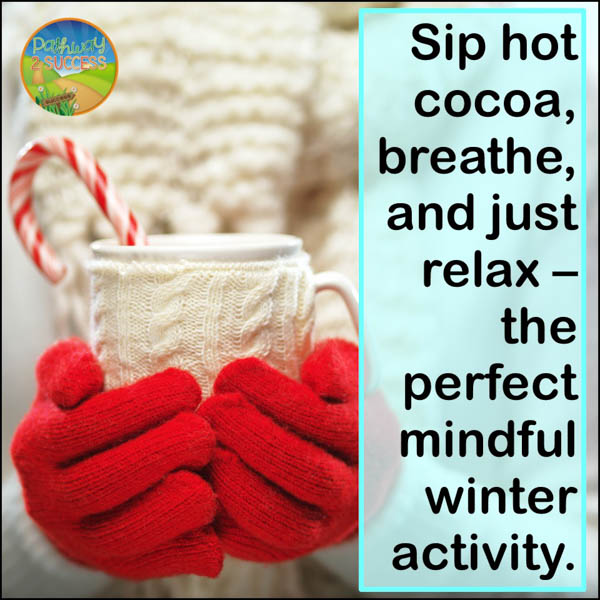
Hands-on tactile experiences, such as winter-themed sensory bins, provide another effective medium for emotional grounding. Filled with safe, seasonally appropriate materials, these bins encourage curiosity, storytelling, and fine motor skill development while anchoring children in calming, tactile play. In a similar vein, the mindful sipping of hot cocoa combines sensory engagement with physiological relaxation. Holding a warm mug, noticing its aroma, and pausing between sips offers a tangible mindfulness exercise that helps quiet the mind and signal the central nervous system to unwind.

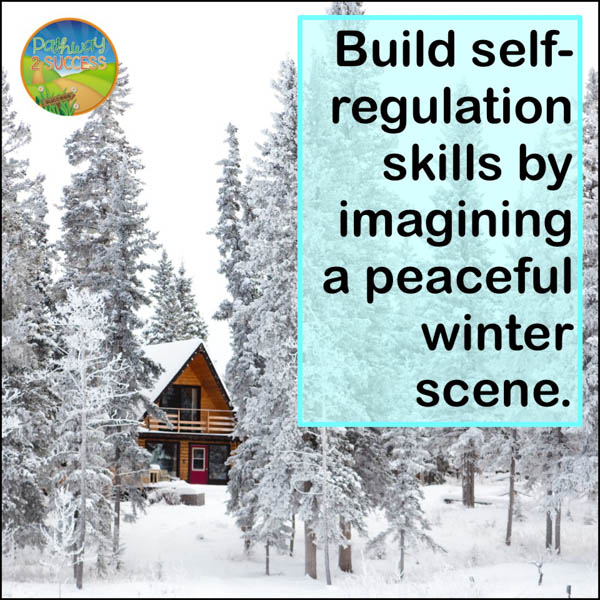
Cognitive strategies such as winter imagination and visualization exercises allow youth to mentally transport themselves to relaxing seasonal landscapes. By guiding children through sensory prompts about peaceful winter scenes, adults help them practice shifting their internal states toward calm and stability. Alongside these imaginative practices, hands-on winter crafts and the intentional use of gentle, winter-themed background music or instrumental tracks help establish a serene atmosphere that supports sustained attention and emotional balance.
Movement-based activities also play a vital role in winter self-regulation initiatives. Games like winter-themed freeze dance allow children to release physical energy while simultaneously practicing impulse control. By requiring participants to listen for specific seasonal vocabulary words and instantly transition from active movement to absolute stillness, freeze dance reinforces self-regulation, body awareness, and listening skills in a playful format.
As communities navigate the complexities of the winter season, educators and families continue to explore these diverse, engaging activities to ensure children and teens receive the emotional support they need. By integrating mindfulness, movement, creativity, and connection into daily routines, adults can help young people build resilient self-regulation skills that last well beyond the winter months.