As the political landscape shifts toward the upcoming 2026 election cycle, advocacy groups and community organizations across the United States are renewing their focus on a persistent demographic disparity in American democracy: the participation gap among voters with disabilities. National data underscores the profound impact that closing this gap could have on civic life. According to research from Rutgers University highlighted by the U.S. Election Assistance Commission, if citizens with disabilities cast their ballots at the exact same rate as voters without disabilities, approximately two million additional voices would actively participate in shaping the direction of local, state, and national governments.
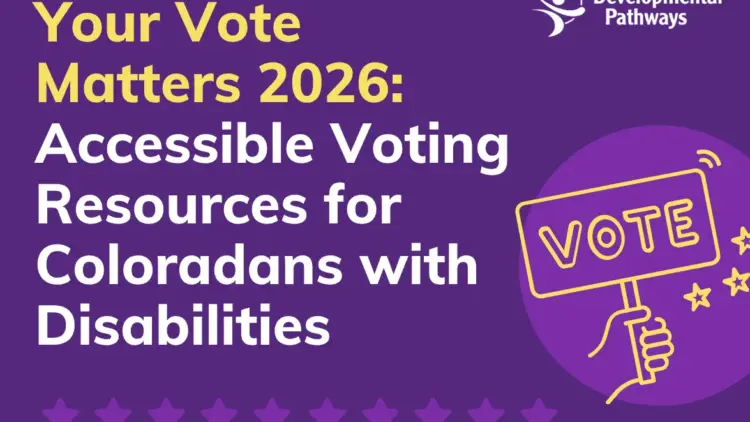
In Colorado, organizations are stepping forward to ensure that this potential is realized rather than left on the table. Developmental Pathways, a prominent community organization dedicated to supporting individuals with intellectual and developmental disabilities, has reaffirmed its comprehensive commitment to helping community members achieve full civic participation. Recognizing that voting is a cornerstone of community inclusion, the organization has rolled out a series of informational resources and practical guides designed to support Colorado voters with disabilities as they prepare for the 2026 elections.
The initiative comes at a critical time when accessibility, ballot comprehension, and voter confidence remain vital to safeguarding the democratic process. By addressing common legal misconceptions, highlighting accessibility mandates, and providing tools for informed decision-making, Developmental Pathways and its partners aim to remove the administrative and physical barriers that have historically hindered voters with disabilities from making their voices heard at the ballot box.
Your Right to Vote: Clarifying Legal Protections in Colorado
One of the most persistent hurdles facing potential voters with cognitive or physical disabilities involves misconceptions surrounding legal guardianship and voter eligibility. A widespread myth persists that individuals who rely on a guardian or other legal decision-makers lose their fundamental right to participate in elections. Developmental Pathways and state officials are working diligently to correct this misunderstanding.
Under Colorado law, the appointment of a guardian or legal decision-maker has zero impact on an individual’s constitutional right to vote. Any resident who is eighteen years of age or older and satisfies the state’s baseline eligibility requirements holds the legal authority to cast a ballot and make independent choices regarding candidates and ballot measures. This legal protection ensures that autonomy in the voting booth remains intact regardless of the support an individual might require in other areas of daily life.
To help voters and their families navigate these rights, state resources offer detailed legal parameters. The Colorado Secretary of State provides comprehensive eligibility details alongside a dedicated Frequently Asked Questions page specifically tailored to electors with disabilities. These documents outline the exact protections afforded to voters under both state and federal law, ensuring that individuals understand their legal standing well before election day arrives.
Furthermore, enforcement and advocacy play a vital role in protecting these rights from administrative overreach or physical obstruction. Disability Justice Colorado, which serves as the state’s designated Protection and Advocacy System, stands ready to assist voters who encounter obstacles during the electoral process. The organization provides guidance on understanding voting rights, explores accessible voting options available across the state, and actively investigates or files formal complaints if an individual’s voting rights are violated by election officials or polling place staff.
Make a Plan to Vote: Navigating Accessibility and Ballots
Transitioning from understanding voting rights to successfully casting a ballot requires careful preparation, a principle that Developmental Pathways emphasizes through practical planning tools. To assist voters in organizing their schedules and logistics, the organization offers a downloadable planning resource titled "My Voting Plan." This sheet helps voters outline their preferred method of voting, transportation arrangements, and timelines for returning their ballots.
Colorado’s decentralized and accessible election model provides multiple avenues for participation, accommodating diverse physical needs and schedules. Every designated Voter Service and Polling Center across the state is legally required to meet strict accessibility standards, ensuring that individuals with mobility challenges, sensory impairments, or other physical needs can vote independently and privately. Voters can choose between utilizing accessible electronic voting machines at polling centers, receiving mail-in ballots at home, or dropping completed ballots off at secure, 24-hour drop boxes strategically placed throughout local communities.
For those who utilize mail-in ballots, tracking the journey of a vote from submission to final tabulation provides vital peace of mind. The Colorado Secretary of State facilitates this transparency through the BallotTrax online tool. By registering with the system, voters can monitor the real-time status of their mail-in ballots, receiving automated notifications when the county clerk’s office receives, verifies, and processes their votes.
Understanding Your Ballot: The Importance of Informed Choices
While physical and administrative access to the ballot box represents the first major hurdle of the electoral process, comprehension and informed decision-making are equally critical. Developmental Pathways emphasizes that understanding what is actually on the ballot matters just as much as the physical act of showing up to vote. In any given election cycle, voters are confronted with a complex array of candidates, constitutional amendments, statutory changes, and local fiscal measures that directly impact community services, funding, and civil rights.
Navigating this dense landscape of information can be overwhelming, particularly given the sheer volume of material produced by various political, advocacy, and community organizations. Numerous groups publish voter guides ahead of major elections, ranging from strictly nonpartisan breakdowns of ballot measures to partisan endorsements of specific candidates. Developmental Pathways advises voters to exercise discernment, selecting trusted, transparent sources that align with their personal values and community interests.
To assist local voters in navigating the 2026 election, the organization has compiled a curated collection of reliable ballot guides and educational resources. This growing repository is designed to help voters weigh their options thoughtfully and approach their ballots with confidence. Because new guides, analyses, and community resources are frequently published as election day approaches, the organization encourages voters to check back regularly for updated materials and support tools. Through these comprehensive efforts, Developmental Pathways continues to build a more inclusive electoral landscape where every eligible voice in Colorado can be successfully counted.