
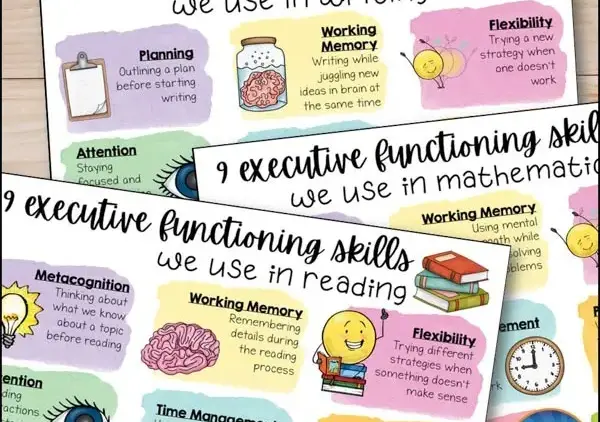
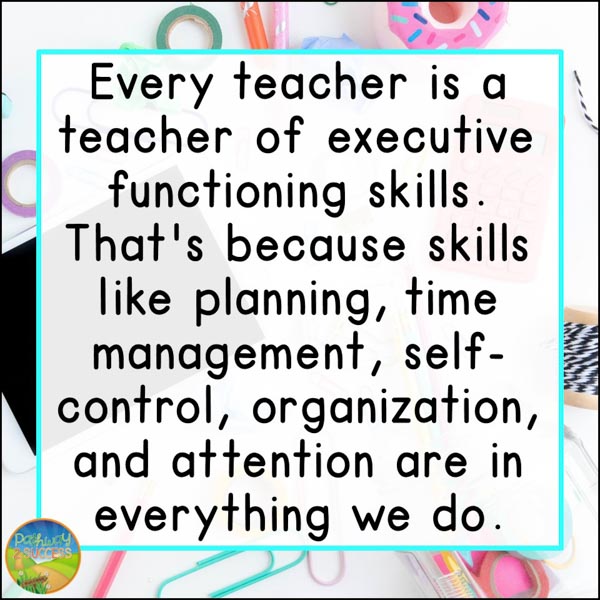
In contemporary education, the role of a classroom teacher extends far beyond delivering subject-specific content. Educators across grade levels are increasingly recognizing a fundamental reality of cognitive development: every teacher is, by necessity, a teacher of executive functioning skills. Whether navigating a fourth-grade math assignment, an eighth-grade English composition, or a middle-school collaborative art project, students rely constantly on a core set of brain-based abilities that govern how they plan, organize, and execute tasks.
Executive functioning skills form the neurological foundation that allows individuals to accomplish everyday objectives and manage complex requirements. These essential cognitive processes include planning, organization, task initiation, time management, sustained attention, and problem-solving through challenges. Rather than operating in isolation, these skills are continuously activated across every academic discipline. When students must structure a multi-paragraph essay, break down multi-step word problems, manage their time during an examination, or maintain focus through an extended lecture, they are exercising their executive functioning systems.
Educational experts emphasize that when teachers intentionally acknowledge, support, and reinforce these skills within their daily instruction, they provide learners with the critical tools required for sustained academic and personal success. Crucially, integrating executive functioning development does not require a complete overhaul of existing curricula. Educators already possess the capacity to target these competencies seamlessly within their current lesson plans and subject matter, making the integration of cognitive strategies both practical and sustainable.
To address these needs effectively, schools are looking at how foundational executive functioning domains manifest in daily classroom routines. Planning—the ability to conceptualize a goal and formulate sequential steps to achieve it—underpins nearly every major assignment students undertake. Closely related is metacognition, or the practice of thinking about one’s own thinking, which allows students to evaluate their own comprehension and adapt their learning strategies accordingly. Organization, another cornerstone ability, involves keeping physical and digital materials, as well as complex information, orderly and accessible.
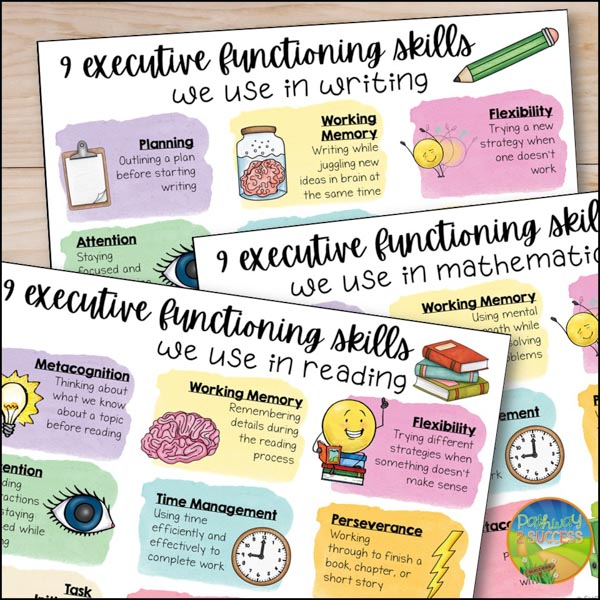
Other critical areas include task initiation, defined as the capacity to begin assignments in a timely manner without prolonged procrastination, and attention, which enables students to filter distractions and focus effectively on tasks, peers, and instructional ideas. Time management ensures that learners allocate their hours and minutes efficiently to meet deadlines, while self-monitoring encourages students to continuously check their progress against established goals. Furthermore, self-control empowers learners to pause and reflect before making behavioral or academic choices, reducing impulsive reactions in fast-paced school environments.
Beyond basic task completion, educators emphasize the vital roles played by perseverance, problem-solving, and flexible thinking. Perseverance enables students to push through academic obstacles and setbacks, transforming challenges into learning opportunities. Flexible thinking allows learners to consider multiple perspectives, adapt to sudden changes in routine or expectations, and navigate shifting academic demands with resilience.
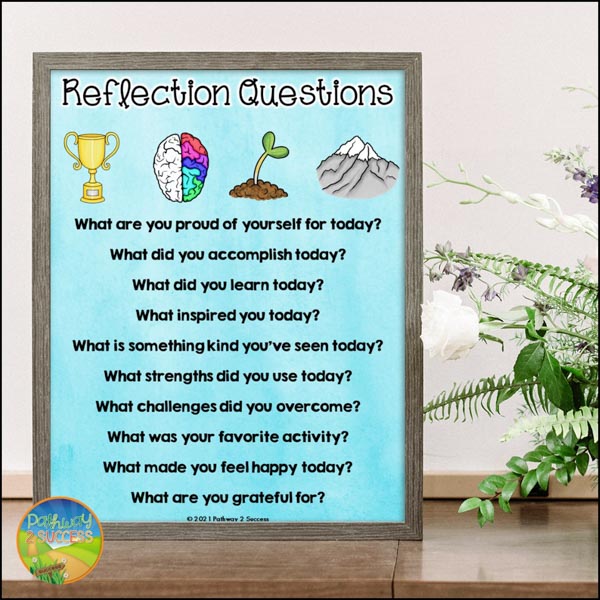
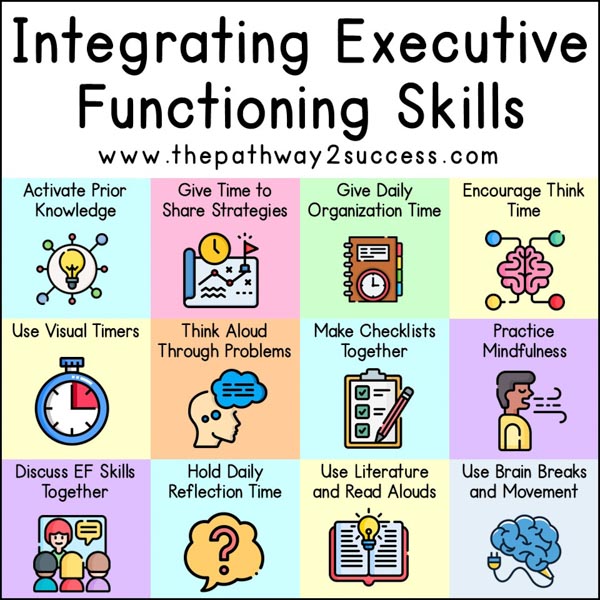
While embedding these strategies into existing content remains a primary approach, many schools are also carving out brief, dedicated periods to explicitly introduce and discuss executive functioning concepts. Rather than requiring extensive instructional blocks, brief mini-lessons can provide the exact amount of framework necessary for students to comprehend and articulate these skills. By establishing a shared vocabulary around concepts such as neuroplasticity, momentum, routine, and self-discipline, teachers can anchor daily discussions in cognitive growth.
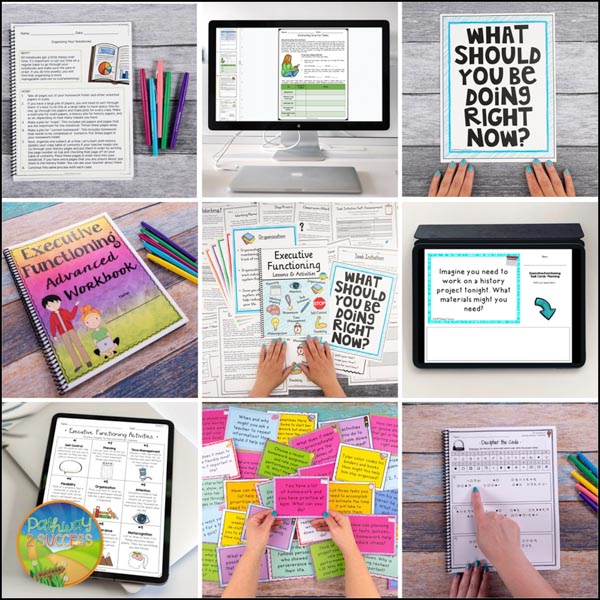
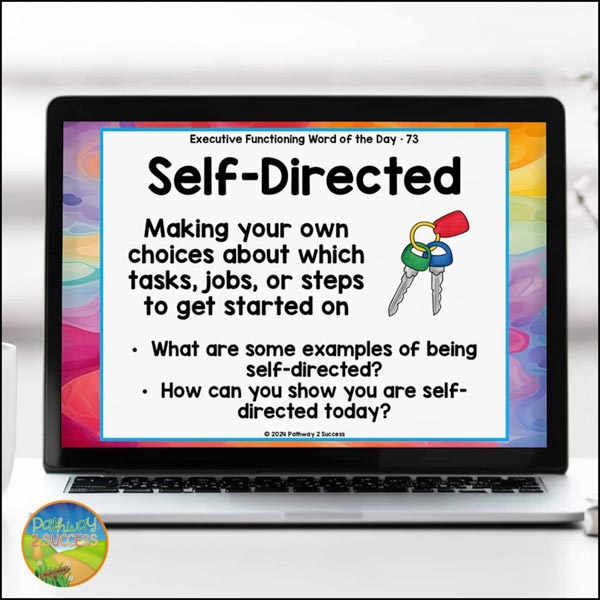
Classrooms are increasingly utilizing brief daily touchpoints—such as discussing themed quotes, exploring words of the day, or analyzing character decisions during read-aloud sessions—to keep executive functioning at the forefront of the school day. These concise interventions allow educators to connect abstract cognitive concepts directly to everyday experiences, giving students concrete language to describe their own learning processes.
Proponents of this integrated approach argue that when teachers deliberately highlight executive functioning during routine lessons and activities, the benefits extend far beyond the immediate classroom environment. By fostering these core cognitive competencies, educators help students develop the independence, self-regulation, and resilience necessary to navigate future academic pursuits and lifelong challenges.



