
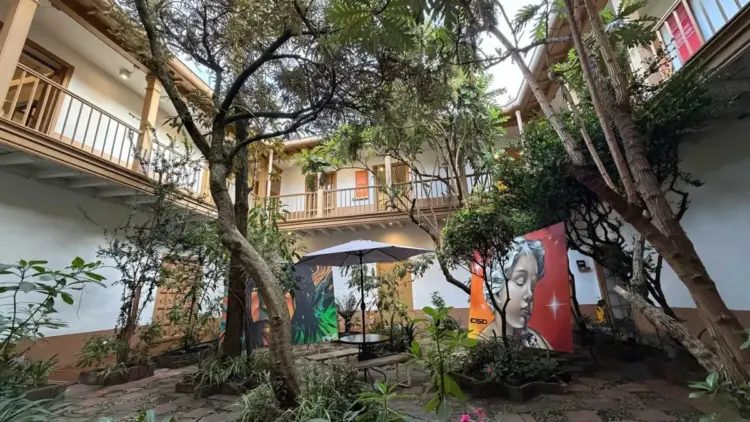
Happy Friday, friends. I recently returned from a remarkable, immersive tour of Colombia, where I spent time exploring the vibrant cities of Bogotá, Barranquilla, and Cartagena. Invited alongside a group of fellow travel professionals, I had the unique opportunity to experience the country’s diverse sights, sounds, and flavors while evaluating its potential as a welcoming destination for travelers from around the globe.
My primary objective for the journey was to research whether Colombia could serve as a suitable host for a future Wheelchair Travel Group Trip. While my investigation revealed that local transportation providers do not yet possess the specialized vehicles required to seamlessly accommodate a group of wheelchair users, the infrastructure is entirely capable of supporting individual travelers and families. I plan to publish a comprehensive, deep-dive analysis into the current state of tourism accessibility in Colombia in a future article. For now, however, I am excited to share a few standout highlights from my time in this fascinating South American nation.
Before diving into the Colombian adventure, it is worth noting the immense popularity of our newly announced programs. The 2027 Wheelchair Travel Group Trip to Morocco, which was unveiled in our previous newsletter, sold out entirely within 24 hours of its release. For those who missed out on that opportunity, there is no need to worry; additional group tour options to one of my absolute favorite international destinations are opening this spring.
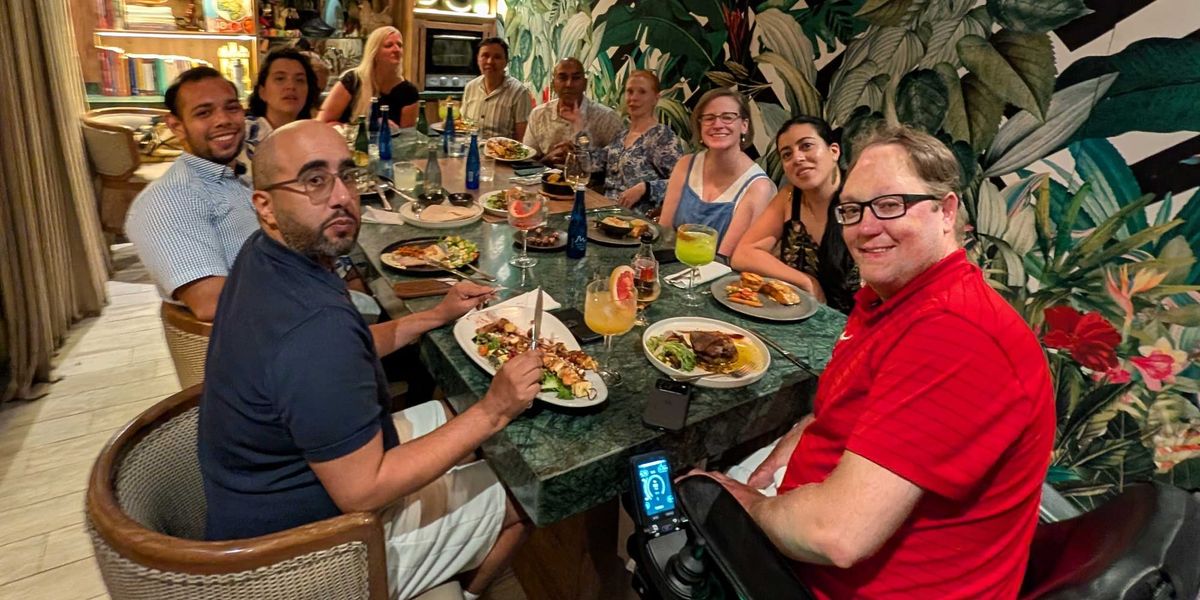
Tasting Strange Fruits in Colombia
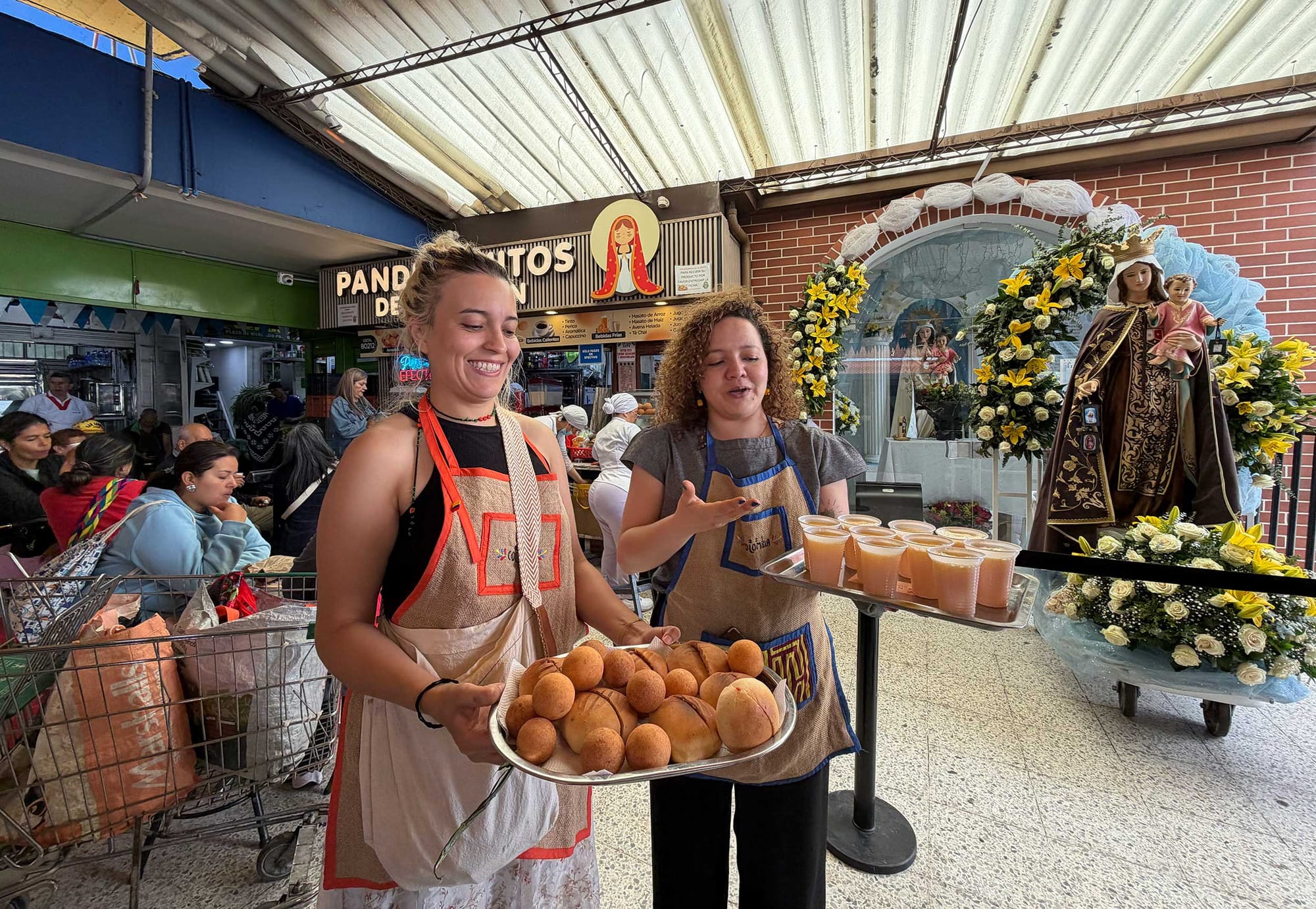
One of the most celebrated cultural and culinary attractions in Bogotá is the bustling Paloquemao Market, renowned as the city’s largest traditional food and flower marketplace. Stepping inside, I discovered nearly a thousand individual stalls supplying an overwhelming array of fresh fruits, crisp vegetables, locally sourced meats, fresh seafood, and vivid floral arrangements.
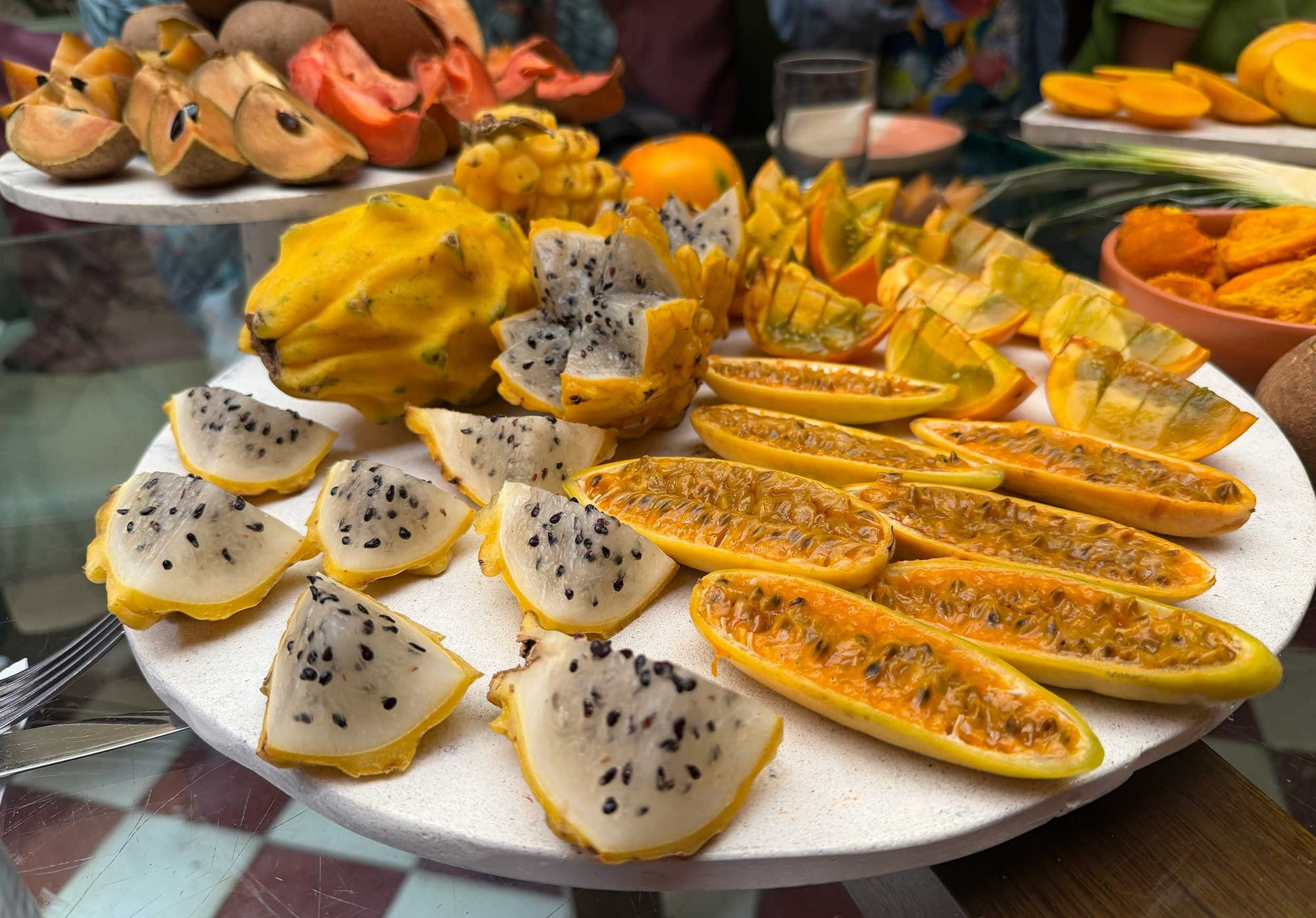
When a fruit-tasting session appeared on our itinerary, my initial assumption was that we would sample familiar traditional options such as standard melons, common berries, and everyday bananas. Instead, our group was introduced to an astonishing lineup of exotic native fruits that immediately engaged the senses and vastly expanded my perspective on tropical agriculture.
Among the most memorable selections were the yellow pitaya, an exceptionally sweet variety of dragon fruit, and the delightfully tart lulo, a citrus-like fruit that instantly transformed my facial expressions into a living emoji. This remarkable fruit-tasting experience was expertly organized and hosted by Maria and her team at 321 Colombia.
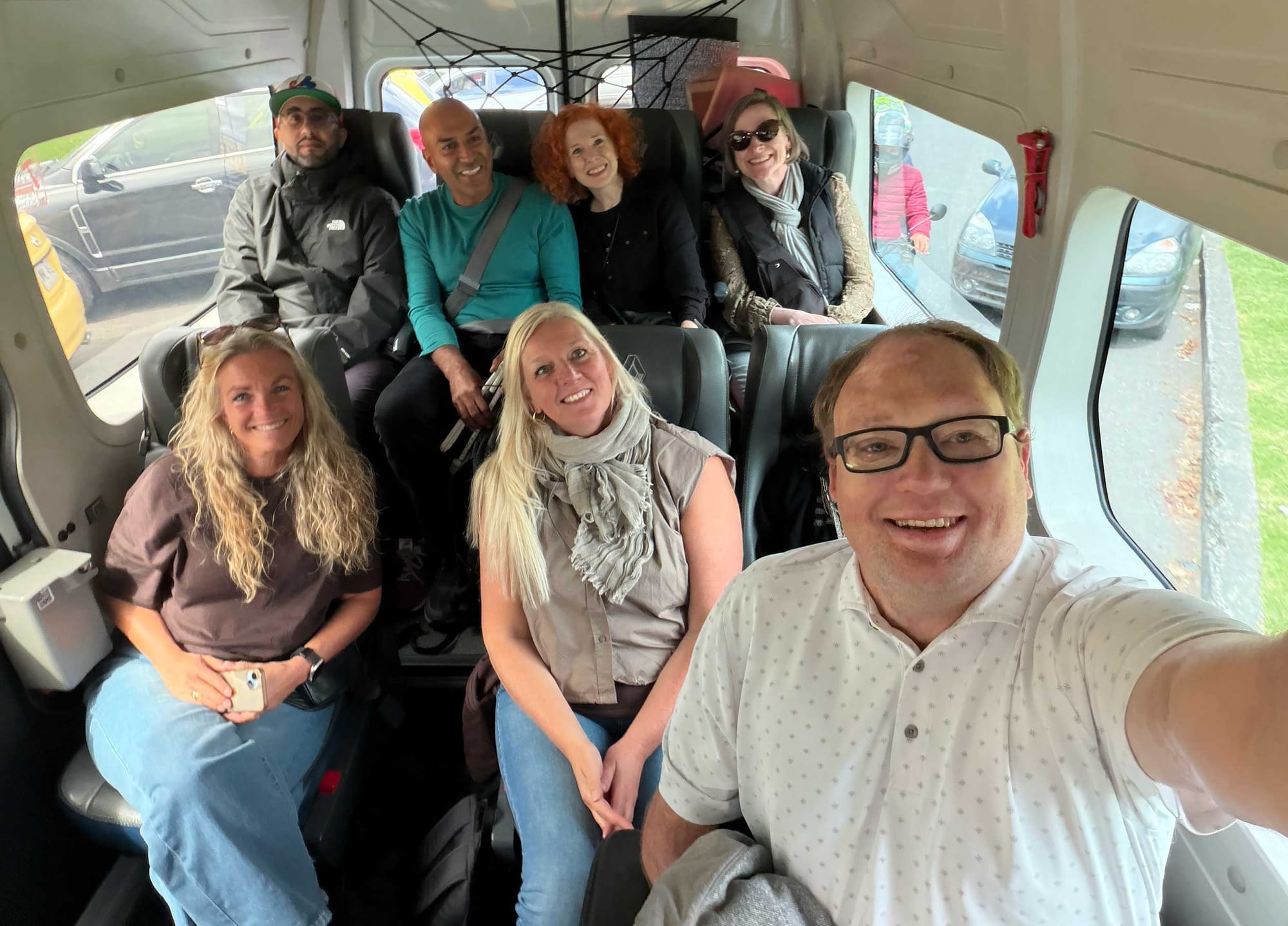
La Candelaria, Plaza Bolívar, and a Historic Bronze Statue
Travelers often find themselves rushing frantically from one scheduled meeting to the next dinner reservation or museum tour, frequently failing to pause and truly experience the immediate environment. In Bogotá, particularly when navigating historic neighborhoods like La Candelaria, even the most focused visitors are inevitably compelled to open their eyes to the vibrant pulse of daily life.
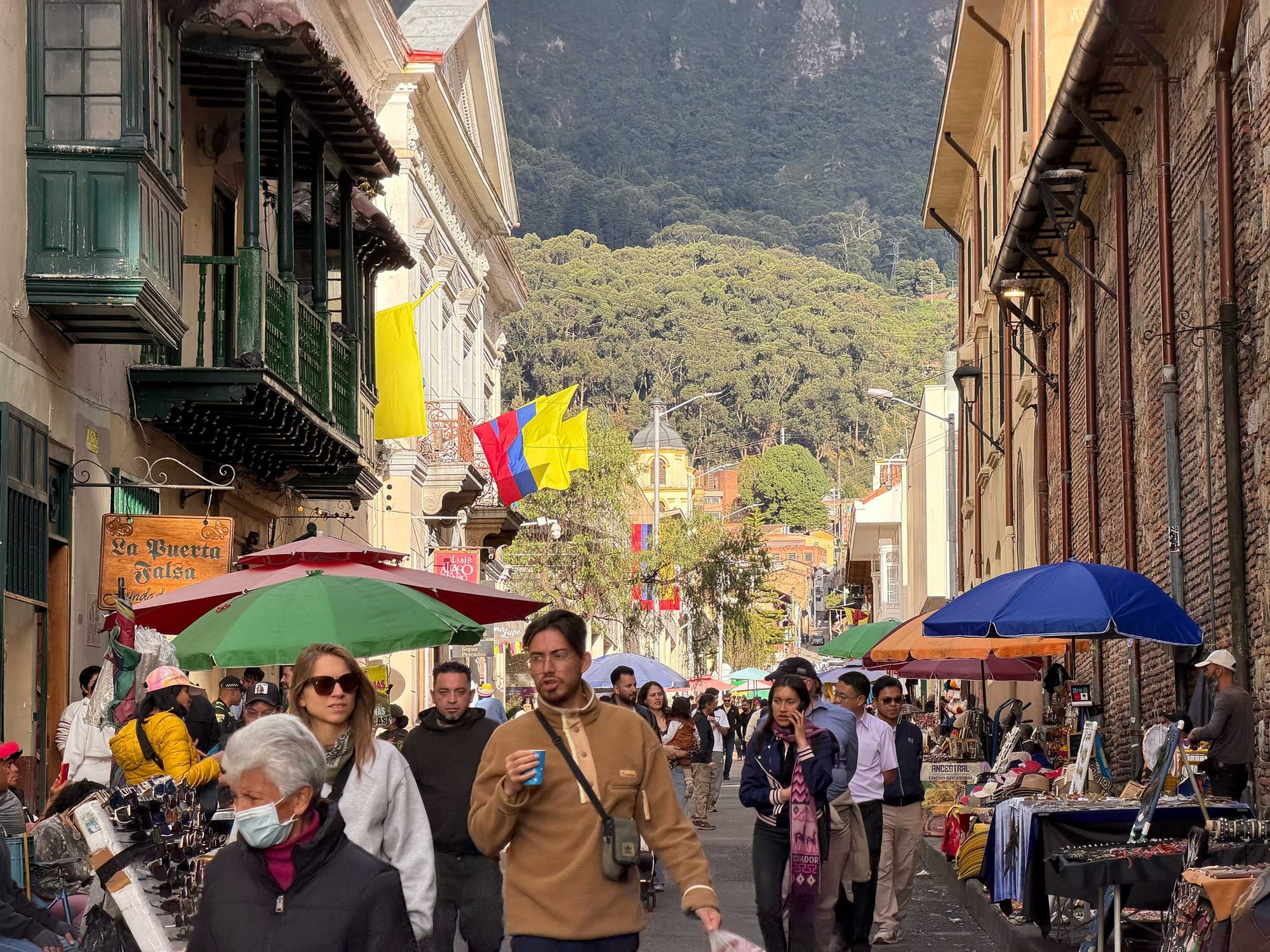
Nowhere is that palpable energy more apparent than in the Plaza de Bolivar, the city’s grand central square. Here, the fundamental institutions of Colombian civic and religious life converge seamlessly: the stately halls of government, the imposing Roman Catholic Cathedral, street vendors loudly hawking their diverse wares, and thousands of pigeons gathered around tourists eager to feed them.
Extending directly from the plaza, Calle 11 runs alongside the cathedral toward prominent cultural landmarks such as the famous Botero Museum. The entire pedestrian route is lined continuously with vendors peddling local souvenirs, fresh fruit, handmade ice cream, and cold beverages. The rich soundscape of the street—comprising the calls of merchants, the melodies of street musicians, and the hum of hundreds of conversations—makes it impossible to walk or roll through the area with one’s head down.
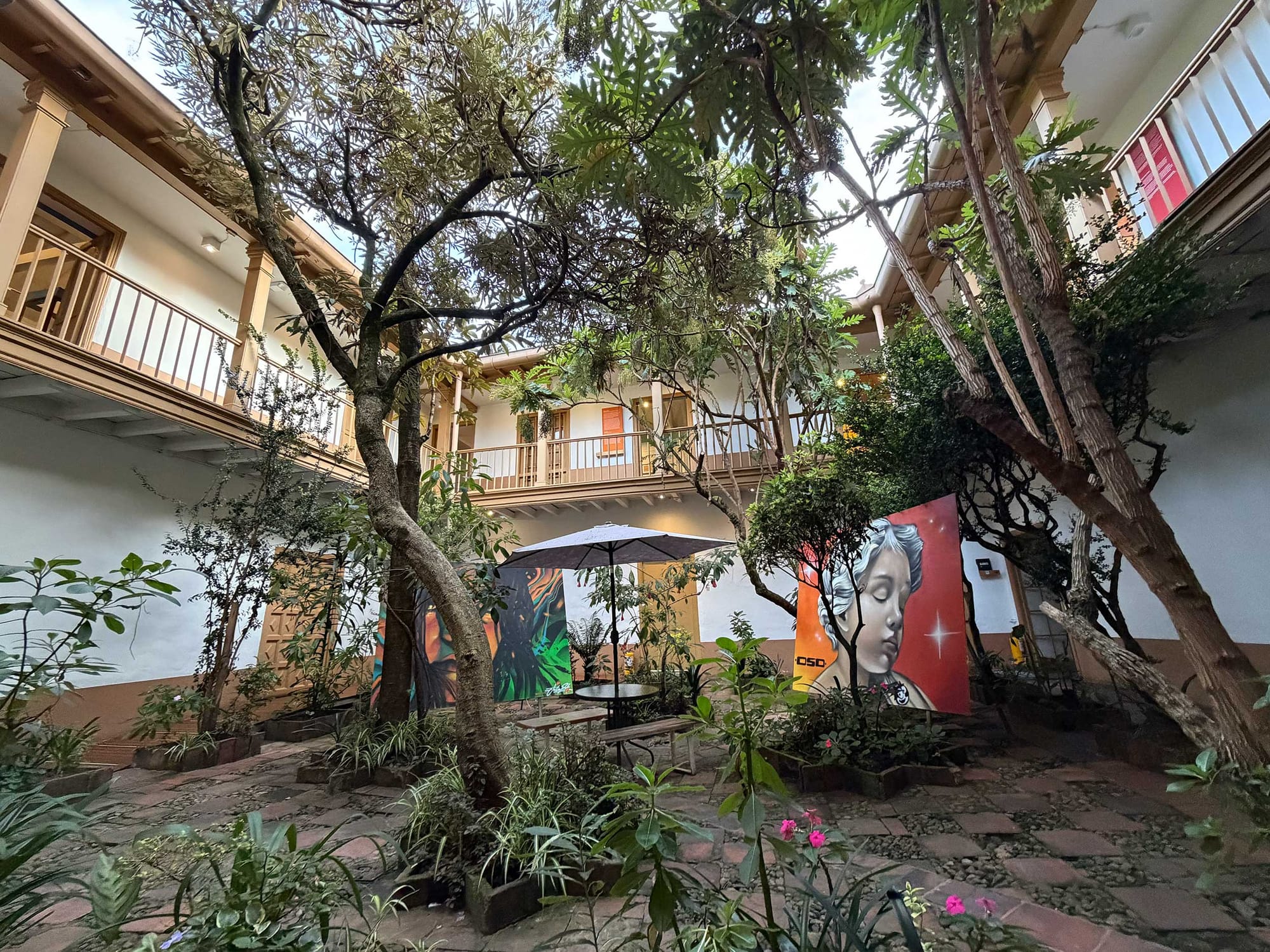
Seeking a brief respite from the relentless city buzz, I visited the thoughtfully designed Bogotá Museum, known locally as the MdB. The institution focuses on documenting the multifaceted history of the city, its urban development, and the everyday experiences of its residents. Housed across multiple restored colonial buildings dating back to the 17th and 18th centuries, the museum has been successfully retrofitted for wheelchair accessibility via a series of ramps and a modern elevator.
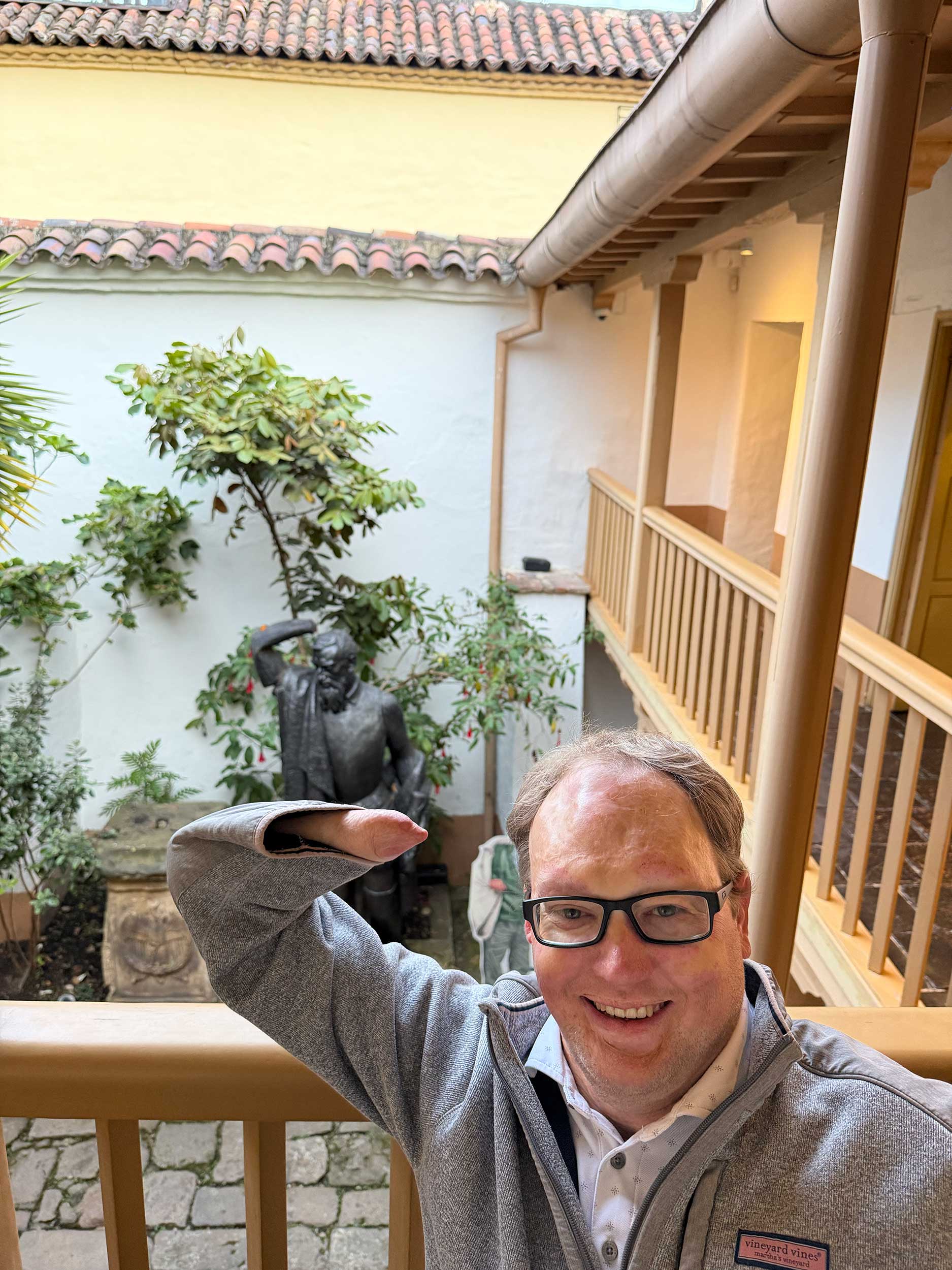
During my exploration of an interior courtyard, a bronze statue immediately caught my attention because the subject’s right hand appeared to be amputated, bearing a striking resemblance to my own arm. Naturally, I posed beside the artwork to capture a light-hearted photograph.
I soon learned from our guides that the statue carries a controversial contemporary history. It depicts Spanish conquistador Gonzalo Jiménez de Quesada, the historical figure credited with the European discovery of modern-day Colombia. In 2021, amid widespread nationwide anti-government demonstrations, indigenous Misak protesters toppled the monument, resulting in the accidental "amputation" that first drew my eye. Inspired to learn more about this complex history, I ordered a copy of the historical text Invading Colombia: Spanish Accounts of the Gonzalo Jiménez de Quesada Expedition of Conquest to read on my next flight.
Boarding Stairs, Boarding Ramps, and Jet Bridges
My departure from Colombia took place via the historic coastal city of Cartagena, allowing me to add Rafael Núñez International Airport to my personal tracking as the 157th airport I have utilized as a wheelchair user. The facility feels relatively compact, featuring a single runway and a terminal layout completely devoid of traditional jet bridges. Despite its modest physical footprint, the airport accommodates more than 20 commercial carriers, including KLM Royal Dutch Airlines operating wide-body aircraft like the Boeing 787.
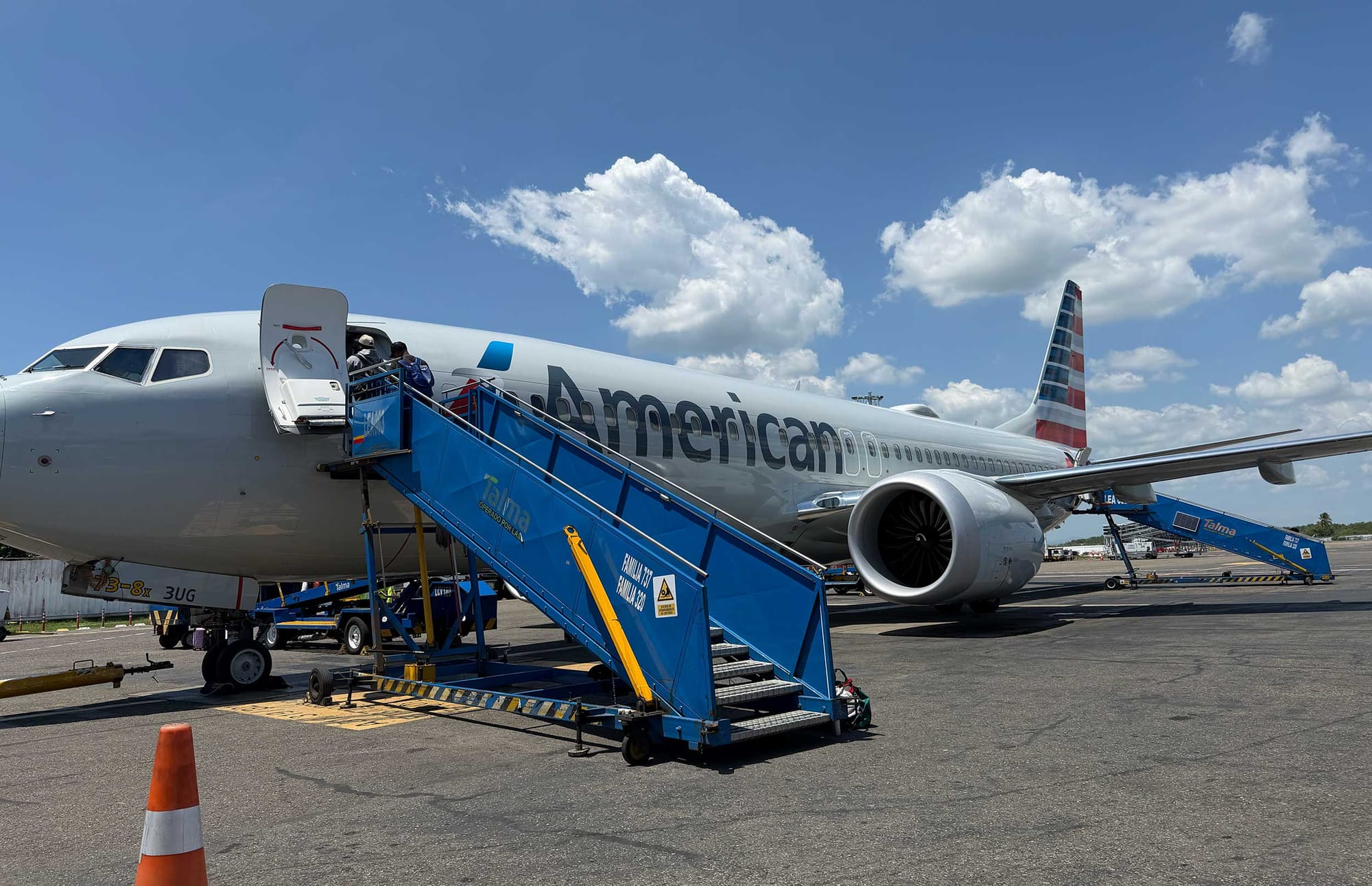
I had booked an American Airlines flight traveling from Cartagena directly to Miami. While the check-in process proceeded smoothly and the frontline personnel were polite, the situation deteriorated significantly during the boarding phase. Upon reaching the aircraft, I was confronted with a steep set of airstairs. The American Airlines ground team insisted that I be physically lifted up the stairs while seated in a narrow aisle chair.
"No, not a chance," I responded firmly. There are simply no circumstances under which a passenger with a disability should be carried up a flight of stairs to board a commercial jetliner, particularly one operated by a major U.S. carrier. I was entirely unwilling to jeopardize my physical safety or my remaining limb just to board a flight.
I immediately requested to speak with a designated Complaint Resolution Officer. While I waited for the official to arrive, airline staff proceeded to open general boarding to all passengers, effectively violating my federally protected right to pre-board the aircraft. When the CRO arrived and identified herself as the station manager for American Airlines, she defended the practice by stating, "This is what we do here." I maintained my position and refused to consent to the hazardous lifting procedure.
Carrying disabled passengers up outdoor stairs is not only fundamentally unsafe, but it was entirely unnecessary given the airport’s physical layout. When I pointed out several aircraft boarding ramps parked at adjacent gates, I was informed that those assets belonged to competing airlines and that American Airlines possessed only stairs.
My refusal to accept the unsafe boarding method ultimately forced a resolution. Following a series of urgent phone calls, the American Airlines ground crew secured formal permission to utilize a boarding ramp owned by Delta Air Lines. Once every other passenger had boarded the aircraft, the airstairs were finally pulled away, and the Delta ramp was successfully maneuvered into place. Delta, frequently recognized as one of the top U.S. airlines for accessibility and wheelchair handling, effectively saved the day.
While I was ultimately able to board the aircraft safely via a ramp, that positive outcome occurred solely because I stood my ground and demanded an accessible alternative. My experience raises critical questions for the aviation industry: Why do major carriers still deem it acceptable to lift passengers manually up exterior stairs? Why have airlines failed to invest in proper ramps or lifts at every destination they serve? Why are travelers with mobility disabilities continually expected to risk their personal safety simply to board a flight?
While I am late to confronting this specific operational failure, it has justifiably captured my full attention. All airlines, and particularly U.S. carriers, must maintain access to and consistently utilize safe boarding ramps at every airport across their networks. Manually lifting passengers up airstairs is an archaic and unacceptable practice that must come to an end.
Looking Ahead: Spring 2027 Wheelchair Travel Group Trip to Greece
Building on the success of our previous programs, I am thrilled to announce our upcoming Spring 2027 Wheelchair Travel Group Trip to Greece. Having led four groups of travelers through Greece over the past two years, the itinerary has firmly established itself as my favorite tour offering.
From rolling directly up to the ancient Acropolis and the Temple of Poseidon to participating in shared cooking classes and wine-tasting sessions situated beneath the shadow of Mount Olympus, this tour expertly blends classical history with unforgettable group camaraderie. Most importantly, every logistical detail of the itinerary is meticulously designed to be entirely barrier-free.
The upcoming 2027 tour is officially scheduled to take place from April 30 to May 10, 2027. The complete, detailed tour itinerary will be released exclusively to paid members of this newsletter, accompanied by a private three-day booking window. If spaces remain available following that window, registration will open to free subscribers.
Final Thoughts
After spending more than an intensive week exploring South America, there is an immense amount of material to process and a wealth of new stories to share with our community. Be on the lookout for upcoming articles covering the coastal beaches and trails I discovered along the Colombian coastline, as well as practical tips for executing successful solo travel journeys.
I hope you have a fantastic weekend, and I look forward to connecting with you through a brand-new series of articles next week.



