Every year on February 25, advocates, medical professionals, and individuals worldwide mark International Cochlear Implant Day. The annual observance is dedicated to celebrating the remarkable medical advancements and life-changing technology that make cochlear implants effective for individuals with severe or profound hearing loss. Beyond celebrating the engineering marvels of modern medicine, the day serves as a platform to amplify the personal journeys of those who navigate the world with the help of these devices, shedding light on the ongoing challenges, triumphs, and the critical importance of accessible hearing health care.
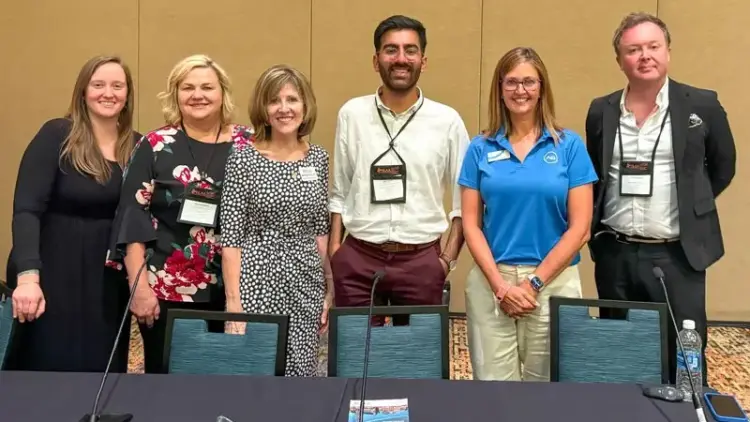
Among the many inspiring voices shared on this day is that of Qais Khan, whose journey from a profoundly deaf child in a hearing family to a globally recognized advocate illustrates both the transformative power of cochlear implant technology and the human resilience required to overcome systemic barriers.
Qais’s Story: Navigating Early Challenges
Born profoundly deaf into a hearing family, Qais’s diagnosis came as an unexpected reality that turned his family’s world upside down. Navigating an entirely new and unfamiliar landscape presented immediate hurdles, but his parents were steadfast in their determination to learn, adapt, and secure the vital support he needed from the earliest stages of his life. At three and a half years old, Qais had his cochlear implant switched on for the first time—a milestone he describes as essential to his communication development and educational access as he grew up.
Despite the medical intervention, growing up with profound hearing loss brought a multitude of challenges and obstacles. During his secondary school and college years, Qais grappled with significant mental health struggles, characterized by low self-esteem and a deep lack of confidence. Compounded by underdeveloped communication skills and a lack of a peer support network, his daily school environment felt isolating. Furthermore, he encountered low expectations from certain educators and professionals who doubted his academic potential. The prevailing consensus among some figures in his educational life was that his prospects were limited and that he would struggle to pass his exams. Pursuing a university education and following a professional career path felt entirely out of reach during those formative years.
Overcoming the Obstacles Through Resilience and Support
Refusing to let the low expectations of others dictate his future, Qais leaned on the unwavering support and encouragement of his parents, charitable organizations, and dedicated hearing health professionals. With their backing, he set out to prove his doubters wrong. He prepared rigorously for his examinations, ultimately passing with excellent grades that enabled him to progress through college and successfully graduate with a university degree.
Earning his degree stands as one of his proudest moments, carrying profound personal as well as academic significance. It represented years of perseverance, quiet determination, and an enduring resilience designed to demonstrate that deafness does not place a ceiling on human potential or personal ambition.
Entering the professional world introduced a new set of hurdles, particularly as the COVID-19 pandemic swept across the globe, bringing widespread uncertainty and a temporary suspension of normal life. Yet, this period of global disruption unexpectedly steered Qais toward a new calling: advocacy.
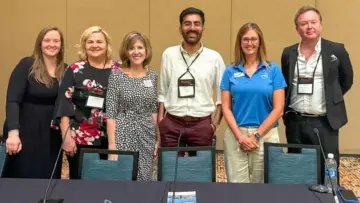
During the pandemic, he became involved with the Cochlear Implant International Community of Action (CIICA). This involvement allowed him to merge his lived experiences with creative, meaningful work, collaborating directly with hearing health experts and professionals to develop practical solutions for individuals living with hearing loss. Serving as a board member and a coordinator for young adults with cochlear implants, Qais has contributed extensively to strategic initiatives and helped facilitate online events addressing the unique challenges faced by individuals between the ages of 18 and 35.
Finding and Sharing a Voice on the Global Stage
As a child, Qais’s spoken voice was frequently difficult for others to understand. Today, however, he addresses global audiences at high-profile events sponsored by the United Nations, the World Health Organization, the United Kingdom Parliament, and other influential international institutions. Along this path, he has worked tirelessly to foster vital conversations, share his personal narrative, and help establish inclusive spaces where young adults with cochlear implants feel truly seen, heard, and understood.
Reflecting on his path, Qais acknowledges the foundational role that his cochlear implant has played in shaping his life. While the device did not erase every barrier he encountered, it provided him with critical auditory access, independence, and the self-assurance required to stand tall within educational, professional, and advocacy environments. Most importantly, it served as the catalyst that helped him find his voice.
Despite the hurdles and skepticism he faced throughout his youth, Qais looks back with profound pride at how far he has traveled. His experiences have taught him that true progress is never about achieving perfection; rather, it is about showing up and persevering, even on the most difficult days. Disabilities, he emphasizes, do not define who people are. With the right support systems, self-belief, and personal determination, anyone can turn their aspirations into reality, a message he hopes continues to resonate with others facing similar paths.