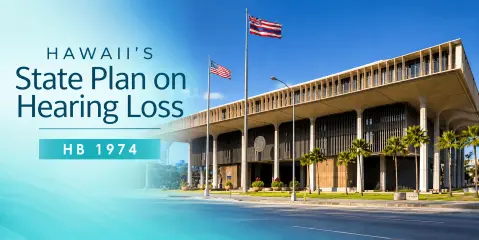
Hearing loss is frequently misunderstood as a simple communication barrier, but its impacts extend far beyond the immediate inability to hear. In daily life, untreated or unmanaged hearing loss profoundly affects education, employment opportunities, healthy aging, social connections, cognitive health, and overall quality of life. Recognizing the far-reaching consequences of hearing health on individuals and society, the state of Hawaii has taken a major legislative step forward. On July 10, 2026, House Bill 1974 (C.D. 1) was officially signed into law, marking a practical and meaningful move toward addressing hearing care access across the islands.
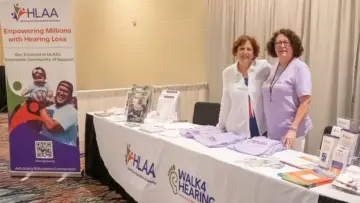
The enactment of this new bill represents the culmination of dedicated advocacy efforts driven by members of the Hearing Loss Association of America (HLAA) and numerous other advocates, professionals, and allies within the statewide hearing loss community. Under the newly enacted legislation, the Hawaii State Health Planning and Development Agency (SHPDA) is formally directed to create a comprehensive State Plan on Hearing Loss. This initiative is designed to establish a foundational blueprint that will help stakeholders better understand and assess community needs, close persistent service gaps, and strengthen overall access to quality hearing care statewide.
While the new legislation does not instantly resolve every complex barrier to hearing care overnight, it provides a vital shared roadmap for future initiatives. By establishing this formal plan, Hawaii is fundamentally reshaping its approach to health services for individuals with hearing impairments. The law requires SHPDA to develop and publish a comprehensive statewide plan with clear priorities. These include improving the overall access to and affordability of hearing healthcare, increasing public and professional awareness, expanding the specialized healthcare workforce capacity, and prioritizing early detection, timely intervention, appropriate treatment options, and long-term positive outcomes for residents of all ages, ranging from infants to older adults.
To ensure the plan is executed thoroughly and effectively, the bill appropriates $100,000 in general funds for the 2026–2027 fiscal year. These financial resources are earmarked to support SHPDA in its complex responsibilities of developing and publishing the strategic plan. Specifically, the funds may be utilized for dedicated project management, interagency collaboration, statewide stakeholder engagement, consultations with subject matter experts, and the comprehensive processes of drafting, reviewing, and publishing the final plan.
What makes this legislative development particularly significant is that it goes beyond a one-time study, creating an enduring framework for ongoing planning, implementation, and public accountability. Moving forward, the state will be legally required to provide regular progress updates and policy recommendations during every odd-numbered legislative session. This ongoing requirement ensures that hearing health remains firmly anchored in Hawaii’s long-term legislative and public policy discussions, elevating hearing health to a recognized and prioritized public health concern.
For many years, children and adults living with hearing loss in Hawaii have encountered a myriad of systemic challenges. Residents have frequently experienced delayed diagnoses, a lack of consistent medical and rehabilitative follow-up care, significant difficulties in locating specialized services, high out-of-pocket costs for hearing aids and assistive listening technology, limited public awareness, severe local workforce shortages, and an overall healthcare system that can be exceptionally difficult to navigate. Although numerous dedicated organizations, community groups, and independent healthcare providers have worked tirelessly to support those affected, the state has historically lacked a coordinated statewide effort to systematically identify systemic gaps and develop a unified, long-term strategy for improving hearing health outcomes.
House Bill 1974 fundamentally changes this landscape. Spearheaded by SHPDA, the newly authorized planning process is designed to bring together a diverse coalition of healthcare providers, educators, government agencies, community organizations, and, crucially, individuals with lived experience. This collaborative approach ensures that the resulting priorities and recommendations are grounded in the real-world experiences of those who navigate hearing loss every day. The comprehensive draft plan will ultimately serve to guide these collaborative recommendations into meaningful, actionable policies and programs across the state.
The legislative success of HB 1974 was built upon a foundation of grassroots advocacy and strategic collaboration. Conversations between members of the Hawaii hearing loss community and key state legislators began long before the bill was formally introduced, establishing a shared understanding of the urgent need for a statewide hearing health strategy. A pivotal moment in the legislative process occurred when the Hawaii Kupuna Caucus—a prominent bipartisan group of lawmakers dedicated to addressing issues affecting older adults—selected HB 1974 as one of its official priority bills for the legislative session. This endorsement significantly elevated awareness of the issue and galvanized broader political support across both the House and the Senate.
Riding on this wave of momentum, the local hearing loss community united around their common goal to see the legislation enacted. Members of the HLAA HOPE support group, alongside practicing audiologists, ear, nose, and throat (ENT) physicians, speech and hearing professionals, family caregivers, and numerous allied community organizations, actively participated in the legislative process. Advocates submitted written and oral testimony and engaged with lawmakers throughout the session, sharing personal stories and professional insights that demonstrated the pressing need for state-level action.
With the signing of this legislation, Hawaii joins a growing movement of states taking proactive steps to address hearing health at the systemic level. Hawaii is now the sixth state in the nation to establish a statewide planning effort of this nature, following the successful models previously implemented in Nevada, Minnesota, Massachusetts, Vermont, and New York. These states provided valuable frameworks and precedents that inspired and informed Hawaii’s legislative approach.
Central to Hawaii’s initiative is its commitment to inclusivity and representation. By placing individuals with lived experience—the people and families who manage hearing loss daily—at the center of the conversation, the state ensures that the resulting plan will accurately reflect real-world needs. Alongside these families, community stakeholders, including healthcare providers, educators, government agencies, and local advocacy organizations, will continue to play a vital role in shaping the recommendations and priorities as the work progresses.
The formal planning process is already underway, with the release of the comprehensive draft plan anticipated by the end of 2026. Once the draft is published, the focus will transition toward translating the identified goals and needs into concrete, actionable solutions across the state. While this represents just the beginning of a long-term transformation in Hawaii’s public health landscape, the new law establishes a solid foundation for a more accessible, affordable, and inclusive future for all residents affected by hearing loss.