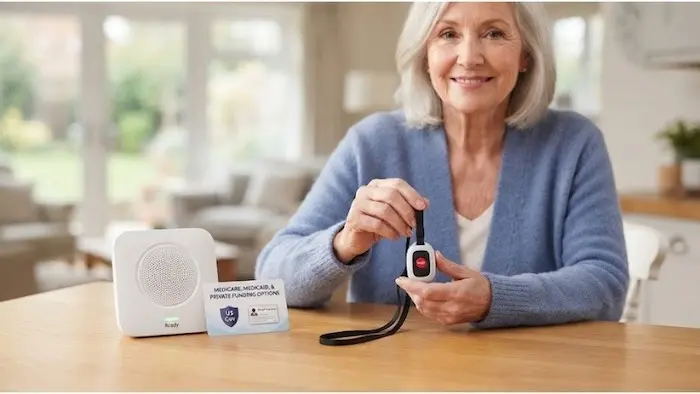
Purchasing a medical alert system is widely recognized as a straightforward investment in personal safety and independence for older adults, yet navigating the maze of payment options requires precise, often hard-to-find information. Many seniors and their family caregivers naturally assume that federal healthcare programs will automatically foot the bill for these life-saving personal emergency response systems, or PERS. However, the reality of healthcare financing in the United States is far more fragmented and complex than many realize.
For families researching how to pay for medical alert systems, coverage depends entirely on a dizzying array of factors, including specific insurance plans, state of residence, and veteran status. Because aging in place has become an increasingly vital priority for millions of older Americans, understanding how these systems are financed is more critical than ever.
To help families navigate these financial hurdles, industry experts and healthcare advocates have broken down what government and private entities actually cover regarding personal emergency response systems. The landscape of coverage is divided sharply between federal programs, private supplemental insurance, state-level initiatives, and alternative out-of-pocket funding strategies.
Does Medicare Cover Medical Alert Systems?
When it comes to Original Medicare, comprising Parts A and B, the short answer is a definitive no. The Centers for Medicare and Medicaid Services do not classify modern medical alert systems as Durable Medical Equipment, or DME. Because these personal emergency response devices are not deemed medically necessary under strict Original Medicare guidelines, policyholders must pay 100 percent of the cost out of pocket if this represents their sole form of health coverage.
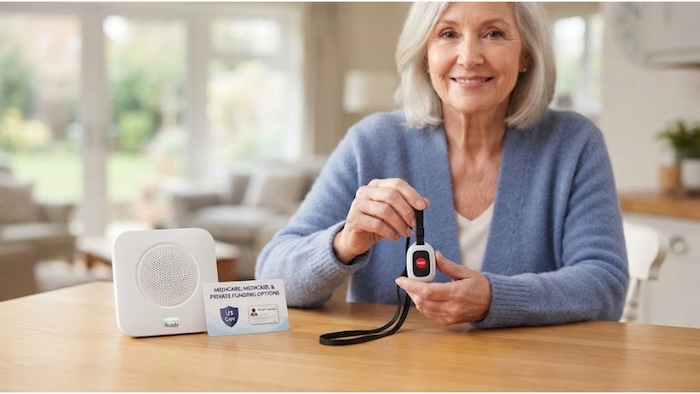
However, Medicare Advantage, also known as Part C, changes the financial equation significantly for many beneficiaries. Because private insurance companies administer Part C plans, they are granted the regulatory flexibility to offer supplemental health benefits that go beyond standard government-mandated coverage. Some Medicare Advantage plans now cover partial or even full costs for medical alert systems, viewing the technology as a proactive measure to prevent costly hospital readmissions resulting from unassisted falls. Beneficiaries must carefully review their specific Summary of Benefits document or contact their insurance provider directly to confirm whether a chosen device qualifies for supplemental reimbursement.
Medicaid and HCBS Waivers
Medicaid offers a more robust avenue for coverage, though it remains highly conditional and dependent on geographic location. Under Medicaid’s Home and Community-Based Services waivers, commonly referred to as HCBS waivers, numerous states cover the cost of medical alert systems. These initiatives are deliberately designed to help older adults age safely in the comfort of their own homes rather than forcing a premature transition into a nursing facility or institutional care setting.
Because Medicaid is administered at the state level rather than uniformly nationwide, coverage rules and eligibility criteria vary dramatically from one state to the next. Families must apply for the specific waiver program operating within their state of residence. If an application is approved, Medicaid typically pays the monthly monitoring fee directly to the approved equipment vendor. At the same time, this administrative control means that state programs may strictly restrict which equipment brands and hardware models beneficiaries are permitted to choose.
VA Benefits for Medical Alert Systems
Among all government-backed programs, veterans have the most direct and reliable path to securing full coverage for personal emergency response technology. The Department of Veterans Affairs provides medical alert systems to eligible veterans at absolutely no cost. Veterans do not need to purchase the equipment out of pocket and subsequently seek reimbursement; instead, the process requires requesting a formal consult with a VA primary care provider.

If the medical provider determines that a medical alert system is genuinely necessary for the veteran’s safety and well-being, the department orders the system directly from an approved commercial vendor. Crucially, the VA covers both the initial installation of the hardware and the ongoing monthly monitoring fees, lifting a substantial financial burden off aging veterans and their families.
Alternative Ways to Pay: Flexible Spending Accounts and Grants
For families who do not qualify for government-funded assistance through Medicaid or the Department of Veterans Affairs, several alternative avenues exist to help lower out-of-pocket expenses. Many individuals utilize Flexible Spending Accounts or Health Savings Accounts to pay for medical alert equipment and monitoring services on a pre-tax basis, provided they have a letter of medical necessity from a physician.
Additionally, local community resources such as Area Agencies on Aging often provide guidance, grants, or localized subsidy programs designed to help older residents afford essential safety technologies. When all other funding sources fail, many families ultimately choose to pay out of pocket, weighing the monthly subscription expense against the catastrophic physical and financial toll of an undetected medical emergency or prolonged fall.
Caregiving experts emphasize that families should proactively research their options before a medical crisis forces their hand. Calling health insurance providers in advance to inquire about modern medical alert system coverage under specific Part C policies or Medicaid waivers can prevent frantic decision-making during an emergency. For countless households, these response systems remain an absolute requirement for aging safely at home, making early financial planning an essential component of modern eldercare.