For years, comprehensive polling data has consistently highlighted the crushing financial burdens that high medical costs place on households across the United States. According to extensive research and tracking data from KFF, health care affordability is not merely an occasional household budget challenge; it serves as the single greatest financial anxiety for adults and their families, routinely shaping critical decisions regarding insurance enrollment and the timely seeking of necessary medical care.
This persistent economic strain spans demographic groups, affecting insured and uninsured individuals alike, and remains at the absolute forefront of public economic anxiety as the nation navigates political cycles and evolving health care policies.
Worries and Difficulty Affording Medical Costs
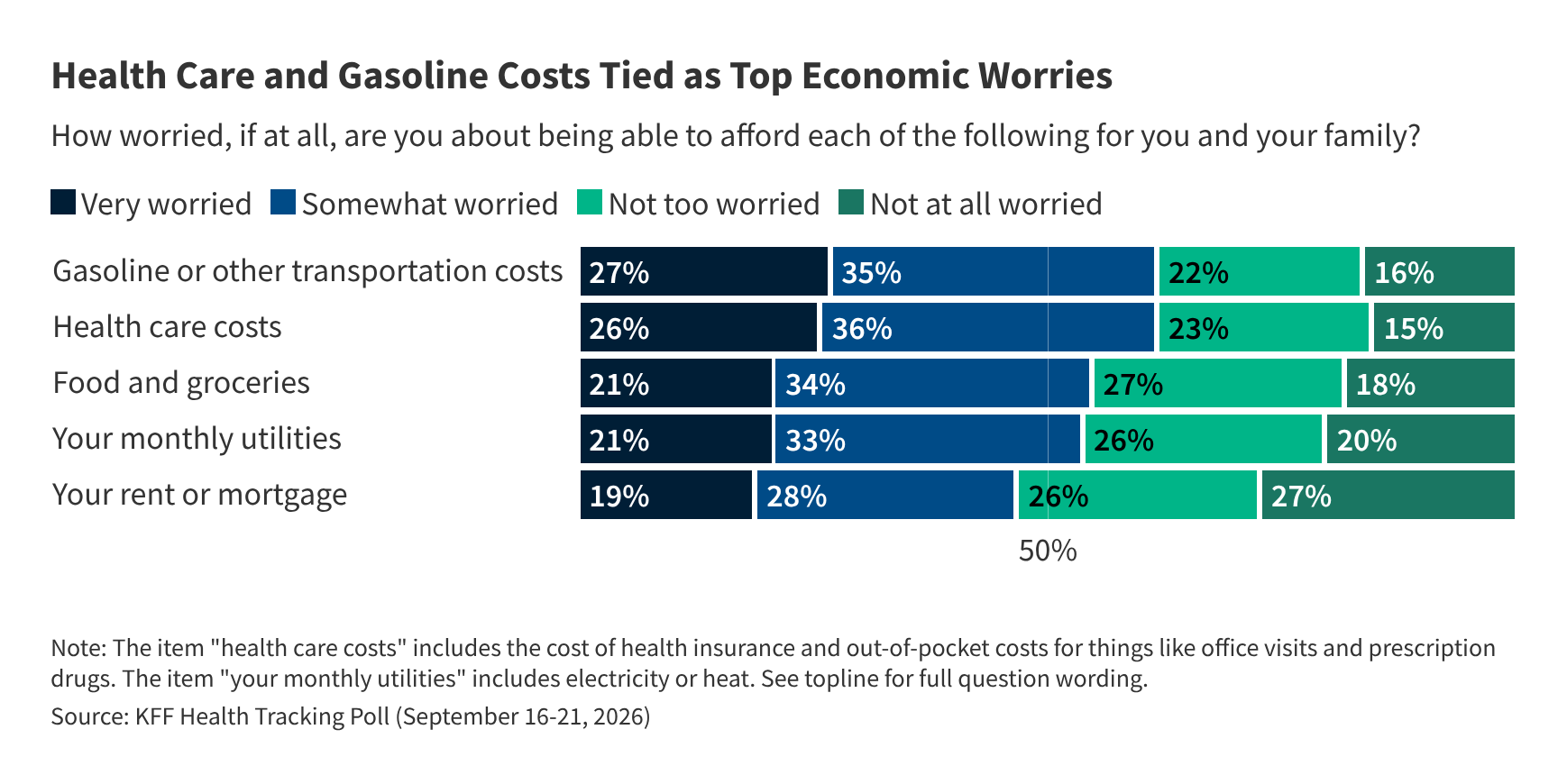
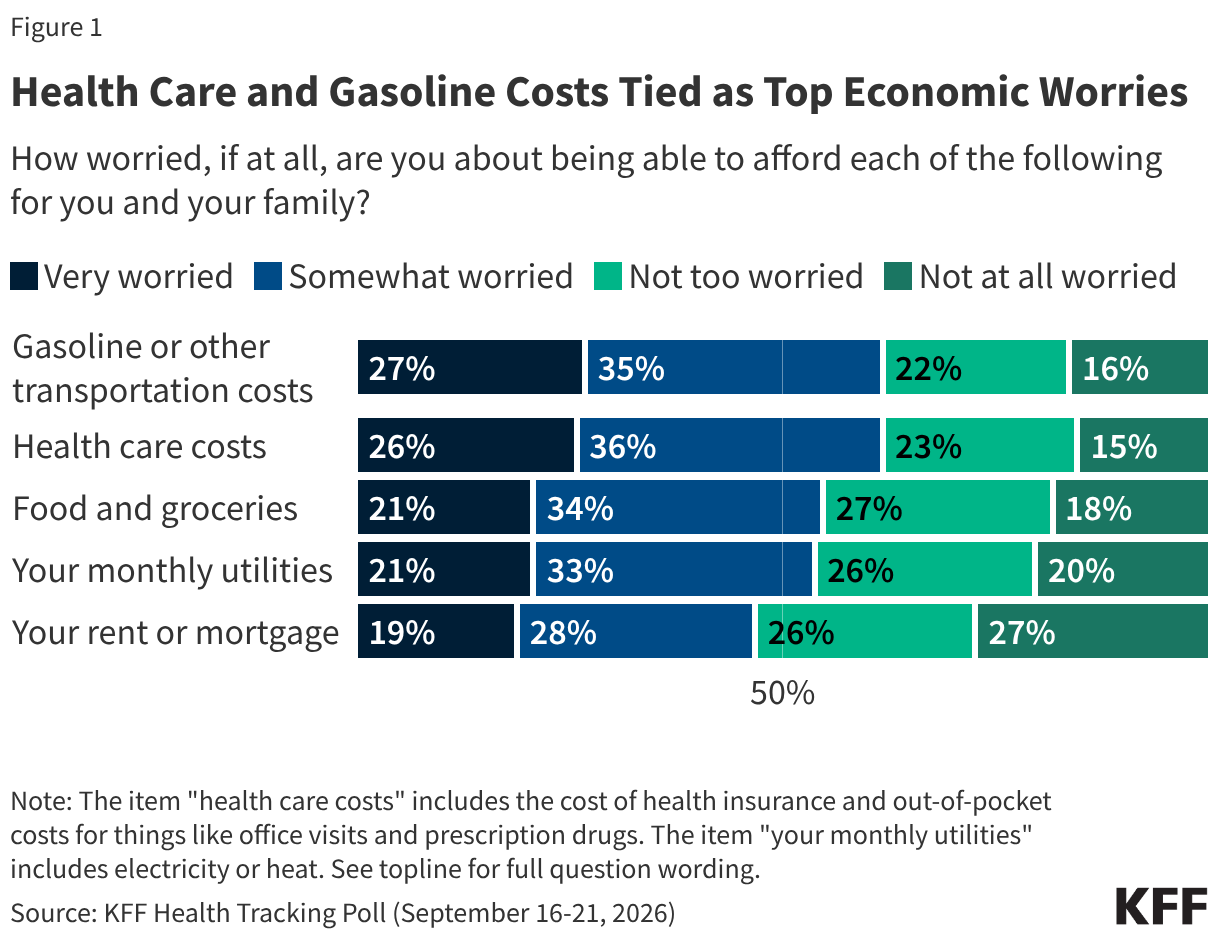
Throughout recent years, health care expenses have firmly maintained their position at or near the very top of the list of the public’s primary financial worries. Leading up to major electoral milestones, such as the midterm elections, approximately six in ten U.S. adults report feeling either very or somewhat worried about affording health care costs for themselves and their immediate families. This broad category of concern encompasses monthly health insurance premiums as well as out-of-pocket expenses required for routine physician office visits and vital prescription medications.
To put this widespread anxiety into perspective, comparable shares of the population express deep concern over runaway gas and transportation costs. Meanwhile, worries regarding other fundamental household necessities—such as monthly utility bills, food and grocery shopping, and housing payments like rent or mortgages—register lower on the scale of acute financial stress for many families.
The anxiety surrounding medical expenses is particularly acute among those who lack health coverage. Roughly eight in ten uninsured adults under the age of sixty-five report significant worry about whether they can afford necessary health care. However, having insurance is far from a complete shield against financial stress; a striking majority of insured adults under sixty-five share these very same concerns. This cross-cutting anxiety persists regardless of an individual’s specific health insurance plan type or their political affiliation.
Echoing these pervasive worries, a significant portion of the U.S. population finds medical costs genuinely difficult to manage in practice. While lower-income households and the uninsured are disproportionately affected, individuals with stable health insurance and higher incomes are increasingly finding themselves vulnerable to the escalating expenses of modern medicine. Just under half of all U.S. adults state that affording their health care costs is either very or somewhat difficult.
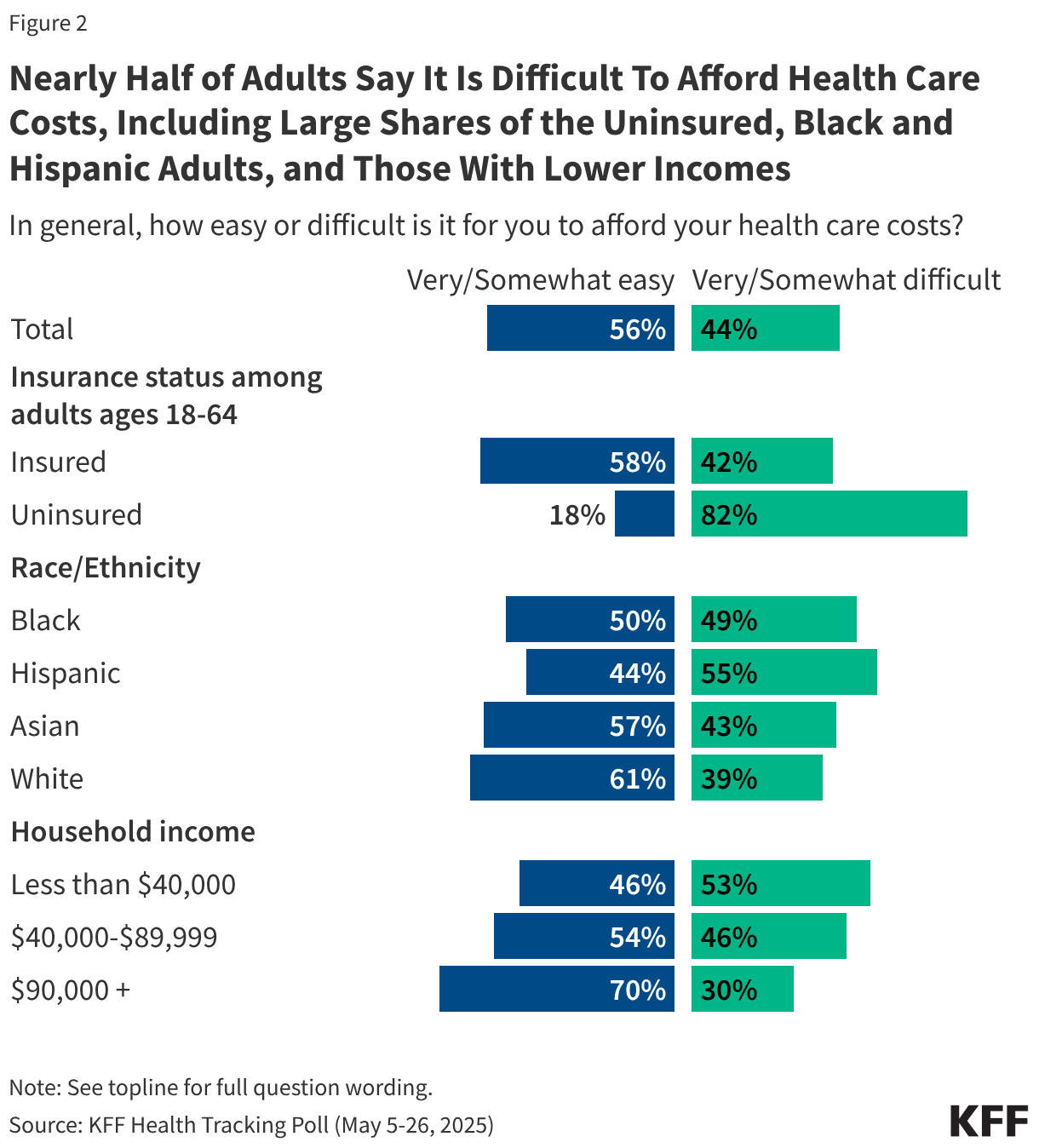
The disparities across communities are sharp. Uninsured adults under sixty-five face overwhelming hurdles, with the vast majority reporting severe difficulty in affording care compared to their insured counterparts. Furthermore, a slight majority of Hispanic adults and roughly half of Black adults report persistent difficulties in affording medical care, compared to a lower share among White adults. Households with lower annual incomes face these affordability barriers at much higher rates than wealthier households, compounding existing socioeconomic inequalities.
Skipping Care and Cost-Driven Delays in Treatment
The prohibitive cost of obtaining medical services triggers a troubling behavioral response across the country: the routine skipping or postponing of needed health care. Roughly three in ten adults admit that they have actively avoided or delayed getting necessary medical attention within a twelve-month period simply because they could not comfortably afford it.
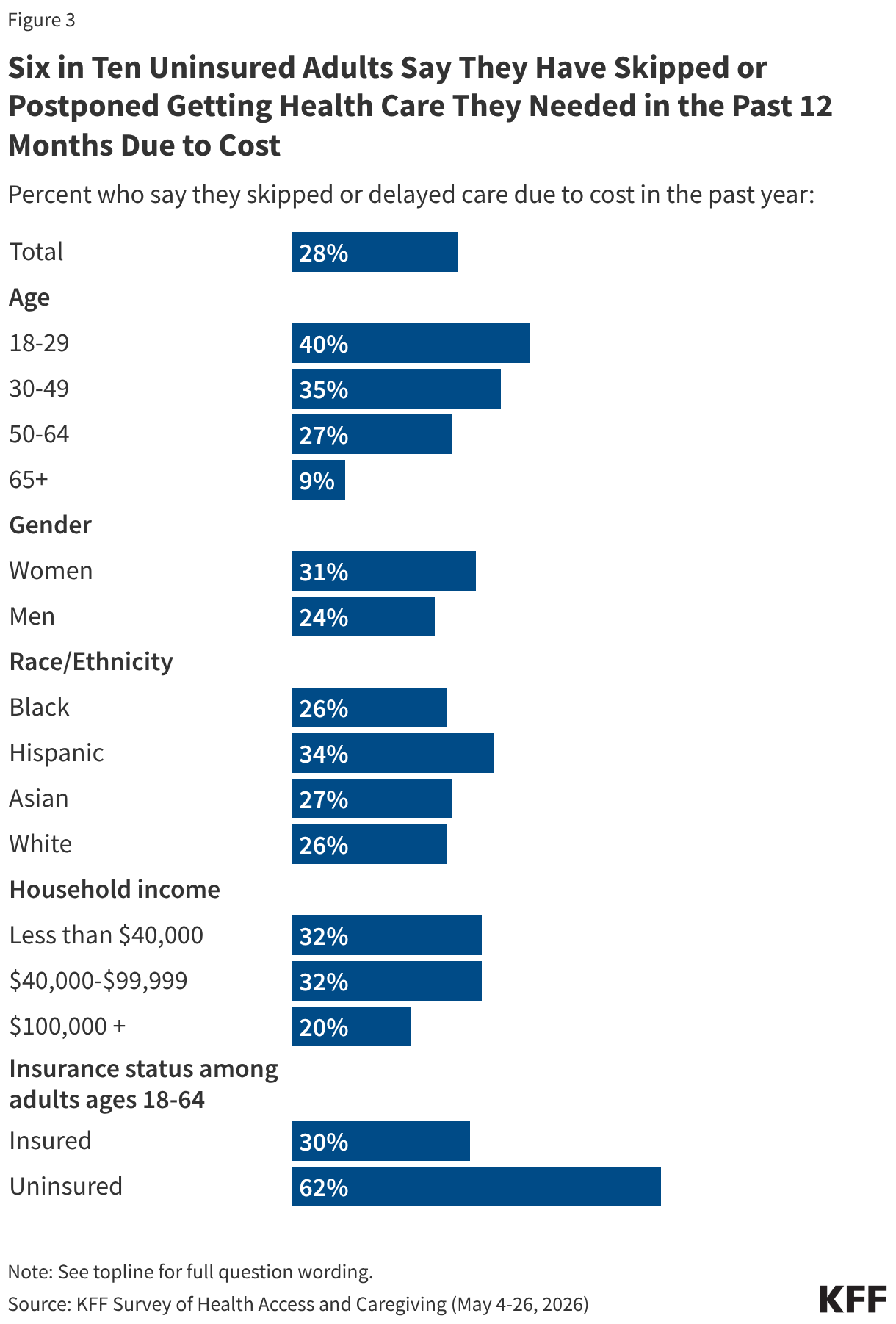
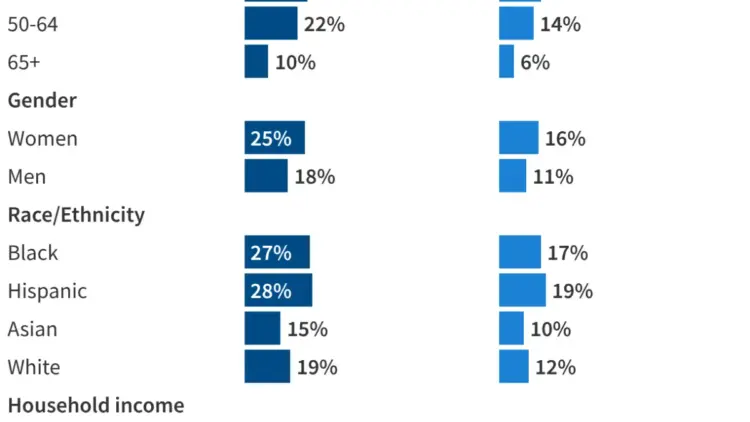
This phenomenon is particularly pronounced among specific demographic segments. Women, younger adults, Hispanic individuals, and those living on lower household incomes are significantly more likely than others to report forgoing medical care due to financial constraints. The situation is most severe among the uninsured population, where a large majority report skipping required medical services. Yet, obtaining health insurance does not offer absolute immunity or full financial protection; a substantial portion of insured working-age adults still report passing up necessary medical care because of out-of-pocket costs.
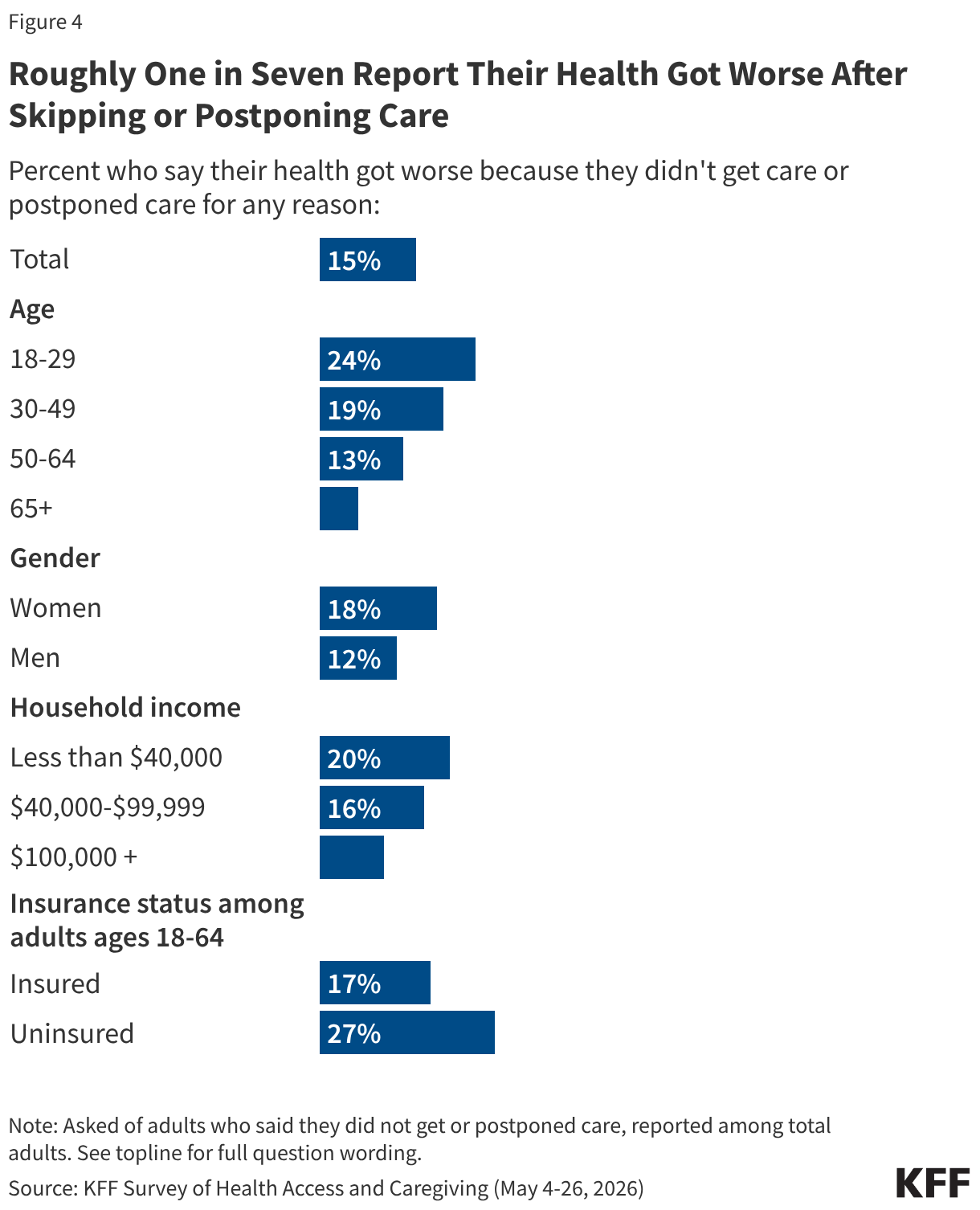
Postponing or avoiding medical treatment for any reason—especially due to financial barriers—carries severe and immediate health consequences. Roughly one in seven adults report that their overall health genuinely deteriorated because they skipped or delayed seeking medical attention. Among working-age adults under sixty-five, those who lack health coverage are significantly more likely to suffer a decline in health compared to those with active coverage. Additionally, younger adults under thirty are far more likely to experience worsening health after delaying care than older adults aged sixty-five and older, the vast majority of whom benefit from the comprehensive coverage provided by Medicare.
Problems Paying Medical Bills and Household Sacrifices
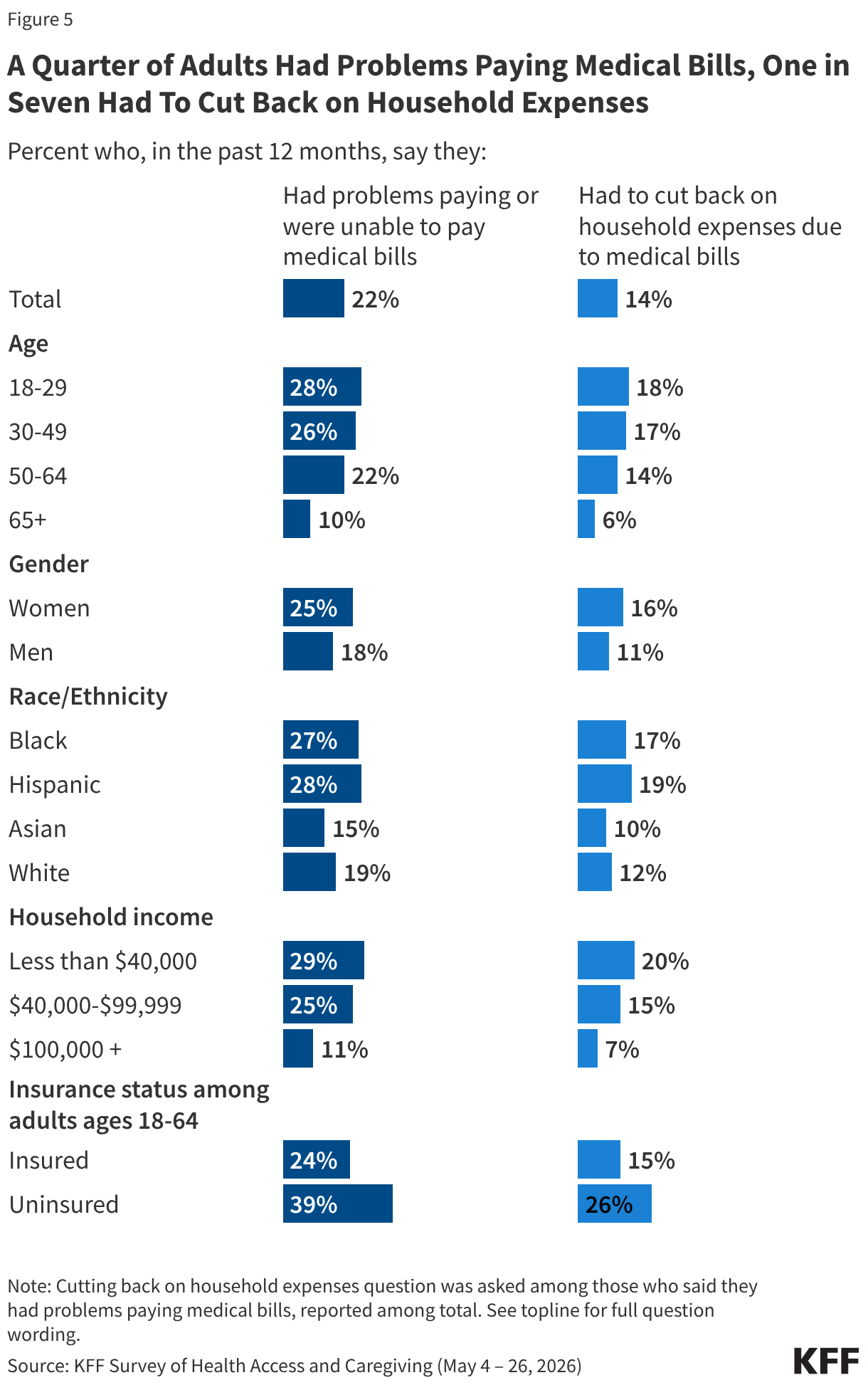
Beyond the initial hesitation to seek care, a substantial segment of the population grapples with active financial distress stemming from accumulated medical bills. Approximately one in five adults report experiencing serious problems paying—or an outright inability to pay—medical bills within a given year. These financial obligations encompass charges for physician services, laboratory tests, diagnostic imaging, and pharmaceutical drugs. Younger adults, women, Hispanic and Black adults, lower-income households, and working-age adults without insurance are disproportionately represented among those facing these medical debt crises.
The inability to clear medical bills triggers severe ripple effects throughout household budgets. One in seven adults report having to make difficult cutbacks on fundamental living expenses—such as food, clothing, and other basic household goods—solely to free up the cash needed to cover health care costs. These painful compromises are naturally more common among lower-income families and uninsured working-age adults, who operate with very little financial cushion to absorb unexpected health expenditures.
Challenges for LGBTQ+ Adults and Patients with Complex Health Conditions
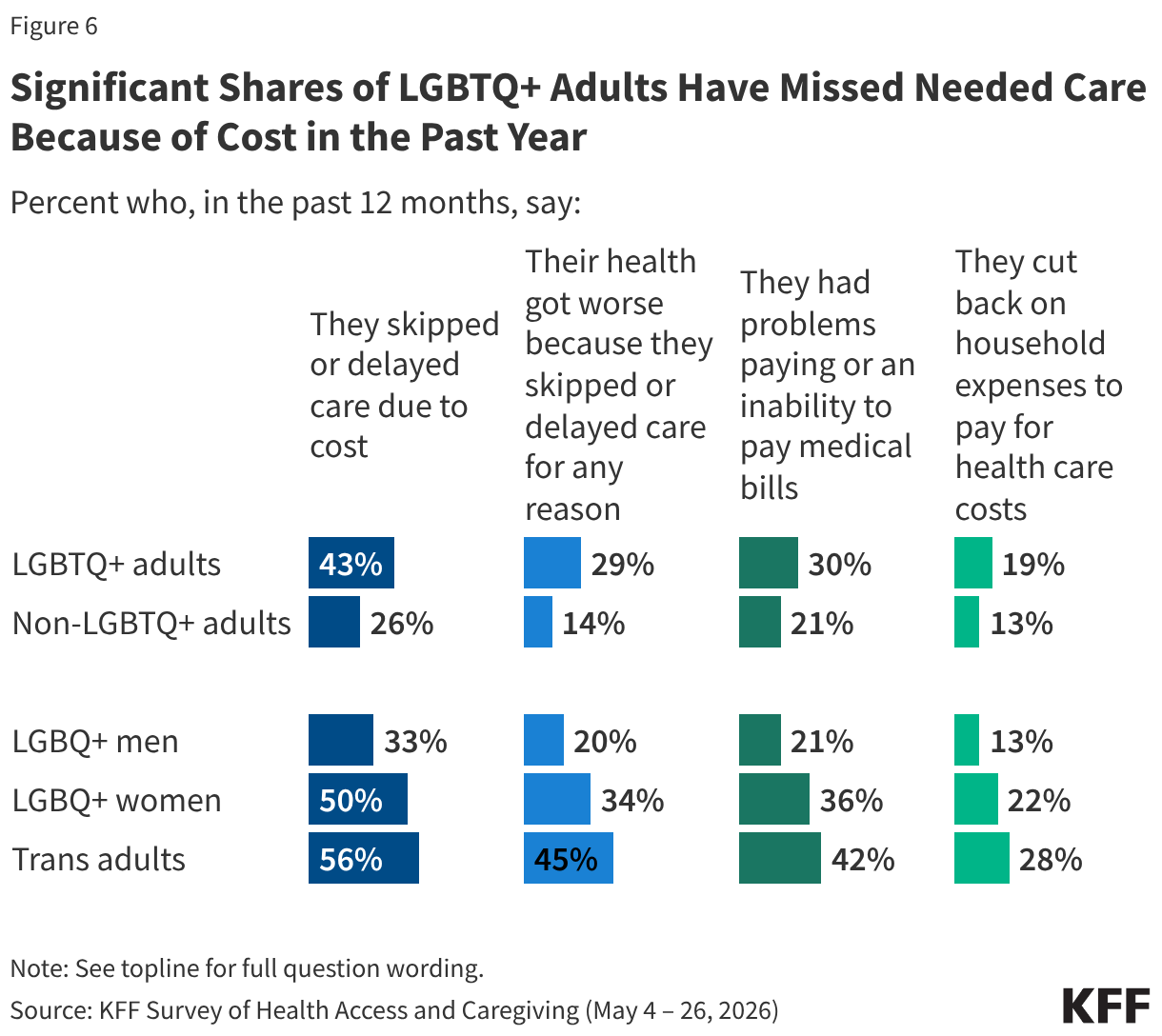
KFF polling consistently demonstrates that certain vulnerable populations experience disproportionately severe challenges regarding health care affordability and access. LGBTQ+ adults, who statistically tend to be younger and possess lower average incomes than their non-LGBTQ+ counterparts, report exceptionally high rates of cost-related barriers. More than four in ten LGBTQ+ adults report skipping or delaying medical care in a given year due to cost, a figure notably higher than the rate reported by non-LGBTQ+ adults.
Additionally, a significant share of LGBTQ+ individuals report struggling to pay medical bills, with many forced to cut back on basic necessities to meet health care obligations. Transgender adults face particularly stark hurdles, with a majority reporting that they delayed care due to cost, and nearly half stating that their overall health subsequently worsened as a result.
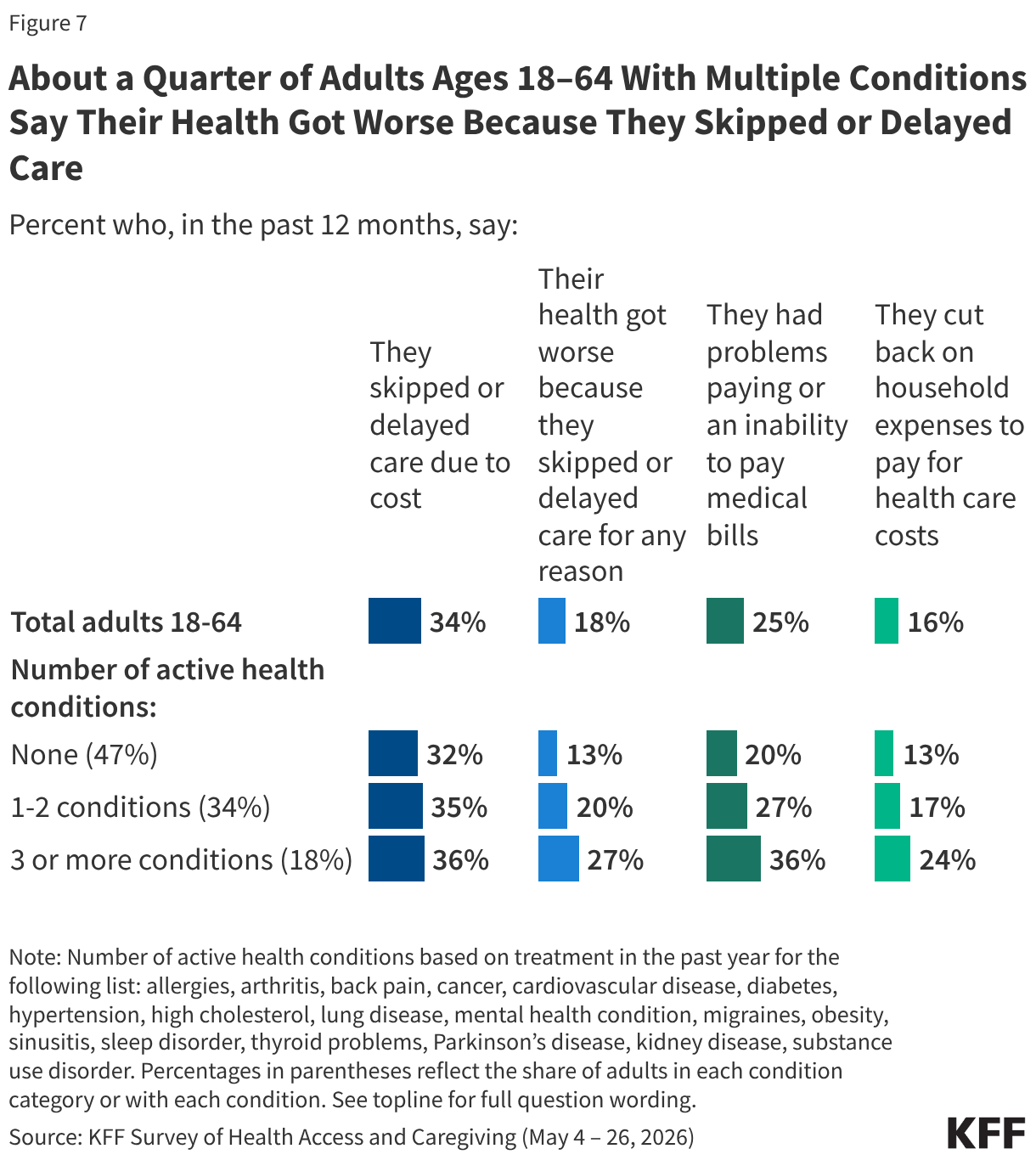
Similarly, individuals managing multiple, chronic, or complex health conditions encounter disproportionate financial and medical fallout. Roughly a third of working-age adults dealing with three or more active health conditions report failing to secure necessary medical care due to cost, and a quarter report subsequent deterioration in their health. These patients frequently face mounting medical bills and are often forced to redirect household funds away from basic living needs to manage their ongoing treatments.
Prescription Drug Costs and Coping Mechanisms
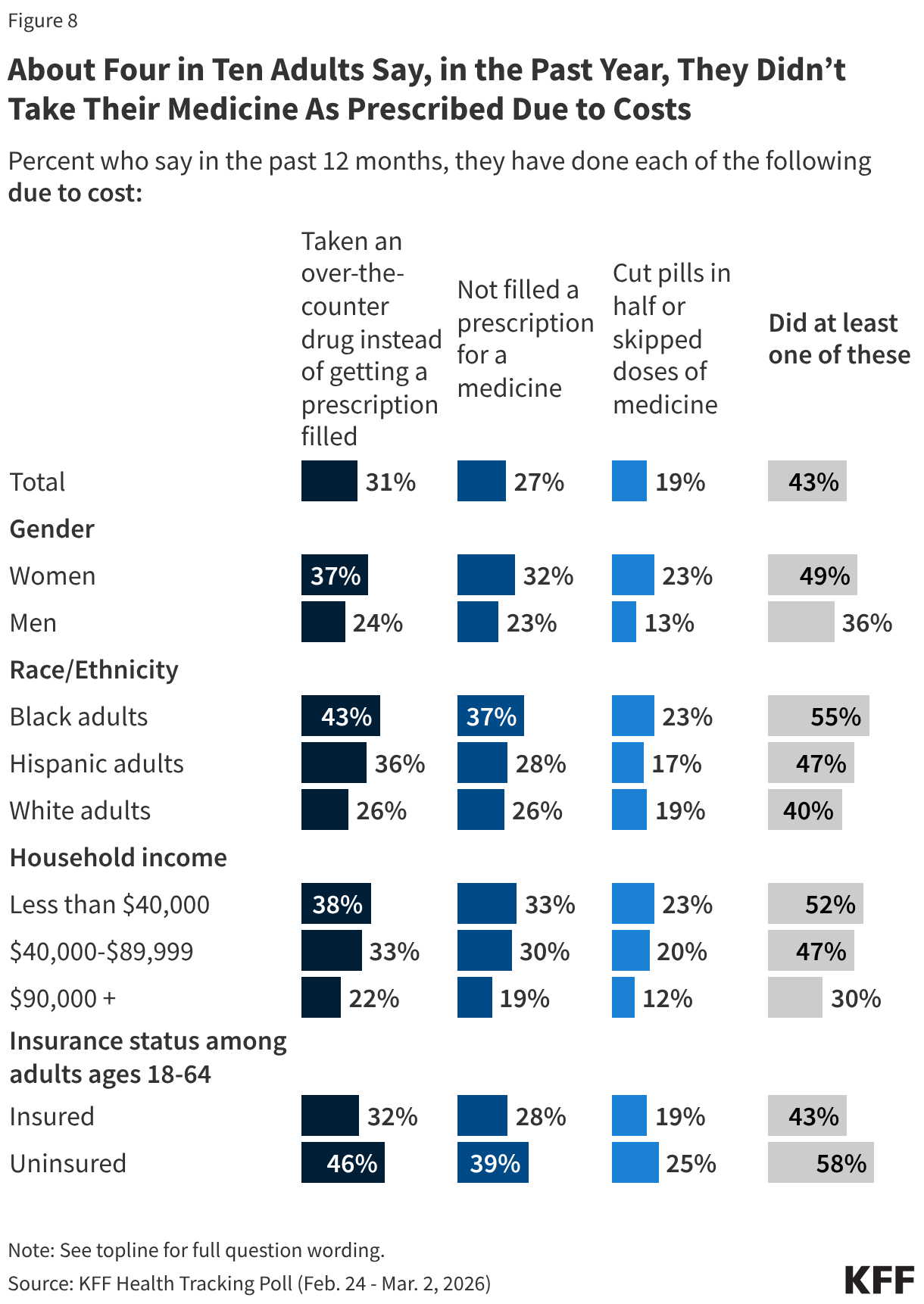
The soaring price of prescription medications forces many Americans to adopt risky coping strategies to manage their pharmaceutical expenses. Roughly three in ten adults report that, in the past year, they opted to purchase cheaper over-the-counter drugs instead of filling a formal prescription due to cost concerns. Furthermore, a substantial percentage admit they have completely left prescriptions unfilled, while nearly one in five report cutting their pills in half or intentionally skipping doses to stretch their medication supply.
Overall, a striking portion of the adult population engages in at least one of these cost-cutting pharmaceutical measures, reflecting a steady upward trend over recent years. These behaviors are heavily concentrated among low- and middle-income households, where soaring prescription prices force painful compromises. Uninsured working-age adults, women, and Black and Hispanic adults are also significantly more likely to report altering their medication regimens due to financial pressures than their respective demographic counterparts.
Health Insurance Cost Ratings and Consumer Perceptions
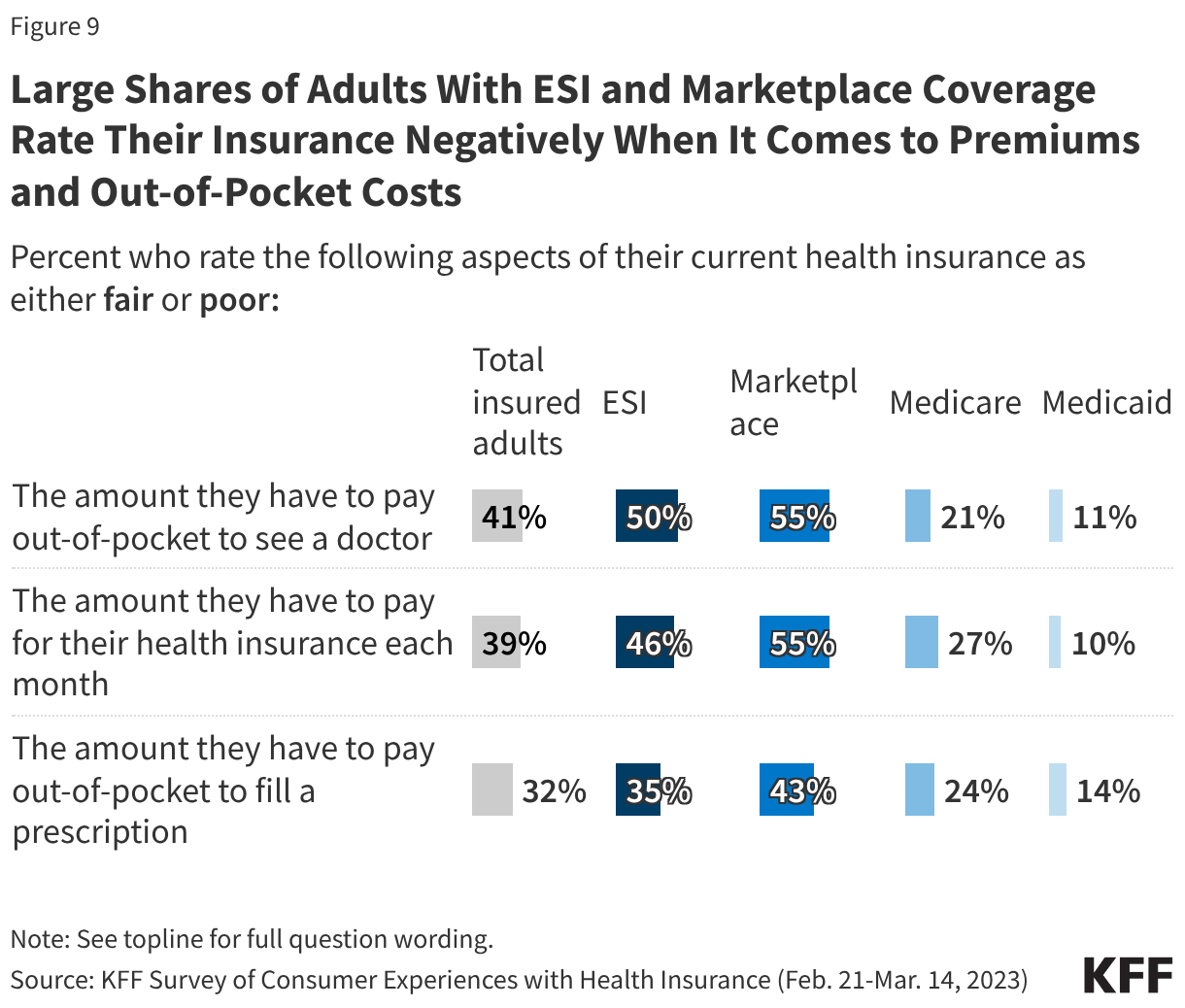
While health insurance is designed to provide a safety net against catastrophic medical expenses, the reality of high monthly premiums and steep out-of-pocket cost-sharing structures means that coverage often feels burdensome. Most insured adults rate their current health insurance as good or excellent regarding specific cost metrics, such as out-of-pocket prescription expenses, doctor visit copays, and monthly premium pricing. However, a persistent minority of at least three in ten policyholders rate their coverage as fair or poor across these exact same categories.
Consumer satisfaction and perceived affordability vary significantly depending on the specific type of health insurance coverage an individual holds. Adults enrolled in private plans—whether obtained through an employer or purchased via the health insurance marketplaces—tend to give more negative ratings to their monthly premiums, doctor visit costs, and prescription copays compared to those enrolled in public programs like Medicare or Medicaid.
Medicare beneficiaries occasionally report frustration with monthly premiums and prescription out-of-pocket expenses, though at lower rates. Meanwhile, Medicaid enrollees generally report the highest levels of satisfaction regarding affordability, largely driven by structural protections that limit or eliminate monthly premiums and keep nominal copays minimal across most participating states.
Health Care Debt and Long-Term Financial Vulnerability
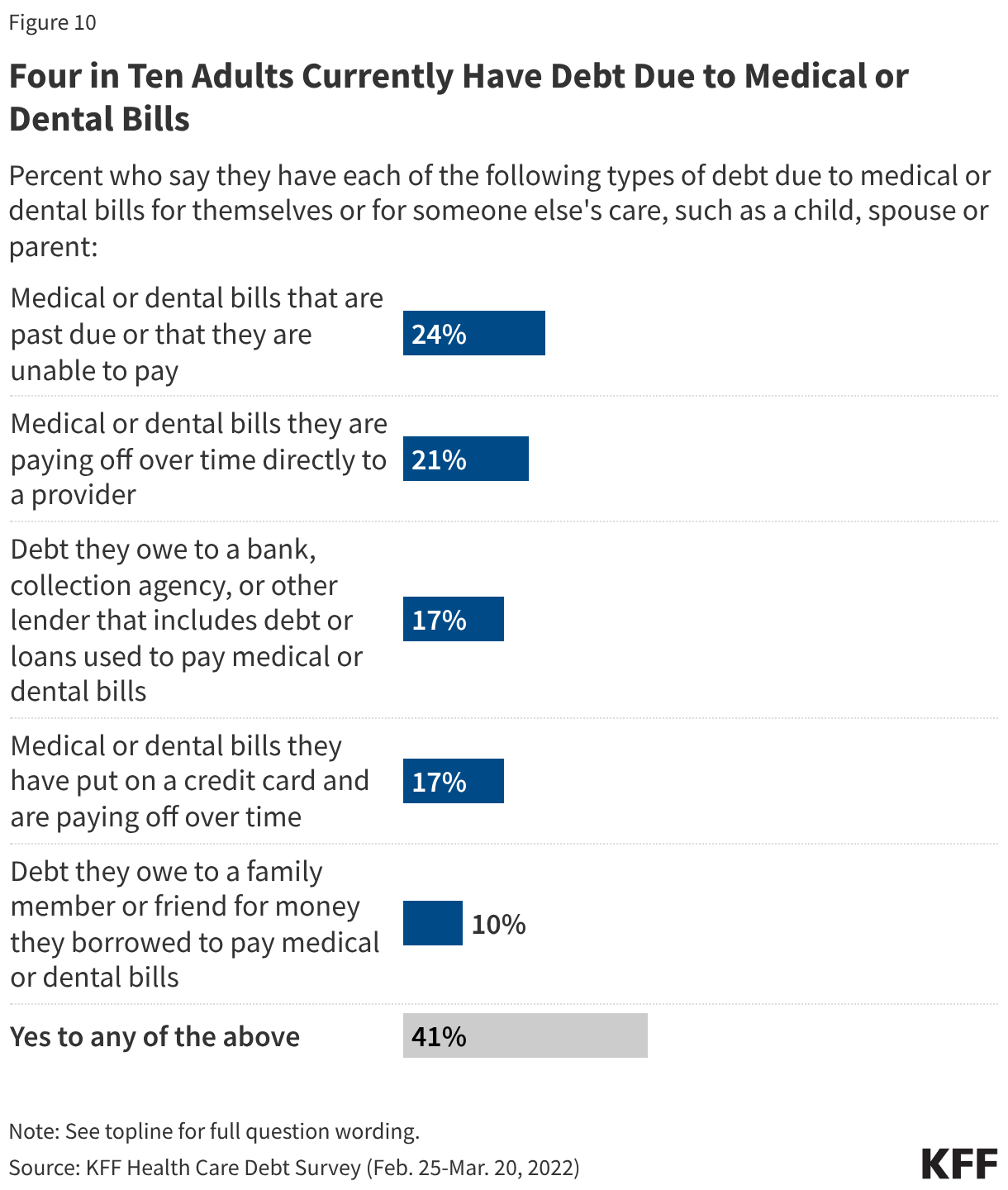
Health care debt remains a pervasive and wide-reaching crisis across the United States. Extensive investigative research and population surveys reveal that a significant percentage of U.S. adults carry some form of debt stemming from medical or dental bills incurred for themselves or dependents. This includes individuals managing past-due bills they cannot afford, those paying off balances over time directly to health care providers, and those who have taken out formal loans from banks, collection agencies, or family members to settle outstanding medical accounts. A comparable share of people maintain medical debt charged directly to credit cards that they struggle to pay off over time.
This widespread debt accumulation leaves millions of families perpetually vulnerable to financial shocks. Approximately half of all U.S. adults indicate they would struggle to handle an unexpected, out-of-pocket medical bill totaling five hundred dollars. While some families could absorb the expense without falling into debt, a substantial portion would be forced to incur credit card debt, borrow money from external sources, or prove entirely incapable of paying the bill at all. Women, lower-income earners, and Black and Hispanic adults are disproportionately represented among those who would face insurmountable financial distress from a minor medical emergency.
As the population ages, financial anxieties expand beyond immediate medical bills to encompass the staggering costs associated with long-term care and aging support services. A majority of adults aged sixty-five and older express varying degrees of anxiety regarding their ability to afford a nursing home or assisted living facility if the need arises, alongside concerns about paying for home-based nursing or aide services. These long-term financial worries are even more intense among adults approaching retirement age, highlighting a widespread systemic fear over the future affordability of essential aging infrastructure.