
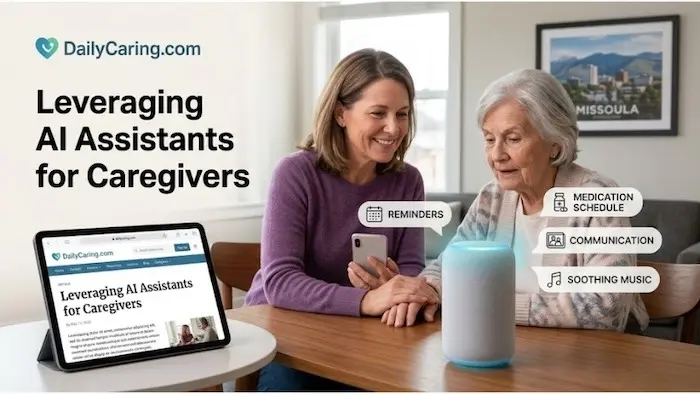
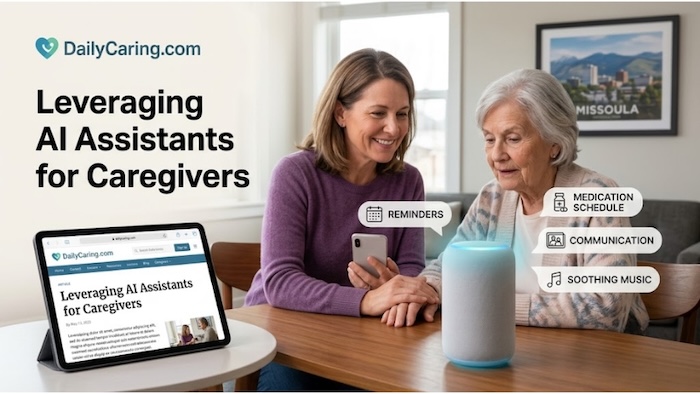
Family caregiving is an act of profound love, dedication, and often, an overwhelming amount of responsibility. Across households, individuals juggle medical appointments, prescription schedules, household chores, emotional support, and countless other duties, frequently sacrificing their own physical and mental well-being in the process. Underneath the surface of these daily tasks lies an invisible yet crushing weight known as the caregiver’s mental load. In response to this mounting crisis, a growing ecosystem of artificial intelligence assistants is emerging to help family caregivers automate the mundane, organize the chaos, and regain moments of respite.
Authored by technology expert and advocate Chris Clark and edited by Amie Clark, recent insights from caregiving advocacy platforms highlight that technology is shifting from basic digital reminders to sophisticated, proactive co-pilots. Rather than replacing the human touch of a caregiver, modern tools aim to streamline administrative burdens, coordinate family support networks, and provide non-invasive safety monitoring. Understanding this invisible burden is the first step toward recognizing how artificial intelligence can practicalize daily care and help caregivers thrive once more.
The Invisible Burden: Understanding the Caregiver’s Mental Load
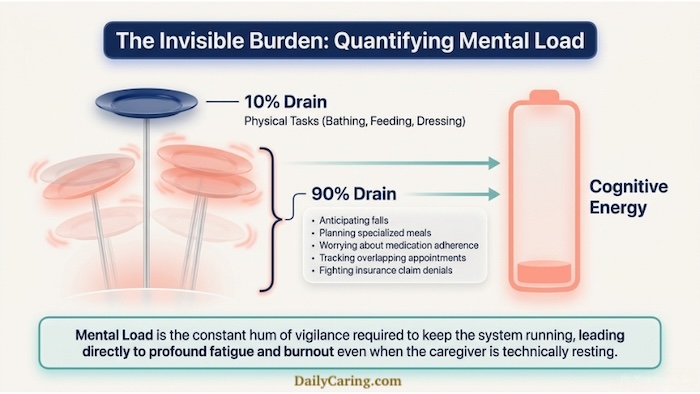
The daily reality of a family caregiver involves keeping a constantly spinning set of plates in the air. Each mental plate represents a pressing question or obligation: Did a loved one take their scheduled medication? When is the next physical therapy session? Which groceries are running low? When does the insurance company need to be called back to handle a disputed claim? How can household schedules balance the needs of children alongside aging parents? Is the care recipient comfortable at any given moment?
This mental load extends far beyond the physical execution of tasks. It is the relentless cognitive effort required to remember, plan, anticipate, and worry about responsibilities even when a caregiver is not actively performing them. It is a silent, continuous hum that operates with little to no recognition. Over time, this invisible burden erodes physical health, emotional resilience, and overall quality of life. Caregivers frequently report chronic fatigue, irritability, difficulty concentrating, heightened anxiety, sleep disturbances, and a pervasive feeling of being overwhelmed.
When these cognitive demands cross the threshold into exhaustion, they often manifest as complete caregiver burnout. This state of total emotional, physical, and mental fatigue signals that the existing workload has outpaced available resources. Recognizing these signs early is crucial for maintaining long-term health, prompting many families to seek digital solutions and technological interventions to lighten their day-to-day responsibilities.
How AI Assistants Are Changing the Game for Caregivers
While the term "artificial intelligence" often conjures images of complex and abstract technology, its application in family caregiving is increasingly practical, accessible, and grounded in everyday utility. For years, technology offered little more than basic digital calendar alerts and rudimentary reminders. Today, artificial intelligence for family caregiving has evolved significantly.

Modern assistants can learn household routines, understand complex commands, integrate seamlessly with various smart home devices, and offer proactive suggestions. They function less like static digital notepads and more like sophisticated co-pilots designed to anticipate needs, process information rapidly, and streamline complex communication channels. The fundamental promise of these innovations is to return valuable time and mental space to the caregiver, allowing them to focus on meaningful human connection rather than administrative triage.
Practical Applications in Daily Care
Practical applications of artificial intelligence span multiple areas of the caregiving routine, directly addressing specific pain points such as daily scheduling, family coordination, emotional wellness, safety monitoring, and instant access to resources.
In daily task management, artificial intelligence excels at reducing decision fatigue and frantic errands. Smart assistants can dynamically sync calendars, generate grocery lists based on dietary requirements, and automate recurring medication schedules. In communication and coordination, specialized platforms help centralize healthcare notes and streamline updates to extended family members, keeping vital information accessible in one unified location.

For emotional and mental wellness, conversational tools and guided programs offer an accessible outlet for caregivers who feel isolated or stressed. In terms of safety and monitoring, advanced sensors and smart home controls reduce anxiety by alerting caregivers to potential hazards or unusual nighttime activity without compromising the privacy of the care recipient. Furthermore, information retrieval tools can answer health-related inquiries and source local community resources in seconds, drastically cutting down hours of frantic online research.
Real-World AI Tools Currently Available
Several specific real-world technologies illustrate how artificial intelligence is currently supporting family caregivers in the field.
Sensi.ai offers a non-invasive safety monitoring solution for households concerned about nighttime wandering or falls without the need for intrusive video cameras. The system utilizes small, audio-only care pods placed around the home. The underlying artificial intelligence listens for auditory anomalies, such as an unexpected thud, persistent coughing, sounds of distress, or unusual nighttime bathroom trips, and immediately sends alerts to the caregiver’s smartphone. This approach maintains safety while preserving the dignity and privacy of the aging adult.
ElliQ functions as a proactive, artificial intelligence-driven companion robot tailored specifically for older adults. Unlike standard smart speakers that remain dormant until spoken to, ElliQ initiates conversations, guides users through light chair yoga, plays trivia, facilitates video calls, and offers gentle reminders for hydration and medication. For caregivers, an accompanying mobile application provides updates on the care recipient’s mood, sleep patterns, and daily activity levels, helping alleviate the guilt associated with not being physically present around the clock.
The ianacare application focuses on care coordination by helping families mobilize and organize informal support networks consisting of friends, neighbors, and relatives. Utilizing smart algorithms, the app simplifies the process of delegating specific tasks, such as grocery drop-offs, medical transport, or respite care coverage, thereby centralizing communication and eliminating the exhaustion of managing endless group text messages.
General models such as ChatGPT and Google Gemini also assist with administrative caregiving tasks, such as drafting appeal letters for insurance denials or organizing complex care schedules. However, experts emphasize a crucial privacy standard when utilizing public models: healthcare data must always be strictly anonymized. Caregivers are advised never to input real names, birthdates, Social Security numbers, or specific Medicare details into chat prompts, opting instead for generalized descriptions to protect sensitive personal information.
Integrating Technology into Established Routines
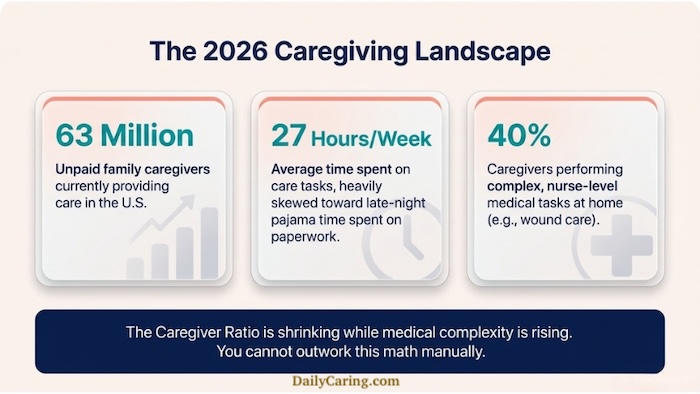
Bringing new technology into a high-stress caregiving routine can initially feel daunting. Experts suggest identifying specific pain points—such as disorganization, communication gaps, safety concerns, or a lack of emotional support—before selecting a tool. Evaluating options based on ease of use, security protocols, customization, and device integration helps ensure a smooth transition.
As the caregiving landscape continues to evolve, the integration of automation and artificial intelligence points toward a future where technology handles repetitive cognitive tasks, enabling family members to focus on the emotional depth of their caregiving journey.



