

For families researching how to pay for medical alert systems, understanding the breakdown of coverage across government and private entities is essential before a crisis occurs. Original Medicare, which includes Parts A and B, offers no coverage whatsoever for personal emergency response systems. The Centers for Medicare and Medicaid Services do not classify these devices as durable medical equipment because they are not deemed medically necessary under traditional guidelines. Consequently, seniors who rely solely on Original Medicare must pay entirely out of pocket for both the equipment and the ongoing monthly monitoring fees.
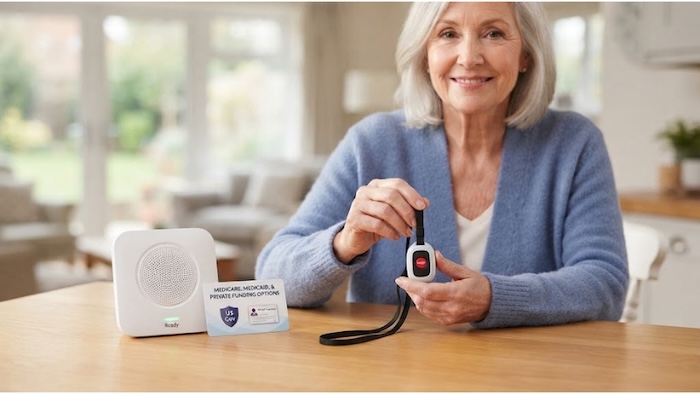
The financial outlook shifts somewhat for those enrolled in Medicare Advantage, or Part C. Because private insurance companies administer these plans, they have the regulatory flexibility to offer supplemental health benefits that are absent from traditional Medicare. Some Medicare Advantage plans cover partial or full costs for medical alert systems, viewing the devices as a proactive measure to prevent costly hospital readmissions following a fall or sudden medical emergency. Seniors utilizing Medicare Advantage must carefully review their specific summary of benefits document or contact their provider directly to determine whether a particular device qualifies for coverage under their policy.
Medicaid presents another avenue of potential support, though coverage remains highly conditional and varies dramatically depending on the state. Under Medicaid’s Home and Community-Based Services waivers, many states choose to cover the cost of medical alert systems specifically to help older adults age safely in their own homes rather than forcing a transition into a nursing facility. Because Medicaid is administered at the state level, applicants must navigate the specific waiver programs available where they live. If an application is approved, Medicaid typically pays the monthly monitoring fee directly to the chosen vendor, though beneficiaries may face restrictions regarding which equipment brands they are allowed to select.

Veterans enjoy the most direct and reliable path to full coverage through the Department of Veterans Affairs. The VA provides medical alert systems to qualifying veterans at no cost, eliminating the need to purchase equipment upfront and seek reimbursement. Instead of navigating a claims process, eligible veterans must request a consult with their VA primary care provider. If the clinician determines that a personal emergency response system is necessary to ensure the veteran’s safety at home, the VA orders the equipment directly from an approved vendor. Crucially, this coverage extends to both the physical hardware and the continuous monthly monitoring fees.
For individuals who do not qualify for government assistance through Medicare, Medicaid, or the VA, alternative financial options can help lower out-of-pocket expenses. Flexible Spending Accounts and Health Savings Accounts can sometimes be used to pay for medical alert technology, depending on current tax regulations and medical necessity documentation. Additionally, local resources such as an Area Agency on Aging can provide guidance on regional grants, non-profit assistance programs, or community initiatives designed to help older adults secure safety devices.

Caregiving is widely recognized as an exhausting responsibility, and battling with insurance companies or administrative red tape only adds to the psychological burden placed on families. Original Medicare leaves caregivers to navigate a frustrating maze of private Advantage plans, conditional Medicaid waivers, and bureaucratic hurdles. Healthcare advocates consistently advise families not to wait for a catastrophic fall or medical emergency to figure out their coverage options. Proactively contacting health insurance providers in advance to inquire about modern medical alert systems under specific Part C policies or Medicaid waivers can save families significant stress and financial strain.
If an insurance company ultimately denies coverage, families frequently turn to flexible spending accounts, local community resources, or direct out-of-pocket payments. For many older adults, a reliable medical alert system is an absolute requirement for aging safely and independently at home, where the modest monthly cost of monitoring is negligible compared to the devastating physical and financial toll of an undetected emergency. Financial and healthcare experts continually emphasize that understanding these payment avenues ahead of time remains one of the most effective ways for families to protect their aging loved ones without falling victim to unexpected medical expenses.



