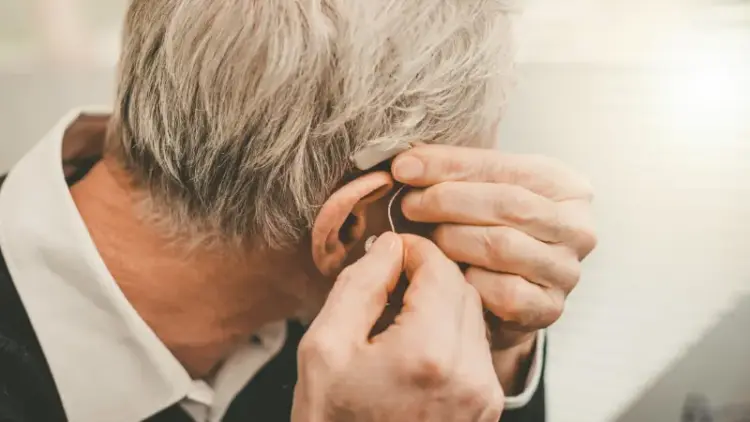
When federal safety regulations mandate protective measures for everyday household items, the primary objective is almost always unambiguous: to prevent accidental injuries and protect vulnerable populations. However, translating rigorous safety mandates into everyday consumer products can occasionally create unintended hurdles for the very individuals who rely on those devices to navigate daily life. This delicate balancing act has recently taken center stage in the hearing health community, where manufacturers, advocates, and regulatory agencies are grappling with the intersection of child safety and adult accessibility.
For many months, members of the hearing loss community have voiced a consistent and widespread concern regarding the physical design of modern power sources. While implementing safer battery packaging to protect curious children is recognized as a vital public health priority, consumers have stressed that these security measures should not disproportionately compromise usability for older adults and individuals with limited hand dexterity. Fortunately, recent developments indicate that the manufacturing sector is actively listening to this feedback and beginning to explore meaningful design adjustments.
At the annual American Academy of Audiology (AAA) convention held in April, Energizer’s Rayovac brand showcased a newly developed line of hearing aid battery packaging explicitly engineered to be more senior-friendly. Although the updated design still requires a cutting implement to access the cells, the debut demonstrates a willingness among major corporations to respond directly when their consumer base speaks up about practical, everyday challenges. This product showcase highlights a growing awareness that regulatory compliance and user-friendly design do not have to be mutually exclusive goals.
Why Hearing Aid Battery Packaging Changed
The overarching shift toward child-resistant packaging for zinc-air button cell hearing aid batteries stems from a major regulatory milestone that took effect in March 2024. The primary objective behind these sweeping changes was to prevent accidental ingestion by young children, addressing a critical safety hazard associated with small coin and button batteries. To achieve this, manufacturers were required to align with federal safety standards established by the Consumer Product Safety Commission under the legislative mandate known as Reese’s Law.
A key provision outlined within this legislation stipulates that battery compartments containing replaceable button cell or coin batteries must be secured in a manner that necessitates either the use of a specialized tool or at least two independent and simultaneous hand movements to open. While these strict containment protocols are essential for safeguarding toddlers and young children, they inadvertently created substantial barriers for a vast demographic of adult consumers.
Many daily users of amplification devices, particularly older adults, struggle significantly with packaging formats engineered to meet these stringent requirements. Individuals living with chronic conditions such as arthritis, hand tremors, neuropathy, low vision, or general age-related reductions in hand strength often find themselves unable to independently open standard child-resistant packaging. For these individuals, accessing a necessary medical accessory became an exercise in frustration, transforming a routine daily task into a physical hurdle.
What’s in the New Packaging
Representatives from the Hearing Loss Association of America (HLAA) who attended the AAA convention closely examined Rayovac’s updated product presentation to evaluate how effectively the new design bridges the gap between safety and accessibility. Observations from industry events revealed that the redesigned Rayovac packaging incorporates specific features intended to simplify the user experience while maintaining compliance with necessary safety protocols.
The introduction of clearer visual instructions and simplified structural elements points toward a broader industry trend. Rather than relying solely on rigid compliance that satisfies regulatory checkboxes without regard for user experience, leading brands are beginning to invest in human-centric design. This convergence of rigorous child safety standards, transparent labeling, and iterative product design suggests that manufacturers are paying closer attention to the lived experiences of the consumers who depend on their products every single day.
Tool-Friendly and Accessible Design Solutions
For individuals dealing with significant dexterity challenges or chronic physical limitations, tool-dependent packaging represents far more than a minor daily inconvenience. When safety packaging requires complex manipulation or specialized instruments to open, it can introduce substantial risks to an individual’s independence and overall quality of life.
When packaging is overly difficult to navigate, users may find themselves entirely unable to change their device power sources independently, forcing them to rely on caregivers or family members for basic daily maintenance. In other scenarios, the physical struggle to open secure containers can lead to dropped batteries, damaged hearing aids, or frustration that discourages consistent device usage altogether. Ensuring that assistive technology remains genuinely accessible is just as critical as preventing accidental ingestion hazards.
The redesigned packaging solutions introduced by Rayovac represent a positive step toward resolving these competing challenges. The Hearing Loss Association of America has expressed strong support for this industry advancement, viewing it as tangible progress toward the broader objective of developing child-resistant packaging that does not inadvertently restrict access for individuals who rely on assistive listening devices to communicate and engage with the world. As manufacturers continue to refine their product lines, advocacy groups and consumer organizations look forward to seeing ongoing collaboration between industry stakeholders and federal regulators to ensure that safety and accessibility continue to advance hand in hand.