
Educational strategies are continually evolving to meet the multifaceted developmental needs of students, moving beyond traditional academics to embrace holistic cognitive growth. Among the emerging approaches gaining traction in classrooms nationwide is the use of targeted quotations not merely as daily inspirations, but as precise tools to cultivate crucial executive functioning skills in children and adolescents. As educators and child development experts look for innovative ways to support growing minds, integrating thoughtful dialogue around selected phrases has proven to be an effective method for targeting foundational capabilities such as planning, sustained attention, self-control, mental organization, and cognitive flexibility.
Executive functioning skills serve as the critical mental processes that allow individuals to plan ahead, organize tasks, initiate action, manage time effectively, and work through inevitable setbacks. These competencies are vital not only for immediate academic achievement within the school environment but also for lifelong success beyond the classroom. While educators have historically relied on a wide array of specialized curricula to build these cognitive capacities, recent instructional frameworks highlight the unexpected utility of structured quote discussions. By pairing carefully curated statements with guided inquiry, teachers can transform a routine bell-ringer activity into a deep exploration of self-regulation and problem-solving.
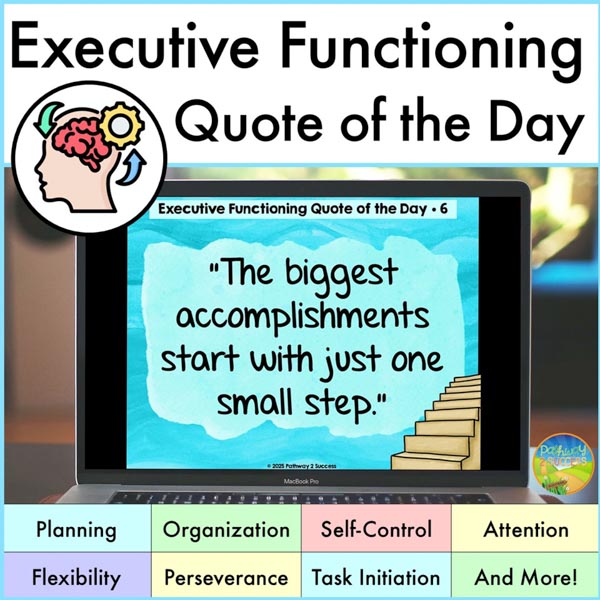
Choosing the right quotes requires a strategic approach rather than a random selection of uplifting adages. Experts emphasize that an effective statement for executive functioning development must do more than offer a pleasant thought; it must challenge students to think critically and draw direct parallels to their own daily experiences and academic hurdles. To streamline this process for educators, comprehensive resources such as yearlong quote-of-the-day collections have been developed, providing structured prompts that systematically address specific domains like attention, self-control, and task initiation. Accompanied by specialized educator guides containing targeted questions, these programs aim to integrate cognitive skill-building seamlessly into the daily rhythm of the school day.
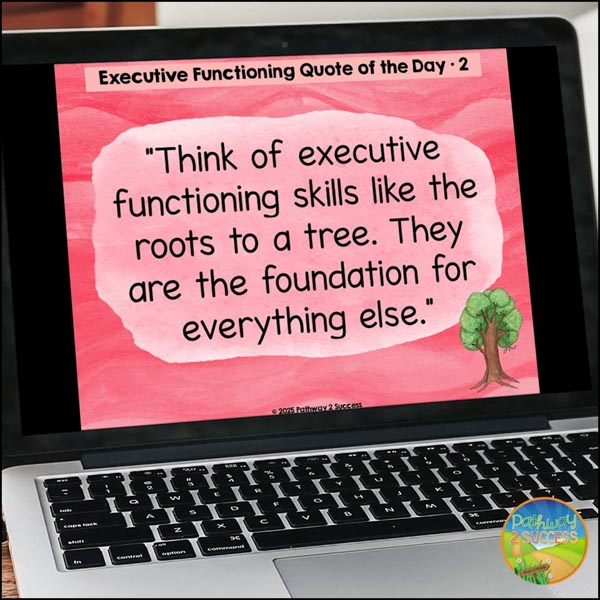
At the core of this methodology is the foundational understanding of what executive functioning represents for a developing mind. One primary concept often introduced to students compares these cognitive processes to the roots of a tree, illustrating that they form the underlying support system for every action a person takes. When students grasp that skills such as planning, time management, and problem-solving are embedded in virtually everything they do—from starting a complex chore to maintaining focus during a classroom discussion—they are more likely to embrace the learning process. Guided discussions surrounding such metaphors encourage students to reflect on the activities they enjoy and recognize the internal mechanisms required to accomplish them.
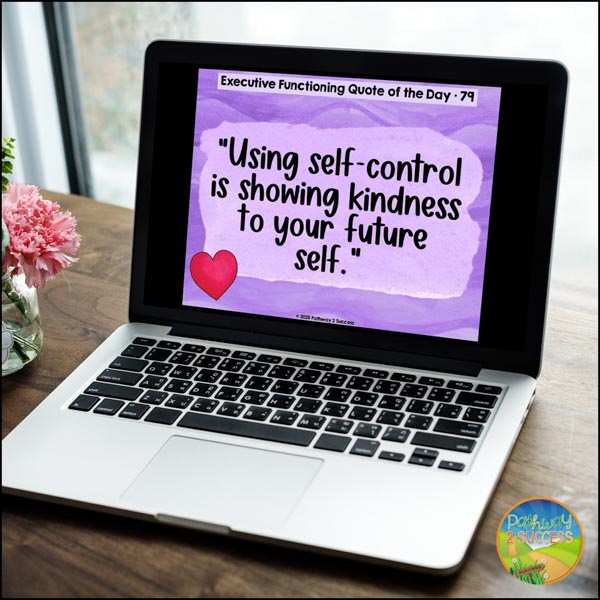
Self-control represents another critical domain frequently targeted through reflective dialogue. By reframing self-control not as a restrictive rule but as an act of consideration for one’s future self, educators can help students reevaluate impulsive behaviors. For instance, the deliberate choice to organize a messy school binder—even when unappealing in the immediate moment—is framed as a practical kindness that prevents future stress. Discussions centered on this theme prompt learners to explore what self-control truly means, how delaying gratification serves personal well-being, and what concrete steps they can take to support themselves throughout the school day.
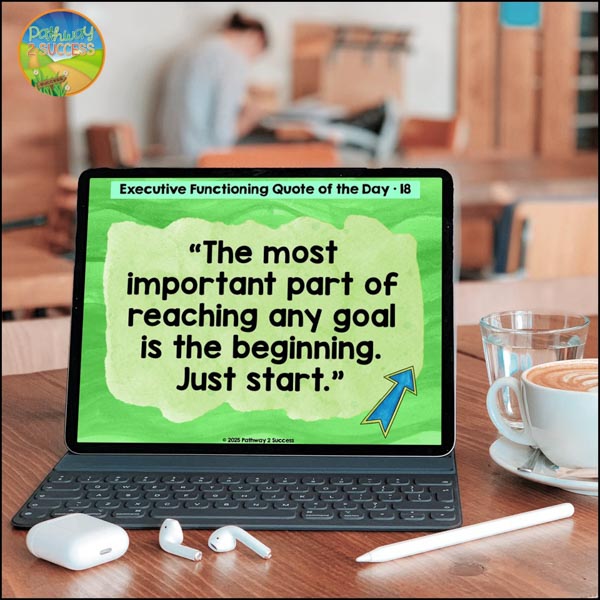
Overcoming inertia, or task initiation, remains a persistent hurdle for many learners, making it a frequent focus of motivational quotes utilized in these settings. The principle that the beginning is the most critical part of achieving any goal speaks directly to the anxiety or reluctance students often feel when facing a difficult assignment. By addressing why getting started can feel overwhelming and brainstorming collaborative strategies to build early momentum, classrooms can create supportive environments where students feel equipped to take that crucial first step.
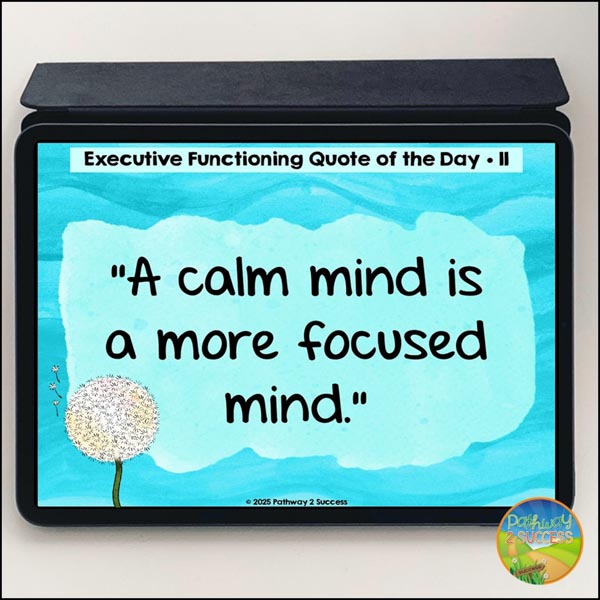
Attention and focus are similarly linked to emotional regulation in these instructional frameworks. Recognizing that a calm mind fosters clearer thinking and higher-quality work allows educators to bridge the gap between emotional well-being and academic performance. When students discuss the relationship between inner calm and concentration, they are encouraged to identify and practice personal relaxation techniques that enhance their ability to stay attentive during demanding tasks.
Perseverance and flexibility round out the core competencies addressed through this quote-based approach. Because sustained effort is rarely easy, discussions focusing on endurance remind students of the fundamental simplicity of keeping forward momentum despite obstacles. Concurrently, exercises in cognitive flexibility encourage learners to view problems from multiple angles, reinforcing the idea that most challenges possess more than one viable solution. By deliberately weaving these reflective discussions into the daily routine, educators continue to explore innovative ways to strengthen the essential cognitive foundations that students rely upon throughout their lives.



