NEW YORK — As young people navigate an increasingly complex world defined by constant digital connectivity, escalating academic pressures, social media saturation, and widespread societal uncertainty, educators, parents, and mental health advocates are intensifying their focus on youth well-being. Modern high school students are experiencing unprecedented levels of stress, anxiety, and loneliness, prompting a surge in interest surrounding Social-Emotional Learning (SEL) as a vital framework for resilience and emotional health.
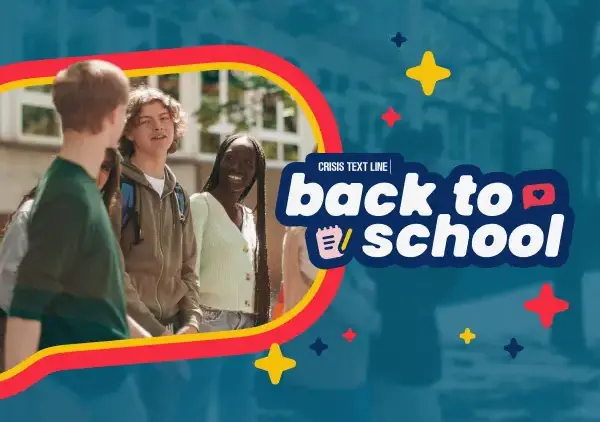
Experts and advocates emphasize that emotional well-being is just as fundamental to a student’s development as academic achievement. However, many parents and teachers struggle to find practical, evidence-based methods to introduce these concepts without overwhelming already packed schedules or turning classrooms into informal therapy sessions. In response, organizations like the Crisis Text Line are stepping up efforts to provide practical resources, such as free back-to-school mental health toolkits, designed to help adults bridge the gap between emotional wellness and everyday learning.
Understanding Social-Emotional Learning
At its core, SEL is the ongoing process through which individuals develop the essential skills required to understand and manage their emotions, set and achieve positive goals, feel and show empathy for others, establish and maintain positive relationships, and make responsible decisions. Rather than existing as an isolated academic subject or a specialized therapeutic intervention, SEL represents a holistic approach to personal growth that helps students succeed both inside the classroom and in their broader social lives, including friendships, family dynamics, and future career pursuits.
Proponents of SEL clarify that meaningful social-emotional development rarely requires a complete overhaul of daily routines or formal lesson plans. Instead, some of the most impactful moments occur organically during everyday interactions. When educators and parents intentionally create safe spaces for teenagers to reflect, express themselves honestly, and feel genuinely heard, young people build the confidence and self-awareness necessary to face life’s inevitable obstacles.
Why SEL Matters for High Schoolers
High school is universally recognized as one of the most transformative yet turbulent periods in a young person’s life. Adolescents are expected to manage mounting academic demands, navigate shifting social dynamics, meet family expectations, handle extracurricular commitments, and simultaneously grapple with daunting questions about their future.
Given these pressures, it is hardly surprising that many teenagers attempt to cope with emotional distress entirely on their own. Introducing structured and unstructured SEL opportunities in high school environments provides adolescents with tangible tools to identify their feelings, communicate their internal experiences, and address challenges before those burdens become overwhelming.
Furthermore, these initiatives create reliable avenues for trusted adults to check in, actively listen, and remind students that they do not have to carry their struggles in isolation. Advocates stress that parents and educators do not need to possess perfect answers or professional counseling degrees to make a difference; consistent presence and a willingness to listen are frequently what a teenager needs most.
Shifting Perceptions and Practical Implementation
A common misconception surrounding SEL is that it functions as a form of therapy or forces students to publicly disclose deeply personal experiences and process trauma in front of their peers. Educational specialists continually clarify that SEL is neither clinical treatment nor an added academic burden designed to weigh down teachers and parents.
Instead, it centers on cultivating small, consistent opportunities for teens to recognize their emotional states, develop healthy coping mechanisms, and understand that seeking help is a sign of strength rather than weakness. Whether through a thoughtful check-in at the start of a class period or an open conversation around the dinner table, these daily touchpoints accumulate over time to create a lasting, positive impact on student mental health.
To assist educators and families in this mission, support networks such as Crisis Text Line offer dedicated toolkits featuring ready-to-use activities, engaging mental health worksheets, and practical guidance tailored for high school environments. These resources are designed to facilitate essential conversations that might otherwise remain unspoken, ensuring that every teenager feels supported, valued, and a little less alone as they navigate their formative years.
For individuals experiencing acute mental health distress or overwhelming emotional challenges, confidential support remains readily available. Anyone in need can connect with a trained volunteer crisis counselor by texting the word SCHOOL to 741741, a free service operating 24 hours a day, seven days a week.