
In an era defined by indoor screens, structured schedules, and high-stakes academic environments, educators and researchers are increasingly looking toward a timeless resource to support youth development: the natural world. Far more than a simple backdrop for physical recreation, the outdoors is emerging as a dynamic, foundational classroom for cultivating executive functioning skills—the core brain-based abilities that allow individuals to plan, focus, adapt, and successfully complete daily tasks.
Executive functioning encompasses an array of individual cognitive processes that dictate how humans manage their time, regulate their emotions, and interact with the world around them. These include working memory, cognitive flexibility, impulse control, and task initiation. Far from being isolated to the classroom, these skills are heavily relied upon in every facet of life. They are critical for mastering complex academic concepts, navigating interpersonal relationships, and fostering personal well-being. For children and adolescents, developing these neurological pathways early can have lifelong benefits.
While traditional pedagogical strategies have often relied on indoor instruction to target these skills, recent scientific findings suggest that stepping outside may significantly accelerate this growth. The natural world acts as a powerful catalyst for neurological health. Extensive research highlights the profound psychological and physiological benefits of spending time in green spaces. For instance, studies indicate that even a brief, twenty-minute nature break can measurably reduce physiological stress hormones. Broader epidemiological research involving tens of thousands of participants suggests that individuals who spend at least two hours a week immersed in nature report substantially higher levels of psychological well-being.
Furthermore, comprehensive academic reviews connect regular exposure to nature with improvements in mental health, restorative sleep, enhanced cognitive function, and sustained attention spans. While empirical data provides valuable backing, the intuitive reality remains undeniable: a few moments spent observing wildlife or watching a sunset can quickly alter an individual’s state of mind. For youth development, this restorative quality provides an ideal psychological window to cultivate key executive functions such as focused attention, self-regulation, and mental flexibility.
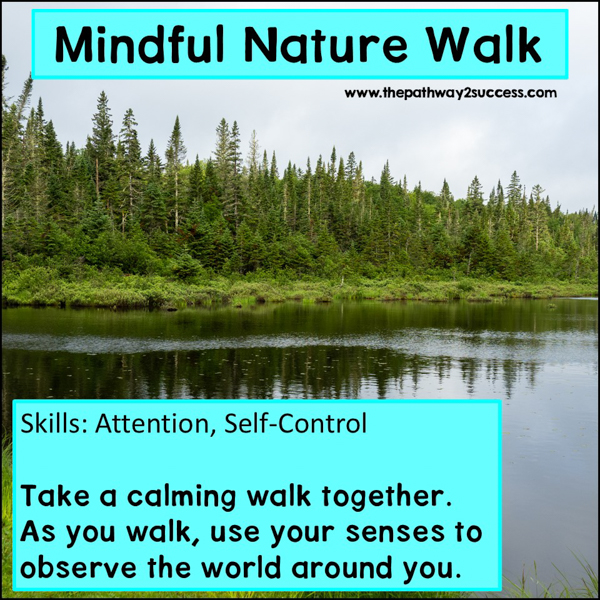
Implementing these practices does not require an elaborate wilderness expedition. Any accessible green space, whether it is an urban park, a neighborhood sidewalk bordered by trees, or a grassy patch just outside a school building, can serve as an effective environment for engagement. Educators and youth leaders have begun translating these natural environments into dynamic learning opportunities through a variety of field-based activities designed to target specific cognitive domains.
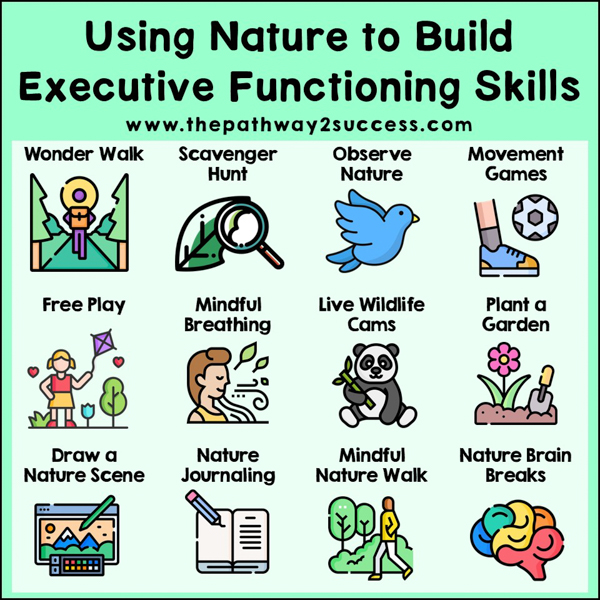
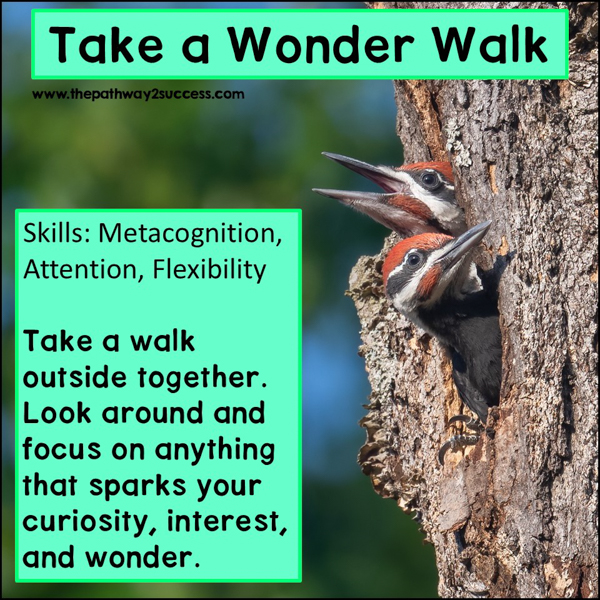
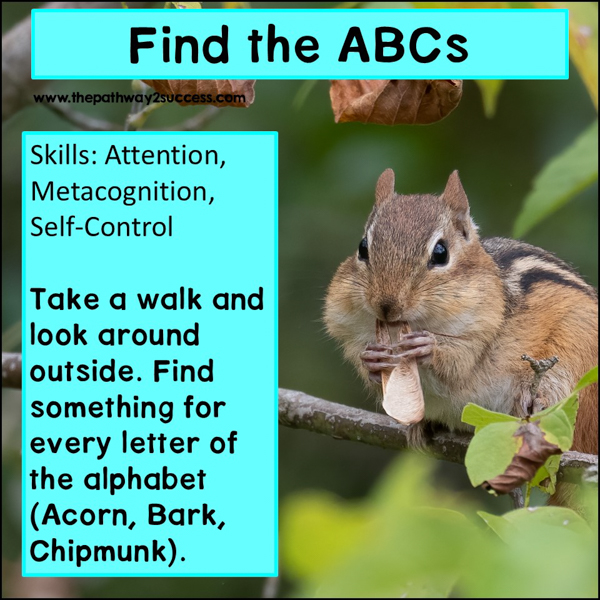
One approach involves cultivating observational and metacognitive skills through unstructured exploratory exercises. In these settings, participants are encouraged to direct their attention toward elements in the environment that spark genuine curiosity, formulating questions about natural phenomena and later pursuing answers through independent research. Similarly, focused observation games—such as scanning an environment to find natural objects corresponding to every letter of the alphabet or organizing discovered items by color—help young learners practice directed attention. These exercises demonstrate how conscious focus can be maintained and redirected even when environmental distractions arise.
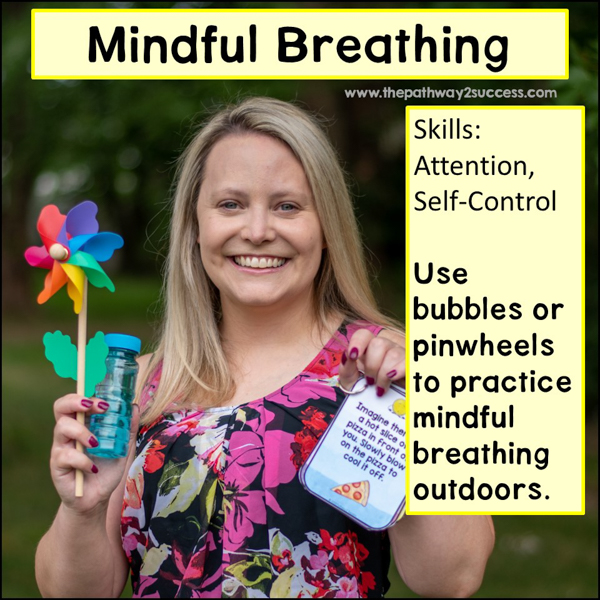
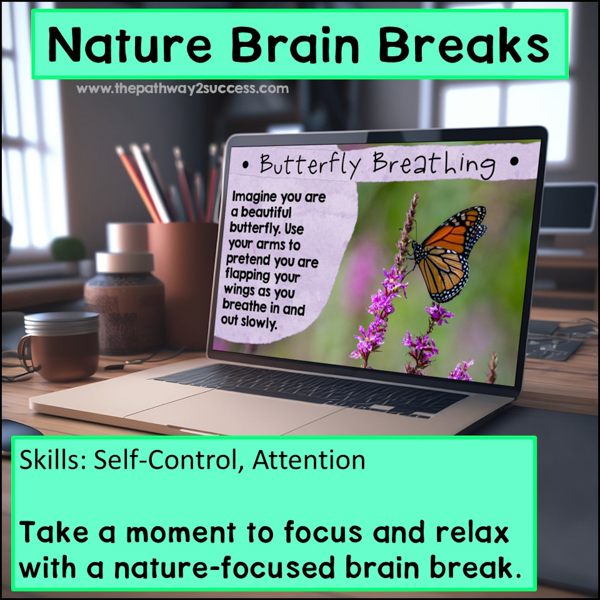
Beyond cognitive focus, natural settings provide fertile ground for emotional regulation and self-control. Practices such as mindful breathing, supported by physical props like pinwheels or bubbles or anchored by seasonal movement motifs, help youth connect physiological calm with mental clarity. These strategies offer tangible tools that children and adolescents can internalize and deploy independently whenever they need to anchor their attention or manage their emotional responses.
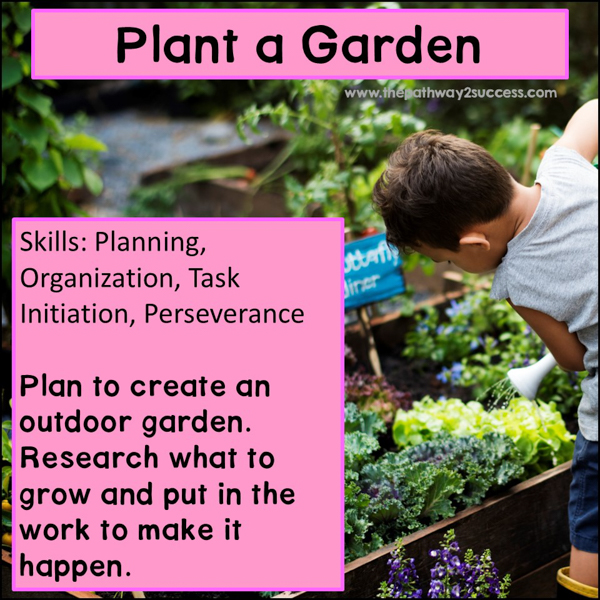
Longer-term projects similarly leverage the outdoors to strengthen complex organizational and planning capacities. Activities such as planning, planting, and maintaining an outdoor garden require children to engage in extensive preparation, from researching appropriate climate conditions to listing necessary materials like soil, seeds, and watering cans. By moving from the conceptual planning phase to physical execution and ongoing maintenance, participants exercise crucial executive skills including task initiation, organization, perseverance, and long-term project management.
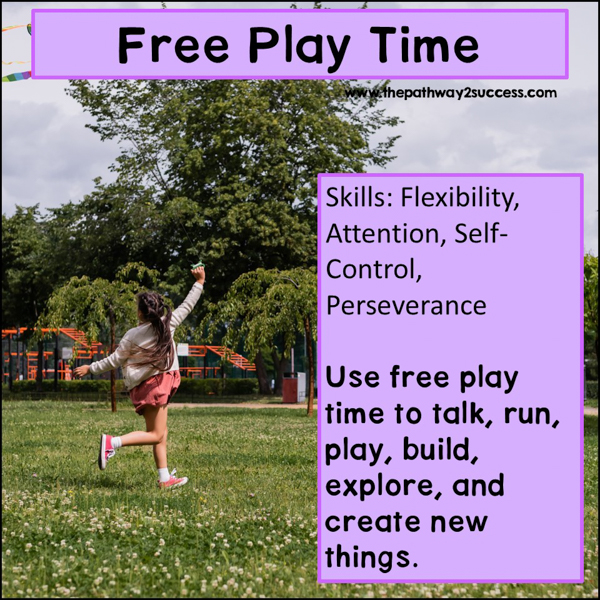
Unstructured free play in natural environments also plays a critical role. In a modern landscape often characterized by over-scheduled routines, open-ended outdoor play allows youth to independently negotiate social rules, solve emergent challenges, and practice time management and cognitive flexibility without adult intervention. When integrated with intentional nature breaks, journaling, scavenger hunts, and movement games that test working memory and impulse control, these outdoor experiences offer a holistic approach to cognitive development.
Even when physical access to the outdoors is limited, innovative methods are being utilized to bridge the gap. Educators frequently turn to live wildlife streaming cameras to monitor nesting birds, such as ospreys and bald eagles, or observe animals across global zoological habitats. These technological tools help maintain engagement, encourage sustained attention, and foster cognitive flexibility when indoor constraints prevent physical exploration.

Ultimately, whether through community clean-up initiatives that build civic responsibility and organizational skills, artistic interpretations of natural landscapes, or long-term observation projects that track seasonal changes over time, the integration of nature into youth development provides a powerful, science-backed framework. By utilizing the original classroom, educators and caregivers can help the next generation build the resilient cognitive foundations they need to navigate an increasingly complex world.



