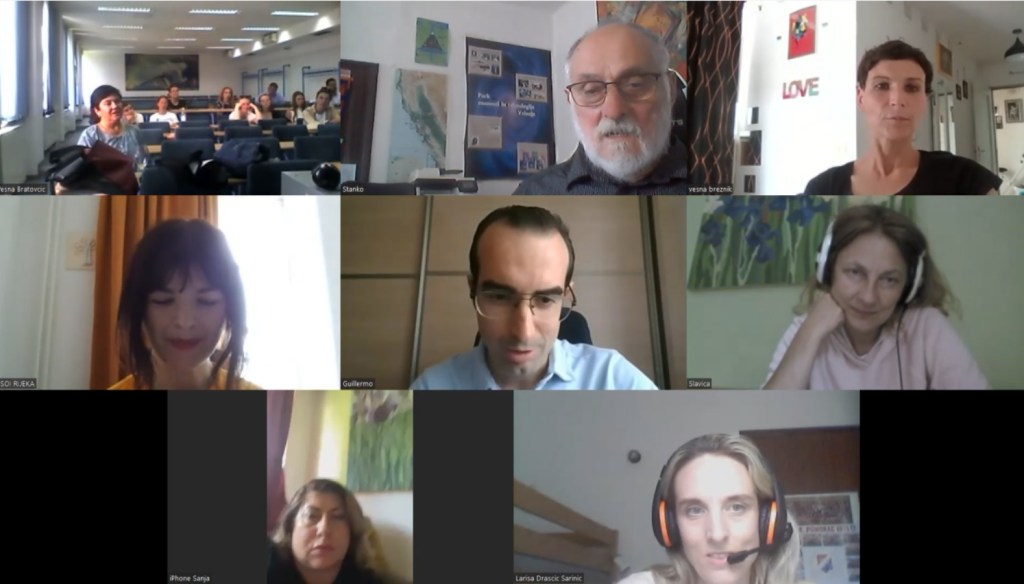
In an era where healthcare paradigms are shifting toward more comprehensive and inclusive models, academics, researchers, and advocates from across Europe recently gathered for a significant international online event. The virtual symposium, titled “Holistic approach to health — a trend in the 21st century,” was successfully held via Zoom, drawing a diverse audience dedicated to advancing modern wellness frameworks. The academic gathering was organized and spearheaded by Professor Vesna Bratovčić, Vice-Rector of the University of Tuzla, whose ongoing commitment to inclusive education and healthcare brought together leading voices from multiple European nations.
The virtual conference served as a dynamic platform for interdisciplinary dialogue, bringing together not only seasoned researchers and institutional representatives but also guest students who tuned in from Munich, Germany. For these visiting scholars, the symposium offered a valuable educational opportunity to immerse themselves in cutting-edge methodologies and specialized tools. These resources have been meticulously developed within the framework of various international projects designed to champion a holistic approach to health, with a particularly strong emphasis on improving the quality of life and well-being for persons with disabilities.
Throughout the sessions, participants explored how traditional medical models are increasingly being complemented—and in some cases transformed—by holistic practices that account for physical, mental, emotional, and social dimensions of well-being. By placing persons with disabilities at the center of this conversation, the organizers and attendees underscored the urgent need to move away from fragmented care and toward integrated support systems that respect the autonomy and dignity of every individual.
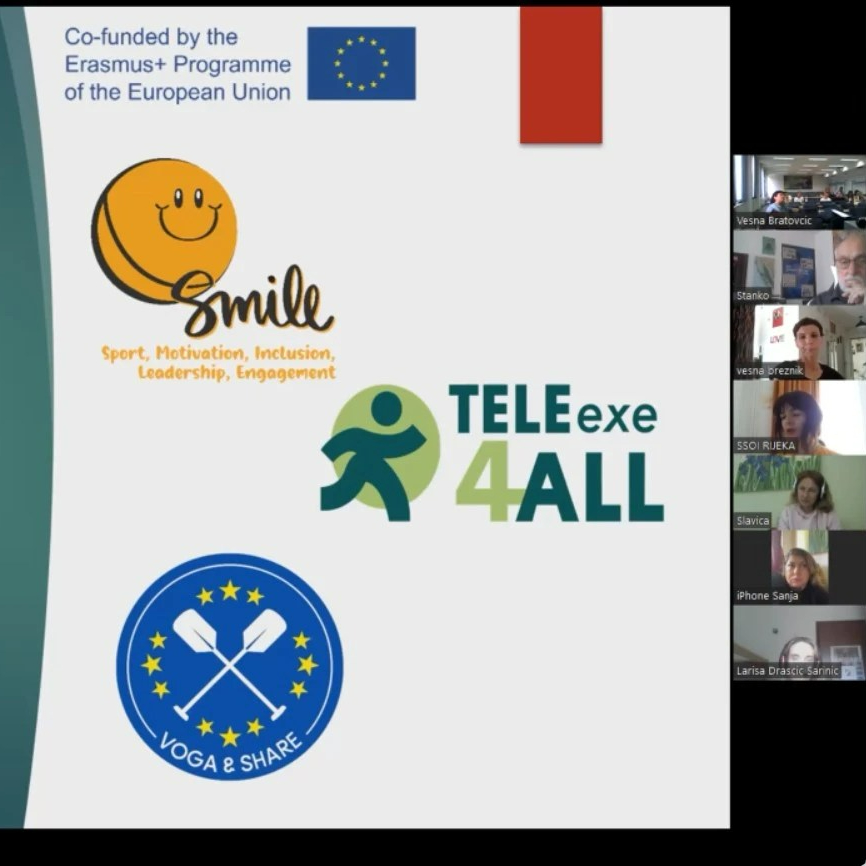
The symposium featured comprehensive presentations from a broad coalition of partner organizations hailing from Croatia, Spain, and Slovenia. Representatives from these institutions took the digital stage to share the culmination of their recent research, offering empirical insights, practical methodologies, and critical evaluations of current health and social inclusion initiatives. These contributions highlighted the importance of cross-border collaboration and knowledge exchange in tackling systemic barriers that individuals with disabilities frequently encounter in mainstream health and social environments.
A major focal point of the international gathering was the presentation of the #SMILE initiative, an innovative project co-funded by the European Union’s #ErasmusPlus programme. The project was showcased to the broader academic and professional audience as a benchmark of good practice by the project’s Croatian partner, the Rijeka Sports Association for Persons with Disabilities. Through detailed presentations, attendees learned how the initiative is actively reshaping the landscape of inclusive physical activity and community engagement.
The #SMILE project—an acronym standing for Sport, Motivation, Inclusion, Leadership, and Engagement—was developed to analyze and redefine the intricate link between sport and social inclusion in an innovative and transformative way. Rather than viewing athletics through a purely competitive or recreational lens, the initiative leverages sport as a vital vehicle for societal integration, personal growth, and empowerment. A core objective of the initiative is to ensure meaningful international participation in sporting activities specifically tailored for individuals living with intellectual disabilities and/or mental health challenges.
By breaking down the physical, psychological, and institutional barriers that often sideline marginalized populations, SMILE actively contributes to increasing the societal integration of people with intellectual disabilities. Beyond the immediate physical and mental health benefits of athletic engagement, the project fosters a profound shift in perception, helping participants realize that European rights are fundamentally their rights as well. This empowerment aligns closely with broader European Union values concerning citizenship, equality, and non-discrimination.
A compelling illustration of this rights-based approach involves the fundamental European principle of freedom of movement and residence. Under EU policy, there is a steadfast commitment to ensure that persons with disabilities can exercise their right to move and reside freely across member states on an equal basis with others. The SMILE initiative successfully operationalized this noble objective through a landmark international sporting event held in April 2023. Designed specifically to provide a tangible sense of free movement and residence, the event brought together participants with intellectual disabilities from different countries, allowing them to travel, compete, and connect in an environment tailored to their needs.
The success of the April 2023 event, as highlighted during the Tuzla symposium, serves as a powerful reminder that inclusive policies and grassroots initiatives can successfully bridge the gap between high-level legislative commitments and the lived realities of citizens. As the international academic community continues to grapple with the complexities of 21st-century healthcare, events like the "Holistic approach to health" symposium demonstrate that true innovation lies in collaboration, empathy, and an unwavering dedication to universal accessibility and inclusion.