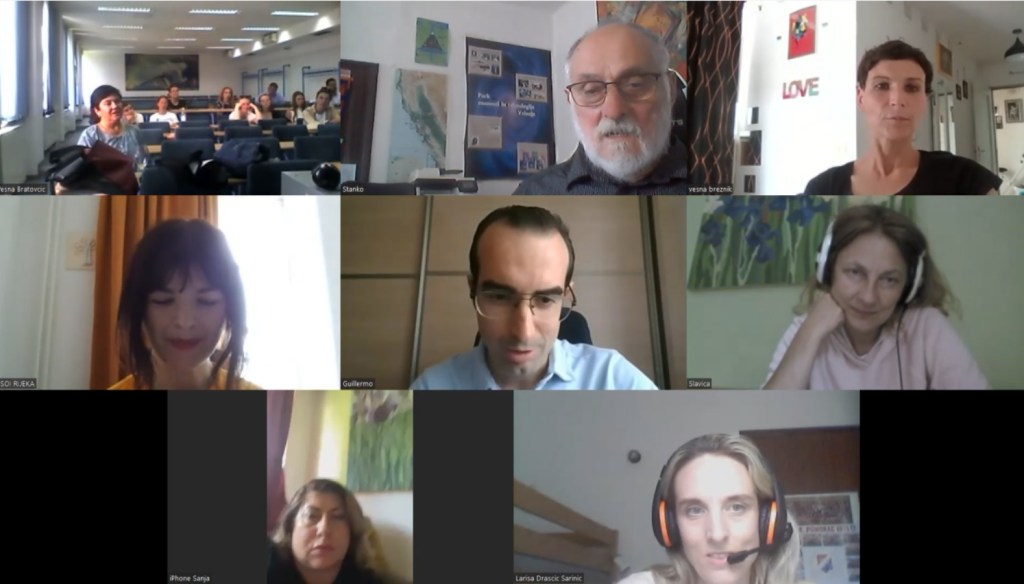
The ongoing evolution of health and wellness paradigms in the twenty-first century took center stage during a recent academic gathering that brought together researchers, educators, and advocates from across Europe. The international symposium, titled “Holistic approach to health — a trend in the 21st century,” was successfully hosted online via Zoom, convening a diverse group of participants dedicated to advancing modern wellness strategies. The event was organized under the leadership of Vice-Rector Vesna Bratovčić from the University of Tuzla, whose efforts facilitated a rich cross-border exchange of knowledge, academic research, and practical methodologies.
A notable highlight of the virtual symposium was the active participation of guest students joining the session from Munich, Germany. For these students, the event served as an immersive introduction to cutting-edge methods and specialized tools developed through various collaborative international projects. These initiatives focus primarily on a holistic approach to health and well-being, with a deliberate and profound emphasis on individuals living with disabilities. By examining health through a lens that encompasses physical, mental, and social dimensions, the symposium underscored the necessity of moving beyond traditional, fragmented medical models toward comprehensive care and support systems.
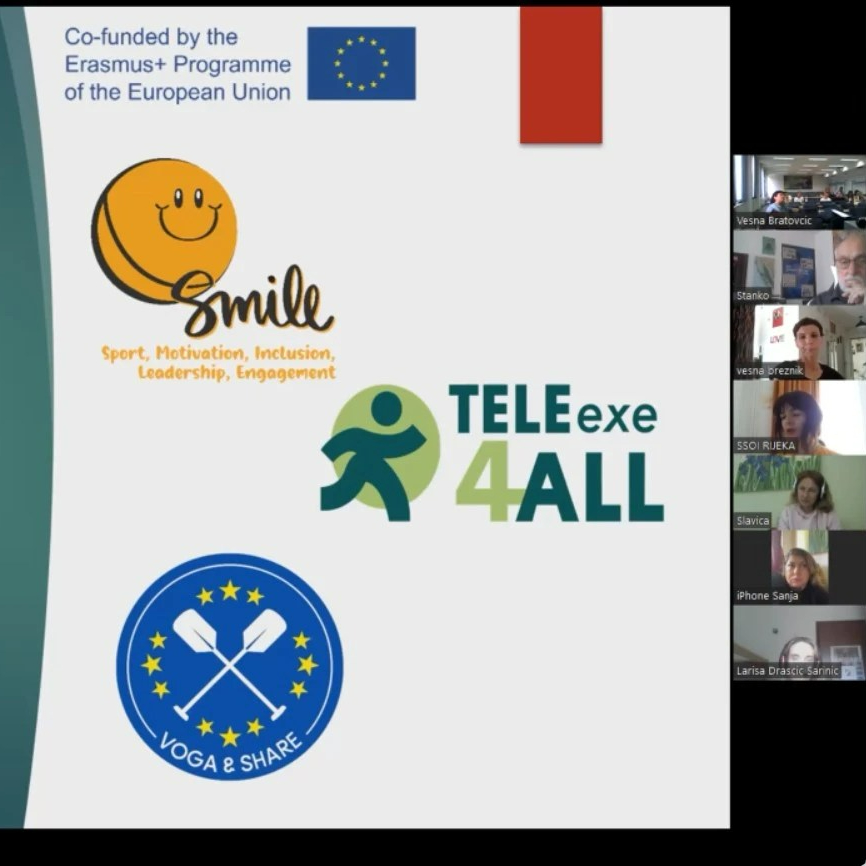
The academic and practical scope of the event was further broadened by the presence of representatives from partner organizations hailing from Croatia, Spain, and Slovenia. Each delegation brought unique perspectives to the digital podium, presenting their latest research findings, empirical insights, and practical strategies designed to improve the quality of life for vulnerable and marginalized populations. Through dynamic presentations and collaborative discussions, attendees explored how interdisciplinary cooperation can bridge the gap between theoretical research and everyday community practice, fostering a more inclusive society across the European region.
Among the key highlights of the international gathering was the formal presentation of the #SMILE initiative, an innovative project co-funded by the European Union’s #ErasmusPlus program. The initiative was showcased to the broader academic and professional audience as a benchmark of good practice by the Croatian partner in the project, the Rijeka sports association for persons with disabilities. The inclusion of the SMILE project in the symposium agenda allowed participants to examine concrete, real-world applications of inclusive policies and how structured sporting initiatives can directly address the multifaceted health needs of persons with disabilities.
The #SMILE project—an acronym representing Sport, Motivation, Inclusion, Leadership, and Engagement—was established to analyze the intricate link between physical activity and social inclusion in an innovative and transformative way. Rather than viewing sport merely as a recreational activity, the initiative explores how athletic engagement can be leveraged to drive profound social change. A core objective of the project is ensuring meaningful international participation in sporting activities specifically tailored for individuals with intellectual disabilities and mental health challenges. By removing barriers to participation, SMILE creates safe, empowering spaces where athletes can develop leadership skills, boost their motivation, and engage deeply with their local and international communities.
Furthermore, the initiative actively contributes to increasing the social integration of people with intellectual disabilities, helping to shift societal perceptions regarding their capabilities and rights. A fundamental cornerstone of the project is reinforcing the idea that European Union rights are, without exception, the rights of all citizens. This principle is vividly illustrated through basic freedoms guaranteed within the European framework, such as the right of EU citizens to move and reside freely within member states. The project aligns directly with the broader commitment of the European Union to ensure that persons with disabilities enjoy this fundamental freedom on an equal basis with others, translating high-level policy into tangible everyday experiences.
This commitment to freedom of movement and inclusive participation was recently brought to life through a major international sporting event held under the SMILE banner in April 2023. Designed explicitly to provide a genuine sense of free movement and residence, the event brought together participants with intellectual disabilities from various countries, allowing them to travel, compete, and connect in an accessible and welcoming environment. By facilitating these cross-border experiences, the SMILE project not only promotes physical health and athletic achievement through a holistic framework, but also champions the fundamental human rights and dignity of persons with intellectual disabilities on the European stage.