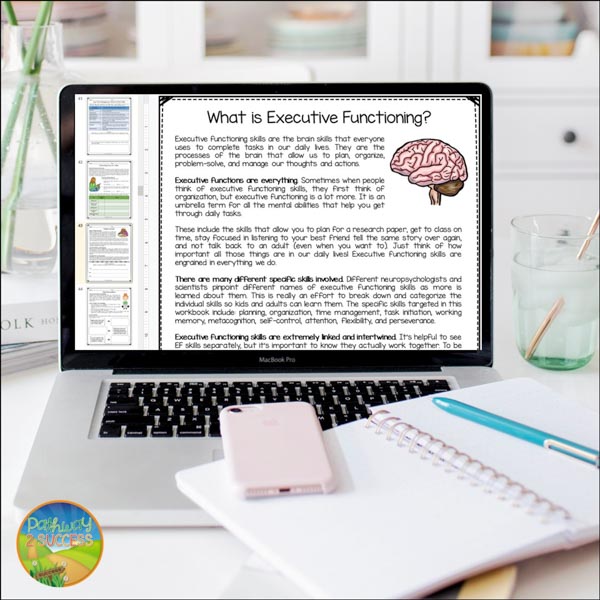
As students return to classrooms across the country, educators are increasingly shifting their focus toward foundational cognitive skills that dictate how well children and teenagers manage their daily academic lives. While traditional instruction often centers strictly on core subjects like mathematics, reading, and science, educational experts emphasize that executive functioning—the mental processes enabling planning, organization, time management, working memory, and self-control—serves as the invisible engine driving all classroom success.
When learners possess a strong foundation in these competencies, the academic year tends to begin with a manageable, organized rhythm. Conversely, students who struggle with executive functioning frequently experience a chaotic start. Educators often witness the cascading stress of misplaced assignments, confusion over navigating class schedules, and difficulty initiating tasks. These hurdles can create significant emotional and academic roadblocks not only for the students, but for teachers and families as well.
The encouraging development in modern classrooms is that educators do not have to leave these critical skills to chance. By intentionally modeling, building, and strengthening executive functioning from the very first days of the academic term, schools can establish a supportive environment that mitigates stress and fosters long-term resilience.
Why Executive Functioning Matters at the Start of the School Year
Executive functioning skills are utilized during virtually every complex and routine task encountered throughout the day. Although these cognitive processes remain important year-round, the back-to-school season plays a uniquely critical role in establishing structural norms. Implementing robust strategies focused on organization and self-regulation early on provides children and adolescents with the structural foundation necessary to navigate new academic demands.
A strong grounding in executive functioning during the transition back to school yields numerous benefits. It allows learners to approach complex assignments with confidence, process new information without becoming overwhelmed, and adapt smoothly to shifting classroom expectations. Furthermore, these skills directly support emotional regulation, helping students maintain focus even when faced with challenging material or unexpected changes in their daily routine.
Developing Routines and Explicitly Teaching Cognitive Skills
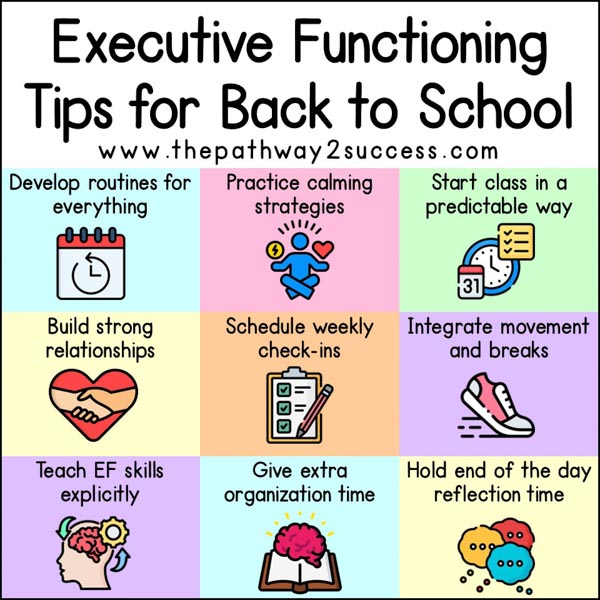
To build a reliable structure from day one, educators are increasingly focusing on the development and consistent practice of comprehensive classroom routines. Establishing clear expectations eliminates ambiguity, ensuring that students understand precisely how activities are supposed to unfold. Teachers often begin by mapping out regular classroom activities and designing straightforward, step-by-step procedures for each task. The key to this approach lies in repetition, practicing routines until they become second nature. Beyond merely keeping the classroom running smoothly, this continuous reinforcement naturally builds underlying competencies such as organization, planning, self-control, and attention.
Simultaneously, educators recognize that many students arrive at school still requiring explicit guidance in these areas. Just as schools dedicate instructional time to reading comprehension or mathematical problem-solving, educational advocates stress the importance of teaching executive functioning skills directly. Utilizing structured curricula and dedicated lessons allows teachers to guide students through targeted activities that demystify concepts like perseverance, impulse control, and strategic planning.
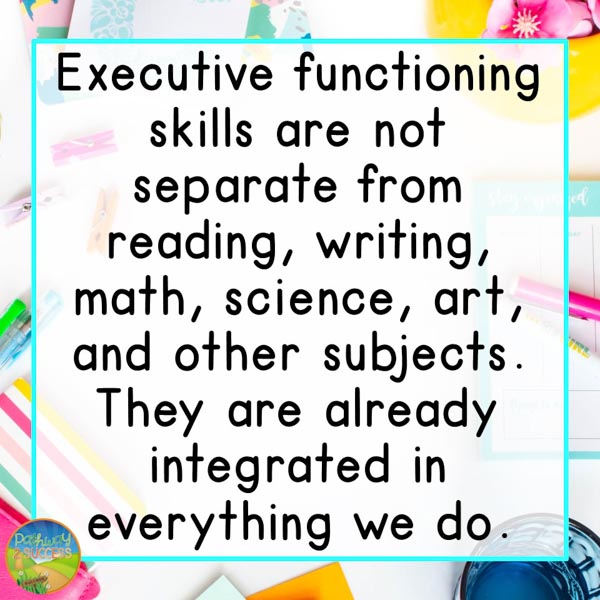
Rather than treating executive functioning as a separate discipline, successful classrooms integrate these strategies directly into everyday academic content. Whether students are drafting an essay, conducting a science experiment, or solving multi-step math problems, teachers look for natural opportunities to discuss and apply cognitive strategies within the context of the lesson.
Fostering Calm, Connection, and Predictability
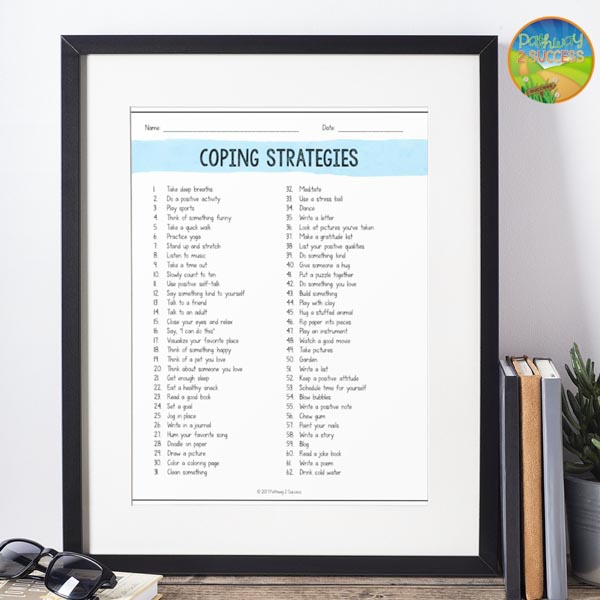
Cognitive performance is inextricably linked to emotional well-being. Educational specialists note that a calm mind and relaxed body are prerequisites for effective learning, as students cannot process information optimally when experiencing stress, frustration, or overwhelm. Because children and teenagers often lack an innate understanding of how to regulate their physiological states, prioritizing evidence-based calming strategies from the beginning of the year has become a priority. Simple techniques, such as guided breathing exercises or brief physical resets, provide students with tools to manage personal stress and serve double-duty as effective brain breaks between demanding academic tasks.
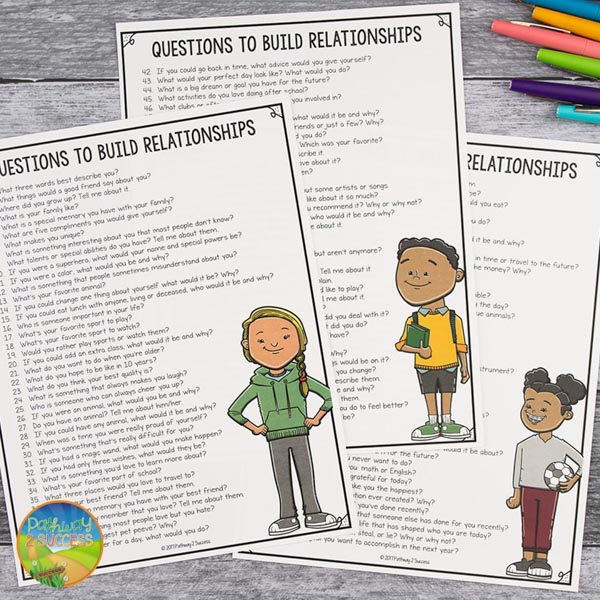
Classroom environment and community building play equally vital roles in supporting executive functioning development. A physically organized classroom space modeled by both teachers and students helps reduce visual clutter and makes it easier for learners to focus and independently manage their materials. Moreover, fostering strong relationships—both between teachers and students and among peers—creates a supportive community where learners feel secure enough to take healthy academic risks, make mistakes, accept constructive feedback, and work collaboratively through challenges.
To further reduce cognitive fatigue, many educators design predictable daily structures. Starting the morning with a consistent routine minimizes the mental energy students waste trying to figure out what to do first, acting as a reliable launchpad for the day. Regular daily schedules, previewed well in advance when disruptions occur, provide an additional layer of security and structure.
Encouraging Self-Monitoring, Reflection, and Healthy Habits
As the school year progresses, building student autonomy becomes a central objective. Strategy shares—dedicated times for students to explain, discuss, and demonstrate the specific methods they used to solve a problem—allow learners to teach one another while reinforcing their own metacognitive awareness. Similarly, integrating movement into daily lessons supports physical regulation and sustained focus, transforming movement from a mere reward into an active component of the learning process.
Regular communication and reflection are also vital components of ongoing academic support. Educators frequently utilize weekly or bi-weekly individual check-ins to monitor student progress, review work samples, and discuss which strategies are proving effective. These conferences allow teachers to provide proactive interventions before minor struggles compound into larger academic issues.
At the conclusion of the day, brief reflection periods offer students an opportunity to evaluate what worked well and what might be adjusted in the future, fostering a continuous growth mindset. Additionally, scheduled times for material organization and the explicit teaching of self-monitoring strategies—such as pausing to check one’s own progress toward a goal—equip students with lifelong tools for independence.
Underpinning all of these classroom strategies is a shared recognition of the importance of holistic well-being, including adequate sleep, proper nutrition, and physical activity, alongside a generous dose of patience for both students and educators alike as they navigate the challenges and triumphs of a new school year.