
As students return to classrooms across the country, educators and specialists emphasize that a strong foundation in executive functioning skills—such as planning, organization, and time management—can dictate whether the academic year begins smoothly or meets a rocky start. While these cognitive processes are vital year-round, the opening weeks of school establish the critical architecture for student success, influencing everything from daily classroom participation to long-term academic achievement.
When learners struggle with executive functioning, the effects are immediately visible in the daily rhythm of school life. Educators frequently encounter the student who misplaces essential papers or the learner who struggles to navigate the hallway to the correct classroom. These experiences introduce unnecessary stress and frustration for both students and teachers. However, educational experts report that these challenges can be mitigated when schools intentionally model, build, and strengthen these fundamental skills from the very first day of the term.
Executive functioning encompasses the mental processes that enable individuals to manage daily and complex tasks. During the back-to-school transition, implementing targeted strategies provides children and teens with the necessary scaffolding to handle new academic demands. A solid grounding in these skills fosters organization, planning, self-control, and sustained attention, creating a stable environment where learning can take place.
Why Do Executive Functioning Skills Matter for Back to School?
The beginning of the academic year requires students to adapt to new environments, shifting schedules, and elevated expectations. Without explicit support, learners who experience executive dysfunction may quickly fall behind or feel overwhelmed. By integrating executive functioning principles directly into the daily curriculum, educators help students build resilience, improve emotional regulation, and develop the autonomy needed to navigate complex school routines successfully.
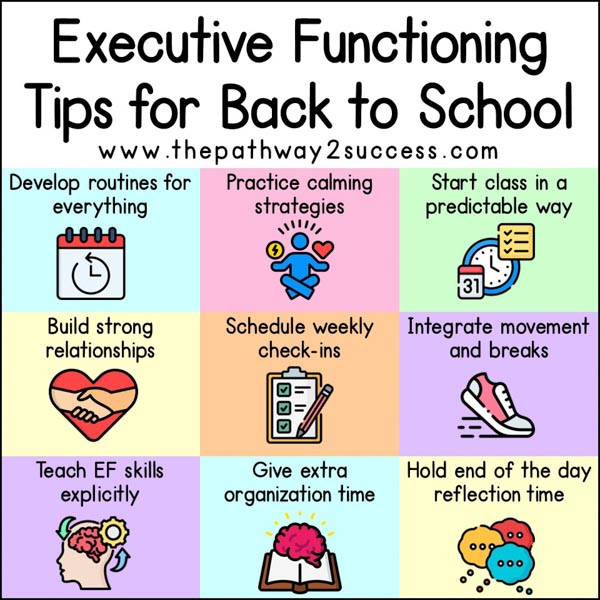
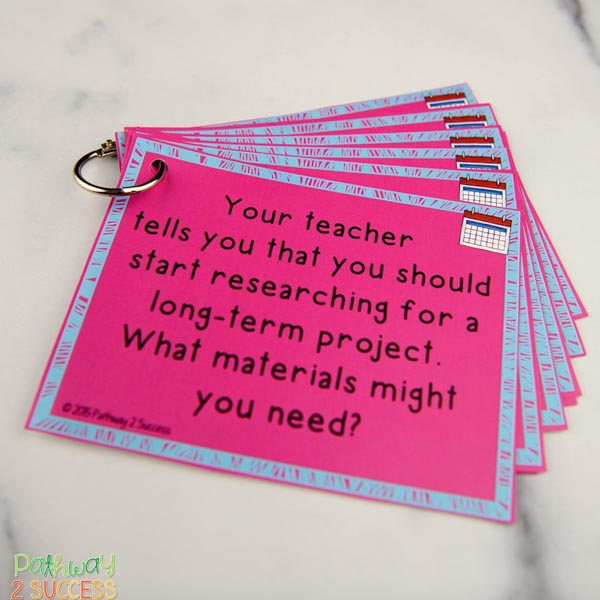
Establishing predictable routines early in the academic year is one of the primary methods educators use to create structure and clarify expectations. Experts note that learners cannot be expected to follow guidelines they do not fully understand. By identifying regular classroom activities and breaking them down into clear, sequential steps, teachers provide a reliable roadmap for the day. Repeated practice helps these routines become second nature, simultaneously reinforcing organization, planning, self-control, and attention.
Explicit Instruction and Curriculum Integration
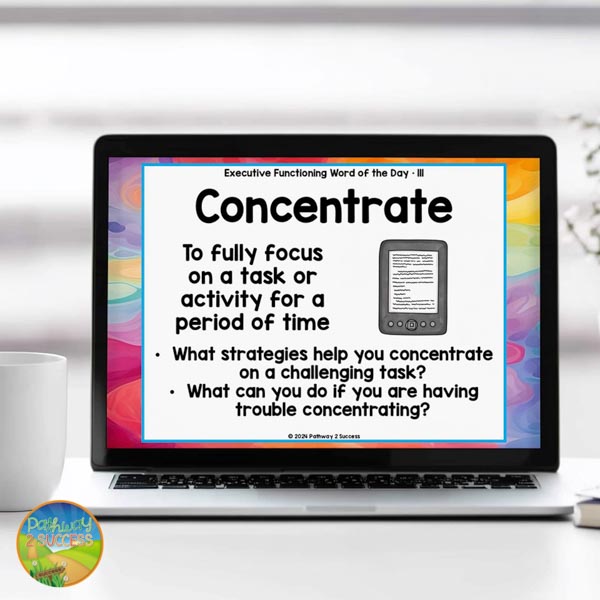
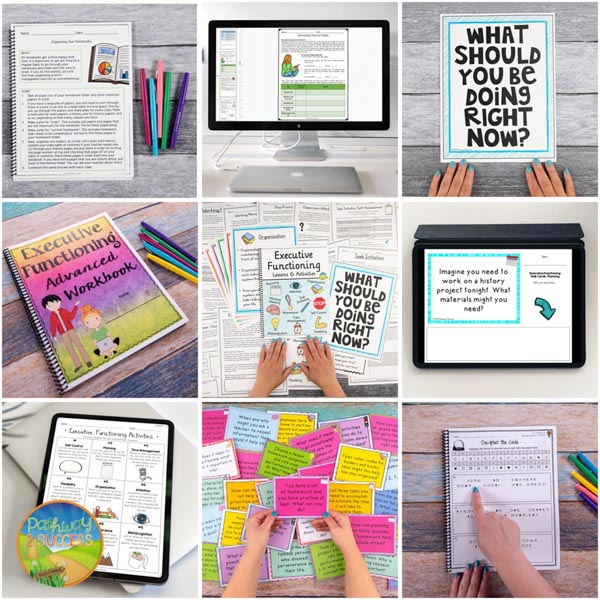
Many students enter classrooms needing direct guidance in executive functioning domains like planning, organization, attention, self-control, and perseverance. Rather than treating these abilities as inherent traits, educational specialists advocate for teaching them as explicitly as reading or mathematical concepts. Utilizing a comprehensive, year-long executive functioning curriculum allows teachers to guide students through structured activities designed to demystify these cognitive processes and empower learners for ongoing success.
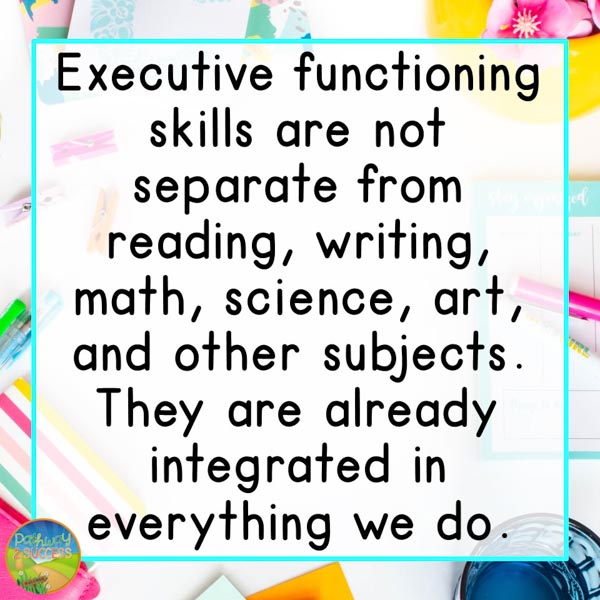
Crucially, executive functioning strategies are not isolated from traditional academic subjects such as math, science, reading, and writing; rather, they are embedded within every facet of learning. Educators can intentionally weave these strategies into existing lesson plans, prompting students to discuss and apply planning and problem-solving techniques while tackling academic content.
Emotional Regulation and Calming Strategies
Cognitive performance is closely tied to emotional well-being. A calm mind and body allow learners to maintain focus, make sound decisions, and engage deeply with new material. Conversely, students cannot learn effectively when they are stressed, upset, or overwhelmed. Because children and teens are still developing emotional regulation, prioritizing evidence-based calming strategies at the start of the year is essential.
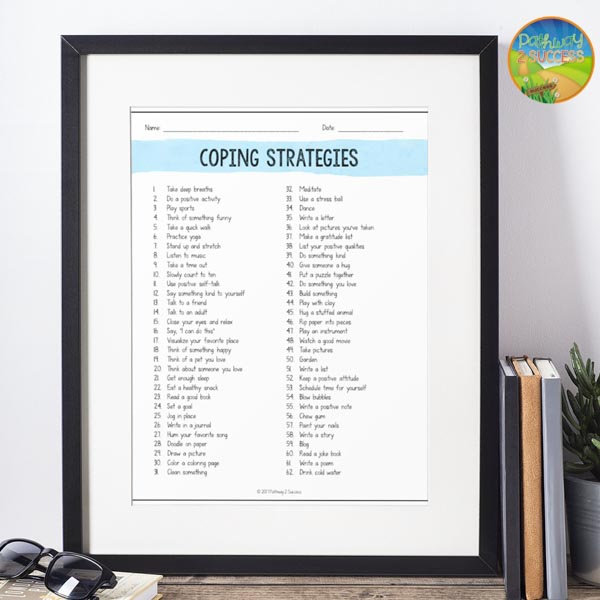
These techniques serve a dual purpose, functioning both as individualized interventions when students need a personal break and as structured brain transitions between demanding tasks. Educators often pair these practices with accessible coping strategy references to help learners independently select tools for managing stress and maintaining focus.
Classroom Design, Relationships, and Predictability
The physical and social environment of the classroom plays a significant role in supporting executive functioning. An organized physical space—where every material has a designated spot and clutter is minimized—acts as a visual model for the organizational skills teachers expect students to emulate. Involving learners in maintaining this order reinforces personal accountability.
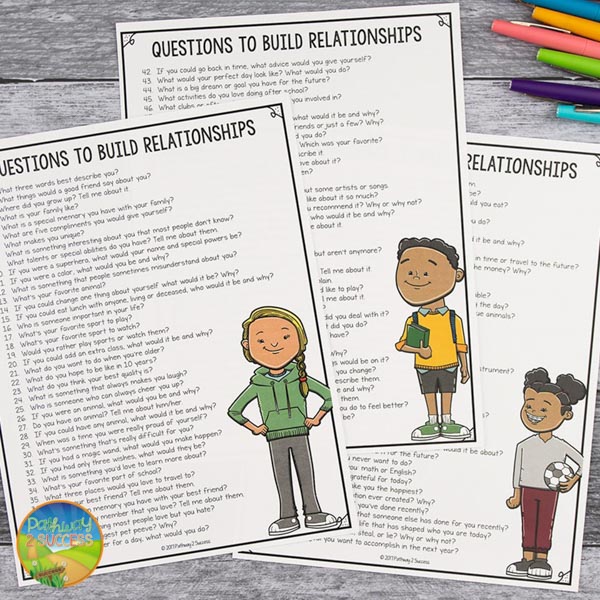
Simultaneously, intentional relationship-building among students and between students and teachers fosters a supportive community. Strong interpersonal connections create a safe psychological space where learners feel comfortable taking healthy risks, trying new methods, working through challenges, and accepting constructive feedback. Predictable morning routines and consistent daily schedules further alleviate cognitive fatigue. When students understand how the day will begin and what follows next, they conserve mental energy, utilizing those resources for academic engagement rather than anxiety over the unknown.
Reflection, Movement, and Ongoing Assessment
Incorporating movement into the school day is another vital component for sustaining focus and self-regulation. Movement is increasingly recognized not merely as a reward, but as an integral element of the learning process itself—whether through station-to-station writing activities or interactive math problem-solving.
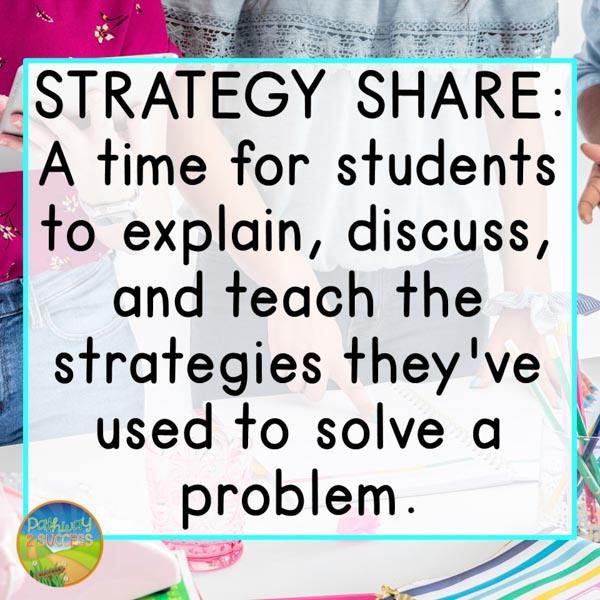
To sustain these gains, educators utilize regular individual check-ins, strategy shares, and structured reflection time. Strategy shares give students a platform to explain and discuss the methods they used to solve specific problems, fostering peer-to-peer learning and community cohesion. Meanwhile, weekly or bi-weekly individual conferences provide a proactive intervention to monitor student progress, evaluate the effectiveness of current strategies, and adjust goals.
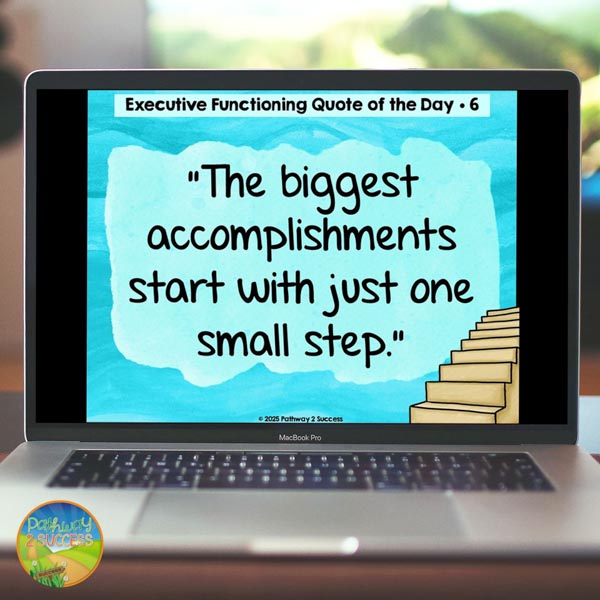
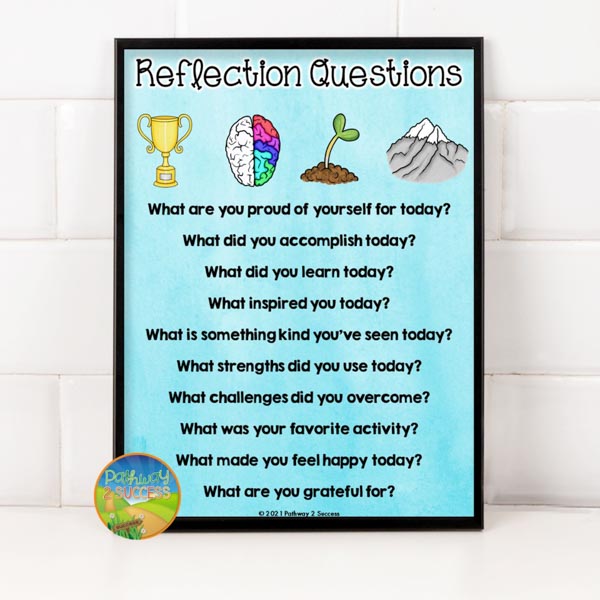
Concluding the day with structured reflection allows students to evaluate what worked well and what might be improved in the future. By continuously reinforcing healthy habits—including adequate sleep, nutrition, and physical activity—alongside patience and daily fresh starts, schools can build a resilient framework for lifelong learning and personal achievement.



