In modern classrooms and homes alike, young people face an unprecedented array of distractions, academic demands, and fast-paced environments. To navigate these pressures successfully, educators and developmental specialists are increasingly emphasizing a foundational executive functioning and life skill: self-monitoring. Far from being an innate trait, self-monitoring is an evidence-based competency that allows children and adolescents to manage their behaviors, sharpen their attention, and independently align their current actions with their long-term goals.
At its core, self-monitoring is the process of pausing to check in with oneself to ensure that progress remains on track. For both youth and adults, this capacity serves as a vital internal compass. Without it, individuals can easily lose sight of ongoing tasks, drift away from objectives, and experience heightened frustration when assignments become challenging or monotonous. Recognizing that this skill underpins both academic achievement and lifelong independence, educational experts are deploying comprehensive strategies to help students build what they describe as "self-monitoring muscles."
What Self-Monitoring Looks Like in Practice
Self-monitoring manifests across virtually every facet of a student’s daily routine. In social settings, young people utilize it to monitor their attention while listening to a peer share a story. Academically, it is the mechanism that allows a student to push through a lengthy assignment without succumbing to digital or environmental distractions, thereby meeting critical deadlines.
In school environments, strong self-monitoring enables learners to recognize when their focus is waning during a lecture, realize when a math problem requires a different approach, or catch careless errors before submitting an exam. Because life frequently presents tasks that are less than captivating, learning how to independently recognize when one has derailed—and knowing how to course-correct—is essential for fostering resilience and self-efficacy.
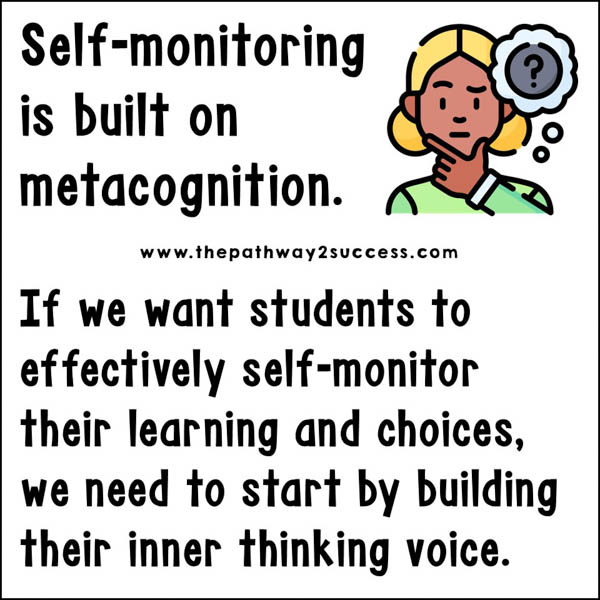
Building an Inner Thinking Voice Through Metacognition
The foundation of effective self-monitoring rests on metacognition, or the ability to think about one’s own thinking. To cultivate this capacity, educators are increasingly incorporating strategy discussions before, during, and after classroom activities. Rather than simply grading a finished product, teachers are engaging students in reflective conversations about the learning process itself.
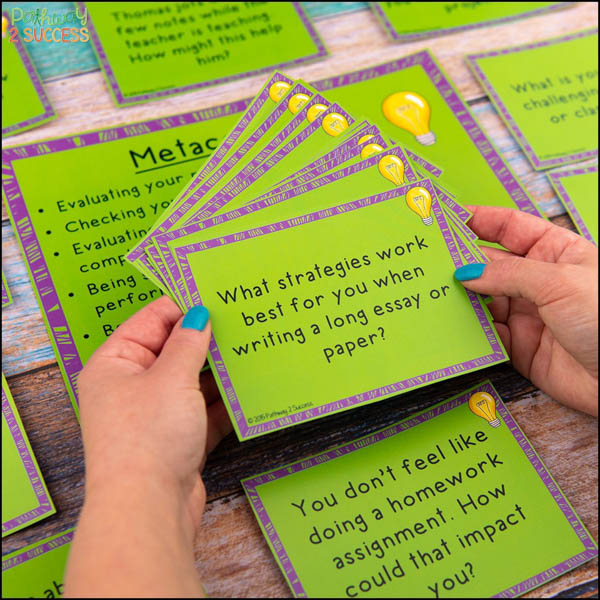
Following a challenging group assignment, classrooms might discuss the specific moments when focus began to deteriorate, such as when the material grew more complex or when social distractions arose. Similarly, during independent reading blocks, learners are encouraged to identify why their minds wandered from a particular book. By bringing these invisible friction points into the open, students learn to notice similar challenges in real time, transforming abstract struggles into manageable obstacles that can be addressed with targeted strategies.
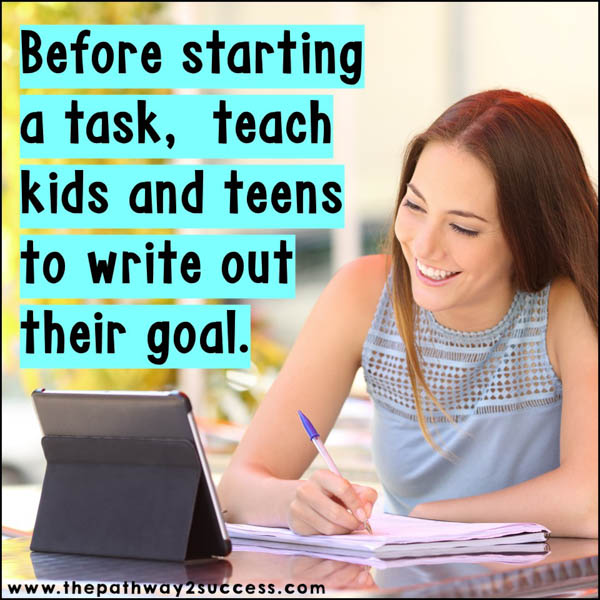
Establishing Goals and Practicing Mindful Pauses
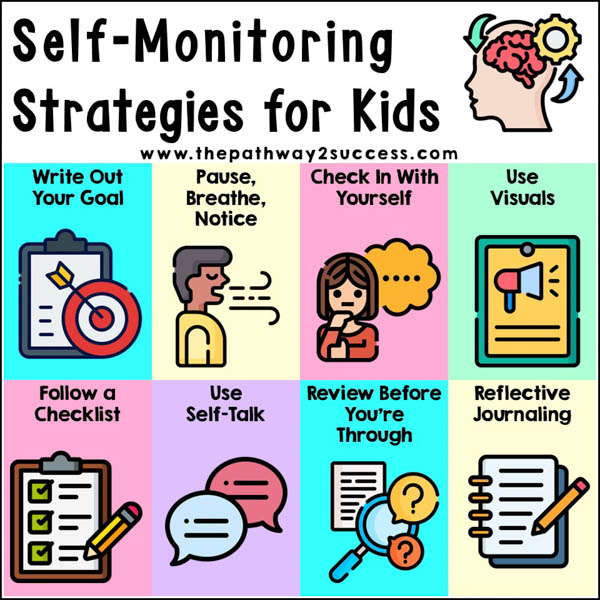
A primary prerequisite for self-monitoring is the clear identification of a goal. To operationalize this, educators often have students write down their immediate objective on a sticky note or index card before a working session begins. A student in a study hall, for instance, might explicitly state their intention to read a specific chapter of an English novel. This physical artifact serves as an ongoing behavioral anchor, reinforcing personal accountability from the outset of a task.
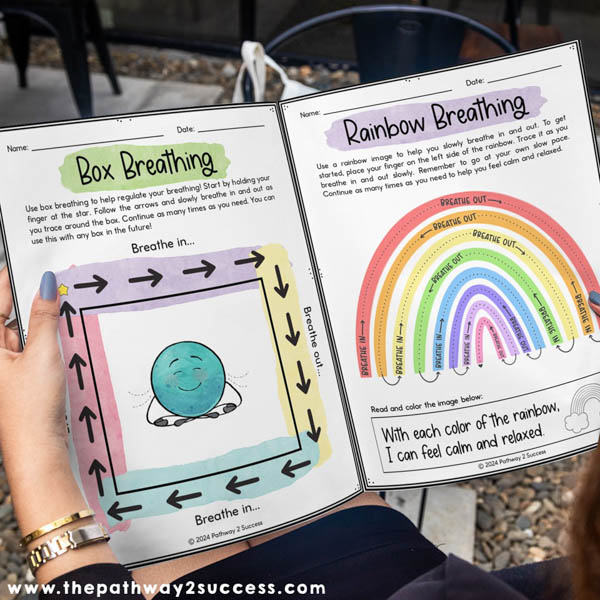
Coupled with goal-setting is the practice of learning how to pause. In a culture characterized by constant stimulation, stopping even for a few seconds can prove difficult. Educators are addressing this by integrating brief, mindful breathing routines into the daily schedule. Through controlled breathing exercises, students learn to settle into a comfortable posture, focus on the physical sensation of their breath, and calm their nervous systems. This intentional pause provides the necessary framework for a subsequent internal check-in, acting as an evidence-based tool that simultaneously supports emotional regulation and attentional control.
Utilizing Self-Talk, Visuals, and Structured Check-Ins
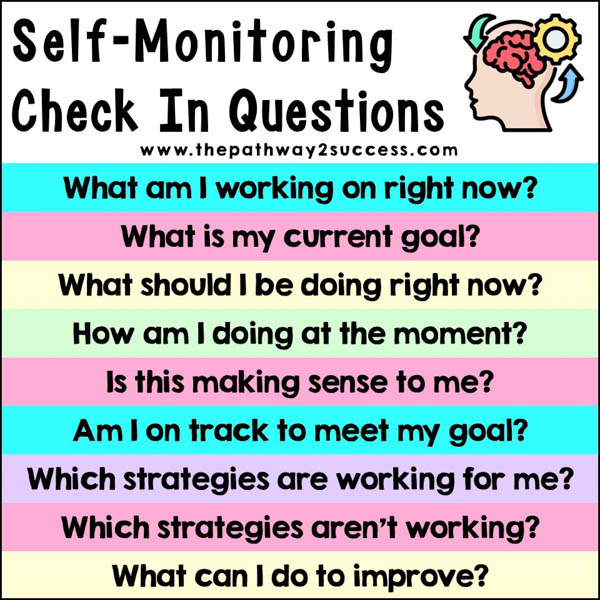
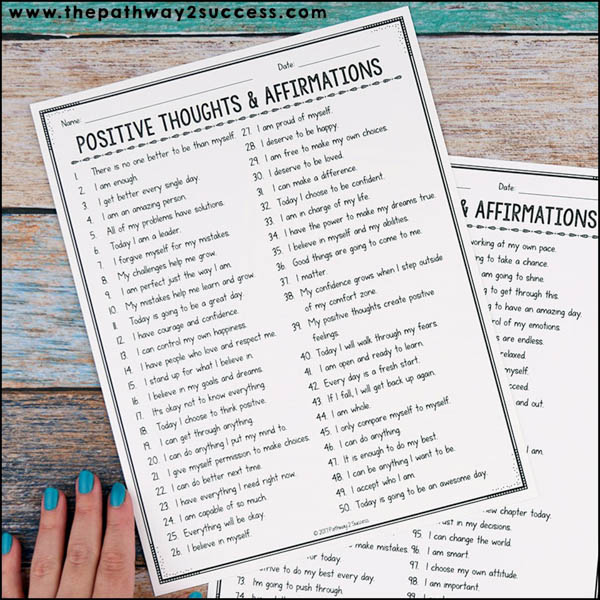
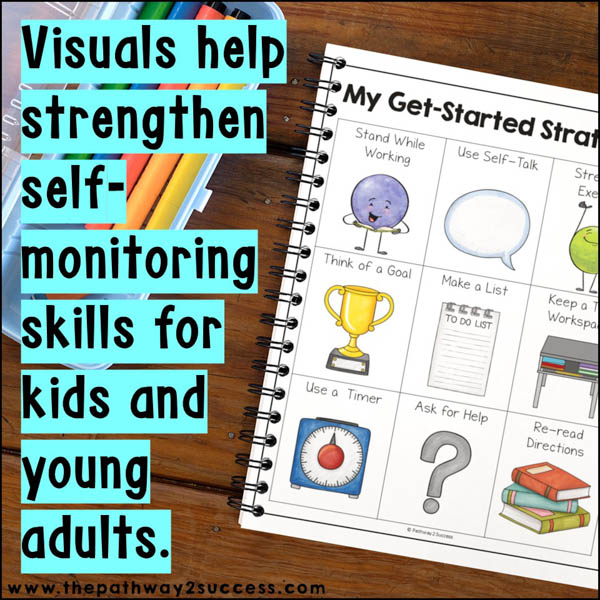
As students engage in their work, maintaining momentum often relies on the conscious deployment of positive self-talk. By replacing self-critical thoughts with encouraging phrases, young people build the emotional resilience needed to push past difficult moments. Coupled with visual supports, checklists, and timely reminders—such as a gentle chime halfway through an examination—students are prompted to look inward, evaluate their progress, and ask critical questions about whether their current trajectory matches their initial objective.
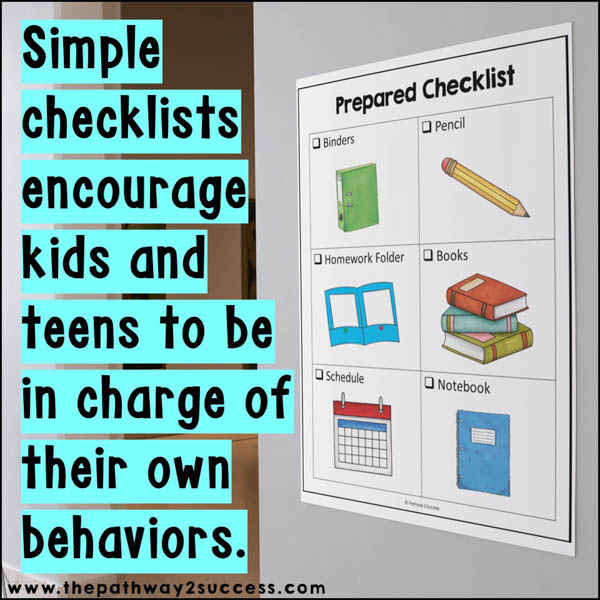
For multi-step assignments, structured checklists offer another reliable scaffolding tool. By breaking down complex projects into discrete, manageable components, students take direct ownership of their workflow. Tally charts and timers further enhance this process, providing immediate, quantifiable feedback on target behaviors, such as the number of math problems solved or the minutes spent in dedicated focus.
The Broader Executive Functioning Network
Experts emphasize that self-monitoring does not operate in a vacuum; rather, it is intricately connected to a broader network of executive functioning skills. Self-awareness, cognitive flexibility, impulse control, and working memory all play supporting roles. When a student evaluates their progress and realizes a change in strategy is required, they are drawing upon cognitive flexibility and self-regulation.
To reinforce these interconnected competencies, schools are incorporating diverse activities ranging from reflective journaling and point-rating sheets to strategic brain breaks. By systematically reviewing their efforts before turning in assignments and analyzing their experiences through structured writing afterwards, students gradually internalize the self-monitoring process. Through consistent practice and supportive classroom environments, children and teens are better equipped to navigate challenges, adapt to changing demands, and achieve their academic and personal goals with growing independence.