
In an era defined by digital distractions and tightly scheduled indoor environments, educators, parents, and developmental researchers are increasingly looking toward a timeless resource to support cognitive development: the great outdoors. Emerging discussions in child development highlight nature not merely as a place for recreation, but as a dynamic, original classroom capable of fostering critical brain-based abilities known as executive functioning skills.
Executive functioning encompasses the foundational mental processes that allow individuals to plan, focus attention, remember instructions, manage multiple tasks successfully, and exercise self-control. These cognitive mechanisms are deeply integrated into daily life, serving as the bedrock for academic achievement, emotional regulation, and interpersonal relationships. Experts note that because outdoor environments are inherently motivating, engaging, and rich with sensory stimuli, they provide an ideal setting to strengthen these vital capacities in children and teenagers.
The Scientific Case for Nature’s Cognitive Benefits
The movement to integrate nature into cognitive and emotional development is supported by a growing body of scientific research. Studies consistently demonstrate that spending time in natural settings yields measurable benefits for mental health and cognitive function. According to research cited by public health institutions, spending as little as 20 minutes outdoors can significantly reduce stress hormones. More extensive population studies involving tens of thousands of participants indicate that individuals who spend at least two hours a week in green spaces report substantially higher levels of psychological well-being.
Furthermore, comprehensive academic literature reviews point to strong correlations between regular nature exposure and improvements in attention, cognitive flexibility, sleep quality, and overall mental health. Alongside these cognitive perks, the outdoors naturally encourages physical activity and social interaction, creating a holistic environment for personal growth. While scientific data provides a solid foundation for these practices, proponents point out that the restorative effects of nature are universally accessible; even a brief moment observing wildlife or a sunset can immediately evoke a sense of calm and clarity.
Although executive functioning skills can be cultivated through various indoor exercises and structured curricula, the natural world offers a seamless, organic backdrop for targeting specific cognitive domains such as attention regulation, impulse control, and mental flexibility.
Translating Outdoor Experiences into Cognitive Growth
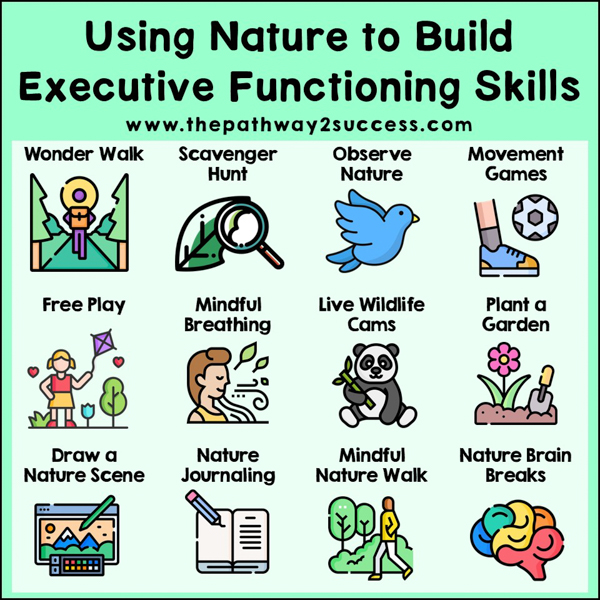
Integrating nature into developmental routines does not require elaborate wilderness expeditions. Any local green space—ranging from a school courtyard or a neighborhood park to a hiking trail—can serve as a venue for activities designed to challenge and expand the mind. Observers and educators have identified a wide array of outdoor engagements that naturally prompt young people to practice complex cognitive tasks without the rigid feel of a traditional classroom setting.
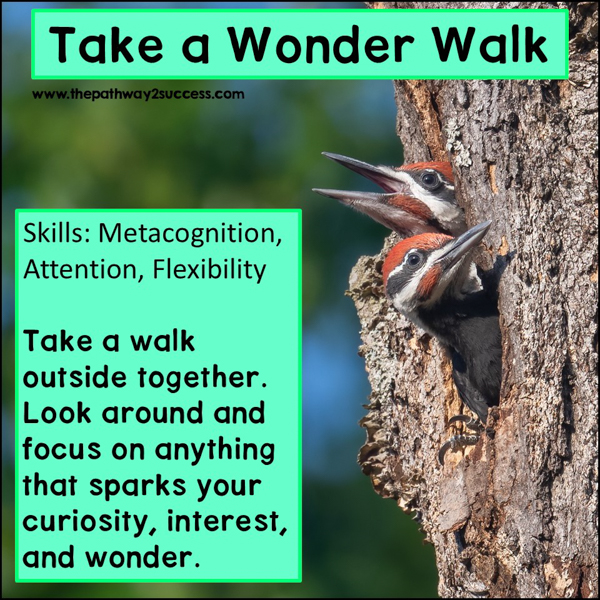
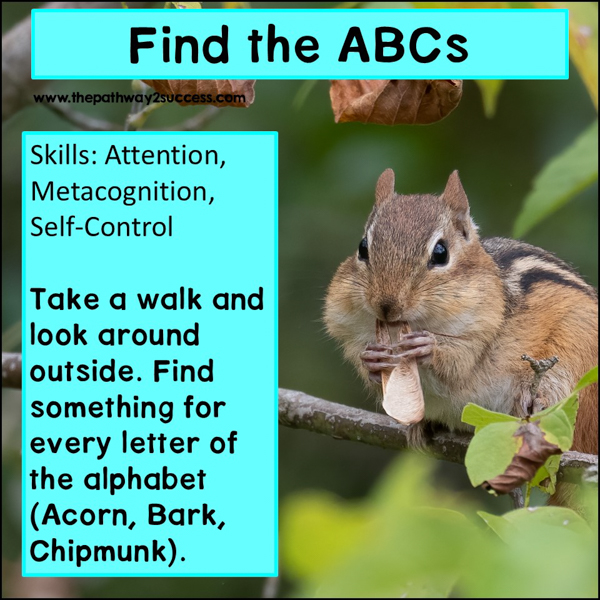
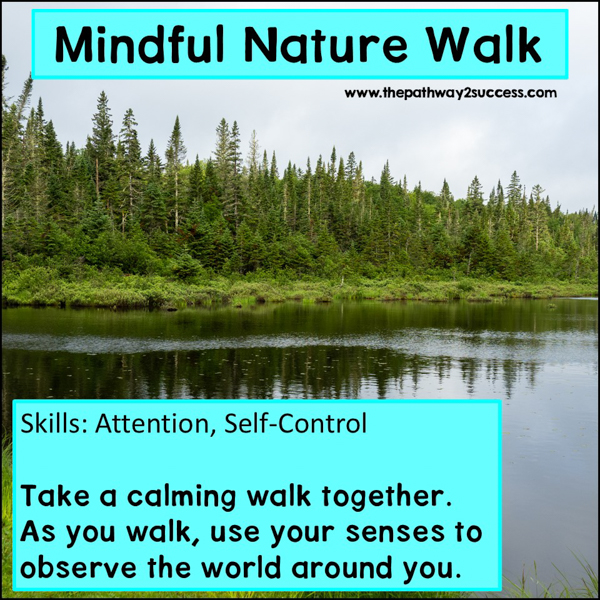
Activities centered around open-ended exploration and sensory engagement allow children to practice metacognition—the ability to think about one’s own thinking—while maintaining intrinsic motivation. For instance, unstructured walks focused on curiosity encourage learners to observe their surroundings deeply, formulate questions about natural phenomena, and follow lines of inquiry through subsequent research. Similarly, focused observation tasks require individuals to systematically scan their environment, letter by letter or color by color, reinforcing the capacity to direct attention and manage distractions in real time.
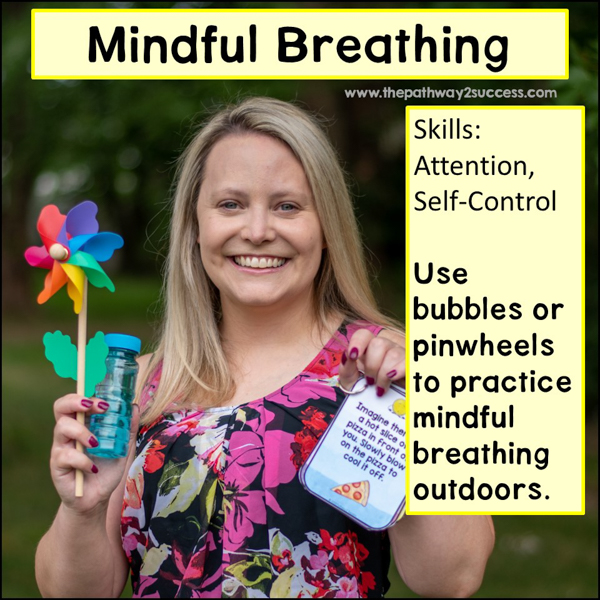
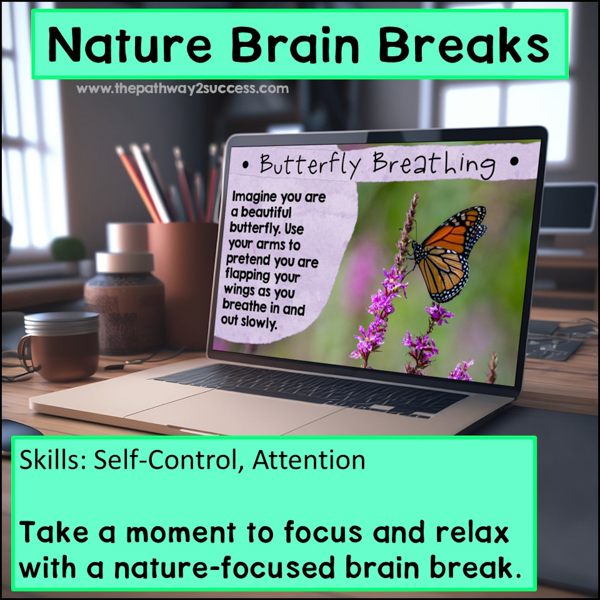
Self-regulation and emotional control are equally supported through nature-based mindfulness practices. Deep breathing exercises, whether paired with simple props like pinwheels or adapted to seasonal themes such as mimicking the movements of forest animals, help ground young people when they experience stress or overstimulation. These tangible strategies provide learners with self-calming tools that they can carry back into indoor learning environments and daily life.
Planning, Perseverance, and Long-Term Engagement
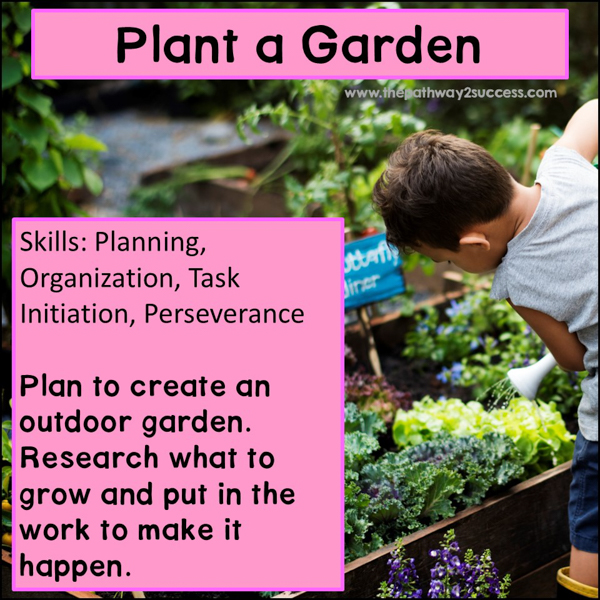
Beyond immediate stress relief and attentional focus, outdoor initiatives offer profound opportunities to develop complex executive functions such as planning, organization, and task initiation. Establishing and maintaining an outdoor gardening project, for example, requires participants to research horticultural requirements, list necessary materials like soil and tools, and organize a sequential timeline for planting and care. This process demands sustained effort, patience, and perseverance over time, culminating in a tangible sense of accomplishment.
Similarly, community-focused projects such as neighborhood park clean-ups or habitat restorations teach responsibility, empathy, and time management. By organizing cleanup efforts and working collectively toward a common goal, participants exercise organizational planning while contributing positively to their local environment.
When physical access to the outdoors is limited, alternative methods—such as journaling about local observations, integrating nature themes into creative arts, or utilizing live wildlife webcams to monitor animal behaviors over extended periods—help maintain this cognitive connection. Live feeds of nesting ospreys, eagles, or zoological habitats allow learners to track ongoing changes in the natural world, fostering sustained attention and cognitive flexibility even from indoors.

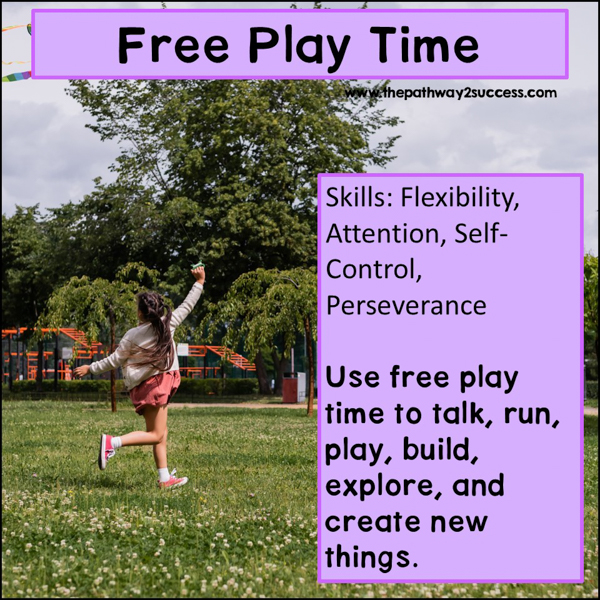
Ultimately, whether through unstructured free play that encourages spontaneous problem-solving and social negotiation, or through quiet contemplation of a changing ecosystem, the integration of nature into daily routines provides a robust framework for developing the mental architecture necessary for lifelong success.



