
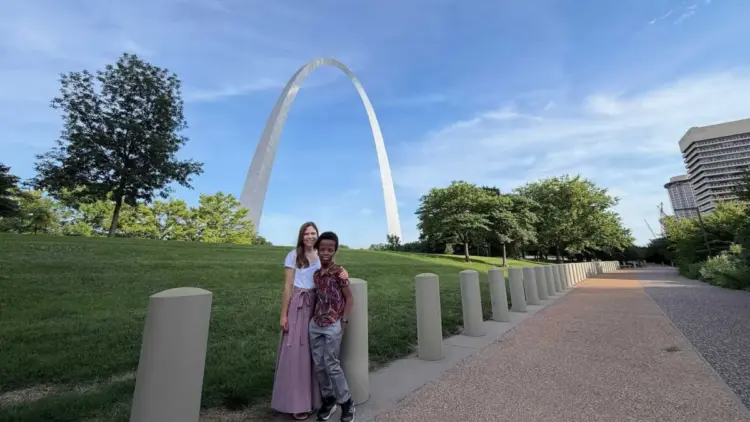
KNOXVILLE, Tenn. — The encounter began with a lingering stare, the kind that seasoned travelers and disability advocates recognize instantly. It was a look that hovered somewhere between a downturned pout and a sympathetic smile, signaling the impending delivery of an all-too-familiar inspirational platitude. For Stevie Morris, who was already well-acquainted with the disability experience through her son, Robert, the cue felt predictable. She braced herself for the standard remarks. Instead, what followed completely dismantled those expectations.
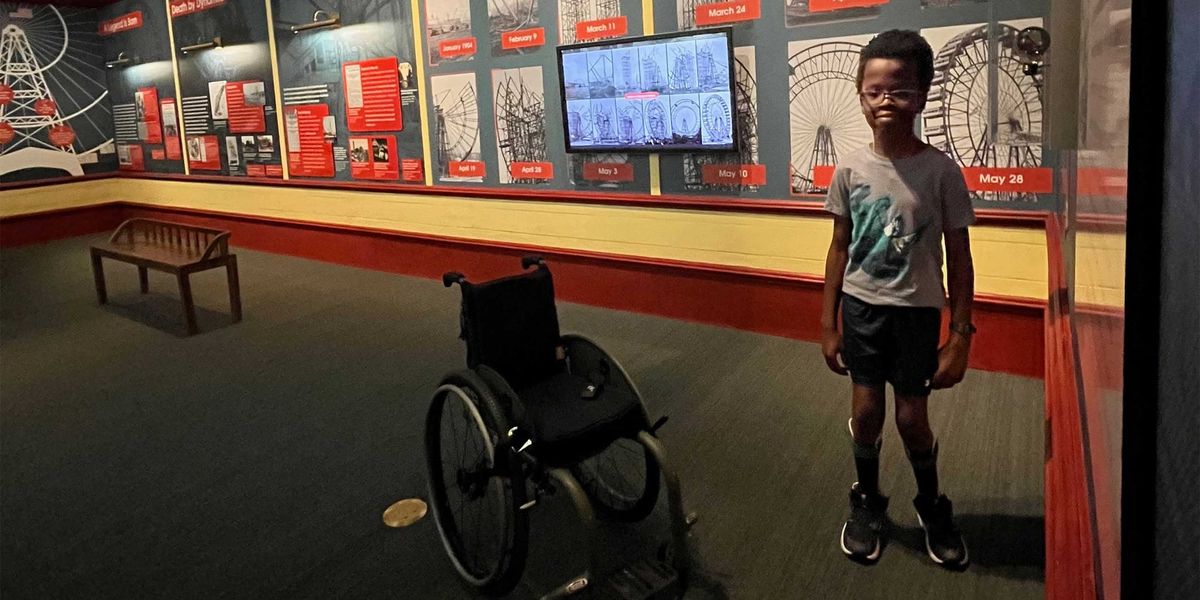
The scene unfolded during the second date between Stevie and John Morris. Enjoying a quiet breakfast before a planned trip to the Knoxville Museum of Art, the couple was relishing the excitement of quality time together. Although their first in-person date had occurred only the night before, their relationship was already rooted in a deep, pre-established friendship built over a long-distance connection.
Amidst this conversation, a staff member abruptly interrupted their meal. Overcome with visible amazement, the employee remarked on the fact that John was responsible for his own food and had managed to retrieve his own juice from the serving station. Then came the exclamation that left Stevie entirely speechless: "He doesn’t even have a whole body!"
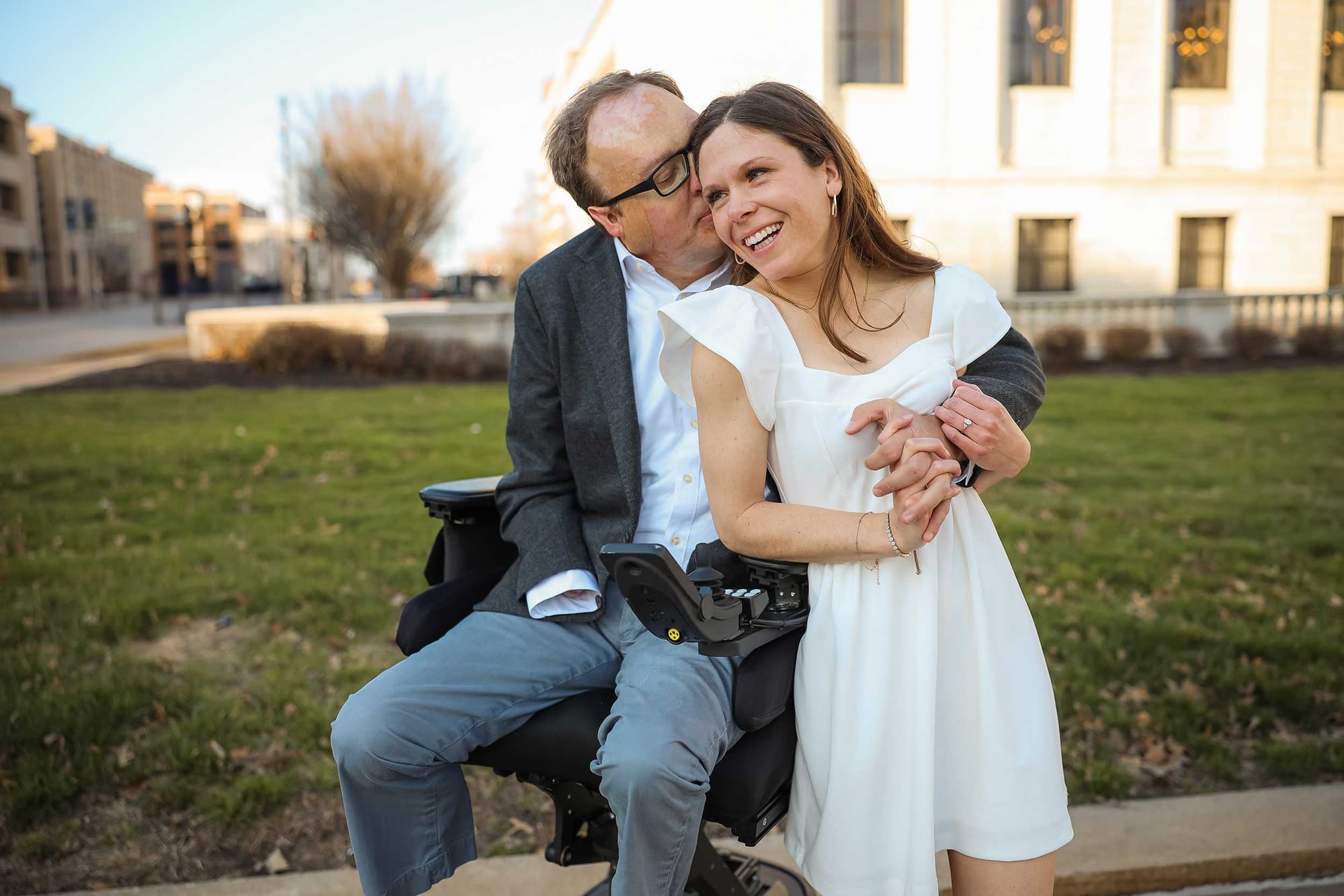
The comment was so remarkably specific and pointed that Stevie found herself momentarily devoid of words. Stifling a spreading grin, she offered a curt head nod, paid for their meal, and briskly left the restaurant. She barely made it past the threshold before bursting into the first of many giggle-fits that John would eventually come to witness.
Finding humor in the sheer absurdity of everyday ignorance has become a cornerstone of Stevie and John’s relationship. While their teenage son, Robert, frequently responds to these shared moments with an adolescent eye-roll, the family understands that humor serves a vital purpose. It is a coping mechanism that helps reframe awkward encounters, though balancing humor with serious advocacy remains a delicate, ongoing process in their household.
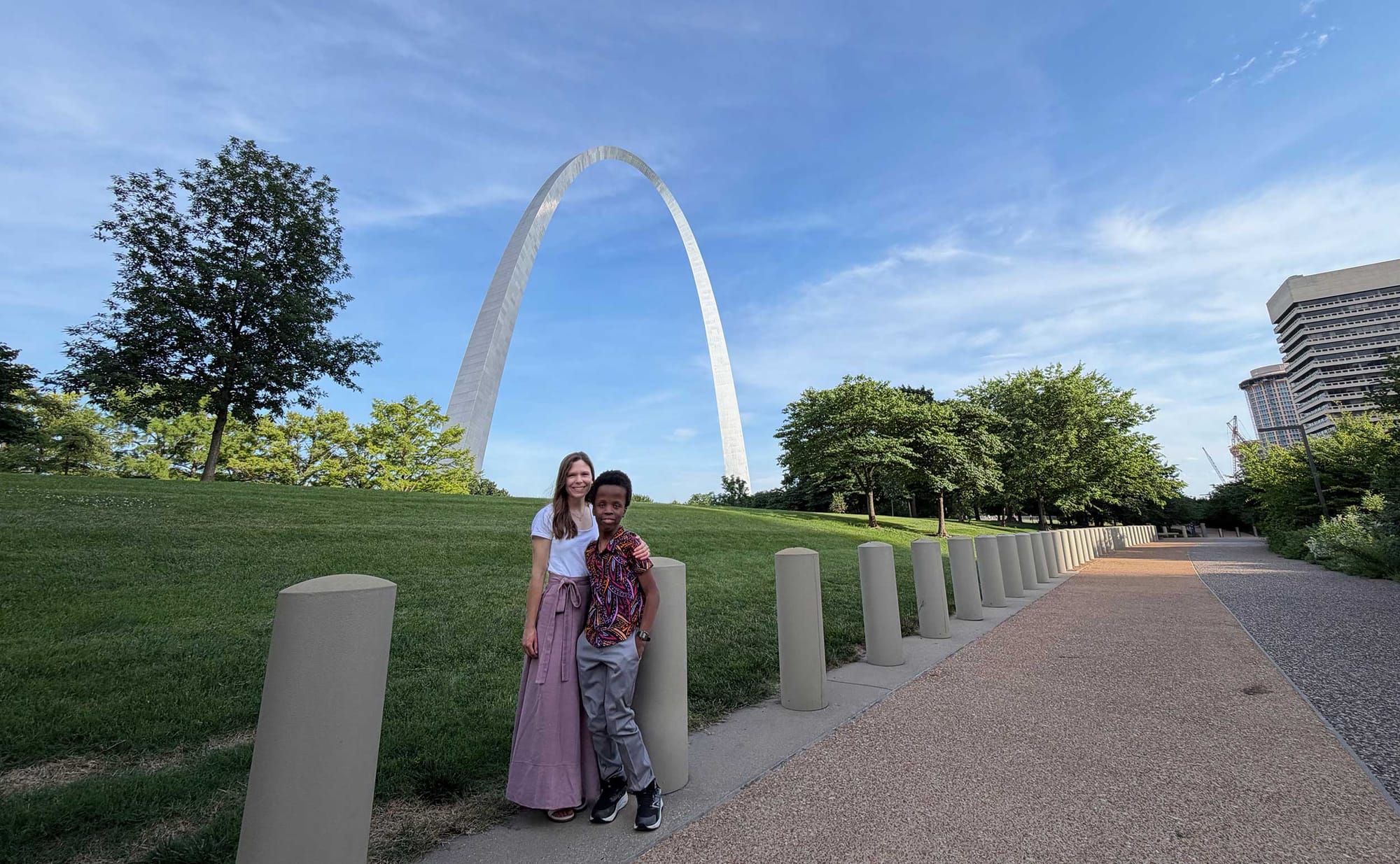
Reflecting on the restaurant incident, Stevie has frequently considered whether she would have reacted differently if Robert had been present, or how she would expect Robert to handle a similar situation. Teaching a young person how to navigate and respond to ableism is a complex, continuous mental exercise. It requires dismantling many of the unspoken social rules that individuals unconsciously adopt simply to function within mainstream society.
Chief among these unwritten social contracts is the societal expectation of politeness—specifically, the notion that ignoring people is inherently rude. Yet, Stevie and John have actively taught Robert that walking away from intrusive, infantilizing, or invasive comments is not only acceptable, but often necessary for self-preservation.
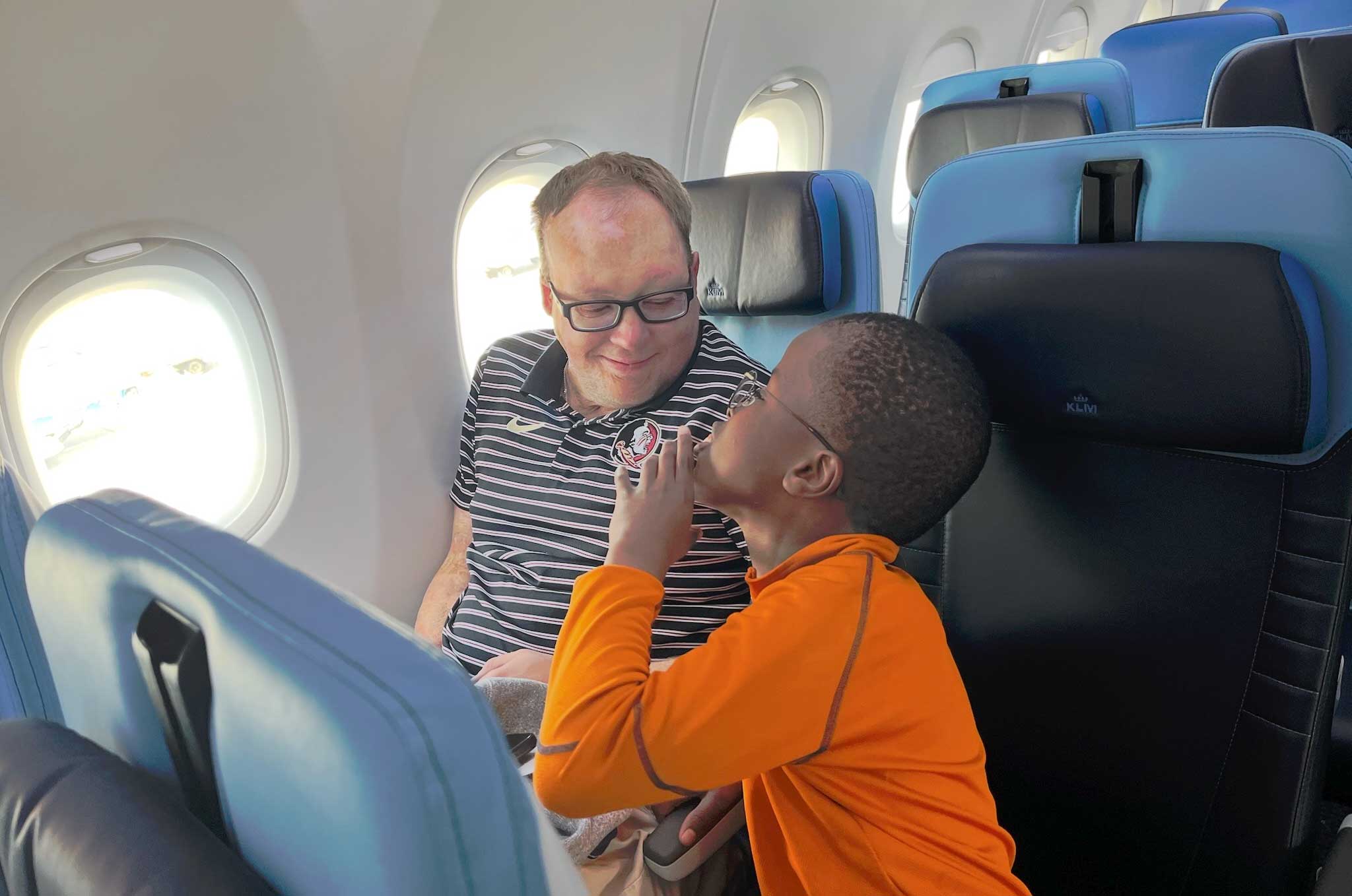
Similarly, society heavily conditions individuals to submit to authority without question. However, John actively models and helps Robert practice prioritizing his own needs while critically evaluating which claims to authority are actually legitimate. A prime example occurs frequently during air travel, where airline wheelchair assistants sometimes demand that passengers with disabilities exit the aircraft before their personal mobility devices have been brought up to the jetbridge. John and Robert routinely decline these unreasonable demands, standing firm against systemic pressures and misguided security claims made by airline staff.
Public interactions often carry an implicit demand for personal medical explanations, with strangers frequently expecting disabled individuals or their families to justify their mobility aids and accommodations. To combat this intrusion, the family maintains a set repertoire of practiced responses, including firm boundaries such as declaring that they do not share personal medical information.

Gratitude is another social norm heavily scrutinized within their household. While cultural standards dictate that disabled people must automatically offer profuse thanks whenever assistance is rendered, Stevie has explicitly told Robert that he is entirely justified in pulling away without a glance if an unauthorized stranger attempts to grab his wheelchair. This dynamic of forced gratitude for basic equal access is a recurring theme in the family’s advocacy and public writing.
Honesty remains a fundamental family value, with one notable exception: the wholesale fabrication of outlandish, humorous backstories regarding how John or Robert acquired their disabilities. When faced with intrusive "What happened to you?" questions from curious strangers, John has occasionally resorted to deadpan explanations involving mythical shark attacks, effectively shutting down inappropriate inquiries with absurdist humor.
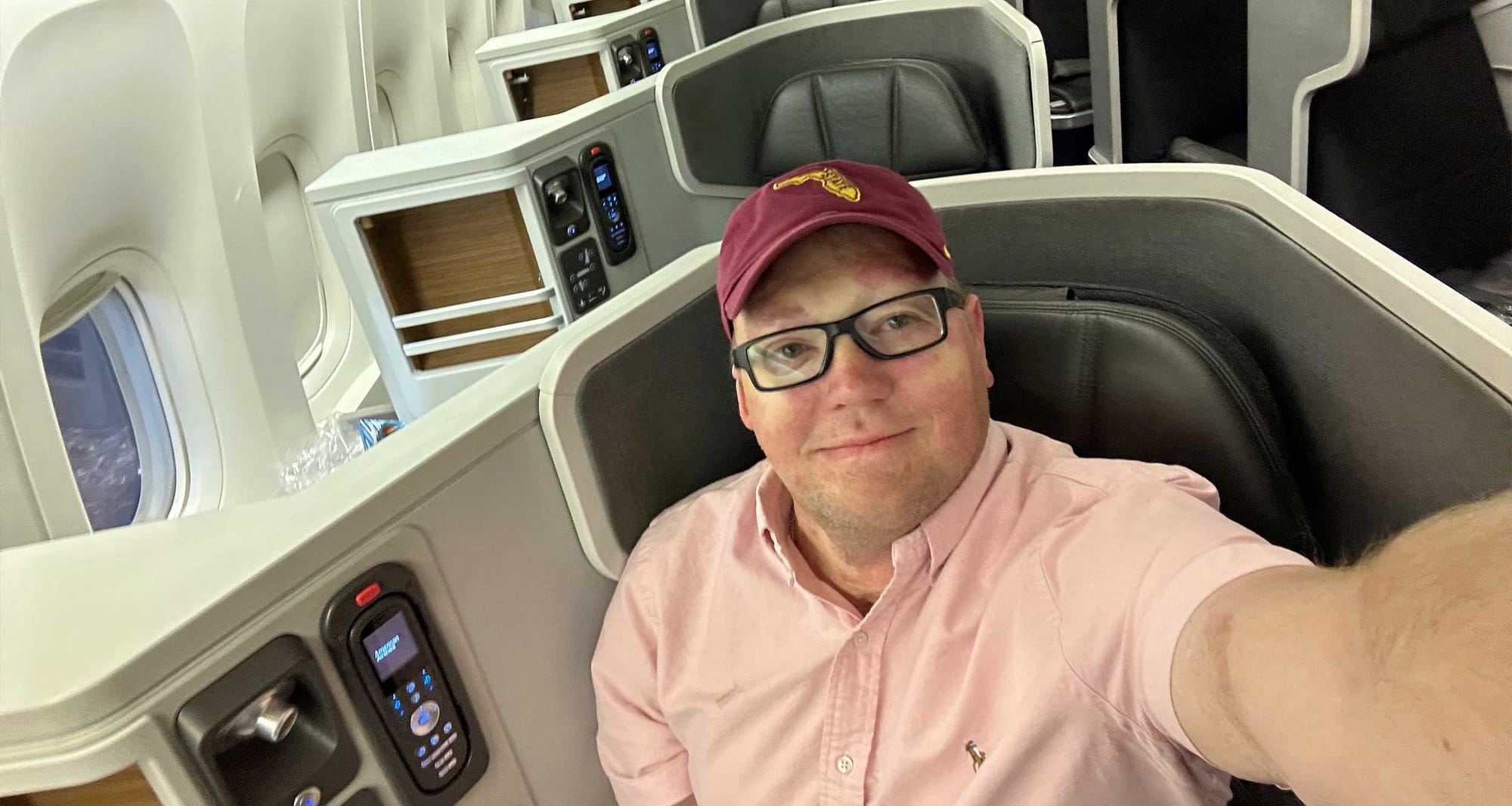
Critics might argue that providing Robert with multiple response strategies or granting him complete agency over how he reacts could complicate how he is perceived by the public. However, Stevie evaluates these concerns against a much longer-term horizon. The choice boils down to a fundamental dilemma: shape a teenager who obediently follows social rules to fit an uncomfortably rigid mold at the expense of his dignity, or foster a young person who may occasionally ruffle feathers but remains authentically committed to self-advocacy. For Stevie and John, the choice clearly favors the greater good of autonomy and self-respect.
Translating a massive societal issue into daily practice is undoubtedly heavy and exhausting work. To maintain focus without succumbing to burnout, Stevie has adopted specific mental shifts, comparing the ongoing fight against ableism to the never-ending chore of doing laundry. Much like washing clothes, addressing ableism is a cyclical process that is never truly finished. There are days when clothes pile up, days when multiple loads are powered through, and times when the task is avoided altogether out of sheer exhaustion. Recognizing that advocacy is an ongoing cycle rather than a single checkbox item has provided a more balanced, sustainable perspective.

Communication remains central to this process. Rather than seeking a single, flawless solution, Stevie and Robert constantly debrief after challenging encounters, discussing what worked, what failed, and how specific comments made Robert feel. These responses naturally evolve as Robert matures, turning problem-solving into a collaborative family effort.
Practical rehearsal also plays a significant role in preparing for high-stress environments. When boarding airplanes became a persistent source of anxiety due to assistance staff moving Robert’s wheelchair without permission, the family practiced alternative responses at home. By role-playing scenarios—with Stevie pretending to be an overzealous assistant and Robert practicing clear, respectful boundaries—the repetition builds the confidence needed to handle real-world friction.
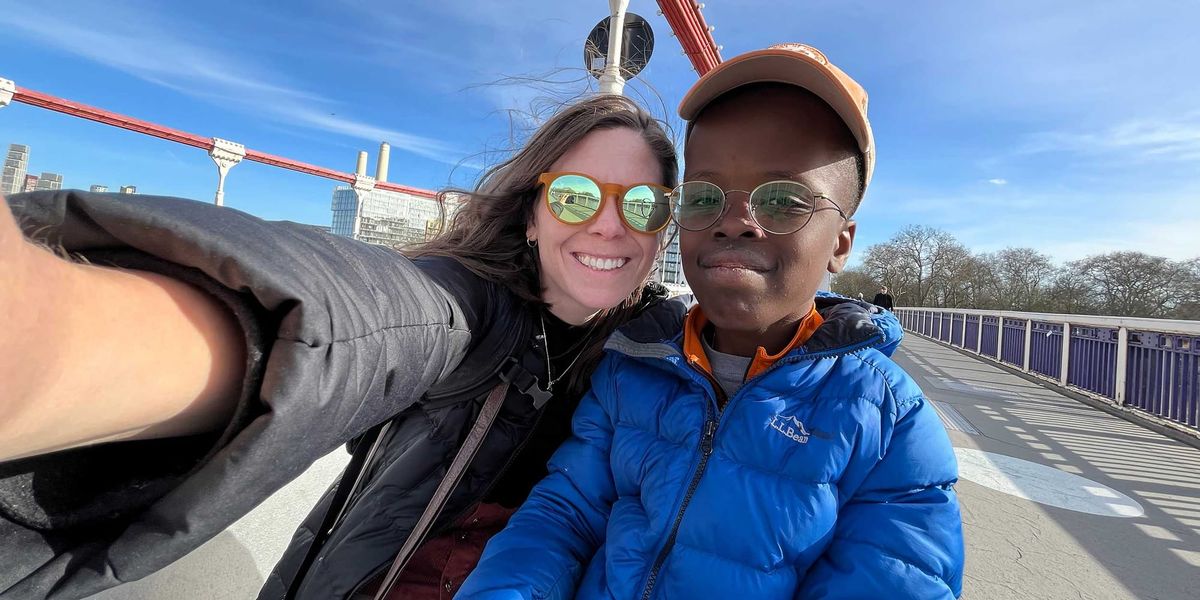
Despite years of experience and a growing repertoire of communication skills, Stevie and John acknowledge that they still stumble, occasionally wishing they had handled an encounter differently. The pressure of constantly evaluating public interactions remains high, particularly as responses to ableism must continuously adapt to shifting factors such as age, race, gender, and the specific nature of a disability. By combining advance planning, flexible approaches, and a healthy dose of humor, the family continues to chart a steady path forward, hoping their experiences will encourage others to navigate similar waters with confidence and resilience.



