
When a diverse group of adolescents comes together in a middle or high school classroom, disagreements, problems, and misunderstandings are an inevitable part of the daily dynamic. A science collaborative group might find themselves at an impasse regarding the correct technique for a laboratory project, a student may feel isolated and left out when peers choose not to work with them, or a learner might experience a sense of disrespect when constantly interrupted during a class discussion. These friction points, while common, highlight an essential reality of educational environments: social and emotional friction is bound to occur wherever young people interact.
However, modern educational frameworks emphasize that effective conflict resolution is not about eliminating disagreements altogether. Rather, the primary goal is to equip children and teens with the practical strategies they need to independently manage these conflicts in healthy, constructive ways. Educators and youth advocates recognize that students must ultimately learn how to talk through a disagreement with a group member, communicate effectively with friends, and navigate complex interpersonal problems with the people around them.
Focusing explicitly on conflict resolution strategies provides students with vital tools for long-term success. Implementing these supports yields a wide array of benefits that extend far beyond simply stopping arguments in the hallway or the back of the classroom. By proactively addressing interpersonal dynamics, educators help pave the way for improved emotional regulation, stronger peer connections, and enhanced academic collaboration.
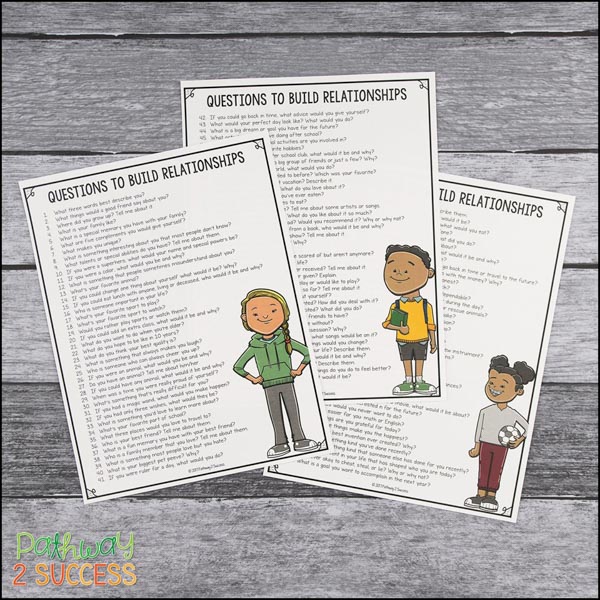
The foundational starting point for building these vital skills begins with a deliberate focus on relationships within the classroom environment. Learning how to navigate through problems with others is inherently challenging—a complex competency that requires continuous refinement for individuals of all ages. Consequently, it is critical that young adults feel a genuine sense of connection to those around them. When students feel a strong bond with their classmates and teachers, working through inevitable problems becomes significantly more manageable. Spending dedicated time on building positive relationships sets the stage for a cooperative and productive classroom culture. While numerous techniques exist to foster these connections, simple methods such as guided group conversations using targeted relationship-building questions can effectively open the door to meaningful dialogue.
Beyond general relationship-building, educators find success by explicitly teaching conflict resolution strategies from the start of the academic term. Taking a proactive approach rather than a reactive one means providing kids and teens with the tools to solve problems before they escalate. Students benefit immensely from understanding that conflict, in and of itself, is not inherently negative. In fact, working through conflicts helps young people communicate more effectively, understand their own personal needs, collaborate with others, and ensure those needs are met appropriately.
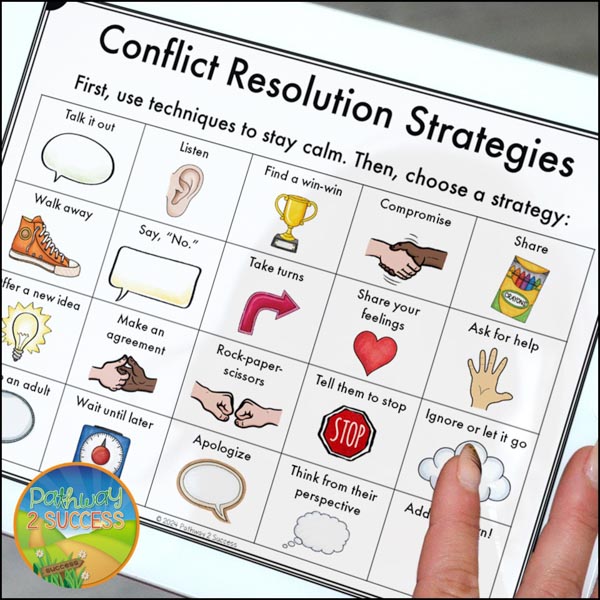
Teens also need to grasp that different strategies apply to different situations. For example, if two students disagree on the best method to solve a math problem, the appropriate response involves talking it through and actively listening to each other’s ideas. Conversely, if a student feels pressured to share their independent project answers with a classmate, that same student must learn to advocate for themselves by asserting a clear and confident "no." Finding the right approach for each unique circumstance requires ongoing guidance, practice, and reflection.
A core component of managing these situations successfully involves the practice of active listening. Active listening requires an individual to genuinely hear, process, and think deeply about what another person is communicating, prioritizing understanding over simply waiting for a turn to speak. Because this skill is critical to peaceful conflict resolution, teachers weave active listening exercises directly into daily academic content and classroom routines.
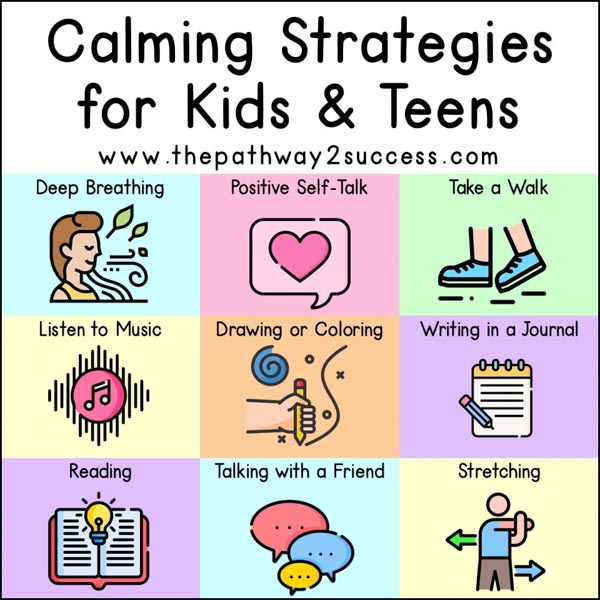
Closely tied to active listening is the necessity of practicing calming strategies. Effective conflict resolution requires emotional equilibrium. From a neurological perspective, when individuals feel overwhelmed, stressed, or upset, a primitive region of the brain known as the amygdala takes over. This area governs the "fight, flight, or freeze" response, which often drives impulsive and reactive behaviors. Conversely, when a student is calm and relaxed, the prefrontal cortex—the area of the brain responsible for higher-level planning, rational thinking, and decision-making—regains control. This rational state is precisely what educators aim to foster to help students make sound choices.
Because middle and high school students possess developing brains, they frequently require additional support and scaffolding to activate their internal sense of calm during periods of stress, such as interpersonal disputes. Educators can help students build this capacity for inner calm through techniques such as deep breathing exercises, positive self-talk, brief conversations with supportive peers, and reflective journal writing. Integrating these calming practices as routine brain breaks between demanding academic tasks helps students internalize the techniques so they can access them during moments of high tension.
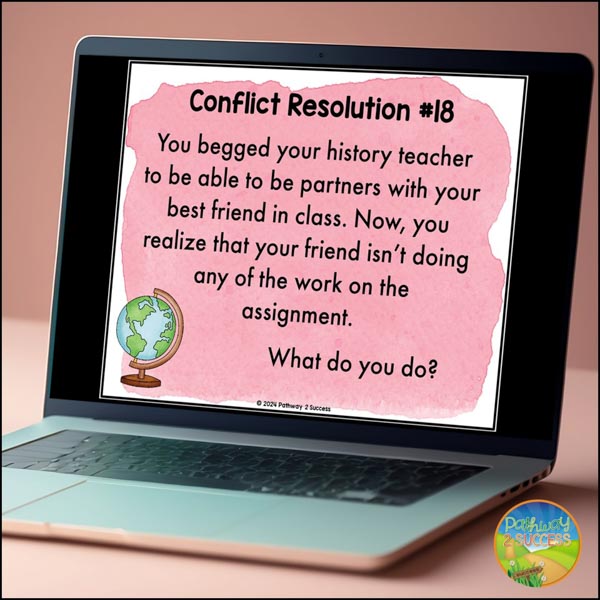
To bridge theoretical concepts with real-world application, teachers frequently utilize conflict scenario discussions. These scenarios offer kids and teens a safe, supportive environment to practice problem-solving. By reading about a realistic dilemma, discussing the underlying issues, and brainstorming healthy resolution strategies, students explore multiple potential solutions. This process encourages dynamic classroom conversations regarding appropriate courses of action and the reasoning behind them.
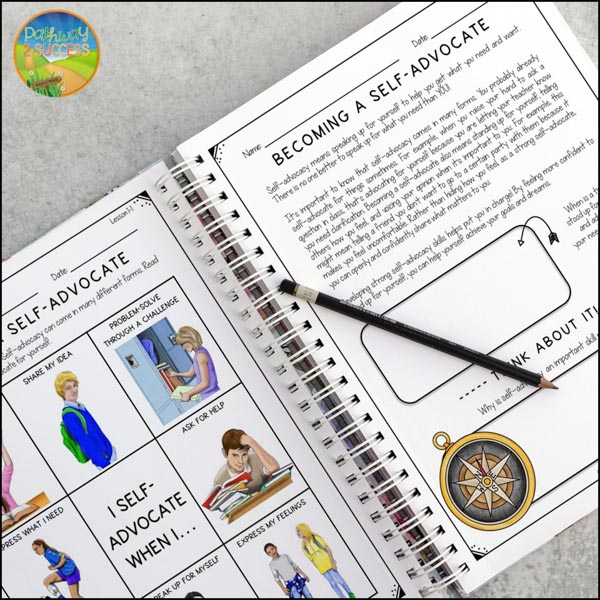
Class meetings serve as another structured avenue for strengthening these competencies. These gatherings provide a predictable forum where students can collectively address classroom concerns, brainstorm collaborative strategies, and participate in choosing peaceful solutions. Parallel to this group work is the vital task of encouraging self-advocacy. Self-advocacy and conflict resolution are deeply interconnected skills; as teens navigate disputes, they must be able to articulate their own needs clearly. This might involve asking an educator for assistance when a concept is unclear or setting firm personal boundaries when feeling uncomfortable.
Integrating regular group work activities challenges students to apply these conflict resolution strategies in real time. By intentionally embedding collaborative projects into the weekly schedule and briefly reviewing expected communication strategies beforehand, teachers create natural opportunities for peer interaction and problem-solving.
Inevitably, differences in opinion will arise regarding topics ranging from academic approaches to everyday preferences. Teaching young adults how to disagree respectfully is therefore a cornerstone of social-emotional learning. Engaging students in discussions surrounding high-interest topics—such as favorite musical genres, historical inventions, or creative preferences—provides an engaging, low-stakes context to practice respectful disagreement and active listening before tackling heavier emotional conflicts.
To reinforce these behaviors continuously, educators often utilize visual reminders, such as dedicated classroom bulletin boards or informational posters. These visual cues serve as constant prompts for the peaceful problem-solving strategies reinforced throughout the curriculum. Finally, incorporating daily reflection time, particularly during the final minutes of the school day, allows students to evaluate their own interpersonal interactions. By considering what went well, what proved challenging, and what adjustments to make moving forward, students build self-awareness and take personal ownership of their actions.
Ultimately, effective conflict resolution in middle and high schools is not about silencing disagreements or pretending friction does not exist. Through consistent strategies, structured supports, and ongoing practice, educators can successfully guide young adults toward managing interpersonal conflicts in the healthiest ways possible.



