

As soon as her lingering stare locked onto John, with her lips caught somewhere between a downturned pout and a sympathetic smile, the expectation in the room was clear. It was time for another all-too-familiar inspirational affirmation—something along the lines of hearing that he was "an angel." Having already been closely adjacent to the disability experience through her son, Robert, Stevie thought she knew exactly what script to expect next. But what came out of the restaurant staff member’s mouth completely caught her off guard.
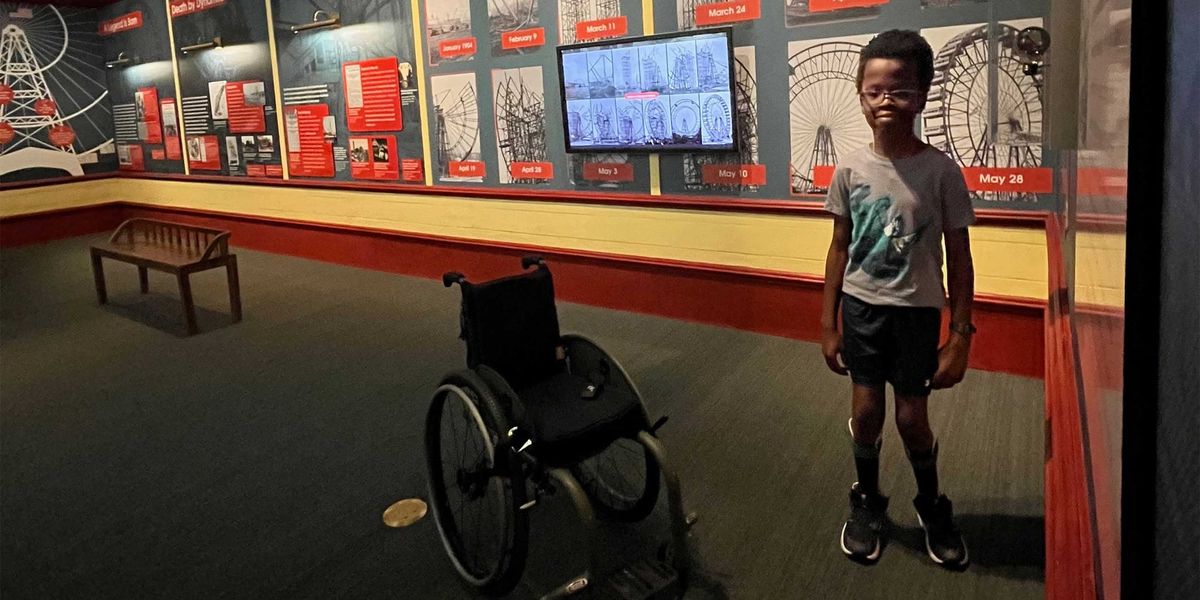
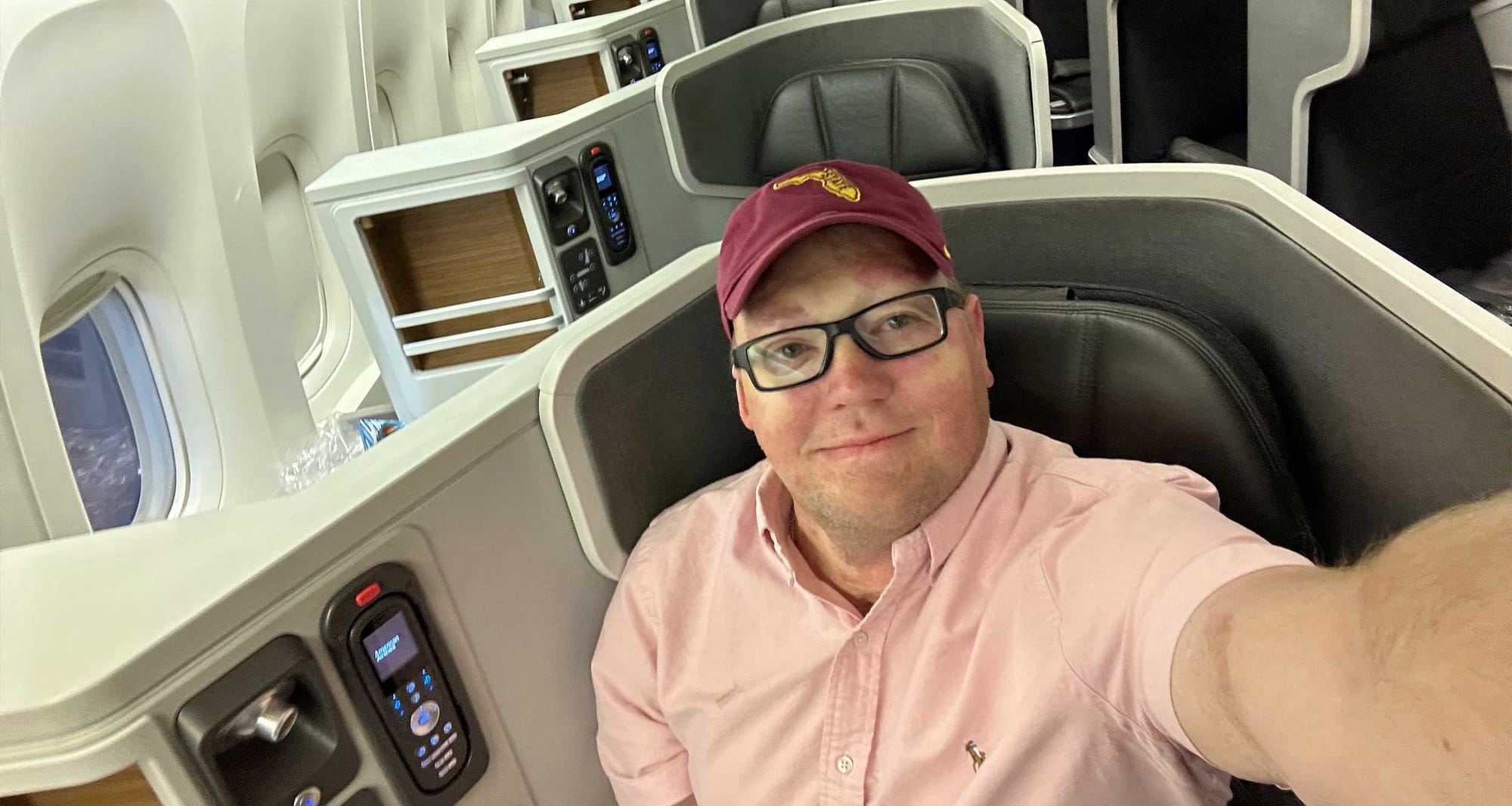
The scene had been set during a breakfast on the second date between Stevie and John, just a day after their first in-person meeting. They were enjoying a quiet morning together in Knoxville before heading to the Knoxville Museum of Art, well past the introductory stages of a relationship built on a deep friendship and an ongoing long-distance dynamic. Amidst the excitement of sharing quality time, a staff member abruptly interrupted them to voice her astonishment that John was capable of managing his own meal and—to her absolute disbelief—retrieving his own juice from the serving station. "He doesn’t even have a whole body!" she exclaimed.
The comment was so pointed and so incredibly specific that it momentarily stripped Stevie of any words. Stifling a spreading grin, she offered a curt head nod and briskly left the restaurant, barely making it outside the door before bursting into the first of many giggle-fits that John would come to witness over time.
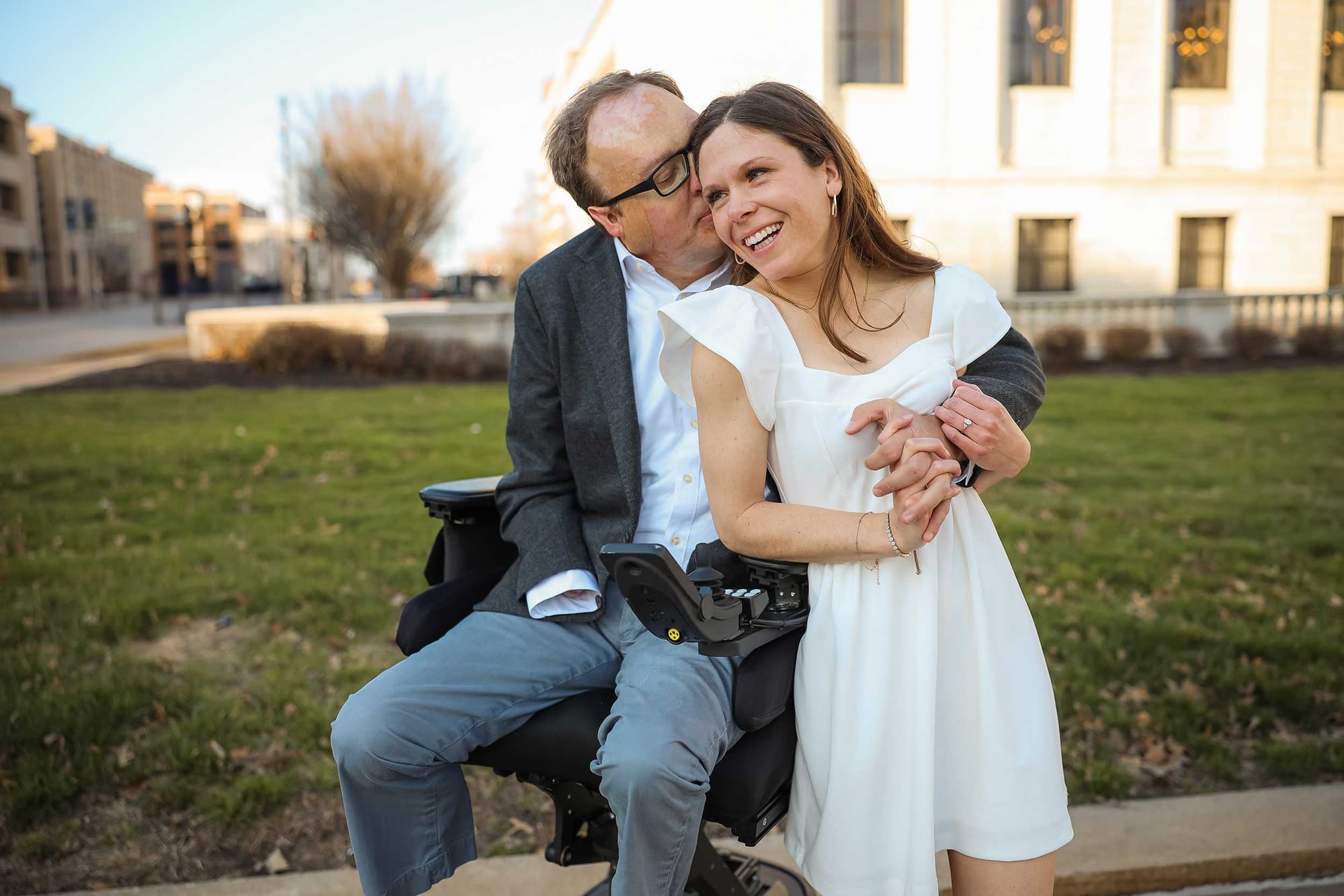
Finding humor in the sheer absurdity of public ignorance has become a staple dynamic between John and Stevie. While it routinely elicits an eye-roll from Robert, they attribute this reaction to normal teenage angst, understanding that the teen ultimately benefits from the levity and shared humor their family brings to everyday moments.
Reflecting on the interaction later, Stevie frequently considered whether she would have reacted differently if she had been alongside Robert, or what kind of response she would have expected from him. Teaching a young person how to respond to ableism is a continuous, mentally demanding task. It requires navigating complex nuances that often directly contradict the social rules children are conditioned to follow as they learn to function in society. Uncovering these hidden biases and guiding Robert through his responses has become one of the most recurring and vital conversations in their parenting journey.
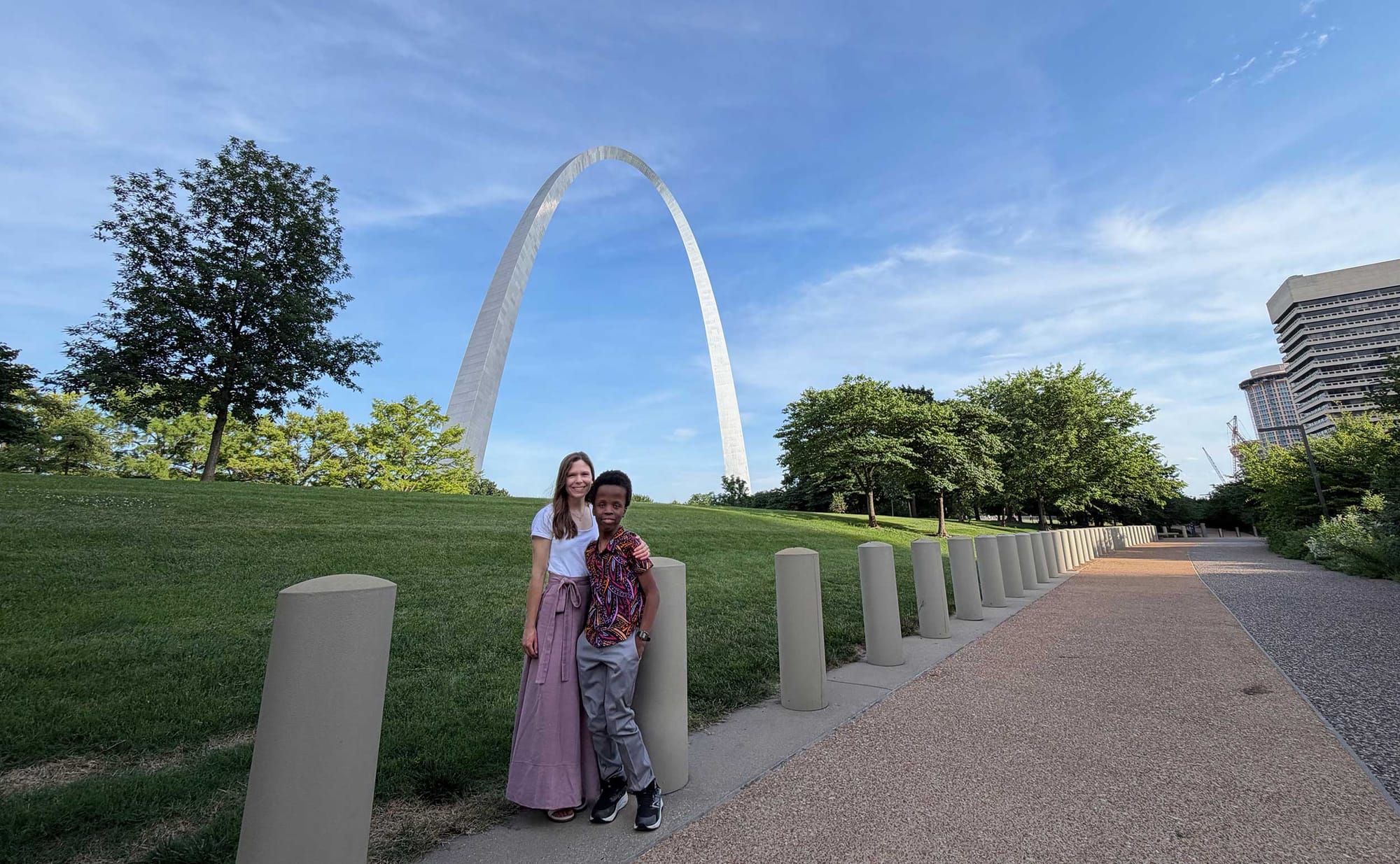
Society heavily conditions children to believe that ignoring people is rude, yet Stevie has explicitly taught Robert that walking away is entirely acceptable when faced with intrusive or infantilizing remarks. Similarly, while children are routinely taught to automatically submit to authority figures, John and Robert model a different approach—one that prioritizes personal needs and critically questions which claims to authority are actually valid.
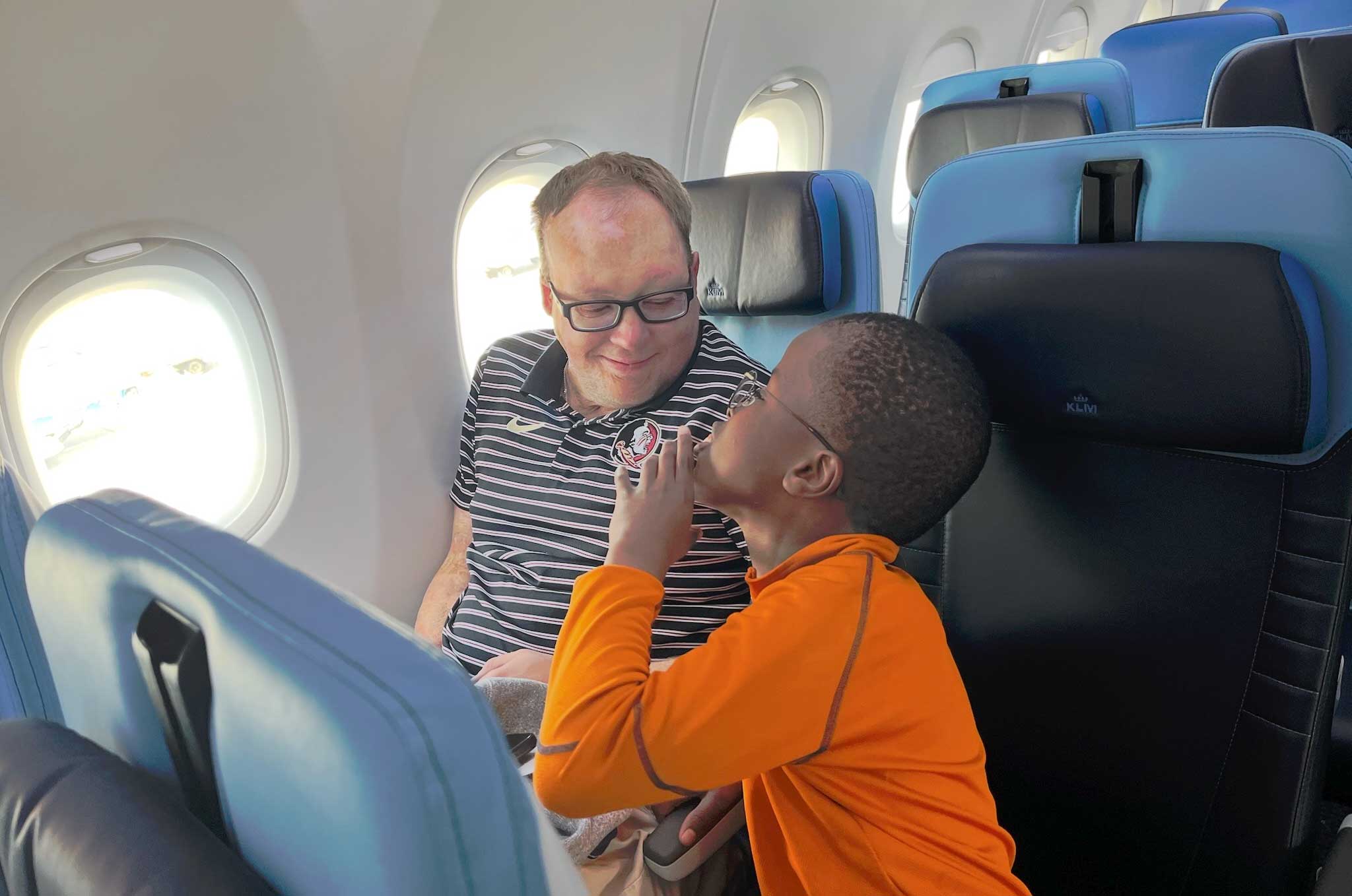
This tension frequently manifests during air travel. When airline wheelchair assistants demand that John and Robert exit an airplane before their personal wheelchairs have been successfully returned to the jetbridge, both travelers rightly decline. Such recurring struggles with airline staff and gate agents highlight the broader, systemic challenges disabled passengers face regarding autonomy and institutional compliance.
Public encounters often carry expectations that disabled individuals will offer unsolicited explanations for their mobility aids and accommodations. To counter this, Stevie and John maintain a set of practiced responses, such as a firm statement that they do not share personal medical information, keeping it ready for deployment when curiosity crosses into intrusion.
Social conditioning also dictates that disabled individuals offer immediate gratitude when receiving assistance, a dynamic Stevie explored in her writing on reasonable accommodations and the societal expectations of gratitude. Where society expects a polite "thank you," Stevie has told Robert that he is entirely justified in pulling away without a glance if an uninvited stranger reaches out to grab his wheelchair.

Honesty remains a core value within their household, with one notable exception: spinning entirely fabricated, highly amusing tales about how John or Robert acquired their disabilities. John has famously used a shark attack as his tongue-in-cheek response to shut down overly intrusive and invasive questions about his leg amputations.
Some outside observers might argue that it would be simpler to enforce a single, uniform response strategy for Robert, or to strip him of his agency in these moments to avoid how he might be perceived by the public. But Stevie and John weigh this against the long-term cost. The choice presented to them as parents is clear: they could help shape a teenager who quietly follows the rules and fits a palatable mold while sacrificing a piece of his dignity, or they could raise a teenager who ruffles feathers but remains resolutely true to himself and capable of self-advocacy. For them, the choice centered on the greater good is obvious.
Translating this philosophy into daily life, however, remains a heavy and often overwhelming undertaking. Confronting a widespread social justice issue through personal, day-to-day interactions is exhausting, prompting Stevie to adopt specific mental shifts to maintain her focus.
One major mental shift involves changing her perspective on the nature of the work itself. Stevie has come to view the fight against ableism much like doing laundry—it is an endless cycle that will never be fully completed, requiring an acceptance of that ongoing reality. Just as households constantly cycle through piling dirty clothes, washing, drying, folding, and putting garments away—sometimes letting the chore pile up for embarrassing amounts of time before powering through multiple loads—combating ableism operates on a similar continuum. Recognizing this cyclical nature rather than treating it like a checkbox on a to-do list provides a more balanced viewpoint. Success is not measured by the final completion of an impossible task, but by steady engagement, occasional rests, and pivoting approaches when bandwidth runs low.

Another crucial strategy centers on discussion and debriefing. A primary tool in their household is the consistent practice of asking questions and examining encounters together. Stevie frequently prompts Robert with questions like what can be learned from a specific interaction, what worked, what failed, and how a particular moment made him feel. Because Robert’s responses and emotional landscape evolve with age and growth, open-ended problem-solving replaces rigid scripts.
Preparation also involves active rehearsal. Once a recurring problem is identified, the family role-plays potential responses using familiar scenarios, creative problem-solving, and even collaborative comic books detailing chosen strategies. For instance, airplane boarding historically presented a high-stress environment where assistance staff routinely assumed control over Robert’s wheelchair without asking. By discussing the best approaches and practicing them at home—with Stevie pretending to be an intrusive staff member and Robert responding clearly and respectfully—the family builds the muscle memory needed to navigate high-stress situations successfully.
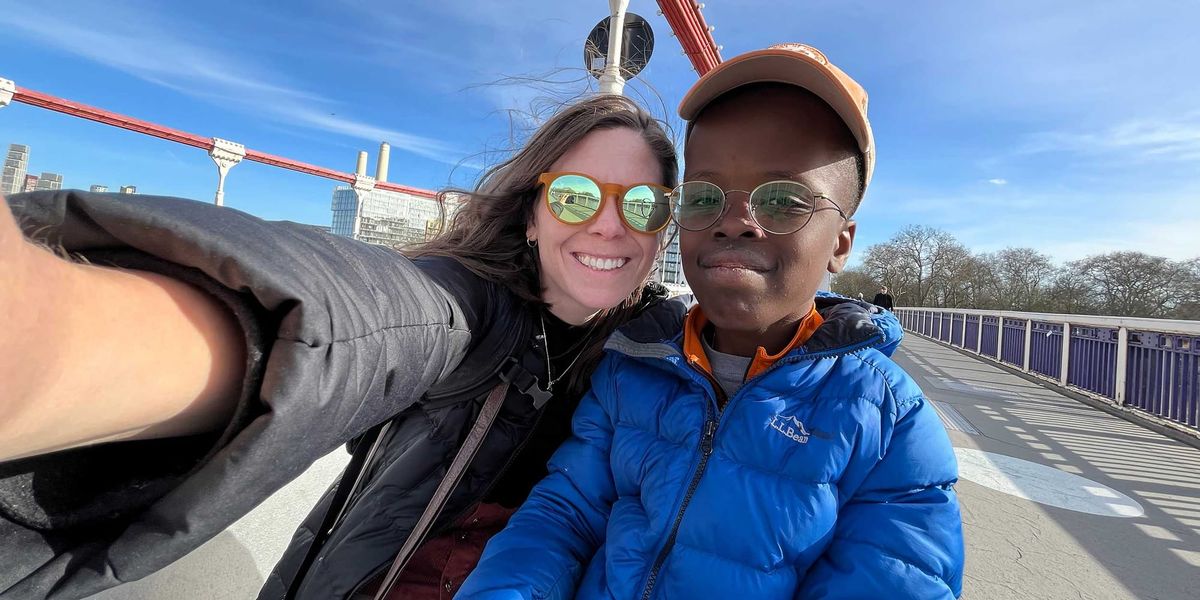
While the family has accumulated a diverse array of skills for responding to ableism, they still occasionally stumble or question whether they should have chosen a different approach. The pressure to constantly evaluate public interactions remains high, particularly given that what is considered an acceptable or effective response can shift depending on factors like age, race, gender, and the specific nature of a disability. By combining advanced planning with a willingness to experiment with different approaches, John and Stevie continue to foster resilience and confidence in Robert as they navigate the complexities of an ableist world.



