
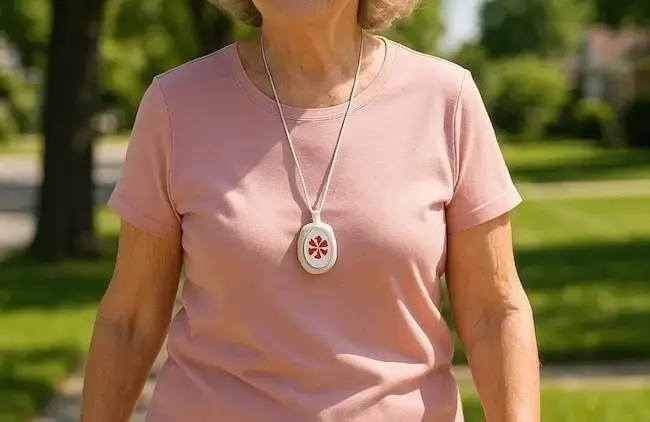
Choosing the right medical alert system, often referred to as a personal emergency response system, can ultimately prove to be a lifesaving decision for seniors and their families. With an expansive array of choices currently available on the market, finding a solution that balances reliable technology, ease of use, and everyday peace of mind requires careful evaluation. Whether the goal is securing an in-home setup to ensure daily safety within a residence or investing in a mobile device equipped with global positioning system tracking to support a more active lifestyle, understanding core features remains crucial for making an informed choice.
Industry experts and caregivers emphasize that evaluating these safety devices involves looking closely at specific operational needs, ranging from automatic fall detection capabilities and monitoring response times to overall cost structures and device wearability. By carefully examining these parameters, families can secure necessary safety measures without unnecessarily compromising the user’s comfort or exceeding household budgets.
Evaluating System Types: In-Home Versus Mobile Solutions
The foundational decision when selecting a personal emergency response system centers on lifestyle and daily routines. Standard in-home systems typically rely on a base unit that connects either to a traditional landline or a cellular network. This setup is generally ideal for older adults who spend the vast majority of their time inside or immediately around the house. Users can typically wander between 800 and 1,400 feet from the base station before the signal drops, providing ample coverage to move from the living room to the backyard garden.

Conversely, mobile and GPS-enabled systems are tailored for active seniors who frequently drive, run errands, travel, or spend time outdoors independently. Cellular-based pendants or smartwatches allow users to leave the house, visit the pharmacy, or take walks without losing service or compromising their personal safety. Furthermore, these mobile devices feature advanced location tracking, which is particularly beneficial for individuals prone to wandering or experiencing cognitive decline.
Hybrid options have also emerged on the market, bridging the gap between fixed and mobile coverage. For instance, recent installations of cellular-connected base stations paired with portable pendants in multi-unit residential buildings—such as apartments in Spokane, Washington—allow users to roam freely throughout their living spaces while maintaining a direct connection to a cellular network rather than a traditional landline. These modern base stations often include built-in battery backups to ensure continuous operation during regional power outages, safeguarding users even when domestic electrical grids fail.
Understanding Fall Detection Technology
Among the most critical technological advancements in personal safety is automatic fall detection. This feature utilizes built-in motion sensors, such as accelerometers and gyroscopes, to recognize the distinct physical dynamics of a sudden fall. When a fall is identified, the system automatically triggers an alert to emergency services, providing a vital safeguard even if the user is rendered unconscious or otherwise unable to press the manual help button.

While standard emergency buttons remain the baseline for most response systems, they strictly require the user to manually initiate contact during a crisis. Fall detection technology adds an extra layer of security, though it typically incurs an additional monthly fee and is most heavily recommended for individuals at high risk for balance issues or mobility impairments. Similar motion-sensing technology is also increasingly integrated into mainstream consumer electronics, such as modern smartphones and smartwatches, serving multi-purpose safety functions for tech-savvy seniors.
Remote Monitoring Services and Response Dynamics
The operational backbone of any medical alert system is the professional monitoring center. Reliable systems rely on 24/7 professional monitoring to ensure that help is accessible at any hour of the day or night. When evaluating providers, response time is a critical metric, with industry standards favoring average connection speeds under thirty seconds.
Additionally, the underlying connection method heavily dictates reliability. Cellular-based monitoring systems are frequently favored over traditional landline-dependent models because they remain fully operational during severe weather events or residential power grid failures, ensuring that emergency communication channels stay open precisely when they are needed most.

Cost Structures and Contract Flexibility
Navigating the financial aspects of personal emergency response systems requires a clear understanding of both upfront and recurring expenses. Upfront costs can vary significantly, with some manufacturers charging for hardware purchase while others supply the equipment at no initial cost under a subscription agreement. Ongoing monthly fees typically range between $20 and $50 depending on the selected feature set, such as basic in-home monitoring versus advanced mobile GPS tracking.
Consumer advocates consistently advise avoiding rigid long-term contracts whenever possible, recommending flexible month-to-month plans instead. Additionally, buyers must remain vigilant about hidden or ancillary fees, including activation charges, cancellation penalties, and extra monthly costs associated with premium features like automatic fall detection.
Usability, Wearability, and Design Considerations
For a medical alert device to be effective, the user must actually wear and use it consistently. Consequently, design factors such as comfort, weight, and water resistance play a significant role in long-term adoption. Pendants and wristbands must be lightweight and appropriately proportioned—neither too bulky to cause wrist discomfort nor too small to handle easily.

Battery life is another critical operational factor, particularly for mobile units that require regular recharging. Reliable mobile devices should maintain power for at least 24 to 48 hours on a single charge. For in-home systems, the physical range of the wearable button must be thoroughly tested to ensure uninterrupted connectivity across every room and outdoor recreational space the user frequents.
Beyond core emergency dispatching, many contemporary systems offer family notification features that alert designated relatives alongside emergency services, as well as integration capabilities with smart home ecosystems. Reviewing independent customer feedback and manufacturer reputations through established consumer protection organizations can further guide families toward dependable providers.
Ultimately, choosing the appropriate medical alert system depends on a careful alignment of personal safety requirements, daily lifestyle habits, and financial parameters. By taking the time to assess these essential elements, seniors and their caregivers can establish a secure environment that preserves both independence and peace of mind.



