As the winter season settles in and communities experience shifting weather patterns, indoor confinement, and the disruptions surrounding holiday breaks, educators, parents, and child development specialists are placing a renewed focus on a vital developmental milestone: self-regulation. Defined as the foundational ability to effectively manage thoughts, feelings, and behaviors, self-regulation enables children to navigate everyday emotions, maintain focus on complex tasks, and foster positive social connections with their peers.
While the skill is crucial year-round, childhood development advocates emphasize that self-regulation strategies become significantly more critical immediately before and after winter breaks. The combination of altered daily routines, a substantial increase in indoor sedentary time, and the underlying stress often associated with the holiday season can leave children and young adults requiring extra emotional and behavioral support. To meet these challenges, schools and homes are increasingly adopting engaging, seasonal approaches that prove managing emotions does not have to feel like a chore.
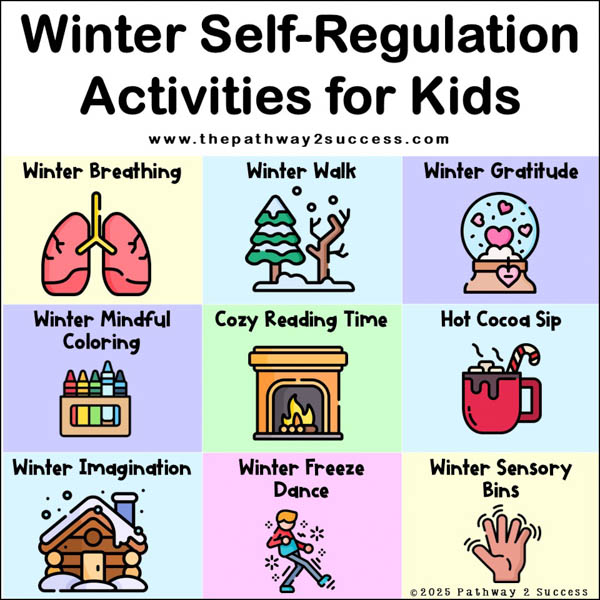
Specialists point out that structured yet enjoyable activities can seamlessly integrate into daily routines to help youth practice self-control. Rather than relying on rigid behavioral management techniques, professionals are introducing a diverse toolkit of ten engaging winter-themed activities designed to ground children emotionally while keeping them stimulated through the colder months.
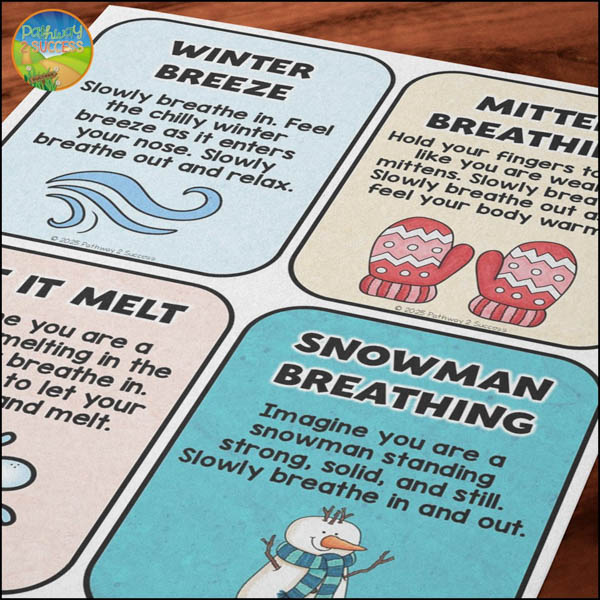
Among the foundational approaches gaining traction are winter-themed breathing exercises. Educators introduce mindful breathing as a practical way for students to hit an internal pause button. By intentionally focusing on inhales and exhales rather than immediately reacting to impulses, children can activate the parasympathetic nervous system—the biological mechanism responsible for true rest and physical relaxation. Scientific research consistently underscores that mindful breathing exercises significantly support self-regulation, enhance cognitive focus, and foster an overarching sense of internal calm that can be accessed at any moment.
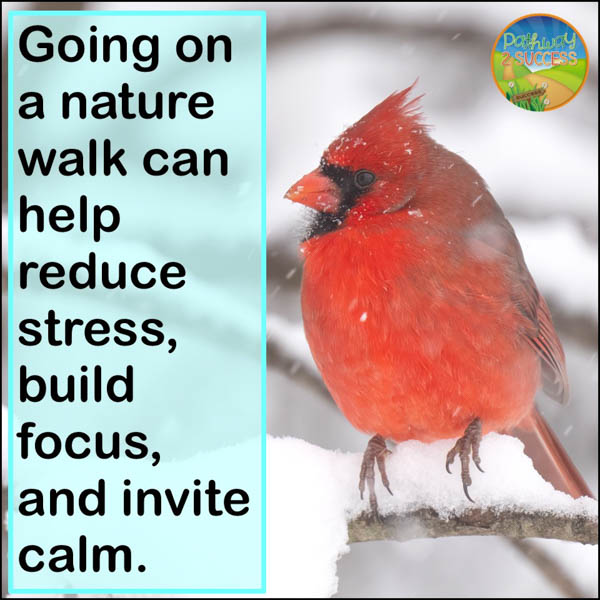
When weather permits, outdoor nature walks provide another evidence-based avenue for emotional stabilization. Educators organize exploration walks that encourage children to heighten their sensory awareness by actively noticing what they see, feel, hear, smell, and taste in their immediate environment. Research demonstrates that spending time immersed in nature helps reduce physiological stress, strengthens attention spans, and improves overall mood. Furthermore, physical movement in the crisp winter air provides essential exercise and exposure to natural daylight, which remains in high demand during darker winter months. When outdoor excursions are unfeasible due to severe weather, similar psychological benefits are sought through nature-themed classroom brain breaks.

To cultivate positive emotional frameworks, seasonal gratitude practices are also being widely implemented. By encouraging children to articulate specific aspects of the winter season they appreciate—ranging from the warmth of sunshine on a chilly day to traditional seasonal pastimes—caregivers help rewire young brains to focus on positive stimuli. Scientific studies confirm that regular gratitude practices yield numerous psychological and physiological benefits, including reduced stress levels, improved mood, enhanced resilience, better sleep quality, and a greater overall sense of well-being.

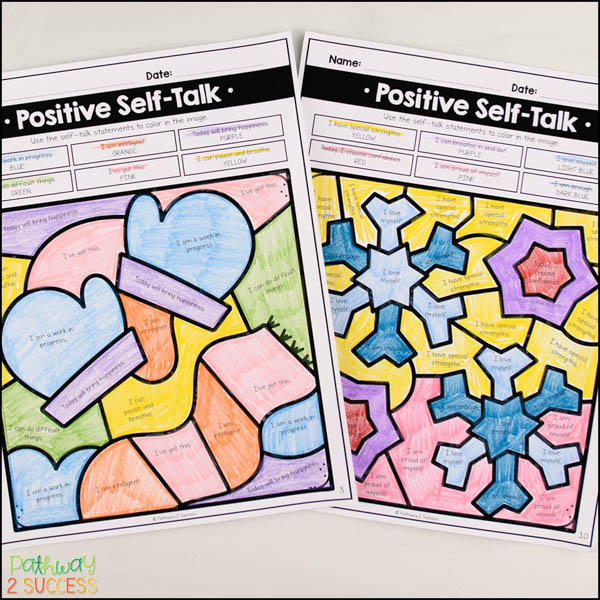
For children who require tactile or creative outlets, mindfully focused activities offer powerful alternatives to traditional meditation. Winter-themed coloring pages featuring positive self-talk phrases allow students to slow down, breathe, and relax without the pressure of producing perfect artwork. Because coloring does not require strict physical stillness, it serves as an exceptionally effective self-regulation strategy for children who process emotions more effectively when engaged in light movement. Similarly, cozy reading sessions—often enhanced by projecting digital fireplaces and utilizing read-aloud formats—help lower stress levels, ease muscle tension, and foster co-regulation and interpersonal connection among groups.
Sensory engagement has emerged as another cornerstone of winter emotional support. Educators and parents are assembling sensory bins filled with winter-themed tactile materials, utilizing hands-on play to promote mindfulness, curiosity, and fine motor development. These tactile experiences are frequently paired with mindful sensory experiences, such as the deliberate sipping of warm hot cocoa. By focusing entirely on the physical sensations of warmth, aroma, and taste, children engage in mindfulness in action, utilizing a warm beverage to naturally relax muscles and signal the central nervous system to calm down.

Beyond tactile and sensory exercises, cognitive visualization and creative arts play an instrumental role in winter emotional health. Guided imagination exercises prompt young people to close their eyes and mentally explore tranquil winter scenes by engaging all five senses, effectively shifting the body into a relaxed physiological state through visualization. Concurrently, hands-on winter arts and crafts projects engage fine motor skills while teaching patience, as children must focus their attention, follow multi-step instructions, and manage frustration when their creative projects encounter minor setbacks.

Auditory strategies also feature prominently in comprehensive self-regulation programs. Playing gentle, winter-themed instrumental music during transitions or independent work sessions creates a calm, focused atmosphere that triggers relaxation responses. This auditory approach is often paired with playful movement games, such as winter-themed freeze dance sessions. By requiring participants to actively dance and immediately freeze upon hearing designated seasonal vocabulary words, such as "snowman" or "icicle," these games build self-control through structured physical listening and impulse control.

As communities continue to adapt to the unique behavioral demands of the winter season, experts emphasize that an array of flexible, engaging strategies remains accessible to support children and teens. By embedding these thoughtful practices into daily schedules, educators and families can help youth navigate seasonal stressors and build lasting resilience.