
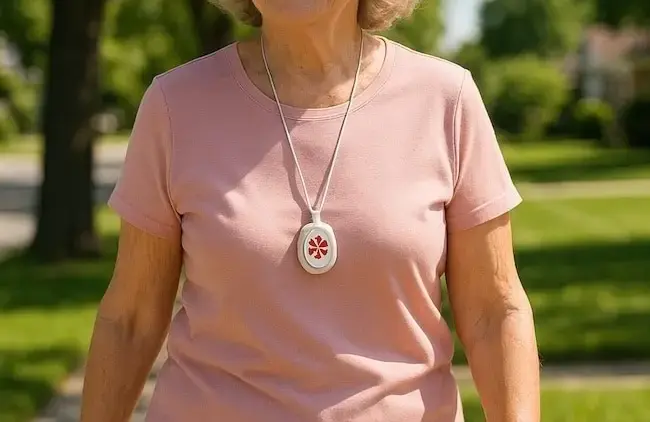
Selecting the right medical alert system, commonly referred to as a personal emergency response system (PERS), has emerged as a critical decision that can profoundly impact the safety and independence of aging adults. With a rapidly growing market filled with diverse technological options, families often find themselves facing a complex landscape when trying to balance reliability, ease of use, and peace of mind. Whether a household requires a traditional in-home unit for daily safety or an advanced mobile device equipped with global positioning system (GPS) tracking to accommodate an active lifestyle, understanding foundational features remains essential for making an informed choice.
Industry experts and caregivers emphasize that evaluating these safety solutions involves looking closely at specific operational capabilities, ranging from automated fall detection and monitoring center response times to overall equipment costs and wearability. By addressing key functional questions, families can secure a reliable safety net that protects vulnerable loved ones without unnecessarily compromising their daily comfort or straining personal finances.
Evaluating System Types: In-Home Versus Mobile Solutions

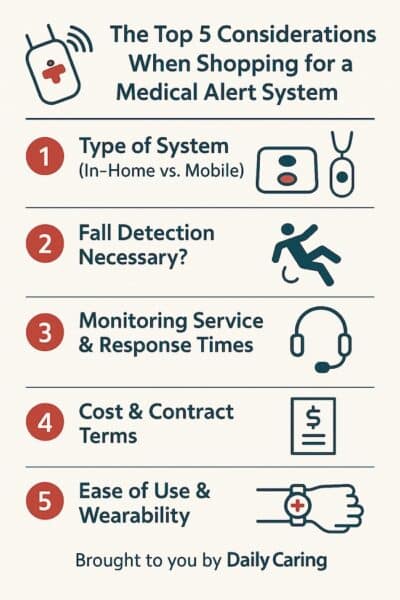
The foundational choice in selecting emergency response technology centers on lifestyle and mobility patterns. Standard in-home medical alert systems typically rely on a base unit that connects to a traditional landline or a cellular network, making them well-suited for seniors who spend the vast majority of their time within the confines of their residence. These traditional setups generally allow users to wander between 800 and 1,400 feet from the base station before the wireless signal drops. For many homebound individuals, this operational range is more than sufficient, often extending far enough into immediate yards or outdoor spaces to handle routine tasks like gardening.
Conversely, mobile and GPS-enabled systems cater to older adults who maintain active routines outside the home. Cellular-based pendants and smartwatches allow users to drive to local appointments, run errands, or visit community centers without losing service coverage or emergency protection. These wearable devices incorporate advanced location tracking, which proves particularly valuable for individuals prone to wandering or experiencing cognitive decline, ensuring that emergency responders can locate them swiftly regardless of their distance from home.
Hybrid options have also entered the market to bridge the gap between fixed and mobile configurations. For instance, recent deployments of cellular-connected base stations paired with wearable pendants in modern apartment complexes demonstrate how technology adapts to housing developments that lack traditional landline telephone jacks. These base units often include built-in battery backups designed to maintain functionality during unexpected power disruptions.
Understanding Automatic Fall Detection

Among the most heavily debated features in personal emergency response technology is automatic fall detection. This specialized capability utilizes built-in motion sensors, including accelerometers and gyroscopes similar to those found in modern smartphones and smartwatches, to identify sudden changes in position associated with a fall. When a fall is detected, the system automatically signals emergency services even if the user is unconscious or unable to press the manual call button.
While standard emergency buttons remain the baseline for most systems, industry advocates note that they require conscious effort from the user during a crisis. Fall detection technology introduces an extra layer of security for high-risk individuals, though it typically involves an additional monthly fee added to the standard service subscription.
Monitoring Services and Response Times
The backbone of any medical alert system is the remote monitoring service that answers distress calls around the clock. When evaluating providers, experts advise families to look closely at the average response times of the monitoring centers, noting that connection speeds under thirty seconds are widely considered the gold standard for emergency intervention. Furthermore, the underlying connection method plays a vital role in reliability. Cellular-based systems have largely surpassed traditional landline setups in popularity because they remain fully operational during severe weather events or residential power failures that might otherwise disable landline communications.

Navigating Costs and Contract Terms
Financial considerations often dictate the feasibility of long-term medical alert usage. Upfront expenses vary significantly among providers; some companies charge separate fees for equipment purchase or rental, while others bundle the hardware into promotional subscription packages. Monthly service fees typically range from $20 to $50 depending on the inclusion of premium features like GPS tracking or fall detection.
Consumer advocates consistently recommend avoiding long-term binding contracts whenever possible, favoring flexible month-to-month service agreements that allow families to adjust or cancel services as care needs evolve. Additionally, buyers are encouraged to scrutinize potential hidden charges, such as activation fees, equipment return shipping costs, or cancellation penalties.
Usability, Comfort, and Daily Wearability

A medical alert device can only save a life if the user actually wears it. Consequently, physical design factors—such as lightweight construction, waterproof ratings, and overall ergonomics—play a major role in user compliance. Pendants and wristbands must strike a balance in size, avoiding bulky designs that cause discomfort or draw unwanted attention.
For mobile devices, battery life remains a critical operational metric, with acceptable models requiring recharging intervals of at least 24 to 48 hours to prevent unintended gaps in protection. Setup procedures should also remain straightforward, offering clear instructions that accommodate the technological familiarity levels of older adults and their family caregivers.
Broader Industry Context and Expert Perspectives
As the demographic landscape shifts toward an aging population, the market for personal emergency response systems continues to evolve through integration with broader smart home ecosystems and family notification networks. Modern devices increasingly feature auxiliary alerts that notify designated family members simultaneously with professional monitoring centers, while others interface with voice-controlled smart home assistants.
Professionals in the healthcare and senior advocacy sectors maintain that choosing the appropriate system ultimately hinges on a realistic assessment of an individual’s physical environment, cognitive status, and daily habits. Thorough research into provider reputations, consumer reviews, and specific technological limitations ensures that families invest in solutions that genuinely support safety and dignity while respecting personal autonomy.



