

Purchasing a medical alert system is widely recognized as a straightforward investment in personal safety, yet navigating the maze of payment options requires precise and often elusive information. For many seniors and family caregivers embarking on the journey to secure an emergency response device, a common assumption is that federal healthcare programs will foot the bill. However, the reality of medical alert system financing is far more fragmented, leaving many to wonder how they will manage the out-of-pocket costs associated with aging safely at home.
For those actively researching how to pay for personal emergency response systems, coverage depends almost entirely on an individual’s specific insurance plan, state of residence, and veteran status. While the technology itself has evolved to offer everything from fall detection to GPS tracking, the administrative pathways for funding these life-saving devices remain convoluted and heavily dependent on bureaucratic definitions.
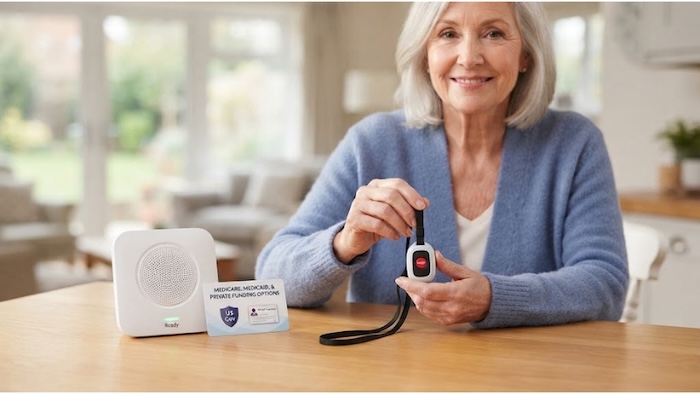
Understanding what government and private entities will cover regarding personal emergency response systems requires looking closely at how different insurance models classify the technology. Original Medicare, which encompasses Parts A and B, maintains a strict definition regarding what constitutes medical equipment. The short answer for Original Medicare is that it offers no coverage whatsoever for medical alert systems. The Centers for Medicare and Medicaid Services do not classify these personal emergency response tools as durable medical equipment because they are not deemed medically necessary under traditional guidelines. Consequently, seniors relying solely on Original Medicare will find themselves paying the entire cost out of pocket if they choose to install a system in their homes.
The financial landscape shifts somewhat when examining Medicare Advantage, also known as Part C. Because these alternative plans are administered by private insurance companies rather than the federal government, they possess the flexibility to offer supplemental health benefits that go beyond standard Medicare provisions. A growing number of Medicare Advantage plans now offer partial or full cost coverage for medical alert systems, a strategy increasingly adopted by insurers aiming to prevent costly hospital readmissions stemming from unassisted falls. Despite this flexibility, coverage is far from universal. Policyholders must meticulously check their specific summary of benefits documents or communicate directly with their insurance providers to confirm whether a particular device or brand qualifies under their plan.
For individuals who rely on Medicaid, the coverage framework offers more robust potential, but it is accompanied by stringent conditions. Under Medicaid’s Home and Community-Based Services waivers, numerous state programs cover the cost of medical alert systems specifically to help older adults age in place rather than forcing a transition into a nursing facility or institutional care setting. Because Medicaid is jointly funded and administered at the state level, coverage rules and availability vary drastically depending on where a person lives. Seniors or their advocates must apply specifically for the waiver program applicable to their state of residence. When approved, Medicaid typically steps in to pay the monthly monitoring fee directly to the chosen vendor, though these arrangements may restrict beneficiaries to a limited selection of pre-approved equipment brands.

Among all government-backed avenues, veterans arguably have the clearest and most direct path to full coverage. The Department of Veterans Affairs provides personal emergency response systems to eligible veterans at zero cost. Rather than purchasing a system independently and seeking a cumbersome reimbursement, qualifying veterans must request a formal consultation with their primary care provider within the VA health network. If the medical provider determines that a system is clinically necessary for the veteran’s safety and well-being, the VA orders the equipment directly through an approved commercial vendor. In these cases, the Department of Veterans Affairs assumes the financial responsibility for both the underlying hardware and the ongoing monthly monitoring fees.
When government assistance programs fall short or are unavailable, individuals often turn to alternative funding methods to mitigate their expenses. Flexible Spending Accounts and Health Savings Accounts can sometimes be utilized to purchase medical alert technology, depending on the specific rules governing the account and whether a physician has provided a formal letter of medical necessity. Additionally, local community resources, such as regional Area Agency on Aging offices, frequently maintain small grant programs or resource lists to help older adults acquire necessary safety infrastructure.
For many families, navigating these options while managing the daily demands of caregiving adds a significant layer of stress. Caregiving is inherently exhausting, and battling with insurance companies or deciphering bureaucratic guidelines only amplifies that burden. Experts in elder care continually emphasize the importance of researching coverage options long before a crisis occurs. Waiting until after a severe fall or medical emergency to figure out how to pay for a personal emergency response system often leads to rushed decisions and unnecessary financial strain.

Proactive planning involves contacting health insurance providers well in advance to inquire whether modern medical alert systems are integrated into specific Part C policies or state Medicaid waivers. When insurance policies ultimately deny coverage, families frequently utilize flexible spending accounts, reach out to local aging resources, or absorb the cost as a necessary household expense. For countless households, a medical alert system is not merely an optional gadget, but an absolute requirement for aging safely in a familiar environment. When weighed against the devastating physical, emotional, and financial toll of an undetected medical emergency, the monthly cost of monitoring services remains relatively negligible.
As policy landscapes shift and healthcare options continue to evolve, staying informed remains the most effective tool for seniors and caregivers alike. Consulting with licensed insurance brokers, financial planners, or elder law specialists can provide clarity tailored to individual circumstances, ensuring that older adults can maintain their independence with confidence and security.



