

Purchasing a medical alert system is widely recognized as a straightforward investment in personal safety, yet navigating the maze of payment options requires precise information. Many seniors and family caregivers frequently assume that federal healthcare programs will automatically foot the bill for these personal emergency response systems, commonly known as PERS. However, the reality of funding these devices is far more fragmented and complex than many anticipate.
For families researching how to pay for medical alert systems, coverage depends entirely on an individual’s specific insurance plan, state of residence, and veteran status. Understanding what government and private entities cover regarding these life-saving devices can prevent unexpected out-of-pocket expenses during a time when safety and financial clarity are paramount.
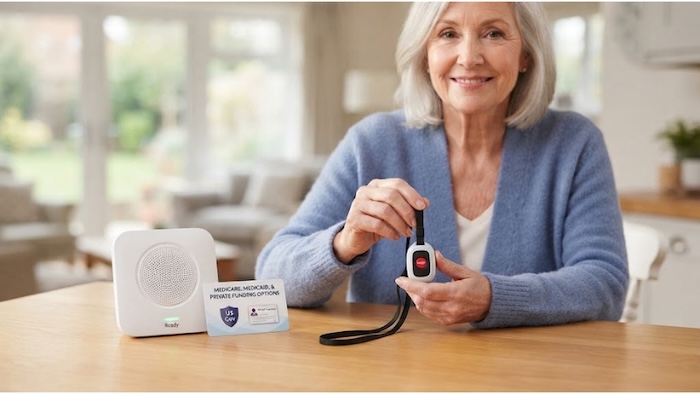
The core issue stems from how government programs classify personal emergency response technology. For Original Medicare, which includes Parts A and B, the short answer regarding coverage is a definitive no. The Centers for Medicare and Medicaid Services do not classify medical alert systems as Durable Medical Equipment, or DME. Because these emergency pendants and base stations are not deemed strictly medically necessary under standard Original Medicare guidelines, policyholders must pay one hundred percent of the cost out of pocket if this represents their only source of healthcare coverage.
The landscape shifts somewhat when examining Medicare Advantage, also known as Part C. Because private insurance companies administer these alternative plans, they possess the structural flexibility to offer supplemental health benefits that traditional Medicare lacks. Some Medicare Advantage plans cover partial or full costs for medical alert systems, largely because insurers recognize that preventing a catastrophic fall can avert costly hospital readmissions. Seniors and caregivers reviewing these options must carefully check their specific Summary of Benefits document or contact their insurance provider directly to confirm whether a particular device qualifies for coverage under their plan.
Beyond standard Medicare options, Medicaid offers a more robust path toward coverage, though it remains highly conditional and dependent on geographic location. Under Medicaid’s Home and Community-Based Services, or HCBS, waivers, numerous state governments cover the cost of medical alert systems specifically to help older adults age safely in place rather than transition prematurely into a nursing facility.

Because Medicaid is administered at the state level rather than federally, coverage rules vary dramatically from one state to the next. Individuals seeking assistance must apply for the specific waiver program operating within their state of residence. When approved, Medicaid typically pays the monthly monitoring fee directly to the authorized vendor, though these programs frequently restrict which equipment brands and hardware models participants are allowed to choose.
For military veterans, the path toward full coverage is notably more direct and reliable. The Department of Veterans Affairs provides medical alert systems to eligible veterans at absolutely no cost. Veterans do not need to purchase the system themselves and subsequently seek reimbursement; instead, they must request a formal consultation with their assigned VA primary care provider.
If the healthcare provider determines that a medical alert system is clinically necessary for the veteran’s safety and well-being, the VA will order the equipment directly from an approved vendor. Under this arrangement, the Department of Veterans Affairs covers both the physical hardware and the ongoing monthly monitoring fees, lifting a significant financial burden off the shoulders of aging veterans and their families.

For individuals who do not qualify for government assistance through Medicaid or the VA, alternative avenues exist to help lower out-of-pocket expenses. Families frequently utilize Flexible Spending Accounts, or FSAs, and Health Savings Accounts, or HSA accounts, to purchase these systems using pre-tax dollars. Local resources, such as regional Area Agency on Aging offices, often provide guidance or localized grant programs to help seniors secure safety technology.
Caregiving is inherently exhausting, and fighting with insurance companies can add an overwhelming layer of stress to an already difficult daily routine. Original Medicare leaves caregivers largely unsupported on this front, forcing families to navigate a frustrating maze of private Advantage plans, conditional Medicaid waivers, and VA bureaucracy. Experts strongly advise against waiting for a catastrophic fall or medical emergency to figure out coverage options.
Proactive planning involves contacting health insurance providers well in advance to inquire whether modern medical alert systems are covered under a specific Part C policy or Medicaid waiver. If an insurance company ultimately denies coverage, exploring alternative funding methods like FSAs, local aging agencies, or direct out-of-pocket purchase remains vital. For many households, a medical alert system is an absolute requirement for aging safely at home, where the modest monthly cost is negligible compared to the devastating physical and financial toll of an undetected emergency.



