

Purchasing a medical alert system is a straightforward investment in personal safety, but navigating the payment options requires precise information. Many seniors and caregivers assume federal healthcare programs will foot the bill, yet the reality on the ground is far more fragmented. For families trying to piece together a reliable safety net for aging loved ones, understanding how to pay for these devices depends entirely on specific insurance plans, state of residence, and veteran status.
As the population ages and more families look for ways to support older adults aging in place, personal emergency response systems, commonly known as PERS, have become a cornerstone of home safety. However, the financial burden of purchasing and maintaining these systems often falls unexpectedly on households that are already stretched thin by caregiving costs. Examining what government and private entities actually cover reveals a complex landscape where assumptions can easily lead to unexpected out-of-pocket expenses.
Understanding Medicare Coverage for Personal Emergency Response Systems
When it comes to Original Medicare, covering Parts A and B, the answer for those seeking financial assistance for medical alert systems is a definitive no. The Centers for Medicare & Medicaid Services do not classify medical alert systems as Durable Medical Equipment. Because these monitoring devices and pendants are not deemed medically necessary under traditional Original Medicare guidelines, policyholders must pay one hundred percent of the cost out of pocket if this serves as their sole form of health insurance coverage.
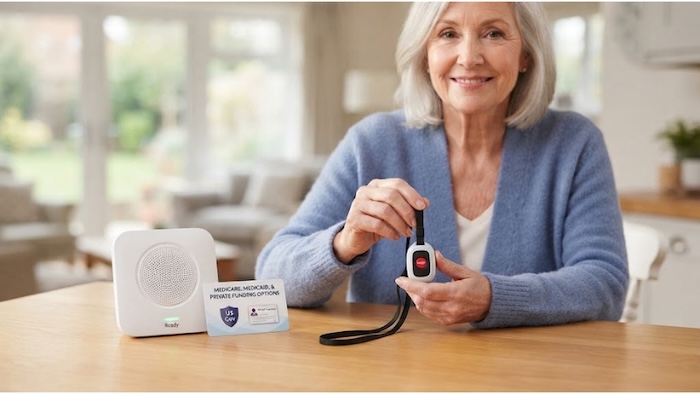
The financial equation shifts somewhat when examining Medicare Advantage, or Part C, plans. Because these alternative health plans are administered by private insurance companies rather than the federal government, they possess the flexibility to offer supplemental benefits that go beyond standard Medicare offerings. Some Medicare Advantage plans cover partial or full costs for medical alert systems, often viewing them as a proactive measure to prevent costly hospital readmissions stemming from unassisted falls or medical emergencies. To determine eligibility, policyholders must review their specific Summary of Benefits document or contact their insurance provider directly to confirm whether a chosen device qualifies under their policy terms.
Medicaid and Home and Community-Based Services Waivers
Medicaid offers a more robust framework for coverage, though access remains highly conditional and dependent on geographic location. Under Medicaid’s Home and Community-Based Services waivers, numerous states cover the cost of medical alert systems as part of broader initiatives designed to help seniors age safely in their own homes rather than transitioning prematurely into costly nursing facilities or institutional care settings.
Because Medicaid is administered at the state level rather than through a uniform federal mandate, coverage rules vary dramatically across state lines. Families must apply for specific waiver programs operating within their state of residence. When approval is granted, Medicaid typically pays the monthly monitoring fee directly to the approved equipment vendor. However, these programs frequently restrict which equipment brands and hardware models families can choose from, limiting options to approved state contractors.

Department of Veterans Affairs Benefits for Medical Alert Systems
For eligible veterans, the pathway to acquiring a medical alert system with full financial coverage is notably clearer than civilian routes. The Department of Veterans Affairs provides medical alert systems to qualifying veterans at absolutely no cost. Unlike programs that require purchasing equipment upfront and seeking reimbursement later, the VA process requires a formal clinical evaluation.
Veterans must request a consult with their VA primary care provider. If the clinician determines that a medical alert system is clinically necessary for the veteran’s safety and well-being, the VA orders the equipment directly from an approved vendor. Crucially, the Department of Veterans Affairs covers both the physical hardware and the ongoing monthly monitoring fees, ensuring continuous protection without financial strain on the veteran or their family caregivers.
Alternative Financial Avenues and Out-of-Pocket Realities
For individuals who find themselves without government assistance or specialized insurance coverage, alternative avenues exist to help lower out-of-pocket expenses. Many households utilize Flexible Spending Accounts or Health Savings Accounts to pay for eligible medical devices. Additionally, local resources such as Area Agency on Aging offices often provide guidance, grants, or localized subsidy programs designed to help older adults secure essential safety technology.

Caregiving is inherently exhausting, and fighting with insurance companies or navigating bureaucratic red tape only adds to the daily burden. Original Medicare leaves caregivers to navigate a frustrating maze of private Advantage plans, conditional Medicaid waivers, and VA protocols entirely on their own. Industry advocates continually stress the importance of researching coverage options long before a crisis occurs. Contacting health insurance providers well in advance to inquire about modern medical alert system policies under specific Part C plans or Medicaid waivers can prevent frantic decision-making during an emergency.
When insurance companies issue denials, families often turn to alternative funding mechanisms, local aging resources, or direct out-of-pocket purchases. For many households, a reliable medical alert system is not an optional luxury but an absolute requirement for aging safely at home. The monthly cost of monitoring services remains negligible when weighed against the devastating physical, emotional, and financial toll of an undetected medical emergency or delayed rescue.
The complex interplay of private insurance rules, state-level Medicaid policies, and federal veteran benefits underscores the necessity of thorough preparation. By understanding these financial mechanisms ahead of time, seniors and their caregivers can secure essential safety infrastructure with greater confidence and clarity.



