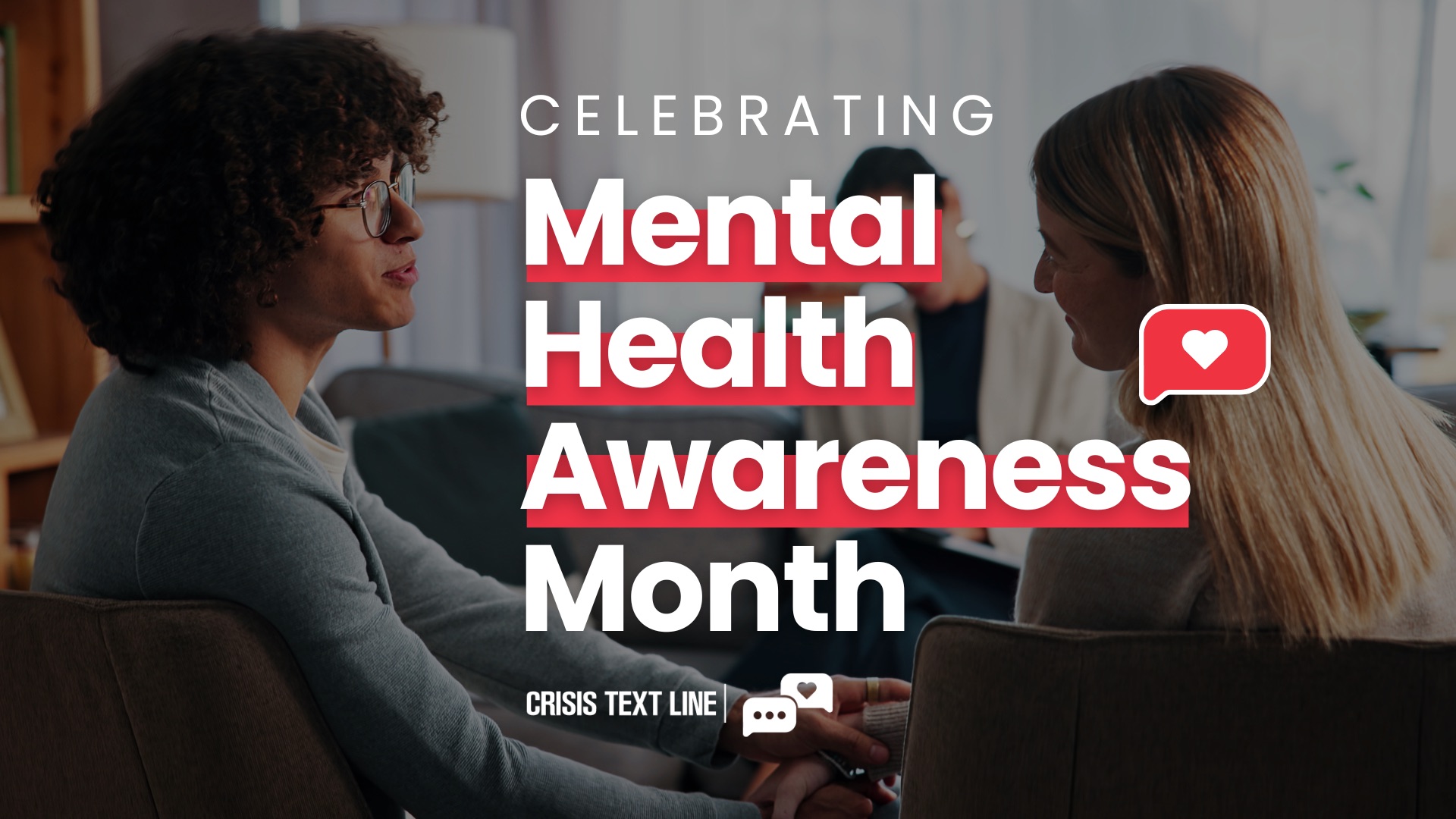
Mental Health Awareness Month arrives each year as a vital reminder to bring national attention to something that fundamentally connects every member of the human race: mental health. Far from being a separate category of existence or something experienced only by a fraction of the population, mental health is an intrinsic, living part of daily life. It is woven into the very fabric of what it means to be human, influencing how people interact, work, love, and survive in an increasingly complex world.
Throughout the year, mental health touches virtually everyone in some profound way. For many, it manifests through deeply personal internal struggles, quiet battles fought behind closed doors. For others, it appears in the agonizing watch over the struggles of a loved one, feeling helpless as a friend or family member navigates deep distress. For far too many, it is experienced through the profound and irreversible loss of someone in their lives. At various points along the journey of life, almost everyone will experience moments where they feel entirely overwhelmed, paralyzed by uncertainty, or completely incapable of putting their swirling, heavy feelings into coherent words. Crucially, public health advocates emphasize that these difficult moments are never signs of personal weakness or moral failure. Instead, they are universally recognized as authentic parts of the human experience.
This dedicated month of awareness serves as a collective acknowledgment that mental health is a reality carried by all people to varying degrees. At the same time, it functions as an urgent call to action. It challenges individuals to show up for themselves with grace, patience, and profound care, while simultaneously urging communities to be present for one another through active empathy, non-judgmental listening, and deep understanding. As organizations and communities reflect on these realities, resources like Crisis Text Line remain fully operational, reminding the public that no one has to endure their darkest moments in isolation. For those struggling, free, confidential, and 24/7 support is continuously available by texting CONNECT to 741741.
Mental Health—Why Do We Struggle?
When examining why individuals struggle with their mental health, experts and community advocates agree that there is no single, uniform cause. Every person’s psychological and emotional landscape is entirely unique, shaped by a complex interplay of their individual circumstances, interpersonal relationships, daily environments, and personal histories. Nevertheless, behavioral health professionals point to common threads and universal pressures that frequently impact large segments of the population.
Everyday stressors, for instance, can accumulate over time and take a remarkably heavy toll on an individual’s well-being. The persistent demands of modern work environments, academic pressures faced by students, underlying financial insecurities, complex family dynamics, and the friction of interpersonal relationships can steadily build up. Even when these individual stressors might appear manageable or routine on their own, they frequently compound one another. Over time, this compounding effect begins to heavily influence how people think, how they process emotions, and how effectively they can function in their daily routines.
Major life transitions represent another significant catalyst for mental health strain. Moments of profound change—whether anticipated with joy or thrust upon an individual unexpectedly—invariably bring a turbulent mix of excitement, anxiety, and deep uncertainty. Starting a fresh career path, relocating to an unfamiliar city, graduating from an educational institution, navigating structural changes within a family, or grieving the loss of a relationship or a loved one can all disrupt an individual’s psychological equilibrium in vastly different ways. Interestingly, mental health experts note that both negative and positive life changes can trigger feelings of being overwhelmed, as the human brain struggles to adapt to new realities.
Beyond everyday stressors and life transitions, individuals frequently face far more specific and deeply impactful experiences. Situations involving acute or chronic trauma, abuse, substance use dependencies, or living with a diagnosed mental health condition fundamentally shape how people process emotions. These profound experiences directly affect an individual’s capacity to cope with ordinary stress and dictate how they relate to the broader world around them.
Recognizing that these multifaceted challenges are universal components of the human experience is widely regarded as a critical foundational step toward dismantling societal stigma. When communities openly acknowledge that mental health struggles are remarkably common rather than shameful secrets to be hidden away, society naturally creates more space for honest conversations, mutual support, and genuine healing.
Mental Health Issues That We Face
Mental health challenges rarely manifest in isolation; instead, they frequently take many diverse forms and tend to overlap significantly. An individual grappling with intense financial stress may simultaneously find themselves paralyzed by crippling anxiety. Similarly, profound grief over a loss can manifest alongside heavy depression, deep isolation, or chronic loneliness. Developing a deeper societal understanding of these overlapping issues helps individuals better recognize the warning signs in themselves and more accurately identify when friends, family members, or colleagues may be suffering.
While mental health challenges are extraordinarily diverse, they commonly encompass a wide array of emotional and psychological responses to difficult life situations. Experiencing these challenges does not imply that an individual is isolated, broken, or beyond the reach of help. Rather, mental health professionals categorize them as deeply human responses to extraordinarily difficult circumstances, for which structured support systems can provide a lifeline.
Organizations dedicated to public well-being emphasize that help is constantly within reach for those navigating these heavy emotional landscapes. Crisis Text Line, for instance, maintains a steadfast commitment to listening without bias or judgment. Individuals seeking immediate support can text CONNECT to 741741 to instantly connect with a live, highly trained volunteer Crisis Counselor. This vital service remains completely free, entirely confidential, and accessible around the clock.
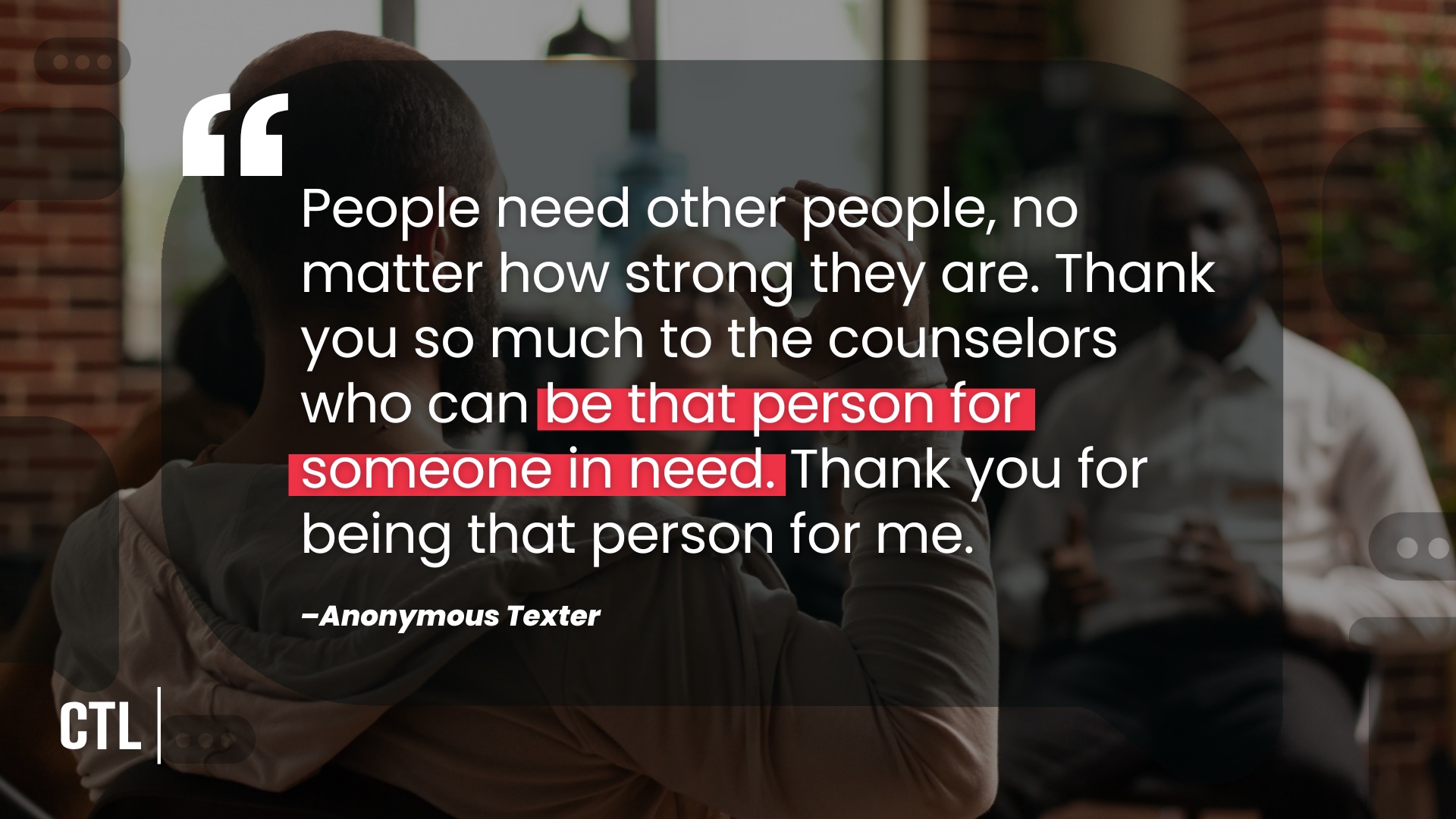
Mental Health Stories and Words of Support from Our Community
While mental health is an intensely personal and subjective journey, it remains an experience shared by all of humanity. In observance of Mental Health Awareness Month, advocacy groups and support organizations consistently emphasize the immense value of elevating the authentic voices of individuals who have navigated these complex challenges firsthand.
Members of the broader Crisis Text Line community frequently share powerful, moving narratives regarding their personal experiences. These accounts detail the arduous process of navigating severe anxiety, coping with the devastating weight of loss, working through complex relationship breakdowns, and discovering unexpected moments of hope amidst deeply turbulent times. Such stories serve as a powerful reminder that while no two individual journeys look identical, immense comfort can be found in the realization that others have felt those exact same heavy emotions and successfully found viable pathways forward.
Whether it is an individual recounting the terrifying yet necessary courage it took to finally ask for help, or someone else reflecting on how a single, empathetic conversation helped pull them back from the brink of isolation, these shared experiences underscore the absolute importance of human connection. Exploring these firsthand accounts offers reassurance, broadens perspectives, and delivers much-needed encouragement to those who may still be suffering in silence. Regardless of where an individual currently finds themselves on their personal mental health journey, their experiences are valid, and they are inherently deserving of compassion and support.
Elevate Mental Health Awareness—This Month and All Year Round
The myriad reasons why individuals struggle with their mental health—ranging from mundane daily stressors to cataclysmic, life-altering events—are fundamental reminders of what it means to be human. Although these struggles can frequently generate a profound sense of isolation, they simultaneously serve as a unifying thread that connects every person across society.
Mental Health Awareness Month functions as an indispensable opportunity to actively challenge lingering social stigmas, foster open and honest conversations, and remind one another that perfection is not a prerequisite for worthiness. It is a dedicated time to prioritize self-care and extend genuine grace to the people inhabiting our homes, workplaces, and neighborhoods.
No matter what difficult circumstances an individual or their loved ones may be facing, the underlying message of public health campaigns remains clear: nobody has to navigate their darkest moments alone, and supportive resources are perpetually within reach. Crisis Text Line remains steadfastly available whenever help is needed. Individuals can simply text CONNECT to 741741 to establish contact with a live, trained volunteer Crisis Counselor at any hour of the day or night, completely free and confidentially. For those inspired by the mission of expanding mental health awareness and ensuring universal access to compassionate support, opportunities exist to contribute directly through charitable gifts, helping to ensure that anyone, anywhere, can reach out and be met with empathy during their most vulnerable hours.