As the winter season sets in and holiday breaks approach, educators, parents, and youth development specialists are increasingly focusing on the critical need for self-regulation support among children and teens. The winter months often bring abrupt shifts in daily routines, prolonged periods of indoor confinement, and heightened emotional stress associated with holiday excitement and schedule disruptions. In response, child development advocates are emphasizing that helping young people manage their thoughts, feelings, and behaviors is more essential now than ever.

Self-regulation is broadly defined as the fundamental ability to effectively manage emotions, maintain focus on everyday tasks, and build positive social connections with others. While these skills are vital year-round, researchers and educators note that children and adolescents frequently require additional emotional scaffolding during the winter transition periods—both immediately before and directly following major school breaks. When left unaddressed, the combination of cold weather, lack of outdoor physical activity, and environmental changes can manifest as restlessness, emotional outbursts, or difficulty concentrating in academic and home settings.

To counter these seasonal challenges, specialists are promoting a diverse array of engaging, winter-themed activities designed to make the practice of self-regulation both accessible and enjoyable. Rather than viewing emotional regulation as a rigid or clinical requirement, experts suggest that integrating mindfulness and self-control exercises into daily winter routines can significantly improve overall well-being for kids and teens.

At the core of these recommended strategies are winter-themed breathing exercises. Child psychologists and educators frequently introduce mindful breathing as a neurological "pause button" for young people. By intentionally focusing on slow inhales and exhales, children can actively interrupt immediate emotional reactions or impulsive behaviors. Scientific research strongly supports these practices, indicating that focused breathing directly activates the parasympathetic nervous system—the biological mechanism responsible for helping the body rest, recover, and achieve a genuine state of relaxation. Regular engagement in mindful breathing has been consistently linked to reduced stress, enhanced classroom focus, and an overarching sense of inner calm.

Beyond indoor breathing techniques, professionals are advocating for structured outdoor engagement through nature walks. Despite the colder temperatures, taking children outside for exploration walks allows them to ground themselves in the present moment by actively engaging their senses—observing sights like soaring hawks, feeling chilly breezes, and listening to the sounds of the winter environment. Studies consistently show that spending time in natural surroundings helps diminish stress levels, strengthen attention spans, and elevate general moods. Furthermore, outdoor winter excursions encourage necessary physical exercise and exposure to natural daylight, commodities that are frequently in short supply during the darkest months of the year.

Another prominent strategy gaining traction in classrooms and homes is the practice of winter-focused gratitude. By encouraging children to reflect specifically on what they appreciate during the colder months—ranging from warm clothing and hot beverages to cherished time spent with family—adults can help young minds actively rewire toward positive patterns of thinking. Extensive research indicates that cultivating gratitude yields a wide array of psychological and physiological benefits, including diminished anxiety, enhanced emotional resilience, improved sleep quality, and a heightened sense of overall contentment.

For children who process emotions better through tactile or creative outlets, specialists recommend mindful winter coloring, cozy reading sessions, and hands-on sensory exploration. Mindful coloring pages featuring positive self-talk phrases offer a proven pathway to reduce stress and anxiety without requiring the strict physical stillness associated with traditional meditation. Similarly, immersing students in cozy reading environments—often enhanced by projecting visual representations of crackling fireplaces or engaging in shared read-alouds—fosters a deep sense of calm, eases muscle tension, and builds empathy. Sensory bins filled with winter-themed tactile materials further support this development by encouraging mindfulness, curiosity, and fine motor skill enhancement through hands-on play.

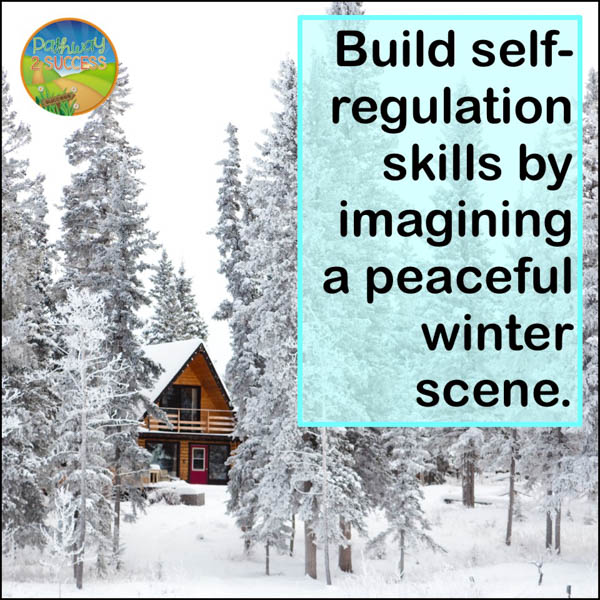
Culinary and imaginative exercises are also stepping into the spotlight as effective self-regulation tools. The mindful consumption of warm beverages, such as hot cocoa, transforms a simple seasonal treat into an active mindfulness exercise. By concentrating on the warmth of the mug, the sweet aroma, and the deliberate pacing of each sip, children engage multiple senses while sending physiological signals to calm the central nervous system. Coupled with winter imagination and visualization exercises—where young people mentally transport themselves to relaxing, serene winter landscapes—these activities provide practical mental frameworks for shifting away from stress and into a state of relaxation.

To address the needs of children who thrive on movement and dynamic interaction, educators are incorporating playful physical activities such as winter crafts, music appreciation, and freeze dance variations. Creative crafting allows learners to channel their energy into structured, hands-on projects that build fine motor control and emotional resilience when creative challenges arise. Meanwhile, playing gentle winter-themed instrumental music creates a soothing background atmosphere that naturally triggers relaxation responses during high-transition moments throughout the day.

Complementing these auditory and creative approaches, winter-themed freeze dance games offer a high-energy method for practicing self-control. By requiring children to move freely to music and instantly halt their bodies upon hearing specific seasonal vocabulary words, the activity successfully reinforces listening comprehension, body awareness, and rapid emotional shifting between high activity and absolute stillness.
As communities continue to navigate the unique environmental and psychological demands of the winter season, experts emphasize that equipping children with these diverse, evidence-based self-regulation strategies lays a crucial foundation for emotional health, academic success, and interpersonal resilience throughout the entire year.